Author name: Roger Hyttinen

Queer Identity in a World Full of Monsters

pair of red eyes and hairy face

So, I’ve been thinking a lot lately about monsters—both the fictional ones that creep out of the shadows in our favorite books and films, and the more metaphorical kind we face in real life. And somewhere along the way, I realized how often queerness gets tangled up in those stories of claws, fangs, and things that go bump in the night.

It’s almost like monster stories were always a little bit queer, even when no one said the word out loud.

Monsters as Mirrors

When you grow up queer, it can sometimes feel like you are the monster in the story. You’re the one people whisper about, the one who doesn’t quite fit in, the one the villagers with pitchforks would chase out of town if they knew the truth. That kind of “othering” is baked into so many old monster tales—the vampire hiding in plain sight, the werewolf keeping secrets from their pack, the witch forced into exile for being too different.

And honestly? A lot of us recognize ourselves in those characters. We know what it’s like to live behind masks, to hide parts of ourselves for safety, and to wrestle with identities we’re told are “unnatural.”

Take the vampire, for example. Dracula was written with all kinds of coded fears about sexuality and deviance. He was the outsider who seduced “pure” Victorian society. To a queer reader today, that coded fear reads like familiarity—we’ve lived through being whispered about in hushed tones, as if queerness itself was a contagion.

Reclaiming the Monster

But here’s the fun twist: monsters aren’t just symbols of fear—they’re also symbols of power.

Think about Anne Rice’s Vampire Chronicles. Louis and Lestat are basically one of the most famous queer couples in gothic literature. They’re powerful, passionate, and unashamedly themselves (well, except Louis, who broods dramatically about everything, but hey, we’ve all had our Louis phase). Those books, devoured by queer readers for decades, turned the vampire from a symbol of corruption into a figure of freedom.

Or take Carmilla, the 19th-century vampire novella that was scandalously sapphic long before Twilight hit shelves. Here, queerness wasn’t subtext—it was text. The vampire wasn’t just a “threat to purity”; she was a love story.

Werewolves too. That push and pull between human and beast? It screams metaphor for suppressed identity. If you’ve ever had to hide who you are during the day but longed for release when no one was watching, you get it. It’s why so many queer creators have leaned into werewolves as metaphors for transformation, bodily autonomy, and finally letting yourself run wild.

And witches? Oh, witches are practically queer icons. Misunderstood, marginalized, and punished for their difference, but still gathering together to share knowledge, power, and a bit of rebellion. If “witch” wasn’t already a word, queer culture would have invented it.

Pop Culture Monsters and Queer Coding

Let’s play a quick game of spot-the-queer-coded monster:

  • Buffy the Vampire Slayer gave us Willow, whose journey from nerdy sidekick to lesbian witch remains iconic. Notice how her magic grows stronger once she embraces who she really is? Not subtle, Joss. Not subtle at all.
  • True Blood turned vampirism into a metaphor for coming out—complete with the slogan “God Hates Fangs.” Campy? Absolutely. But also very on the nose.
  • The X-Men aren’t technically monsters, but their powers (and society’s fear of them) have always been a metaphor for being different. The “coming out” allegories write themselves. Magneto and Xavier are practically queer dads arguing about how to keep the kids safe.
  • Guillermo in What We Do in the Shadows is the queer-coded human familiar surrounded by queer-coded vamps. That show takes every monster trope and makes it absurdly, joyfully queer.

It’s wild how often queerness slips through even when creators don’t intend it. And when queer writers do intend it? That’s when monster stories go from fun metaphors to blazing declarations.

Real Monsters vs. Imagined Ones

Of course, while it’s cathartic to embrace our inner creature of the night, the real monsters are often the ones walking around in daylight.

They’re the lawmakers who legislate against queer bodies. They’re the preachers who preach hate under the guise of “love.” They’re the neighbors who’d rather you disappear than thrive.

It’s a strange irony that people like us—accused of being monstrous for simply existing—are usually the ones living authentically and tenderly, while the so-called “normal” folks can act crueler than any demon in folklore.

I can’t tell you how many times I’ve been more frightened by the guy in a suit smiling while stripping away rights than by any movie vampire lurking in the shadows.

Chosen Family in the Haunted House

Another reason monster metaphors click so well with queer identity? Community.

Look at stories like Buffy again—the Scooby Gang is a found family of misfits, freaks, witches, and vampires. Or The Addams Family, who are basically the campiest queer-monster household in pop culture. (Tell me Gomez and Morticia don’t give off polyamory energy.)

Queer folks have long known that blood family isn’t always safe. We build our own families—chosen ones who get us, who celebrate the parts of ourselves others might fear. That’s why you’ll so often see monsters forming clans, packs, covens. The world outside might hate them, but inside their circle? It’s nothing but belonging.

Embracing the Beast Within

At the end of the day, queerness in a world full of monsters isn’t about being afraid of the dark. It’s about recognizing that the “dark” is where many of us find belonging.

We’ve turned what used to be symbols of shame into stories of survival and pride. Monsters aren’t our enemies—they’re our avatars.

So yeah, if being queer means I’m a little monstrous, then pass me the cape, the fangs, and maybe a thunderstorm or two for dramatic effect. Because honestly? I’d rather be a monster than live as someone else’s idea of “normal.”

And if you’re reading this and thinking, “Okay, but if I were a monster, which one would I be?”—then you already get it. Monsters are queer metaphors not just because they’re feared, but because they’re free.

So, spill it—are you a vampire living for the eternal dramatic entrance? A witch stirring up rebellion with your coven? A werewolf itching for transformation night? Or maybe something stranger, something we haven’t even named yet?

Because in a world full of monsters, the queer ones aren’t hiding anymore. We’re writing our own stories. And honestly? They’re a lot more fun.


The Golem's Guardian book cover

Shadows prowl the alleys. Faces twist where no human stands. And under it all, the city hums with an energy David can feel in his bones. His golem is growing stronger, learning, almost becoming human. But their enemy is stronger still—a man who seeks to harness the coming Alignment for his own dark ends.

To save his city, David must embrace a destiny he never asked for and fight a battle that began long before he was born. The Golem’s Guardian – grab your copy HERE

Queer Identity in a World Full of Monsters Read Post »

Are Audiobooks Reading?

young man with headphones listening to an audiobook

I’m just going to come right out and say it: if I listen to a book, I count it as read. End of story. If I spend twelve hours with my earbuds in, following a story from start to finish, I don’t care if the words came through my eyes or my ears—I read that book.

But, you’d be surprised at how many people side-eye me when I say that. There’s this persistent little debate floating around about whether audiobooks “count” as reading. Some folks are almost snobbish about it, insisting that unless you’ve physically flipped pages (or at least scrolled through an e-reader), you haven’t really read the book. Which… makes me laugh a little, honestly, because have you seen how massively popular audiobooks have become? Millions of people are doing it. The New York Times even has an audiobook best-seller list now. If it’s not “real,” then the entire publishing industry is in on a con.

Listening vs. Reading: Same Brain, Different Doorways

Here’s where it gets interesting: studies have shown that the brain processes listening to a story and reading a story in pretty similar ways. Sure, your eyes and ears are different input devices, but once the information gets into your head, it’s all about comprehension, retention, and experience. I know people who listen to history books and can spout off dates and battles better than I could after slogging through a dense hardcover. I also know people who can’t focus while listening but thrive when their eyes are on the page. Different brains, different doorways in.

For me, listening to an audiobook feels a little like being told a story around a campfire. It’s immersive in a different way—especially when the narrator is stellar. A great voice actor can make characters leap off the page in a way my silent inner voice doesn’t always manage. And let’s be real: who doesn’t want Julia Whelan or Kirt Graves reading them to sleep at night?

Why the Gatekeeping?

So why do people dig their heels in about this? I think part of it is old-school baggage. We’ve all been taught since grade school that reading equals sitting quietly with a book in your hands, eyes on text. Listening? That was “lazy.” Or worse, “cheating.” (As if there’s a secret rulebook of literature that someone forgot to tell us about.)

But let’s flip that around: audiobooks make books accessible. People with vision impairments, dyslexia, ADHD, or just busy schedules get to enjoy stories in a way that works for them. You can fold laundry, commute to work, or walk the dog and still sink into a good novel. That’s not cheating—that’s brilliant multitasking.

The Popularity Proof

I remember when my library first started offering downloadable audiobooks, and I thought, “Huh, neat.” Fast-forward a decade, and it’s now one of their most requested services. People devour books while driving cross-country, while working out, while mowing the lawn. Audible is basically a household name at this point. If audiobooks weren’t “real reading,” they wouldn’t be exploding in popularity the way they are.

Some Narrators Who Make Stories Unforgettable

Honestly, the narrator can make or break an audiobook. I’ve stopped listening to books simply because the voice didn’t click with me, and I’ve fallen in love with others just because the performance was that good. Here are some narrators (general, romance, and queer romance) who I think are worth seeking out:

General Fiction & Fantasy Favorites

  • Julia Whelan – Contemporary romance & fiction goddess.
  • Bahni Turpin – Emotional powerhouse (The Hate U Give).
  • Stephen Fry – His Harry Potter readings are iconic.
  • Jim Dale – Legendary character voices in Harry Potter.
  • Kevin R. Free – Brilliant in the Murderbot Diaries.
  • January LaVoy – Crystal-clear, nuanced performances.

Romance Powerhouses

  • Teddy Hamilton – Smooth, warm, and swoony.
  • Shane East – That British accent? Enough said.
  • Andi Arndt – A queen of romance narration; great comedic timing.
  • Sebastian York – A gravelly voice that screams “romantic lead.”

LGBTQ+ Romance Favorites

  • Joel Leslie – Absolute chameleon. Hundreds of queer romances, nailing accents and emotion.
  • Kirt Graves – Famous for narrating TJ Klune’s Wolfsong and Green Creek series.
  • Michael Lesley – Hysterical and heartfelt in TJ Klune’s The Lightning-Struck Heart.
  • Greg Tremblay (aka Greg Boudreaux) – Warm, intimate performances that shine in M/M romance.
  • Cornell Collins – Smooth and expressive, with great chemistry.
  • Nick J. Russo – Solid choice for engaging queer romance reads.

Starter LGBTQ+ Romance Audiobooks Worth Your Ears

If you’re curious where to start, here are a couple of audiobooks where narration really takes the story to the next level:

  • Under the Whispering Door by T.J. Klune, narrated by Kirt Graves — A story about life, death, and love, told with tenderness. Graves gives each character nuance, and his pacing makes the humor and grief hit just right.
  • Something Fabulous by Alexis Hall, narrated by Nicholas Boulton — A queer Regency romp that’s ridiculously fun and over-the-top. Boulton leans into the melodrama and makes it sparkle.

And if you want to branch out even further, look up narrators like Michael CrouchKevin R. FreeLaura Sackton, and Nicky Endres—all of whom bring queer and trans stories vividly to life.

My Take

At the end of the day, stories are meant to be absorbed. The format is secondary. Oral storytelling is as old as humanity itself—way older than the printed page. Homer’s epics were spoken aloud long before anyone scratched them onto parchment. If listening to The Iliad counted back then, why shouldn’t listening to Project Hail Mary or Circe count now?

So yeah, I’m firmly in the “audiobooks are reading” camp. If you listen to it, if you live inside the world of that book for however many hours, if you can come out the other side with the experience of it—that counts. You’ve read the book.

And if anyone gives you grief about it? Just smile and say, “Actually, I’ve read twice as many books as you this year.”


Norian's Gamble cover image

Every legend begins with a choice. For Prince Norian, that choice comes after a werewolf’s bite leaves him caught between man and beast. With sorcery threatening his home and secrets buried in his family’s past, Norian must decide whether to rise as king—or fall as a creature of darkness. His gamble may change Tregaron forever. Norian’s Gamble – grab your copy HERE

Are Audiobooks Reading? Read Post »

The Rise of Openly Queer Protagonists

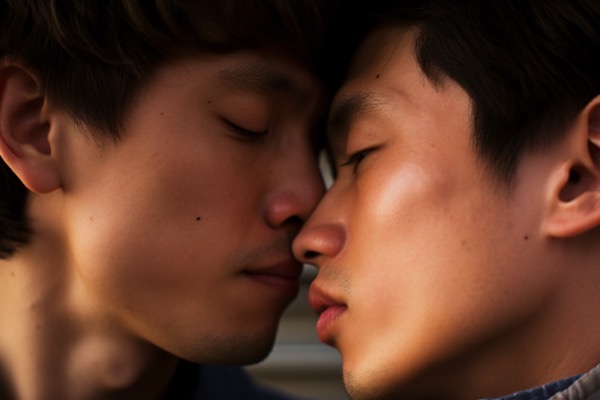
two young asian men about to kiss

There was a time—not too long ago, really—when queer characters in movies, books, or TV shows lived in the shadows. They weren’t openly queer; instead, we got hints, winks, lingering glances that never landed anywhere concrete. Subtext was the name of the game. And if you caught it, you caught it. If not, well…you probably just assumed they were “very close friends.”

I grew up watching those stories, picking up on the breadcrumbs, and thinking, Okay, that’s as good as it’s going to get. It was like an open secret between queer audiences and creators: we see you, but we can’t say it. And honestly, it stung. It told us our stories weren’t worth naming out loud.

Queer Coding and the “Secret Language” of Subtext

Remember those “best friends” in old sitcoms who seemed to spend all their time together, shared an apartment that somehow had only one bed, and were inexplicably uninterested in dating anyone else? Yeah. That was us. The writers couldn’t say it, so they painted around the edges. Queer audiences became experts at decoding subtle gestures and veiled references. It was survival storytelling—representation wrapped in plausible deniability.

The problem, of course, was that subtext always left room for erasure. Straight audiences could watch and never once think “queer,” while queer audiences had to work overtime to see themselves reflected. It was exhausting.

The Shift: From “Maybe” to “Hell Yes”

Fast forward to now, and things look different. We’ve gone from “don’t ask, don’t tell” characters to protagonists who proudly walk into the frame, fully themselves. Think of Simon in Love, Simon (and later Victor in Love, Victor), Charlie in Heartstopper, or even Theo in V.E. Schwab’s The Invisible Life of Addie LaRue. These are characters who don’t just exist on the margins—they carry the story.

This shift didn’t happen overnight. It’s the result of decades of activism, queer creators pushing through the noise, and audiences demanding better. It’s also thanks to smaller presses, indie filmmakers, and streaming platforms willing to take risks where big studios once balked.

And here’s the thing: having queer protagonists at the center changes everything. It means we no longer have to squint at coded dialogue or hang our hopes on throwaway lines. We get characters who fall in love, make mistakes, save the world, or screw it up spectacularly—and their queerness is not hidden, but part of the joy.

Why This is Important

When I was a teenager, queer characters usually ended up dead, lonely, or punished by the narrative gods. The infamous “bury your gays” trope was everywhere, and happy endings were rare. So when I watch a show like Heartstopper, where queer kids get to blush, hold hands, and navigate first loves without being shamed, I can’t help but feel a little emotional. This is what we needed decades ago. This is what kids today get to have.

Representation isn’t just about seeing someone who looks or loves like you. It’s about expanding what’s possible. It whispers to young queer folks: “Your story matters. You can be the hero. You get a future.” That’s powerful.

But Let’s Not Pretend the Work Is Done

Of course, it’s not all sunshine and rainbows just yet. For every Our Flag Means Death or Red, White & Royal Blue, there are still industries and countries where queer stories are censored, banned, or scrubbed of identity. Even in supposedly progressive spaces, queer protagonists can still be treated as a “risk” or “niche.”

And let’s not forget that representation often skews toward certain kinds of queerness: cis, white, gay men. We need more trans protagonists, more queer characters of color, more disabled queer heroes, more asexual and aromantic representation. Basically, the rainbow still has some shades missing.

From Here On Out

Still, I celebrate how far we’ve come. When I curl up with a queer romance novel or binge-watch a series where two girls kiss in broad daylight without fear, I feel that seismic cultural shift. Subtext has its place—it was survival—but we’ve moved into an era where queer characters don’t just exist. They thrive. They lead. They inspire.

And that’s something worth shouting about.

So here’s to more queer protagonists, more open stories, and more futures where kids don’t have to squint for representation. They’ll see it, front and center, where it belongs.

Want to Read/Watch Some Fantastic Examples?

If you’re looking for stories where queer characters take the spotlight, here are a few favorites:

  • 📚 Heartstopper by Alice Oseman – A tender, joyful series about queer teens navigating love, friendship, and identity.
  • 📚 Red, White & Royal Blue by Casey McQuiston – A rom-com about the First Son of the U.S. falling for a British prince. Pure delight.
  • 📚 Cemetery Boys by Aiden Thomas – A groundbreaking YA novel featuring a trans Latinx protagonist who accidentally summons the wrong ghost.
  • 📚 Felix Ever After by Kacen Callender – A heartfelt, affirming story about identity, self-discovery, and love.
  • 🎬 Love, Simon (2018) – The teen rom-com that broke ground in mainstream film, later spawning the series Love, Victor.
  • 🎬 Our Flag Means Death (2022–23) – A swashbuckling comedy where queer pirates (yes, pirates!) get their happily-ever-afters.
  • 🎬 Portrait of a Lady on Fire (2019) – A gorgeously shot historical romance between two women in 18th-century France.

🌈 What about you—do you remember the first openly queer protagonist you encountered in media? How did it change things for you?


Touch of Cedar book cover image

Marek and Randy wanted a second chance at love. What they got was a haunted house, an attic full of secrets, and a ghost who changes everything. A Touch of Cedar – grab your copy HERE

The Rise of Openly Queer Protagonists Read Post »

Support Your Local Library: Why They Matter More Than Ever

Image of the inside of a public library

So here’s a funny thing—I was digging through my old blog posts the other day, and I realized something shocking. I have never written about libraries. Not once. Which is ridiculous, because I use the heck out of mine. Like, I practically have the library staff on speed dial at this point. How this topic slipped through the cracks of my blog brain, I’ll never know. But hey—let’s fix that right now.

Libraries Are More Than Books (Though the Books Are Pretty Great)

When most people think about libraries, they picture rows and rows of books, and yes—those glorious shelves will always be the beating heart of any library. But modern libraries are like Swiss Army knives of community resources.

Want to binge-watch something? Forget Netflix—you can borrow movies. Into gaming? Yep, libraries lend video games. Need to brush up on French, Japanese, or even Klingon (okay, maybe not Klingon, but I wouldn’t put it past them)? You can check out language courses. And don’t even get me started on eBooks and audiobooks. Half the time I’m reading on my Kindle or listening on Libby, it’s courtesy of my library card.

The Library as a Community Hub

Libraries are one of the few public spaces left where you’re not expected to buy a latte to justify your existence. You can just walk in, plop yourself down, and stay as long as you want. That’s magic.

They host story hours for kids, book clubs for adults, craft workshops, genealogy classes, resume clinics, tax prep help—you name it. I’ve even seen libraries host escape rooms and Dungeons & Dragons nights. The point is, they’re not just “warehouses of books.” They’re living, breathing parts of the community, offering free education and connection in a world that loves to slap a price tag on everything.

Why Libraries Matter More Than Ever

In an age when everything seems to be about subscriptions, fees, and paywalls, libraries are a rare gem: a place where knowledge, entertainment, and resources are free and accessible to everyone. They help bridge the gap for people who can’t afford the newest streaming platform or who don’t have reliable internet at home.

Think about that for a second. Free Wi-Fi. Free printing (in some places). Free access to technology you might never be able to afford otherwise. For a lot of folks, the library is their lifeline for school, work, and staying connected.

And here’s the kicker—libraries are constantly under threat. Budgets get cut, branches close, and suddenly that lifeline gets a little shorter. Which is why supporting them is so crucial right now.

How You Can Support Your Library

Supporting your library doesn’t just mean checking out a stack of novels every couple of weeks (though please do that too). Here are a few easy ways to keep these spaces thriving:

  • Get a library card and actually use it—downloads and checkouts matter in their stats.
  • Show up to events or workshops. Attendance numbers help prove their value.
  • Donate if you can—whether that’s money, gently used books, or even volunteering your time.
  • Advocate when you hear about budget cuts. A simple email or phone call to a city council member can make a difference.
  • Talk them up—seriously, tell your friends how awesome your library is. Word of mouth matters.

My Love Letter to Libraries

Honestly, I can’t imagine my life without my library. It’s where I discovered authors who’ve become lifelong favorites. It’s where I’ve grabbed stacks of DVDs for free movie marathons. It’s where I’ve tested out language apps and research databases without dropping a dime.

Libraries aren’t relics of the past—they’re a blueprint for the future. A reminder that information and imagination belong to everyone, not just the people who can afford the newest gadget or subscription service.

So if you haven’t visited your library in a while, consider this your sign. Go wander the aisles, explore the digital catalog, or just sit in a comfy chair and breathe in that slightly musty, paper-scented air that feels like home. Trust me, you’ll find something you didn’t even know you needed.

Do you use your library as obsessively as I do, or is it time for a little reunion with your card?

See you in the stacks!


Ghost Oracle Box Set image

My Ghost Oracle Box Set (Nick Michaelson) is now available from your favorite online retailer.

Books 1-3: https://books2read.com/u/mBKOAv
Books 4-6 https://books2read.com/u/mVxr2l

Support Your Local Library: Why They Matter More Than Ever Read Post »

LGBTQ+ Cinema Club: My Life with James Dean (2017)

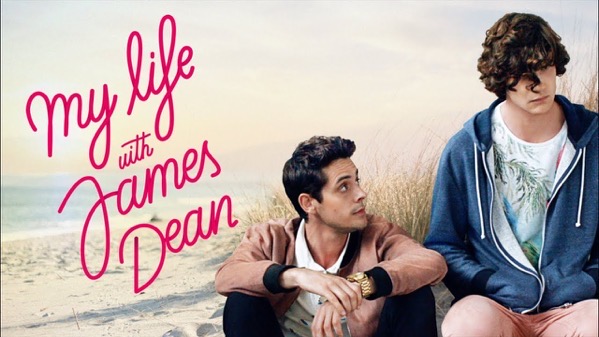
My life with james dean 2017

“Sometimes I like to be sentimental.”

Welcome to the very first entry in my new series: LGBTQ+ Cinema Club!

If you’ve followed me for a while, you probably remember my 365-movie-a-day challenge — where I posted a whole bunch of film reviews, one after another, until my eyeballs were basically permanently glazed. I had a lot of fun with it (and watched some truly bizarre things), but I also got some feedback that made me pause. A few readers mentioned my posts were… a tad long. And that the lack of headings made them feel a little like falling into a dense thicket of film opinions. Fair! I did use paragraph breaks (I swear!) but I guess it still got a little heavy.

So this time around, I’m switching it up. For LGBTQ+ Cinema Club, I’ll be breaking my reviews into clean, easy-to-digest sections — like bite-sized pieces of a queer film snack tray. Hopefully that makes things more readable and more fun for everyone. I plan to keep this format going forward, so if you like it, let me know!

Anyway, let’s talk about our first pick: My Life with James Dean — a whimsical little French comedy that made me want to take a long, pensive walk along a windswept coastline and flirt awkwardly with strangers.

 Quick Info:

  • Title: My Life with James Dean
  • Year: 2017
  • Directed by: Dominique Choisy
  • Starring: Johnny Rasse, Mickaël Pelissier, Nathalie Richard, Juliette Damiens
  • Where I Watched It: Dekkoo – a streaming service for Gay men. They have a lot of art house films.

Queer-o-Meter:

🏳️‍🌈🏳️‍🌈🏳️‍🌈🏳️‍🌈 (4 out of 5 Pride Flags)
Rated on how gay it feels — characters, themes, vibes, chaotic queer energy. This one? Pretty darn queer.

One-Line Summary:

A sweetly awkward film director stumbles into a seaside town to promote his new gay indie flick and gets tangled up in small-town shenanigans, unexpected romances, and some very charming chaos.

Standout Scene:

There’s this moment where Géraud (played with fluttery-eyed melancholy by Johnny Rasse) is left alone in his hotel room and just… spirals. It’s not dramatic or anything — more like quietly existential. He watches his film alone in bed, mopes adorably, and looks like he’s one sad playlist away from writing angsty poetry in the margins of his travel itinerary. It hit me square in the “wow I’ve totally been there” center of my soul.

Favorite Line:

“Love is always possible, isn’t it?”
Why does this line live rent-free in my head? I don’t know. But it does.


Would I Rewatch?

  •  Absolutely ✔
  •  Maybe… with wine
  •  Once was enough
  •  I’ve already watched it 3 times, send help

Review:

Okay, so here’s the thing about My Life with James Dean: it’s not a big, sweeping romance or a high-drama coming-out story. It’s a quirky little mood piece that sort of meanders in the best possible way. The film follows Géraud Champreux, a timid and very soft-spoken filmmaker who’s traveling to Normandy to show his obscure gay film, “My Life with James Dean,” to like, three people and a confused usher. He’s a delicate little disaster of a man, constantly losing his phone, getting stuck in stairwells, and quietly pining for any man who makes eye contact. Basically, he’s all of us.

The town he arrives in feels almost Wes Anderson-y in its weird stillness. There’s a theater manager (played by Nathalie Richard) who’s very intense and very French, a boyish projectionist (Mickaël Pelissier) with dreamy eyes and a motorbike, and a whole cast of oddball locals who don’t quite know what to make of this melancholy gay film they’re supposed to be screening. And somehow, amidst all the social awkwardness and sleepy seaside pacing, this film becomes the backdrop for Géraud’s accidental flirtation with the projectionist, a sweet, blink-and-you’ll-miss-it romance that made my little heart squeak.

This isn’t a movie that throws big plot twists or steamy drama at you. It’s tender. And kind of weird. The characters all feel like they’ve wandered in from different plays but somehow make it work. It’s also got this meta thing going — the film is about showing a film about James Dean, and at one point you start wondering if you’re watching the film being shown within the film, or if time has folded in on itself. (I love when French cinema does this sort of thing without feeling the need to explain itself.)

Visually, it’s charming as heck. Normandy looks overcast and poetic. The soundtrack is spare but lovely. And the acting? Subtle, understated, and a little theatrical — like everyone’s performing in an indie stage play they’re only half-memorized. But honestly? That’s kind of the appeal. There’s something refreshing about a queer film that isn’t trying to make some big Important Statement, but is just vibing with soft longing, creative insecurity, and tender weirdness.

Final Thoughts:

This one snuck up on me. I thought I was in for a slow, artsy detour — and I got that, sure — but also ended up giggling, sighing, and feeling a little fluttery in the chest. My Life with James Dean doesn’t try to impress. It just is. Like an awkward hug from a stranger you accidentally bonded with over your mutual love of Jean-Luc Godard. It’s sweet, strange, and unapologetically queer in its own meandering, low-budget way.

Also, random true fact: James Dean once said, “Dream as if you’ll live forever. Live as if you’ll die today.” He never actually visited Normandy, but his ghost kind of haunts this film in spirit. (Source: Biography.com)

 The Cinema Club Verdict:

⭐⭐⭐⭐
4 out of 5 Stars. Docking one star for the kind of pacing that makes you wonder if you’ve forgotten to press play.

If you’ve seen My Life with James Dean — or have one I need to add to my queue — let me know in the comments or yell at me on BlueSky.

Until next time,
Stay fabulous and keep watching queer stuff!


Nick's Awakening cover

Six books. One reluctant medium. Countless restless spirits. Step into the Ghost Oracle series.

LGBTQ+ Cinema Club: My Life with James Dean (2017) Read Post »

Weekly Roundup for Oct 11, 2025

You boy talking into a megaphone

Just popping in with a super quick update this week because, truth be told, I’m knee-deep in edits right now and my brain is 80% caffeine and 20% plot holes.

So here’s the scoop: I’m putting the finishing touches on the first three books in my Detective Noir series (yes, three—I like to go big or go home apparently). It’s been a whirlwind of late-night rewrites, suspicious characters, and more cigarette smoke imagery than I care to admit. Honestly, at this point, my dreams are narrated in a gravelly 1930s voiceover.

Once these books are wrapped, polished, and breathing mysterious, noir-flavored air, they’ll be up for preorder on Amazon. But—here’s the insider tip—they’ll be available immediately on my website for those who don’t want to wait (and who doesn’t love a good early-access deal?).

So if you haven’t subscribed to my newsletter yet, now might be a good time. I’ll be announcing the release there first, along with some other fun behind-the-scenes tidbits, deleted scenes, and probably me complaining about commas.

Okay, back to the manuscript mines I go. Noir waits for no one. Keep an eye on this space (or your inbox) for updates!

Oh, and while I have your attention – have you checked out “The Golem’s Guardian” yet? If you haven’t gotten your hands on a copy, you can snag one HERE. I’m still pretty excited about how that one turned out.

Some Things I Thought Were Worth Sharing

My author friends may find this of interest: 3 Creative Tricks to Find Your Character’s Voice https://thewritepractice.com/character-voice-writing-prompts/

My writer friends may find this of value: Proust Questionnaire: 35 Questions To Ask Your Characters From Marcel Proust https://thewritepractice.com/proust-questionnaire/

Looking for something to watch? Here’s a list of the best LGBTQ+ movies & TV shows coming to streaming October 2025 https://www.queerty.com/the-best-lgbtq-movies-tv-shows-coming-to-streaming-october-2025-20251001/

Del Toro fans may find this of interest (I can’t wait — it’s coming out end of Oct) — Guillermo del Toro’s ‘Frankenstein’ Trailer Brings Jacob Elordi’s Creature to Life https://gayety.com/frankenstein-trailer-brings-jacob-elordis-creature

Ben Whishaw on how the industry has changed for gay actors since coming out 10 years ago https://www.queerty.com/ben-whishaw-on-how-the-industry-has-changed-for-gay-actors-since-coming-out-10-years-ago-20250930/

Interesting article for my author friends: What Do You Call a Writer Who Never Reads? https://authorkristenlamb.com/2023/01/what-do-you-call-a-writer-who-never-reads/

My writer friends may find this article on generating ideas for stories of interest: https://nownovel.com/generating-ideas-for-stories/

Was there gay drama brewing behind this iconic beer brand? Netflix’s sexy new series says yes! https://www.queerty.com/was-there-gay-drama-brewing-behind-this-iconic-beer-brand-netflixs-new-series-says-yes-20250925/

These images are amazing: I Am A Mountain Photographer And This Year I Travelled To The Alps To Capture The Colorful Fall There https://www.boredpanda.com/fall-photography-in-the-alps-karol-nienartowicz-msn/

Just for fun: Celebrity Bodyguards Shared What Really Happens Behind Closed Doors https://www.boredpanda.com/celebrity-bodyguards-answer-questions/

My writer friends may find this article on writing drafts of value: Writing first drafts: 10 ideas to reach final drafts https://nownovel.com/writing-first-drafts/

My author friends may find this of interest: What’s an En Dash? (And How to Use it Correctly) https://thewritepractice.com/whats-an-en-dash-and-how-to-use-it-correctly/

Relive the powerful coming out stories of 10 queer Hispanic entertainers https://www.lgbtqnation.com/2025/09/relive-the-powerful-coming-out-stories-of-10-queer-hispanic-entertainers/

I’m always a sucker for these types of stories: People Share 15 Creepy Unexplainable Things That Happened To Them https://www.boredpanda.com/celebrity-bodyguards-answer-questions/

Ever had that oh no moment when you realized someone wasn’t quite right? These people did — and their stories are chilling: People Who Met A Psychopath Share The Chilling Moment They Realized It https://www.boredpanda.com/people-met-psychopath-stories/

Photography eye-candy: Stunning Photos From Around The World, As Shared On Photocrowd’s Instagram https://www.boredpanda.com/captivating-photography-photocrowd/


Cover for Nick's Awakening

What if the dead could find you anywhere—at school, on the street, even in your own house? For Nick, the world has cracked open, and ghosts are pouring through. Ready or not, he’s their only hope. Read the book that began it all: Nick’s Awakening

Weekly Roundup for Oct 11, 2025 Read Post »

Scroll to Top