Author name: Roger Hyttinen

Book Recs for Every LGBTQ Mood: From Cozy to Catastrophic

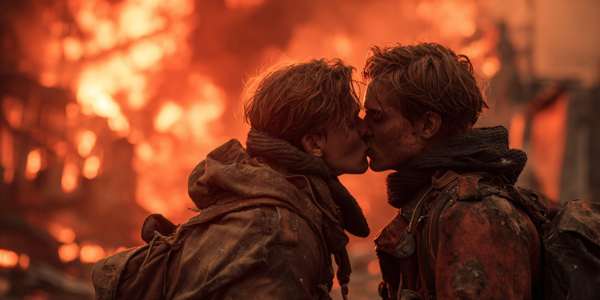
 Two handsome young men kissing in the midst  of an apocalypse

I don’t know about you, but I totally pick books based on mood. Some days I want pure serotonin in book form, other days I’m craving ghost-filled chaos, and sometimes I want to emotionally implode in the most dramatic way possible. So, I figured: why not make a handy little queer book guide sorted by mood?

Think of this as a rainbow spectrum—cozy on one side, catastrophic on the other—with plenty of pit stops in between.

When You Want Cozy, Wholesome Vibes 🌈

These are your serotonin boosters. Nothing tragic, nothing soul-crushing—just pure comfort.

  • “The House in the Cerulean Sea” by TJ Klune – Bureaucrat meets magical misfits, learns to open his heart. Uplifting and gentle.
  • “Loveless” by Alice Oseman – Tender exploration of asexuality, friendship, and found family.
  • “Tea Dragon Society” by Kay O’Neill – Graphic novel with tiny dragons that grow tea leaves. Yes, it’s as wholesome as it sounds.

When You Want Fun, Flirty Rom-Coms 💕🎉

Sometimes you just need banter, chaos, and a guaranteed happy ending.

  • “Boyfriend Material” by Alexis Hall – Fake dating done right, with banter so sharp it could cut glass.
  • “Delilah Green Doesn’t Care” by Ashley Herring Blake – Chaotic bisexual photographer + small-town sapphic romance = absolute joy.
  • “She Gets the Girl” by Rachael Lippincott & Alyson Derrick – YA rom-com with opposites attract vibes.

When You Want Fantasy & Queer Epics ⚔️🐉

Swords, spells, and more representation than your average D&D campaign.

  • “Blackwater Sister” by Zen Cho – Malaysian spirits, family drama, and one very reluctant lesbian protagonist.
  • “The Priory of the Orange Tree” by Samantha Shannon – Dragons + sapphic queens + 800 pages of worldbuilding glory.
  • “Crier’s War” by Nina Varela – Sapphic slow-burn romance in a world of human/AI tension.

When You Want a Mystery or a Little Spookiness 🔎👻

Not horror-horror, but just enough eerie vibes to make you double-check your locks at night.

  • “Cemetery Boys” by Aiden Thomas – Summoning ghosts + trans rep + adorable romance.
  • “Plain Bad Heroines” by Emily M. Danforth – Cursed boarding school, queer actresses, dark academia deliciousness.
  • “The Verifiers” by Jane Pek – Queer detective investigating shady dating apps in NYC.

When You Want Messy, Angsty Drama 💔🔥

Think yearning, bad decisions, and the kind of angst that makes you want to throw the book across the room (lovingly).

  • “We Are the Ants” by Shaun David Hutchinson – Queer grief + possible alien abduction = chef’s ki— (oops, can’t say it). Let’s just say it’s gorgeous and devastating.
  • “Summer Sons” by Lee Mandelo – Southern gothic, drag racing, ghostly hauntings, and repressed desire.
  • “Exciting Times” by Naoise Dolan – Bisexual protagonist caught between messy love interests in Hong Kong.

When You Want Historical Queer Vibes 🕰️🌹

Queer people have always existed—these books remind us that history has more rainbows than the textbooks admit.

  • “The Gentleman’s Guide to Vice and Virtue” by Mackenzi Lee – 18th-century romp across Europe, starring a bisexual disaster and his crush.
  • “Last Night at the Telegraph Club” by Malinda Lo – Sapphic romance in 1950s San Francisco, tender and beautifully researched.
  • “Maurice” by E.M. Forster – Written in 1914, unapologetically queer, and groundbreaking for its time.

When You Want Catastrophic Feels 🌪️😭

Here’s where you willingly dive into heartbreak city. I don’t make the rules.

  • “The Song of Achilles” by Madeline Miller – If you know, you know (this one wrecked me!).
  • “Giovanni’s Room” by James Baldwin – Beautiful, brutal, and gut-wrenching.
  • “A Little Life” by Hanya Yanagihara – A marathon of trauma and love. Enter at your own risk.

The Mood Map

  • Need comfort? → Klune, Oseman, O’Neill
  • Want swoony banter? → Hall, Blake, Lippincott
  • Fantasy cravings? → Cho, Shannon, Varela
  • Feeling spooky? → Thomas, Danforth, Pek
  • Angst appetite? → Hutchinson, Mandelo, Dolan
  • Historical feels? → Lee, Lo, Forster
  • Want emotional destruction? → Miller, Baldwin, Yanagihara

I’ve realized my own reading life is basically mood-swings on paper. Sometimes I want something as soft as a marshmallow, sometimes I want a haunted house with repressed homoerotic tension, and sometimes I just want to sob dramatically while whispering “why did I do this to myself?”

Your turn: what’s your go-to mood shelf? Got a catastrophic fave I missed? Drop it in the comments so I can add it to my ever-growing pile of emotional chaos.


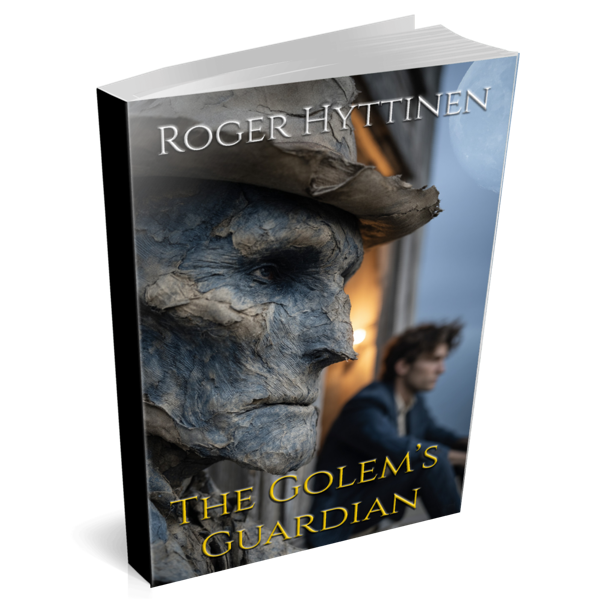
book cover for The Golem's Guardian

Every choice matters when myths walk the streets. With the golem at his side and his sister at his back, David faces a scholar turned monster, a prophecy of upheaval, and the terrifying question: who’s really in control? The Golem’s Guardian – get it HERE

Book Recs for Every LGBTQ Mood: From Cozy to Catastrophic Read Post »

Dehumanization is the First Step—Don’t Take It

group of diverse volunteers

When You Start Treating People Like People

This post is a bit more serious than my other stuff.  But it’s something that’s been on my mind a lot recently so I thought I’d share it.

There’s this Paul Vitale quote that I keep circling back to: “When you start treating people like people, they become people.” It’s one of those deceptively simple lines that hits like a sucker punch the longer you sit with it. At first glance, it’s almost obvious—like, of course people are people. But what he’s really getting at is how easily we forget that basic truth when it’s inconvenient, scary, or politically useful to strip others of their humanity.

The Danger of “The Other”

You don’t have to look very far these days to see how governments and media shape entire narratives around who counts as “us” and who gets shoved into the bucket of “them.” Immigrants, refugees, protesters, queer folks, religious minorities, people living in poverty—so often, whole communities are painted as threats rather than neighbors.

And it’s not just a political thing. It’s psychological. When people are labeled as “the other,” our brains almost trick us into thinking they’re less deserving of compassion. Dehumanization makes it easier to pass cruel laws, justify wars, or scroll past a headline about suffering without pausing. It’s easier to hate an abstraction than it is to look someone in the eye.

But here’s the kicker: when you strip away those labels and meet someone as a person—when you listen to their story, share a meal, laugh at the same dumb joke—suddenly, the distance collapses. They stop being “an issue” or “a problem to solve” and start being, well… human.

Why This Matters More Than Ever

We’re living in an era where outrage sells and fear gets votes. The language of dehumanization is everywhere, baked into slogans and soundbites: “invasions,” “illegals,” “thugs,” “vermin.” When we absorb that language uncritically, it seeps into how we see each other. And once someone’s humanity is blurred out, almost anything can be justified against them.

History is littered with examples of where that road leads, and it’s not a road we should be walking again. Whether it’s Nazi propaganda in the 1930s, segregation in the Jim Crow South, or more recent atrocities around the world, the pattern is eerily consistent: step one is convincing people that certain groups aren’t really people at all.

That’s why Vitale’s quote feels so urgent right now. Treating people like people isn’t just good manners—it’s survival-level important for a just society.

What It Looks Like in Practice

So what does it mean to treat people like people? Honestly, it doesn’t always require huge, dramatic acts. It’s in the small, daily choices:

  • Language matters. Catch yourself before repeating dehumanizing terms. Say “people without homes” instead of “the homeless,” “immigrants” instead of “illegals.” Words shape how we think.
  • Listen instead of labeling. That guy at work with political views that make your blood boil? Ask him how he came to those beliefs instead of shutting him down. (Hard, I know. My blood pressure spikes just writing this.)
  • Notice the individual. The cashier, the bus driver, the stranger on the park bench—they all have full, messy, complicated lives you’ll never fully know. A smile, a “thanks,” or a moment of genuine attention honors that.
  • Refuse the easy narrative. Governments and pundits benefit from us buying into “us vs. them” stories. Resist that by seeking nuance, context, and actual human voices.

A Personal Note

I’ll be real with you—I haven’t always been good at this. There’ve been times when I’ve written people off based on stereotypes, or dismissed entire groups because it was easier than wrestling with the discomfort of complexity. It’s humbling to admit that, but I think most of us have been there.

The difference comes when you pause long enough to actually see someone. I remember meeting a man years ago who had just arrived in the U.S. as a refugee. I had all these vague, media-fed notions about “refugees” as a category. But then he told me about the mango trees he missed from home, about how he worried whether his kids would like American breakfast cereal, and about his hope of starting a small landscaping business. Suddenly, he wasn’t a headline—he was just a dad trying to make a life. And that changed me.

People Become People

Vitale’s quote reminds me that humanity isn’t something we grant to others. It’s already there. But how we treat someone determines whether we see it—or erase it.

And that’s the quiet revolution, isn’t it? Choosing—every day, in a thousand little ways—to treat people like people. Not enemies. Not statistics. Not faceless issues. People.

Because once we do, the world looks less like a battlefield of “us vs. them” and more like what it’s always been: a messy, diverse, fragile, and beautiful collection of human beings trying to make it through the day.


Dehumanization is the First Step—Don’t Take It Read Post »

Found Family Dynamics: Building Meaningful Support Networks for Your Lone Wolf Detective

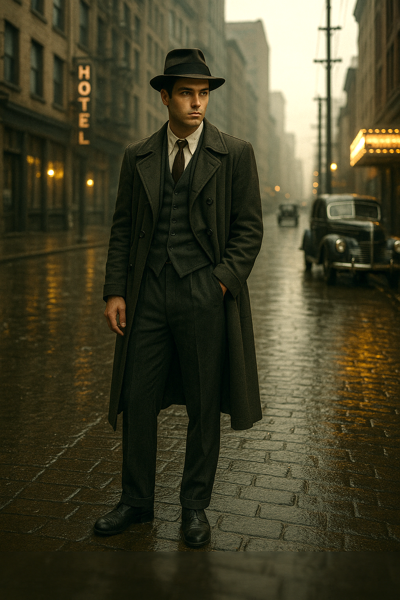
noir detective standing in the street 1930s

If you’ve ever read or written about a detective who insists on going it alone—gritty, cynical, fueled by bad coffee and sheer spite—you know the archetype. The classic lone wolf detective is practically married to their case files, allergic to vulnerability, and sometimes their only “friend” is a half-dead houseplant they forget to water.

And yet…here’s the thing. Even the most stubborn gumshoe or paranormal sleuth eventually needs people. Whether they want to admit it or not, they end up cobbling together their own version of family. That’s where found family dynamics come in—and honestly, they’re some of my favorite storytelling elements.

Why Lone Wolves Need a Pack (Even If They’d Rather Not Admit It)

The lone wolf detective archetype is built on solitude. Think Sam Spade in The Maltese Falcon or Jessica Jones in her dingy Hell’s Kitchen apartment. They’re prickly, they push people away, and they give serious “I don’t need anyone” energy. But as a reader, that can only take us so far. Watching a character endlessly brood in their office, chain-smoking in the dark? Atmospheric, sure. But after a while, you want to see what happens when someone barges into their life with too much enthusiasm and zero respect for boundaries.

Because here’s the secret: lone wolves shine brighter when contrasted with the people who refuse to let them be alone.

The Annoyingly Helpful Sidekick

One of the most common ways a found family develops is through the sidekick who simply refuses to leave. Watson is basically the original “ride or die” in detective fiction. Sherlock might roll his eyes at sentiment, but without Watson, the man would be lost in his own brain palace forever.

In urban fantasy, Harry Dresden has Karrin Murphy—a tough Chicago cop who tolerates his wizard nonsense while also saving his butt regularly. She’s not just backup; she keeps him tethered to humanity when he’s about two steps away from total magical burnout.

So yeah, your lone wolf might roll their eyes, but they secretly appreciate the one person who keeps showing up with coffee, first-aid supplies, or bail money.

The Unlikely Mentor (or Exasperated Parent Figure)

I adore the trope where the detective stumbles into someone who ends up being a reluctant mentor or older sibling figure. Picture Alfred with Batman—half butler, half emotional crutch, all sass. Or Giles in Buffy the Vampire Slayer—he’s the exasperated librarian who also happens to be the moral compass.

These characters add warmth and perspective. They don’t always approve of the detective’s methods, but they’re there when things get messy. And because the detective probably lost their real family or burned those bridges long ago, this stand-in figure scratches that “what if I wasn’t completely unlovable?” itch.

The Foundling (aka “Fine, I’ll Take Care of You”)

This one gets me every single time: the detective who swears they can’t be responsible for anyone…ends up with a stray. Maybe it’s an actual kid (The Mandalorian and Grogu, anyone?). Maybe it’s a young protégé who idolizes them, like Kate Bishop trailing Hawkeye around. Or maybe it’s a ghost, cat, or baby dragon that suddenly adopts them.

This dynamic does two things at once: it softens the hard edges of your lone wolf, and it creates instant stakes. They’re not just solving murders or chasing demons anymore—they’re protecting someone who depends on them. Cue reluctant dad/mom energy.

The Chaos Gremlin Friend

Sometimes the found family member isn’t supportive in the traditional sense—they’re the chaos agent. Think of Spike in Buffy or Dean’s buddy Crowley in Supernatural. They make questionable choices, cause trouble, and yet, when push comes to shove, they’re there.

For a detective, this could be the informant with sticky fingers, the hacker buddy who’s constantly on probation, or the flirtatious bartender who knows way too much about the city’s underworld. These characters bring levity, sass, and sometimes the exact morally gray skill set the detective needs.

Found Families in Queer Detective Fiction

Since I read (and write) a lot of queer detective stories, I notice how often found family plays a starring role. LGBTQ+ characters, historically, haven’t always had supportive birth families. So in fiction, found families aren’t just fun—they’re essential.

Take Alexis Hall’s Boyfriend Material: while it’s a rom-com, not detective noir, Luc’s group of chaotic friends is a perfect example of a queer found family propping up someone who insists they’re unworthy. In urban fantasy, Seanan McGuire’s October Daye series surrounds Toby with a whole crew who become her chosen family—even though she started as the classic reluctant loner.

For a queer detective character, found family isn’t just about breaking down walls—it’s about survival. It gives them a support system that validates who they are and makes them stronger against external threats.

How to Write It Without Making It Cheesy

Here’s my personal rule of thumb: your lone wolf should fight against the found family at first. They should roll their eyes, shove people away, insist they don’t need anyone. If they embrace a group right away, it loses that delicious tension.

But as the story progresses, let the cracks show. The detective’s mentor gives them a knowing look, the chaos gremlin drags them to karaoke night, the sidekick patches up their wounds while muttering “why do I put up with you?”—and suddenly, the lone wolf isn’t as alone as they thought.

It’s not about creating a Hallmark family where everyone hugs it out. It’s about small, sharp moments of connection that sneak in and stick.

So, yeah…

A lone wolf detective without a found family risks being one-note. Add in a ragtag support network, and suddenly you’ve got emotional depth, banter, and stakes that cut closer to the bone.

So give your grumpy sleuth their Watson, their chaos gremlin, their stray kid or cat. Let them find family in the unlikeliest places. Because honestly, no one should have to solve murders—or fight demons—alone.

What about you—do you have a favorite found family group in detective or urban fantasy stories? I’d love to hear who sticks with you!


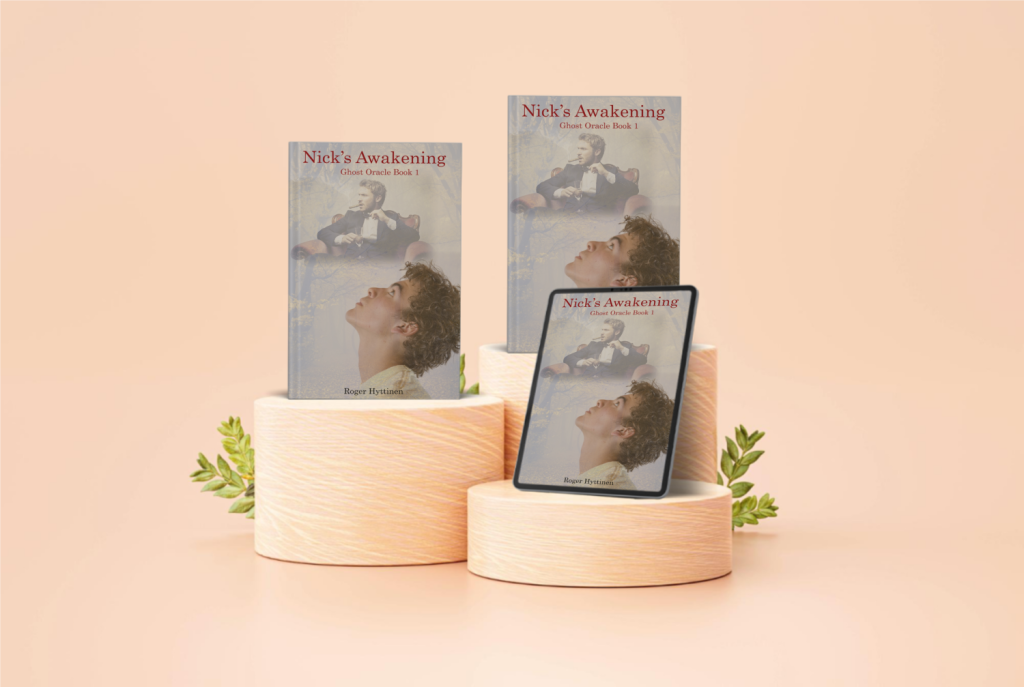
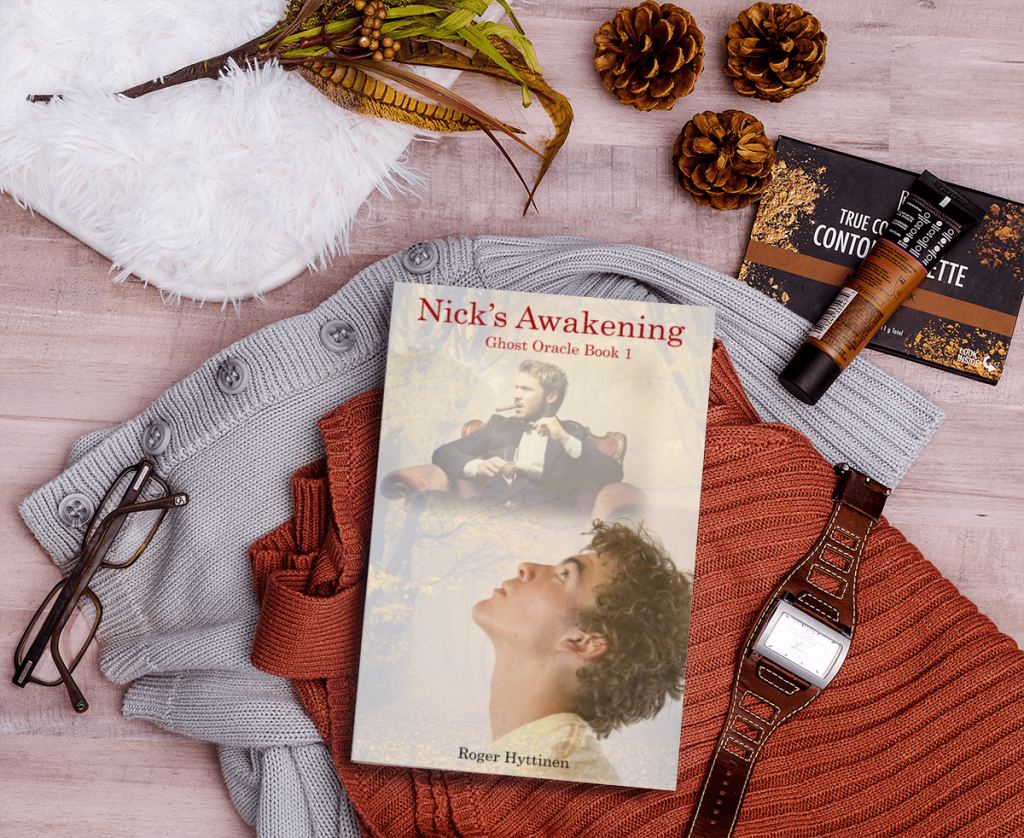
When the dead start whispering your name, life gets complicated fast. Nick Michelson’s story begins here. Nick’s Awakening – grab your copy HERE.

Found Family Dynamics: Building Meaningful Support Networks for Your Lone Wolf Detective Read Post »

Movies, Queerness, and the Occasional Ramble — A New Blog Thing?

two young men at the cinema

Okay, so I was sipping my questionable third cup of reheated coffee the other day (because I’m fancy like that), and my brain did that thing where it jumps tracks mid-thought like a squirrel changing sidewalks. Out of nowhere, I started thinking about my Movie-a-Day challenge from last year. If you were here for that chaos, you know—it was a lot. A lot. I mean, who knew watching a movie every single day could be both thrilling and weirdly exhausting? There were days I watched some obscure Czech gay drama at 1 a.m. just to keep the streak alive. But honestly? I kinda loved it. Even when the movie was baffling or the subtitles were clearly translated by someone using Google Translate in a moving car.

Anyway, that whole experience stuck with me in this itchy, persistent way. Like glitter you spilled a year ago that’s still showing up in your socks. So now I’m getting that itch again to dive into movies…but I’m not about to commit to another daily watchathon. I like sleep. And snacks. And maintaining the illusion that I have a life.

So here’s my thought: a queer cinema exploration series. You know, something where I dig into LGBTQ+ films a couple times a week, then hop on here to ramble about them with all the enthusiasm of someone who just discovered garlic aioli for the first time. (Seriously, why is garlic aioli so good? It’s just mayo and garlic. Witchcraft.)

Now, before anyone side-eyes me like, “Wait, isn’t this a writing blog? Why are we talking about movies?”—look, I get it. But I write about queer characters. I read queer stories. I live a queer life. And sometimes, I need to talk about queer movies too, okay? Plus, writing and film are besties. They share snacks and secrets. Film influences my storytelling all the time—structure, pacing, tone. And sometimes, I just want to yell about how Portrait of a Lady on Fire made me feel emotionally wrecked in the most tender way. That’s valid.

Also, queer cinema is such a treasure trove of underdog storytelling and awkward first kisses and found family magic. From the gritty ’90s indies to the glossy coming-outs of the 2020s, there’s so much to explore. I might rewatch classics like The Watermelon Woman or My Own Private Idaho, or finally tackle those quiet little foreign queer films that people always whisper about like they’re sharing state secrets.

I haven’t pinned down a start date just yet. Let’s just say it’ll begin “soon-ish,” which is vague enough to be both noncommittal and oddly comforting. You’ll know it’s begun when a post appears that starts with, “Okay, so I watched this film and—OH MY GAY HEART.” I’ll probably call the series “Adventures in LGBTQ Cinema” or something like that.  Another option is “A Year in Queer Cinema,” though I may continue it past a year (who knows?).

Anyway, I hope you’re into this idea, because I’m really looking forward to it. It’ll be like a casual hangout where I throw some thoughts at the wall, and you can decide if they’re worth anything or just artfully arranged nonsense. Maybe it’ll even spark a few movie recommendations from you, which I am always down for. (Unless it’s Cats. Don’t do that to me.)

Thanks for reading my slightly-caffeinated ramble. Catch you soon for some cinematic queerness!

Movies, Queerness, and the Occasional Ramble — A New Blog Thing? Read Post »

Top 10 LGBTQ+ Characters in Urban Fantasy

AdobeStock 1054313977.

You know how sometimes you read a book or binge a show and think, ah, finally—someone like me on the page/screen, but with more magic and better hair? That’s the sweet spot where urban fantasy meets queer representation. Urban fantasy has always been about worlds hidden in plain sight—magic tucked into city streets, vampires doing their laundry at 2 a.m., witches ordering espresso shots—and it’s honestly the perfect place for LGBTQ+ characters to thrive. We know what it’s like to live in the margins and still carve out space, so no surprise we keep popping up in these stories.

Here’s my totally subjective, absolutely biased, but deeply heartfelt list of ten LGBTQ+ characters in urban fantasy who’ve stuck with me.

1. Alec Lightwood (The Mortal Instruments by Cassandra Clare)

Alec was one of the first mainstream gay characters I saw in YA urban fantasy who actually got a love story. Not just tragic longing, but a real relationship—with Magnus Bane (more on him in a second). He’s awkward, stoic, and fights demons like it’s his side gig, all while navigating the terror of coming out in a conservative family of Shadowhunters.

2. Magnus Bane (The Mortal Instruments & The Bane Chronicles)

Look, Magnus deserves his own entry. He’s the bisexual High Warlock of Brooklyn, dresses like a glitter bomb exploded in the best way possible, and has lived for centuries, loving people across genders. He’s funny, powerful, and unapologetically himself. Honestly? He’s goals.

3. Nico di Angelo (Percy Jackson/Heroes of Olympus by Rick Riordan)

Okay, yes, this leans more “mythic fantasy in modern day” than strict urban fantasy, but I had to include Nico. He’s Hades’ son, broody as all get out, and had one of the most emotional coming-out arcs in YA fantasy. The way Rick Riordan handled his queerness—especially for a middle-grade audience—was groundbreaking.

4. Constantine (DC Comics / Constantine TV / Legends of Tomorrow)

The bisexual chain-smoking, trench-coat-wearing demonologist we didn’t know we needed. Constantine is messy, morally gray, and constantly caught between saving the world and sabotaging himself. I love that his bisexuality isn’t erased (at least not in recent depictions), because characters like him prove queerness doesn’t have to be sanitized to be valid.

5. Karrin Murphy (The Dresden Files by Jim Butcher—TV adaptation)

In the books, Murphy isn’t queer (which is a shame), but in the short-lived Dresden Files TV show, she was reimagined as a lesbian character. It added another dimension to her tough-as-nails cop persona. Honestly, we deserved way more seasons with her.

6. Wayhaught (Waverly Earp & Nicole Haught, Wynonna Earp)

Two for one! Waverly Earp (little sis to Wynonna) and Sheriff Nicole Haught gave us one of the sweetest, most enduring sapphic relationships on television. They fought demons, dealt with cursed revenants, and still managed to make time for romance in between dodging bullets. If you’ve never seen Wynonna Earp, add it to your watchlist right now.

7. Laf (short for Lafontaine, Carmilla)

Carmilla (the web series) was basically queer vampire chaos in a Canadian college dorm, and Laf—nonbinary, brainy, and endlessly loyal—was one of the standouts. Their friendship with Laura kept the story grounded, even when ancient vampires and eldritch horrors were showing up.

8. Diana Bishop (A Discovery of Witches TV adaptation)

Okay, here’s a sneaky one: in Deborah Harkness’s books, Diana is straight. But the A Discovery of Witches TV show gave us an amazing queer side character—Gillian Chamberlain—AND a world where queerness isn’t erased in the magical community. The adaptation embraced diversity way more, so I’m giving it a shoutout.

9. Talon (The Iron Widow author’s upcoming Heavenbreaker series teaser + nonbinary rep in similar UF spaces)

I’m cheating here because Iron Widow isn’t urban fantasy, but I’ve been following how more recent queer, nonbinary characters are being written into modern fantasy that straddles UF vibes. Characters like Talon are paving the way for bigger, bolder representation. (Also, if you want a canon enby vampire, check out The Beautiful series by Renée Ahdieh—Odette is chef’s kiss).

10. Mitchell Hundred (Ex Machina graphic novel—urban fantasy meets political drama)

Half superhero, half mayor of NYC, and bisexual. What I love is that Mitchell’s queerness isn’t the central conflict, but it’s part of his identity in a political world that’s not always welcoming. It’s gritty, weird, and perfectly urban fantasy in tone.

Why This List Matters

Urban fantasy has always been about outsiders, the unseen, the magical underbelly of the everyday. Queer folks fit right into that mix—we know how to spot hidden worlds, because we’ve had to live between them ourselves. Representation matters, not just because it’s nice to see a rainbow flag tucked into your favorite demon-slaying story, but because it normalizes queerness in every kind of narrative.

When a bisexual warlock can save the world in sequined pants, or a lesbian cop can take down revenants with a shotgun, or a gay son of Hades can finally admit who he loves—suddenly, the genre feels more like home.

Who’s missing from my list? (Because I know I’ve left out at least a dozen amazing queer characters.) Drop your faves in the comments—I’m always looking for my next queer urban fantasy obsession.


Every kingdom has its enemies. For Tregaron, that enemy is Lord Vadok—a sorcerer with a taste for vengeance and a plan to topple King Jamros. But when the battle turns personal, Prince Norian discovers that the price of survival is far higher than he imagined. Cursed by a werewolf’s bite, he must learn to master the beast within before it destroys everything he loves. Norian’s Gamble – grab your copy HERE

Top 10 LGBTQ+ Characters in Urban Fantasy Read Post »

Weekly Roundup for October 4, 2025

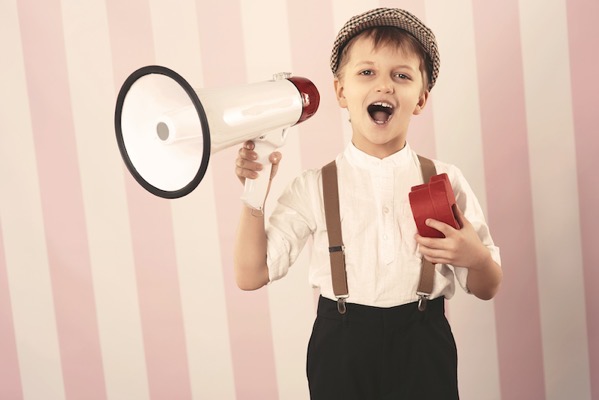
image of a young boy talking in a megaphone

I don’t have anything earth-shattering to report this week—it’s all business as usual over here at Roger Central™, which sounds much more official than it actually is. Mostly it’s just me in my condo, working on book stuff, wrangling ideas, drinking too much tea, and trying not to get sucked into the vortex that is The News.

Which brings me to what I want to share: I’ve made a life upgrade. A small but mighty one. I’ve officially limited my daily exposure to the news, and let me tell you… it’s made a huge difference.

See, for a while there I was waking up, grabbing my phone, and immediately doomscrolling headlines that made my stomach twist. And it wasn’t even anything new—just the same horrifying soup of cruelty, corruption, and garbage policy decisions we’ve been swimming in for a while now. You know the kind: taking from the poor, giving to the rich, demonizing the vulnerable, removing our rights one by one and acting like empathy is some kind of liability.

And I’m not someone who likes to ignore the world. I try to stay informed. I vote. I donate when I can. But at a certain point, I realized I was starting every single morning in a simmering rage or a heavy fog of hopelessness—and then trying to shift gears into being a productive human. Shockingly, it wasn’t working out.

So I gave myself a rule: no news first thing in the morning. Nada. Zilch. Instead, I open my journal or start writing a blog post or read a chapter of a book (something fictional, ideally with ghosts or found family or magical queer teenagers doing cool stuff). Sometimes I just sit in silence with a cup of tea like I’m in a BBC period drama. Whatever helps me enter the day without my fists already clenched.

And you know what? I feel better. Not like everything is great now better—because, well, it’s not—but better in the sense that I’m not constantly carrying the weight of the world on my shoulder blades like a guilt-ridden turtle. I’m more motivated, less fried, and—this part surprises me—I’ve actually gotten more done.

Little tweaks, big results. Highly recommend.

Anyway, that’s the update from the land of words and coffee. No scandals, no existential crises (this week, anyway), and no reading news articles before breakfast. I’m calling that a win.

Talk soon, and take care of your brains.

Some Things I Thought Were Worth Sharing

My author friends may find this article about dialog tags of interest: Dialogue Tags: What Are They and How To Use Them https://thewritepractice.com/dialogue-tags/

My writer friends may find this of value: Past vs. Present Tense: Choose the RIGHT Tense for Your Novel https://thewritepractice.com/past-tense-vs-present-tense/

Yeah, I’m watching this: Gay hockey player romance Heated Rivalry heats up first-look images & on-set bromance https://www.queerty.com/gay-hockey-player-romance-heated-rivalry-heats-up-first-look-images-on-set-bromance-20250925/

A gender-swap comedy gets a queer twist in this raunchy coming-of-age tale https://www.queerty.com/watch-this-gender-swap-comedy-gets-a-queer-twist-in-this-raunchy-coming-of-age-tale-20250924/

Can’t say as I’ve heard about this before: Gareth Pierce gets candid about his gay character’s storyline on British soap “Coronation Street” https://greginhollywood.com/gareth-pierce-gets-candid-about-his-gay-characters-storyline-on-coronation-street-247878

My author friends may find this of value: How to Write a Murder Mystery: 8 Tips to Captivate Readers https://nownovel.com/how-to-write-murder-mystery/

My writer friends may find this helpful: How to Research a Historical Novel: Escape the Research Rabbit Hole https://thewritepractice.com/how-to-research-a-historical-novel/

Just for fun: We’re purring over these photos of gays and their cats https://www.queerty.com/were-purring-over-these-photos-of-gays-and-their-cats-20250920/

Russel Tovey fans may enjoy this: Russell Tovey Names His Favorite On-Screen Kiss: ‘I Quite Enjoyed Kissing… https://gayety.com/russell-tovey-favorite-on-screen-kiss

I don’t know this one – may have to check it out: Hit Gay Comedy ‘English Teacher’ Is Back For Season Two This Month https://www.starobserver.com.au/news/hit-gay-comedy-english-teacher-is-back-for-season-two-this-month/238675

My author friends may find this of value: An Unpredictable (and Fun) Trick to Keep Your Plots Unpredictable http://blog.janicehardy.com/2014/08/an-unpredictable-and-funtrick-to-keep.html

My writer friends may find this helpful: 5 Reasons to Use Pictures as Writing Prompts https://thewritepractice.com/picture-writing-prompt/

Interesting article in The Guardian: Why more and more people are tuning the news out: ‘Now I don’t have that anxiety’ (I can relate!) https://www.theguardian.com/society/ng-interactive/2025/sep/01/news-avoidance-high-anxiety

I love these kinds of message threads: People Share The Scariest Unexplainable Things That Happened To Them https://www.boredpanda.com/creepy-things-without-rational-explanation-msn/

My writer friends may find this of interest: How Loneliness and Companionship Can Impact a Writer’s Creative Life https://lithub.com/how-loneliness-and-companionship-can-impact-a-writers-creative-life/

My writer friends may find this article about research of value Jonathan Tarleton on the Limits of Research—and Making Peace with What You Don’t Know https://lithub.com/jonathan-tarleton-on-the-limits-of-research-and-making-peace-with-what-you-dont-know/


touch of cedar book cover image

When Marek slips into the clothes of the long-dead young man who haunts his house, the line between past and present begins to blur… A Touch of Cedar

Weekly Roundup for October 4, 2025 Read Post »

Scroll to Top