Author name: Roger Hyttinen

Blogging Every Day: What’s Easy, What’s Not, What I’ve Learned

 image of a chean shaven young man typing on his Macbook

Once upon a time (okay, like a couple of years ago), I did a little experiment: I watched and blogged about a movie every single day. Nearly a year of daily posts. No breaks. No excuses. Just me, my keyboard, and a whole lot of popcorn.

And you know what? It became a habit—like brushing my teeth or checking my email. At first it felt like a chore, but then something clicked, and suddenly not blogging felt weird.

Then life happened. Or more specifically, a nasty accident happened. I shattered my pelvis, and blogging was shoved way down to the bottom of the priority list. Healing took time, and even after I was up and about again, I didn’t touch my blog for months.

But here I am—back on the horse (pun absolutely intended). And since I did it once, I figure I can do it again. I’ve decided to blog every day. A new chapter of the experiment begins.

The Easy Part

The best part about blogging daily is how quickly it rewires your brain. Once you get rolling, ideas are everywhere. A random overheard conversation? Blog post. A guilty-pleasure movie rewatch? Blog post. That weird dream where Nicolas Cage ran a haunted ice cream truck? Definitely a blog post.

Publishing gets easier too. During my movie-a-day challenge, I stopped worrying about whether each post was “worthy.” Some days I wrote deep dives into cinematography. Other days I wrote two snarky paragraphs and called it good. Either way, hitting “publish” became second nature.

The Hard Part

Consistency is still the trickiest beast. When you’re tired, when you’re sore, when the day is full of errands and distractions, carving out time to write feels impossible. Some nights, it’s a scramble to get words down before midnight.

And yes, perfectionists beware: typos sneak through. Sentences wobble. Not everything will shine. Blogging daily forces you to accept imperfection or you’ll drive yourself absolutely bonkers.

What I’ve Learned (Round Two)

  • Habits stick, but they’re also fragile. Blogging daily for nearly a year was proof I could do it. But once I stopped, I stopped hard. Getting back into the groove takes effort.
  • Momentum is magical. Once I started up again, that muscle memory kicked in. Even on low-energy days, my brain now says, “We’ve done this before, we can do it again.”
  • Readers connect with honesty, not polish. My long-winded essays sometimes got polite nods, but the posts where I casually admitted, “I watched this cheesy 80s flick and loved every second”? Those sparked conversations.
  • It feels good to show up. Even if no one else reads it, there’s satisfaction in keeping the promise to myself.

Why I’m Doing It Again

Breaking my blogging streak taught me something unexpected: I missed it. I missed the little ritual of sitting down, spilling my thoughts onto the page, and sending them out into the ether. I missed the rhythm of it.

So yeah, blogging every day isn’t always glamorous. Sometimes it’s exhilarating, sometimes it’s exhausting. But if I survived a year of movies and blogging (and a shattered pelvis), I figure I can survive a daily post or two.

Here’s to new habits, old lessons, and the stubborn joy of showing up.

So, thanks for being here while I stretch my blogging muscles again. If you’ve ever tried a daily project (or want to), I’d love to know what it taught you.


Golem's Guardian book cover

What starts as a tiny clay figure dancing on a kitchen table spirals into a battle for humanity’s soul. The Alignment of Shadows is coming, and only David’s bond with his golem can hold the darkness at bay. Grab your copy HERE.

Blogging Every Day: What’s Easy, What’s Not, What I’ve Learned Read Post »

My Brain at 3AM: A Transcript

Man insomniac eyes wide open

This post is for my fellow night owls and insomniacs!

So here I am again, staring at my ceiling fan like it holds the secrets to the universe. You know that feeling when your brain decides bedtime is actually the perfect moment to become a philosophical debate club? Yeah, that’s me right now at 3:25 AM, and I figured I might as well document this mental chaos for your entertainment.

The Writing Projects That Haunt Me

First up on tonight’s agenda: my writing projects. You’d think my brain would be tired enough to give these a rest, but nope! Instead, it’s doing this thing where it replays every single plot hole in my current manuscript like a broken record.

“Remember that character you introduced in chapter three?” my brain whispers. “The one who was supposed to be crucial to the story? What happened to her again?”

Oh right, she vanished into thin air because I forgot about her entirely. Thanks for the reminder, brain. Really helpful at 2 AM when I can’t exactly fire up the laptop without waking everyone in a three-mile radius.

Then there’s the short story Halloween collection I started a little over 2 years ago. My nocturnal mind loves to remind me that I have exactly 18 half-finished stories sitting in various notebooks around my house. Some are scribbled into Field Notes notebooks, others typed frantically into my notes app during random moments of inspiration that I can barely remember.

Society’s Greatest Hits (Or Misses)

Speaking of things that keep me up at night – anyone else occasionally spiral about the general state of everything? No? Just me? Cool.

My 2 AM brain has some thoughts about society these days. Like, when did we collectively decide that arguing with strangers on the internet was a productive use of our time? I find myself wondering if we’re all just shouting into the void, hoping someone will validate our existence with a little heart emoji.

And don’t get me started on how we’ve somehow made basic human kindness controversial. My sleep-deprived mind keeps circling back to this weird reality where being considerate to others is seen as weakness rather than, you know, just being a decent person.

The whole social media thing really gets to me during these late-night thinking sessions. We’re more connected than ever, yet somehow lonelier too. It’s like we’re all performing happiness instead of actually living it.

Financial Anxiety Theater, Starring My Bank Account

Oh, and then there’s the money stuff. Because nothing says “peaceful slumber” like contemplating the fragility of our entire economic system, right?

My brain loves to play this fun game called “What If Everything Crashes Tomorrow? What if all my 401k money disappears?” It’s super relaxing. I’ll be lying there, almost drifting off, when suddenly I’m calculating how many cans of beans I could afford if the dollar became worthless.

The housing market alone is enough to send my thoughts into overdrive. When did buying a home become like winning the lottery? I remember my parents talking about saving up for a down payment like it was actually achievable, not some mythical quest requiring sacrifices to ancient gods.

Credit scores, inflation, student loans – my 2 AM brain treats these topics like they’re the most fascinating subjects on earth. It’s exhausting being financially anxious when I should be recharging for another day of pretending I have my life together.

The Inevitable March of Time

And because my brain apparently enjoys torture, it always circles back to aging. Not in a graceful, “wisdom comes with experience” way, but more like “Holy crap, when did I become someone who makes noise when standing up?”

I caught myself complaining about “kids these days” last week, and it hit me that I’ve officially crossed some invisible line into proper adulthood. When did that happen? One day I was figuring out college, and now I’m here googling whether that weird pain in my knee means I’m falling apart.

The worst part is how time seems to be moving faster. Remember when summer vacation felt like an eternity? Now entire seasons blur together like someone hit fast-forward on life itself.

Random 2 AM Thoughts That Demand Attention

But wait, there’s more! My brain isn’t satisfied with just the big existential stuff. It also needs to remind me about:

  • That awkward thing I said in seventh grade that literally no one else remembers
  • Whether I remembered to lock the front door (spoiler: I always did, but I’ll check anyway)
  • Whether I took my evening pills
  • If my houseplants are judging my plant-parenting skills
  • Why hot dogs come in packs of ten but buns come in packs of eight
  • What my life would be like if I’d really learned to play piano instead of abandoning it like I did

The randomness is truly spectacular. One minute I’m pondering the meaning of existence, the next I’m wondering if my cat thinks I’m a disappointing roommate.

Making Peace with the Night Mind

Here’s what I’ve learned about these 2 AM mental adventures: fighting them is pointless. My brain is going to do its thing regardless of how tired I am or how early I need to wake up.

Instead, I’ve started treating these sessions like informal therapy. Sometimes the random thoughts lead to actual insights about my writing or life goals. Other times, they’re just mental white noise that eventually exhausts itself.

I keep a notebook by my bed now for the truly brilliant (or completely ridiculous) ideas that strike during these moments. Morning me is often confused by notes like “purple elephants = financial freedom???” but occasionally there’s something worth exploring.

The key is not taking it all too seriously. Yes, society has issues. Yes, money is stressful. Yes, we’re all getting older. But none of these problems are going to be solved by my anxious 2 AM overthinking.

So here I am, sharing my nocturnal brain dump with you lovely humans. Maybe you relate, maybe you think I’m completely nuts – either way, I appreciate you reading along with my midnight musings.

Now if you’ll excuse me, I’m going to attempt sleep again. Wish me luck – my brain just remembered I never finished that book I started six months ago…


Ghost Oracle Box Set image

My Ghost Oracle Box Set (Nick Michaelson) is now available from your favorite online retailer.

Books 1-3: https://books2read.com/u/mBKOAv
Boox 4-6 https://books2read.com/u/mVxr2l

My Brain at 3AM: A Transcript Read Post »

Magic in the Margins: How Supernatural Elements Can Highlight Social Issues in Fiction

Young man with angel wings

So I’ve been thinking about something lately – you know how sometimes the most powerful messages come wrapped in the most unexpected packages? Like when your mom hides vegetables in your favorite pasta sauce, except instead of sneaky nutrition, we’re talking about sneaky social commentary delivered through vampires, witches, and things that go bump in the night.

I’ve always been fascinated by how supernatural fiction can tackle real-world problems in ways that straight-up literary fiction sometimes can’t. There’s something about adding a layer of magic or otherworldly elements that makes difficult topics more approachable, more digestible. Maybe it’s because when we’re reading about werewolves, our defenses are down – we’re not expecting a lecture about prejudice or systemic oppression.

The Power of Metaphor in Supernatural Storytelling

Think about it – supernatural elements work like the world’s most elaborate metaphors. They give authors permission to exaggerate social issues just enough to make them impossible to ignore. When Suzanne Collins created the Capitol in The Hunger Games, she didn’t just write about wealth inequality – she created a literal system where rich people watch poor kids fight to the death for entertainment. The supernatural (or dystopian, depending on how you categorize it) framework made the critique of our obsession with reality TV and class divisions hit like a truck.

But let’s dig deeper into some classic examples that really showcase this technique.

Vampires: The Ultimate Social Outsiders

Vampires have been carrying the weight of social commentary for decades. Anne Rice’s Interview with the Vampire wasn’t just about immortal bloodsuckers – it was about otherness, about what it means to exist on the margins of society. Louis and Lestat weren’t just struggling with their thirst for blood; they were grappling with isolation, identity, and the pain of being fundamentally different from everyone around them.

Fast forward to more recent works, and you’ve got vampires representing everything from addiction (Let the Right One In) to immigration (Fledgling by Octavia Butler). Butler, by the way, was absolutely brilliant at this – she took the vampire myth and used it to explore race relations, power dynamics, and the complexities of symbiotic relationships in ways that would have been much harder to digest in a purely realistic setting.

I remember reading Fledgling for the first time and being completely blindsided by how Butler used the supernatural elements to examine historical trauma and racial dynamics. The protagonist, Shori, is a Black girl who happens to be a vampire, and through her story, Butler explores themes of slavery, exploitation, and survival. The vampire mythology becomes this incredible vehicle for discussing things that are often too painful or complex to address head-on.

Witches and Women’s Power

Don’t even get me started on witches and feminist commentary – we’d be here all day! But seriously, the witch has been a symbol of female power and persecution for centuries. Margaret Atwood knew exactly what she was doing when she wrote The Handmaid’s Tale. Sure, it’s technically speculative fiction rather than supernatural, but the way she used the framework of a dystopian society to highlight women’s reproductive rights and bodily autonomy was pure genius.

More recently, authors like Alix E. Harrow have been using witchy elements to explore feminism and women’s suffrage. In The Once and Future Witches, Harrow literally connects the dots between witchcraft and women’s liberation, showing how the suppression of “witches” throughout history parallels the suppression of women’s voices and power.

Zombies and Social Decay

Zombies might seem like the most mindless of supernatural creatures, but they’ve become incredible vehicles for social criticism. George Romero knew this from the beginning – his zombie films were never really about the undead; they were about consumerism, racism, and social breakdown.

More recently, books like Zone One by Colson Whitehead use the zombie apocalypse to explore urban decay, racial tension, and economic inequality. Whitehead takes the zombie genre and turns it into this meditation on what it means to survive in a system that’s already broken.

Shape-shifters and Identity Politics

Shape-shifters and werewolves have become particularly powerful metaphors for identity struggles. Patricia Briggs’ Mercy Thompson series uses supernatural creatures to explore themes of belonging, identity, and finding your place in a community. The werewolf pack dynamics become a way to examine family structures, loyalty, and the sometimes toxic nature of traditional hierarchies.

But what really gets me excited is how newer authors are pushing these boundaries even further. Rivers Solomon’s The Deep uses mermaids – yes, mermaids – to explore historical trauma and cultural memory related to the Atlantic slave trade. They took the myth of water spirits and transformed it into this profound meditation on collective trauma and healing.

Making the Impossible Feel Real

What I love most about all these examples is how the supernatural elements don’t overshadow the social commentary – they amplify it. When N.K. Jemisin writes about oppressed magic users in The Fifth Season, she’s not just telling a fantasy story; she’s creating a framework to examine systemic oppression, environmental destruction, and intergenerational trauma in ways that feel both fantastical and painfully real.

The magic gives these authors permission to push boundaries, to make us uncomfortable, to show us truths that might be too harsh to face in a realistic setting. It’s like being able to discuss difficult family dynamics through the lens of fairy tales – sometimes you need that layer of removal to really see what’s going on.

The Future of Supernatural Social Commentary

I’m genuinely excited about where this trend is heading. Authors are getting more creative, more bold, more willing to use supernatural elements to tackle contemporary issues. Climate change, technology addiction, social media culture – there’s no topic that can’t benefit from a little magical intervention.

The beauty of supernatural fiction is that it meets readers where they are. Someone might pick up a vampire novel just wanting escapism, but they end up thinking about prejudice and acceptance. Another reader might grab a witch story for the magic system and walk away contemplating women’s rights and historical persecution.

That’s the real magic trick – using the impossible to illuminate the all-too-possible.

P.S. If you’ve got any favorite examples of supernatural fiction tackling social issues, drop me a line! I’m always looking for my next mind-bending read.


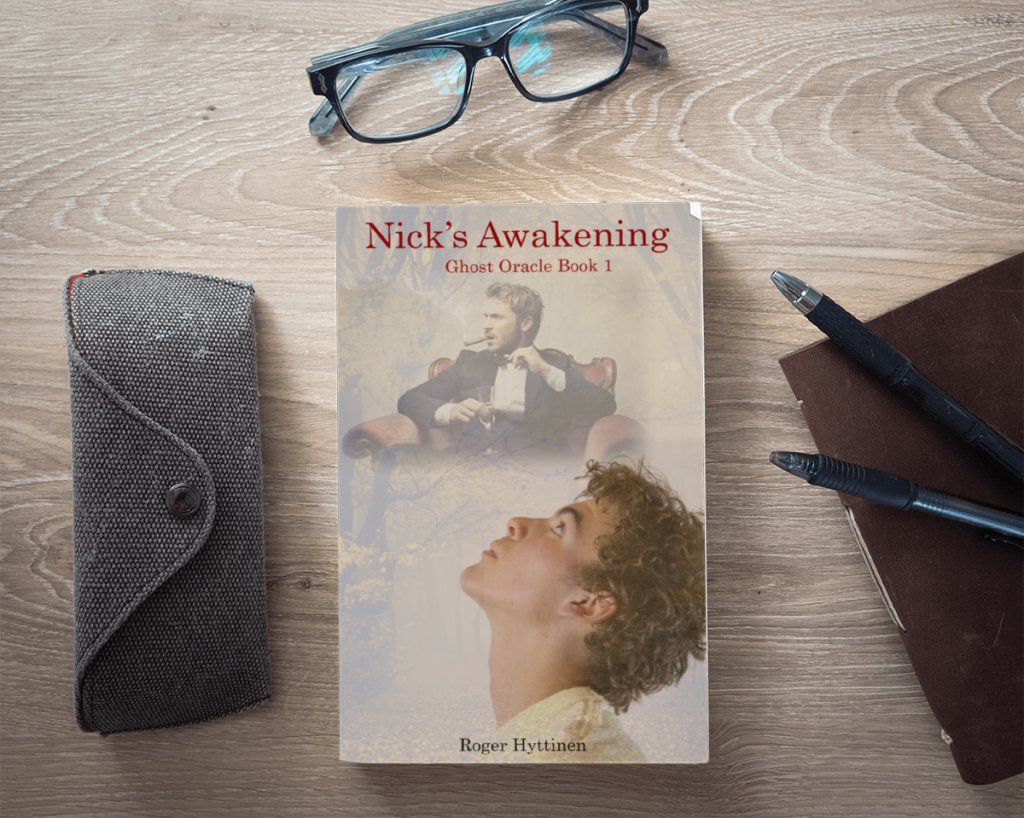
What if the dead could find you anywhere—at school, on the street, even in your own house? For Nick, the world has cracked open, and ghosts are pouring through. Ready or not, he’s their only hope. Read the book that began it all: Nick’s Awakening

Magic in the Margins: How Supernatural Elements Can Highlight Social Issues in Fiction Read Post »

Stop Talking, Start Doing: Why Henry Ford’s Quote Still Hits Different in 2025

Action Changes Things sign

So I was scrolling through some old quotes the other day (yes, I’m that person who gets lost in quote rabbit holes), and this gem from Henry Ford smacked me right in the face: “You can’t build a reputation on what you are GOING to do.”

Oof. Right in the feelings, Henry.

The “Someday” Syndrome Is Real

You know what’s wild? I bet every single one of us has that friend who’s been “about to start” their business for like three years now. They’ve got the perfect logo designed, they’ve researched their target market to death, and they can tell you exactly how they’re going to dominate their industry… someday.

But here’s the thing – nobody’s buying what you’re not selling yet.

I used to be the King of grand announcements. “I’m going to write a long romance series!” “I’m starting a podcast!” “I’m learning Japanese!” My poor friends probably rolled their eyes every time I declared my next big adventure. And honestly? They had every right to. Because most of those things? Yeah, they never happened.

Why We Love the Planning Phase (A Little Too Much)

There’s something intoxicating about the planning stage. It feels productive, doesn’t it? You’re making lists, doing research, maybe even buying supplies. Your brain tricks you into thinking you’re already succeeding because you’re thinking about succeeding.

But planning without action is just elaborate procrastination with better stationery.

I learned this the hard way when I spent six months “preparing” to start running. I bought the shoes, downloaded apps, mapped out routes, read articles about proper form. Want to know how many times I actually ran during those six months? Zero. Zilch. Nada.

The Reputation Reality Check

Here’s what Henry Ford understood way back in the early 1900s: your reputation isn’t built on your intentions, your plans, or your potential. It’s built on your deliverables. People remember what you actually did, not what you said you were going to do.

Think about the people you respect most. Are they the ones who always have big plans, or are they the ones who quietly get stuff done? Yeah, exactly.

Small Actions, Big Impact

The beautiful thing about Ford’s philosophy is that you don’t need to do something earth-shattering to start building your reputation. You just need to start doing something.

Want to be known as a helpful person? Start helping people in small ways – hold doors, offer genuine compliments, listen when someone needs to vent.

Want to build a reputation as a reliable professional? Start by actually meeting your deadlines instead of just promising you will.

Want to be seen as creative? Stop talking about your art and start making it, even if it’s terrible at first.

The Fear Factor

Let’s be real for a second – sometimes we stay in the planning phase because it’s safe there. You can’t fail at something you haven’t started yet, right? But you also can’t succeed.

I get it. Putting yourself out there feels vulnerable. What if people don’t like what you create? What if you’re not as good as you thought? What if you embarrass yourself?

Just Start Where You Are

You don’t need perfect conditions to begin. You don’t need the ideal setup, unlimited time, or complete confidence. You just need to start with what you have, where you are, right now.

I finally started that blog I’d been “planning” for years by literally just writing one terrible post and hitting publish. Was it perfect? Absolutely not. Did anyone even read it? Probably not. But it existed, and that was more than all my planning had ever accomplished. And though I didn’t continue with Japanese, I did learn French and I’m still studying it to this day. I also finally got off my duff and wrote books, though they were urban fantasy stories rather than romance. There’s not law that says we can’t change our mind, right? What counts is that I started doing something.

The Compound Effect of Doing

Here’s something cool that happens when you shift from planning to doing: momentum builds. Each small action makes the next one easier. Each completed task adds to your track record. Before you know it, people start noticing not what you say you’ll do, but what you consistently deliver.

Your reputation becomes less about your promises and more about your patterns.

My Challenge to You (And Myself)

So here’s what I’m thinking – what’s one thing you’ve been saying you’re “going to do” that you could actually start today? Not finish today, just start.

Maybe it’s finally publishing that blog post you’ve been drafting. Maybe it’s making that phone call you’ve been putting off. Maybe it’s just taking one small step toward that bigger goal.

Whatever it is, let’s stop building castles in the air and start laying some actual bricks.

Because at the end of the day, Henry Ford didn’t become famous for talking about cars – he became famous for making them. And making them accessible to regular people. And revolutionizing manufacturing in the process.

But it all started with doing, not just planning to do.

P.S. I’m definitely guilty of everything I just wrote about, but hey – at least I actually wrote this post instead of just thinking about it!


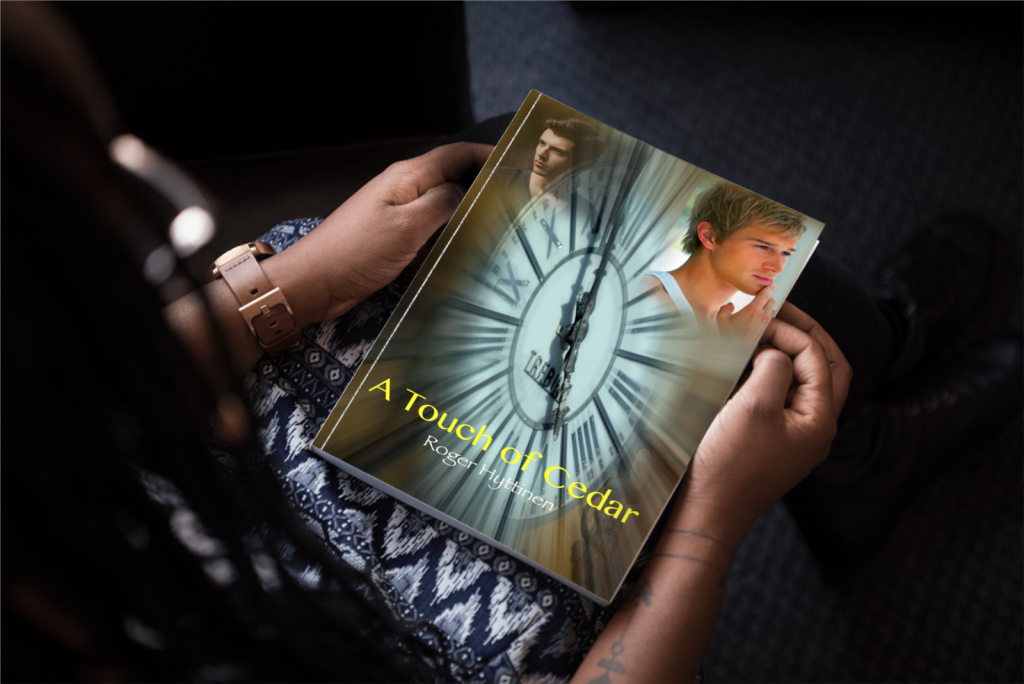
Buying a fixer-upper is always risky, but for Marek and Randy, the risk isn’t just financial. Their new Michigan farmhouse comes with no hot running water, endless repairs… and a resident ghost. Marek can’t ignore the young man who appears in fleeting visions, dressed in old-fashioned clothes and radiating sorrow. While Randy struggles with his new job and their strained romance, Marek is pulled deeper into the farmhouse’s past—a past that demands to be remembered. A Touch of Cedar is about the things that haunt us: broken trust, lost love, and tragedies that refuse to stay silent.

Stop Talking, Start Doing: Why Henry Ford’s Quote Still Hits Different in 2025 Read Post »

Supernatural Coming Out Stories: Parallels Between Coming Out as Magical and Coming Out as Queer

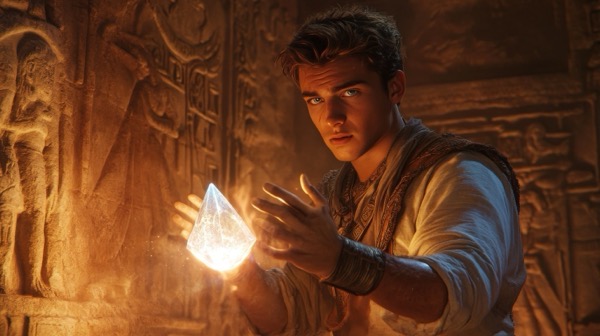
young magic worker floating a crystal

I’ve always thought it was kind of hilarious that so many supernatural stories feel like a metaphor for being queer, even when the author swears up and down that they “didn’t mean it that way.” Like—really? You wrote a whole book about a teenager hiding a secret from their family, terrified they’ll be rejected if the truth comes out, and you didn’t see the queer parallels? Uh-huh. Sure.

Whether it’s discovering you’re a vampire, a witch, a shifter, or some kid who can suddenly throw fireballs with their hands, the beats line up almost perfectly with queer coming-out narratives.

The First Time I Noticed It

I still remember when the lightbulb first went off for me. I was watching Buffy the Vampire Slayer as a teenager, and Buffy had that moment where she confessed to her mom about being the Slayer. Joyce’s response—“Have you tried not_being the Slayer?”—landed like a punch in the gut. I had _heard that exact tone before when a relative asked me if I could just “try harder” to like girls. And suddenly I realized: oh wow, these shows aren’t just about demons and fangs. They’re about us.

That realization stuck with me, and now every time I read or watch a supernatural story, I can’t unsee it.

The Discovery Phase

In queer life: You realize you like boys, or girls, or both, or maybe you don’t like anybody at all in that way—and suddenly you’re sitting with this knowledge like it’s a glowing orb in your chest. It feels huge and heavy, like if anyone notices you’ll be done for.

In magical life: You wake up one morning with glowing eyes or a suspicious bite mark, and suddenly you’re staring at yourself in the mirror whispering, What the hell am I?

Think of Teen Wolf (the MTV one). Scott wakes up with claws and freaky senses, and he doesn’t want anyone to know. His whole early arc is basically one big “don’t find out who I really am” panic. Swap the claws for a rainbow flag, and it’s the same vibe.

The Closet = The Secret Spellbook

Hiding your sexuality and hiding your powers both involve elaborate double lives. Queer kids might date someone they’re not into, hoping to look “normal.” The magical teen? They invent excuses for why they disappear during the full moon, or why the chemistry lab keeps mysteriously catching fire.

In Charmed, the Halliwell sisters spend entire seasons juggling “normal” jobs and relationships while secretly being witches. Closet vibes with sparkles and incantations.

And then there’s Harry Potter. The whole “You’re a wizard, Harry” moment reads almost like a coming-out conversation. You think you’re ordinary, but suddenly someone tells you, “Actually, you’re part of this whole hidden world.”

The Big Reveal

Coming out is terrifying because you don’t know the reaction. Will your family embrace you? Will they throw you out? Will your friends shrug and say “Cool” or quietly drift away?

Same for the supernatural reveal. Buffy nailed this, but X-Men has been the loudest metaphor megaphone for decades. Mutants literally have to “come out” with their abilities, and the whole “cure” storyline is basically conversion therapy in spandex.

Found Family

If your birth family doesn’t accept you, the queer community becomes your safe haven. You find your people. You belong.

Same deal in fantasy. In True Blood, Sookie discovers a whole hidden community of “others.” In The Magicians, Quentin and friends find a weird, wonderful tribe at Brakebills. That sense of “I thought I was alone, but I’m not” is universal—whether you’re queer, a werewolf, or a bisexual vampire with excellent taste in leather jackets (looking at you, Lestat).

Shame vs. Power

Here’s the kicker: what you’re taught to be ashamed of—the thing you hide, the thing you fear—is also your source of strength.

For queer folks, it’s living authentically and discovering joy in chosen love. For supernatural characters, it’s their magic, their fangs, their telepathy. The very thing that made them feel monstrous is what makes them extraordinary.

That’s why queer fans flock to these stories. They’re not just entertainment—they’re survival manuals disguised as fantasy.

Why These Stories Matter

This is why supernatural coming-out tales hit so hard. They let us rehearse our fears in a safe way. They give us metaphors that make sense of our lived experience. And they remind us that even if your story starts with fear, it doesn’t have to end there.

Whether you’re telling your mom you’re dating someone of the same gender, or confessing to your best friend that you’ve been secretly practicing necromancy—there’s always that heart-pounding moment before you speak. That leap into the unknown.

And on the other side of that leap? Sometimes rejection, yes. Sometimes heartbreak. But also—sometimes freedom.

So yeah, every time Storm raises an eyebrow in X-Men or Buffy pulls out her stake, I can’t help but grin and think: this is our story too.


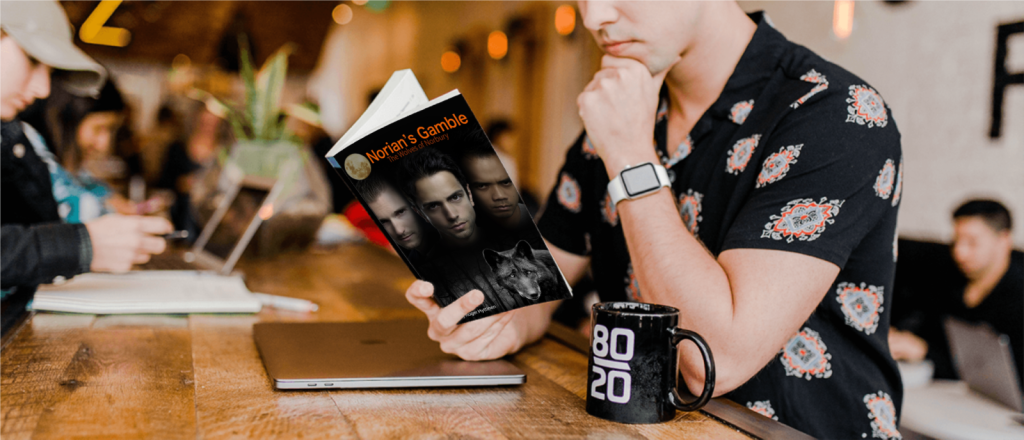
Every kingdom has its enemies. For Tregaron, that enemy is Lord Vadok—a sorcerer with a taste for vengeance and a plan to topple King Jamros. But when the battle turns personal, Prince Norian discovers that the price of survival is far higher than he imagined. Cursed by a werewolf’s bite, he must learn to master the beast within before it destroys everything he loves. Grab your copy HERE

Supernatural Coming Out Stories: Parallels Between Coming Out as Magical and Coming Out as Queer Read Post »

Weekly Roundup for Sept 27, 2025

Weekly Roundup 2.

So, quick update from yours truly: I’m still plodding along over here. And I say that with all the enthusiasm of someone knee-deep in formatting hell and cover file purgatory. I really thought I’d have the first book in my Paranormal Detective Noir series locked, loaded, and ready to launch this week—but alas, the universe had other plans. Or maybe just the PDF gods. Either way, I’ve been ping-ponging with some cover issues that are this close to being resolved. Hopefully by the end of the week, I can stop squinting at spine alignment guides and start celebrating like a normal person (well, as normal as I get).

On the brighter side of things, just a little reminder that my web store is officially open! You can now grab all my books—eBooks, paperbacks, and large print editions (those are exclusive to the store!)—right from rogerhyttinenbooks.com. I’ve decided that moving forward, I’ll mostly be linking to my own store instead of the “big guys,” because, well… they kind of eat most of the profits. And I like to keep the lights on over here. Plus, shopping directly supports indie creators like me and lets me keep doing what I love—making up ghost stories and grumpy detectives and throwing them into haunted speakeasies.

That’s all for now—more soon, hopefully with actual launch news. Cross your fingers, toes, and maybe light a candle to the formatting fae if you’ve got one handy.

Some Things I Thought Were Worth Sharing

My author friends may find this of value: From Imagination to Publication: 100+ Novel Ideas to Fuel Your Literary Journey https://thewritepractice.com/best-novel-ideas/?utm_source=rss&utm_medium=rss&utm_campaign=best-novel-ideas

A craft article for my author friends: How to describe to immerse readers (complete guide) https://nownovel.com/how-to-describe-place-character/

Zombies attack Drag Queens? Count me in! The ‘Queens of the Dead’ Trailer Turns Brooklyn Nightlife Into a Zombie Battlefield https://gayety.com/trailer-for-queens-of-the-dead

This sounds intriguing: Myth or homoerotic history? Famed author Cervantes is a sexy, gay hero in this controversial new drama https://www.queerty.com/myth-or-homoerotic-history-famed-author-cervantes-is-a-gay-hero-in-this-controversial-new-drama-20250919/

My writer friends may find this of interest: How to Use Conflict to Show Character Development http://blog.janicehardy.com/2022/09/how-to-use-conflict-to-show-character.html

My writer friends may find this helpful: Tips to Turn Sketchy Writing into Robust Prose https://www.livewritethrive.com/2024/12/05/tips-to-turn-sketchy-writing-into-robust-prose/

My author friends may find this of value: Why Every Plot Needs A Ticking Clock http://blog.janicehardy.com/2015/09/why-every-plot-needs-ticking-clock.html

Huh. I had no idea he was an author: Chris Colfer talks about releasing his 21st book, “Roswell Johnson Saves the Galaxy” https://greginhollywood.com/watch-chris-colfer-talks-about-releasing-his-21st-book-roswell-johnson-saves-the-galaxy-247839

This sounds good! The gay drama ‘Straight Until He Kissed Me’ has everyone thinking the same thing https://www.queerty.com/the-gay-drama-straight-until-he-kissed-me-has-everyone-thinking-the-same-thing-20250916/

Some people may find this of interest: Ben & Jerry’s founder Jerry Greenfield resigns, says he’s ‘been silenced’ over LGBTQ+ rights https://www.advocate.com/news/ben-and-jerrys-founder-resigns

Time to put down the phone: Interesting video on why you need to be bored https://kottke.org/25/09/you-need-to-be-bored-heres-why

This Street Photographer Proves That Timing Is Everything https://www.boredpanda.com/street-photography-everyday-life-serkan-tekin-part-3/

An article for my writer (or aspiring writer) friends: How to Write a Short Story: 5 Major Steps from Start to Finish https://thewritepractice.com/how-to-write-a-short-story/

Some people may find this helpful: Useful Tips From People That Are ‘Street Smart’ https://www.boredpanda.com/street-smart-tips-msn/

Just for fun (and cuteness) ‘Cat.Exe Has Stopped Working’: This IG Account Collects Hilarious Images Of Broken Cats https://www.boredpanda.com/funny-broken-cats-pics-msn/


A touch of cedar book cover

When Marek slips into the clothes of the long-dead young man who haunts his house, the line between past and present begins to blur…

A Touch of Cedar – Grab your copy HERE

Weekly Roundup for Sept 27, 2025 Read Post »

Scroll to Top