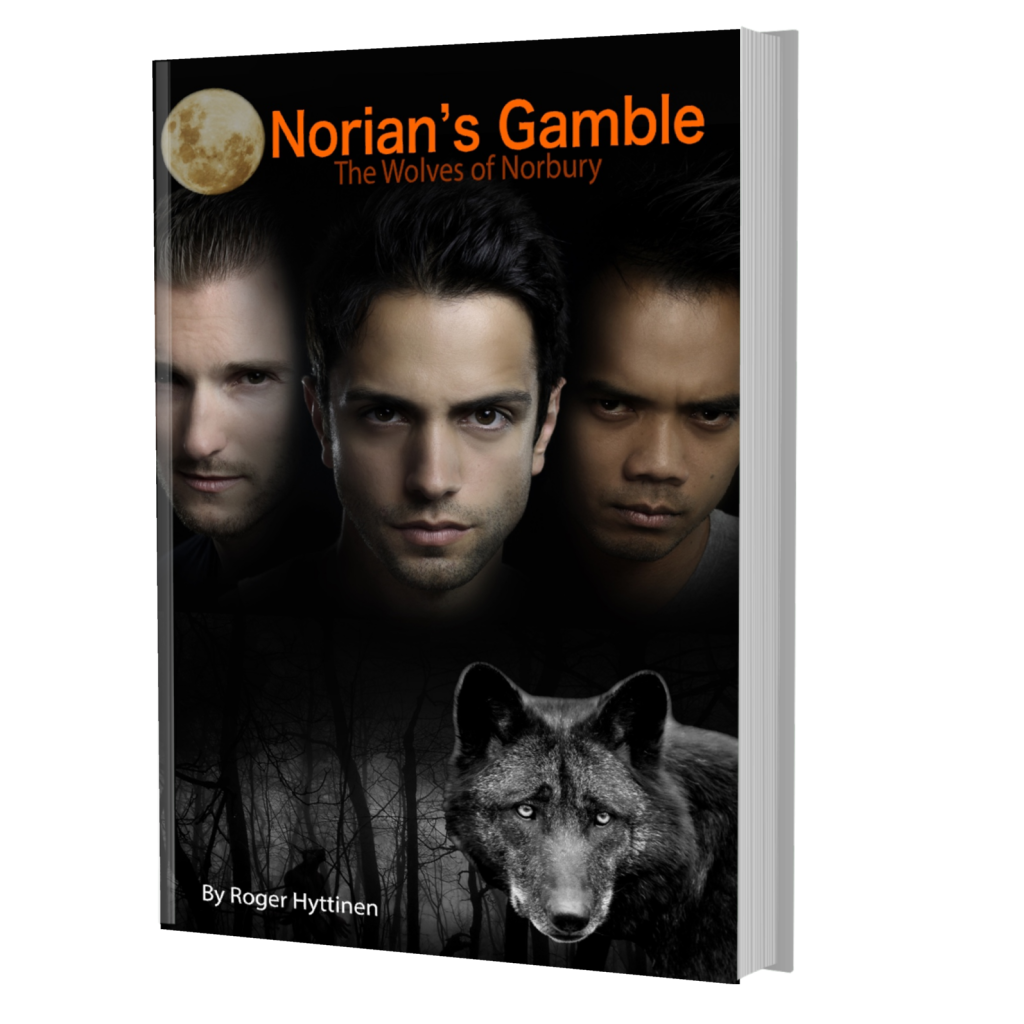
Author name: Roger Hyttinen

16 Queer Indie Romance Writers You Should Be Reading

Two attractive men about to kiss

So, remember a while back when I did that post on 15 Queer Indie Authors (mostly sci-fi and fantasy folks, because, well, you know me—I get a little starry-eyed over spaceships and alternate universes)? A bunch of you messaged me and said, “Hey, that’s cool, but where’s the romance?” Fair point. Romance is basically the beating heart of indie publishing, and I didn’t want to leave all you lovebirds hanging. So here we are—this is my follow-up: 15 queer indie romance writers who deserve space on your e-reader (and maybe in your heart).

And yes, I tried to sprinkle in as many male authors as I could find, since sometimes it feels like gay romance by men gets a little overshadowed. Balance, my friends. Balance.

1. Brandon Witt

Brandon writes heartfelt gay romances that always manage to straddle the line between sweet and gut-punchy. His Rocky Mountain Boys series has small-town vibes with just enough angst to keep you glued.

2. Garrett Leigh

Okay, Leigh is practically indie royalty at this point. They do angst like nobody’s business—moody, wounded guys who somehow still manage to find love in the rubble of their lives. If you want raw, messy, real, Garrett’s your person.

3. Jay Northcote

Jay is like the comfort food of queer indie romance. British settings, warm vibes, and characters you kinda want to hug and then set up on blind dates with your best friend. Solid go-to when you need something cozy but not saccharine.

4. N.R. Walker

A legend in the indie M/M world. From the Red Dirt Heart series to Throwing Hearts, her stories are heartfelt, funny, and full of chemistry. Walker always nails the banter.

5. A.E. Via

If you like your queer romance with a little more heat and a lot of alpha energy, A.E. Via is your ticket. Her Nothing Special series (gay cops, action, romance, explosions—it’s got it all) has a die-hard fanbase for good reason.

6. Riley Hart

Riley has been writing queer romance long enough to know exactly how to twist your heart like a balloon animal. She does angst beautifully but always lands the happily-ever-after. Broken Pieces series, anyone? Yeah. Bring tissues.

7. Keira Andrews

She’s known for her “forbidden love but make it sweet” vibe. Think: stepbrothers, Amish boys, survival romance—you name it. Her books often walk that edge between “oh no, they shouldn’t” and “oh yes, please let them.”

8. Con Riley

Con’s books feel grown up in the best way. They deal with everyday struggles, careers, and messy families. The Learning to Love series is all about emotional connection, and it’s the kind of romance that makes you sigh in a good way.

9. Anyta Sunday

Known as the queen of slow-burn in queer indie romance. Her Signs of Love series pairs astrology with quirky, adorable characters. If you love that delicious “will they/won’t they” tension stretched out just right—she’s your person.

10. Edmond Manning

This guy deserves way more hype. His Lost and Founds series is quirky, deeply emotional, and… kind of magical, honestly. He writes queer love stories that don’t always follow the traditional romance mold but will leave you changed.

11. Suki Fleet

Tender, emotional, sometimes heartbreaking stories about queer kids and young adults finding love in difficult circumstances. Suki’s books lean lyrical—if you like your romance with a touch of poetry, check her out.

12. E. Davies

Davies is known for sweet, contemporary gay romances with lots of chemistry and plenty of series to binge. His Fated Hearts books are a fan favorite, and he’s great at capturing that “real people falling in love” feeling.

13. T.J. Land

If you’re into something a little spicier and funnier, T.J. writes quirky gay romances that don’t take themselves too seriously. Light, witty, and perfect for a palette cleanser when you’re tired of heavy angst.

14. Daryl Banner

Daryl is multi-talented (he also composes music!), but his queer romances are heartfelt and addictive. He’s particularly good at writing nerdy, vulnerable characters who still manage to bring the swoon.

15. Leta Blake

Okay, rounding things out with Leta Blake because her books often take risks and stand out from the crowd. Her Training Season series is one of those cult favorites everyone whispers about in hushed tones of respect.

16. Hayden Hall

Hayden is one of those authors who writes romance that feels like sliding into your favorite hoodie—comfortable, warm, and just the right amount of sexy. His Hearts & Harbor series is addictive small-town romance at its finest. Lots of longing glances, emotional payoff, and that “ugh, I love them together” kind of vibe.

There you go—16 authors to feed your inner romance goblin. Some of them write angsty sagas, some stick with sweet and low-drama stories, and some just bring the heat. But all of them are worth checking out if you’re in the mood for queer love stories that actually feel alive.

If you read the sci-fi/fantasy list and thought, “Nice, but where are the kisses?”—this one’s for you. And if I missed your favorite queer romance author, feel free to yell at me in the comments. (Kindly yell, preferably. We’re still friends here.)


A Touch of Cedar book cover

Marek thought moving into a ramshackle old farmhouse in Michigan’s Upper Peninsula would be a fresh start for him and his partner. Instead, it awakens something far older—something watching. The air carries the scent of cedar, doors open on their own, and a handsome young stranger appears only to vanish into mist.

When Marek follows the ghost’s call, he’s hurled back to 1870—into a world of rough barns, family feuds, and a tragic murder that shattered the farm forever. Caught between centuries, Marek is torn between saving the past and surviving the present, even as his own relationship begins to crack under the strain.

Part ghost story, part love story, and part time-travel thriller, A Touch of Cedar is a haunting tale of betrayal, redemption, and the bonds that tie souls across time.


16 Queer Indie Romance Writers You Should Be Reading Read Post »

The Coolest Magic Systems in Urban Fantasy Novels (That I Kinda Want to Try IRL)

man in colorful clothes performing magic

So here’s a question I’ve probably asked myself way too often: If I could live inside any urban fantasy universe, which one would I pick based solely on the magic system? Like, not the hot vampires or the broody demon boyfriends or the shady government agencies tracking down witches—just the magic itself. What are the rules? What’s the vibe? And more importantly… would I survive it, or would I be the guy who gets eaten by a trash goblin because I mispronounced a Latin summoning spell?

Anyway. I’ve gathered up some of my favorite urban fantasy (and urban-adjacent) magic systems that I think totally slap (do people still say that? Let’s pretend they do).

The Dresden Files by Jim Butcher: Magic Has Rules (and Consequences)

Harry Dresden is basically a wizard detective in modern-day Chicago, and yes, that’s every bit as fun as it sounds. What I love about The Dresden Files magic system is that it’s rooted in physics—but, like, wizard physics. Magic is energy. You have to understand it, shape it, believe in it. The more intense your belief, the stronger your magic. It’s not just wave-a-wand-and-BOOM, fireball. No, Harry has to actually prepare. Potions? Those take ingredients and intent. Defensive shields? You’ve got to mean it. And breaking the Laws of Magic—like mind control or necromancy? You don’t just get a slap on the wrist. You get hunted down by the White Council. (Kinda like magical IRS agents, but with more fire.)

The Final Empire by Brandon Sanderson (Mistborn Series): Drink Metal, Gain Powers (Yes, Really)

Okay, let’s talk about allomancy. This is the magic system that lives rent-free in my brain. In Mistborn, people can ingest specific metals (like pewter, tin, or zinc) and then “burn” them to activate unique abilities. Pewter gives you enhanced strength, tin heightens your senses, iron lets you pull on metal objects, and steel lets you push off them (which basically turns you into a gritty, coin-flipping Spider-Man). It’s precise. It’s tactical. It’s so. freaking. cool.

And what makes it better? There are actual limitations. You run out of metal? Too bad. You mess up a push-pull trajectory and launch yourself into a wall? Oops. Your enemies know your metal and prep accordingly? You’re toast.

It’s also layered. There’s Feruchemy (store attributes in metal) and Hemalurgy (uh… stab someone and steal powers—yeah, it’s dark). Sanderson’s big on magic systems that are puzzle-box tight, and Mistborn is a shiny example of that.

I know this series is technically Fantasy and not Urban Fantasy but I had to include it ’cause I love the magic system.

 The Magicians by Lev Grossman: Magic as Academic Torture

This one is for all the overachievers who actually enjoyed taking AP Calculus. In The Magicians, you don’t just have_magic. You have to _study it. Painstakingly. Like, fluency-in-ancient-Aramaic level study. Magic here is precise, mathematical, and language-based. If Mercury is rising in a certain quadrant and your hand angle is off by even a few degrees? Spell fails. Or worse—backfires.

Honestly, this system feels like if academia and magic had a baby and then made that baby do homework forever. But it feels real. Magic is hard. It takes sacrifice. It’s earned. And I weirdly respect that.

The Mercy Thompson Series by Patricia Briggs: Shifter Magic + Fae Shenanigans

Mercy isn’t your average witch or spellcaster—she’s a shapeshifter mechanic. But the world around her is full of layered magic. Werewolves have their own rules. Vampires do too. And the fae? Don’t even get me started. The fae magic is wild—it’s based on ancient contracts, glamours, and otherworldly rules that humans do not understand. What makes this system cool is that it’s not centralized—every supernatural group has its own brand of magic. It’s messy and political and steeped in folklore. Which, to me, feels so much more like how a real magical world would work.

Rivers of London by Ben Aaronovitch: Science Meets Sorcery

Imagine if Sherlock Holmes was a wizard cop and had to deal with sentient rivers, magical jazz ghosts, and ancient British goddesses. That’s Rivers of London. The magic system is called “Newtonian Magic” (yes, like Isaac Newton) and is treated like a science. You can test it. You can measure it. And you can blow stuff up if you get it wrong. It’s kind of hilarious and kind of terrifying, but it makes for a really fun, grounded world where being a magician means dealing with bureaucracy and poltergeists.

The Hollows by Kim Harrison: Potions, Charms, and Demon Deals

Rachel Morgan’s world is like… goth Hogwarts for adults who like their magic with a shot of espresso and a side of mayhem. This system is very charm- and potion-heavy, with lots of circle-drawing, blood magic, ley lines, and don’t touch that demon mark unless you want a bad time. Magic costs time, energy, and sometimes your soul (literally). Everything’s a little morally gray, which I love. There’s always a price, and sometimes that price is you.

Other Sanderson-ish Systems You Might Like If You Loved Mistborn

Let’s say you finished Mistborn and now you’re in your “I want rules, logic, and maybe a spreadsheet to explain this magic” phase. Cool. Same. Here are a few:

  • Elantris: Magic based on drawing ancient symbols, but it stops working and no one knows why. Also there’s a cursed city full of undead, so… vibes.
  • Warbreaker: Magic fueled by color and Breath (as in your soul-stuff, not your halitosis). You can bring objects to life if you give them enough Breath. Very fun, very weird, very cool.
  • Foundryside by Robert Jackson Bennett: Scriving—basically magical coding for reality. You rewrite the laws of physics for objects, like tricking a cart into thinking it’s going downhill so it rolls on flat ground. It’s nerdy sorcery and I am INTO IT.

So What Makes a Good Urban Fantasy Magic System?

I think it boils down to three things:

  1. Internal logic. I don’t need a magic rulebook tattooed on the main character’s back, but I do need consistency. If something’s possible on page 12, don’t tell me it’s suddenly impossible on page 198 unless there’s a reason.
  2. Cost. Magic should cost something. Energy. Blood. Memory. Sanity. Your favorite hoodie. Whatever. If magic is too easy, it stops being special.
  3. Personality. The best systems reflect the world they exist in. Whether that world is gritty and noir or quirky and folklore-y, the magic should vibe with it. Like a really good playlist.

Anyway, now I kinda want to go reread all these books and start taking notes for the inevitable day I accidentally open a portal to the fae realm with my French press. If you’ve got a favorite magic system I didn’t mention, tell me. I am always on the hunt for more magical mayhem.

The Coolest Magic Systems in Urban Fantasy Novels (That I Kinda Want to Try IRL) Read Post »

A Love Letter to Queer Coming-of-Age Films

young male couple at outdoor theater

I don’t know about you, but the first time I saw a queer character on screen who actually felt like me, it was like someone cracked open a secret door I didn’t know existed. For me, that moment was watching Beautiful Thing on a scratchy VHS tape I’d rented from the one indie video store in town that dared to have a “Gay/Lesbian” section hidden behind the foreign films. I must’ve been fifteen or sixteen, sitting cross-legged on the carpet, lights off, terrified my mom might walk in, and there it was: two awkward boys, figuring out who they were, falling in love without the world immediately ending. I swear I held my breath for the entire runtime.

The First Time Films Saw Me Back

Queer coming-of-age movies are like time capsules for emotions. They’re messy, tender, sometimes tragic, sometimes giddy, but always—always—honest. Watching Moonlight for the first time, I felt this ache in my chest that didn’t quite go away for days. That moment on the beach? You know the one. It felt like the kind of intimacy we were never supposed to see on screen, but there it was—quiet, vulnerable, devastatingly beautiful.

Then there’s Love, Simon, which I’ll admit I went into with a bit of side-eye because I thought it might be too glossy, too safe. But honestly? I cried. Like full-on ugly cried. Because here was a mainstream teen rom-com, backed by a major studio, letting a gay kid have the Ferris wheel kiss he deserved. Fifteen-year-old me would’ve killed for that movie. Instead, I had American Pie and an endless parade of “token gay best friends” played for laughs.

And let’s not forget Call Me by Your Name. The Italian sunlight, the peaches (yes, those peaches), the ache of first love wrapped in art and languid summer days. That final shot of Timothée Chalamet crying by the fireplace might be one of the most accurate depictions of heartbreak I’ve ever seen on screen.

The Messy Middle Ground

Not every queer coming-of-age film is soft-focus and affirming. Some are chaotic and raw, and that’s part of why I love them. Pariah absolutely gutted me in the best possible way. It’s about identity, family, and the jagged edges of growing up when your truth doesn’t match the script your parents wrote for you.

Or take The Miseducation of Cameron Post. It’s not an easy watch—conversion therapy never is—but there’s something incredibly defiant about the way it balances trauma with friendship and resilience.

Blue is the Warmest Color might be divisive (and rightfully criticized for how it was made), but for a lot of folks, it cracked open conversations about queer first loves and obsession. Similarly, Tomboy—about a French child navigating gender identity—hit me with such gentle honesty. Céline Sciamma has a gift for capturing adolescence in all its messy, questioning glory (Water Lilies deserves a nod here too).

Mysterious Skin is another one that doesn’t flinch. It’s haunting, painful, and deeply unsettling, but it tackles trauma in a way that feels brutally honest. Same goes for God’s Own Country, which somehow manages to mix heartbreak, mud, tenderness, and hope all in one windswept Yorkshire farm setting.

And Maurice—based on E.M. Forster’s novel—remains one of the most quietly radical queer love stories ever put to film.

The Quirky Comforts

Sometimes, though, I want my queer teen stories to be weird and a little awkward—because, let’s be real, being a teenager is weird and awkwardEdge of Seventeen (the 1998 one, not the Hailee Steinfeld one) was another VHS discovery for me, and it remains one of my favorites.

Then there’s But I’m a Cheerleader—camp, satire, bubblegum-pink absurdity—and yet, underneath all the silliness, it nails the reality of compulsory heterosexuality and how ridiculous (and damaging) those expectations are.

Other films in this camp? Geography ClubGBFAlex StrangeloveCrush, and the Brazilian gem The Way He Looks, which is basically a warm hug of a film.

The Quiet Gems

Some films never make the mainstream but deserve love. North Sea Texas, a small Belgian film, is beautifully understated and tender. Summer of 85 (French, dramatic, seaside) captures teenage obsession and grief in a way that hit me harder than I expected.

Closet Monster—with its surreal touches (yes, that hamster voiced by Isabella Rossellini)—is one of the most inventive portrayals of queer fear and desire I’ve ever seen.

My Beautiful Laundrette (1985) deserves its flowers too—an interracial gay romance set against Thatcher-era tensions in London.

I also can’t not mention My Own Private Idaho. River Phoenix and Keanu Reeves wandering through street hustling, Shakespearean monologues, and desolate highways—messy, tragic, beautiful. Same goes for Beau Travail—queer desire wrapped in French Foreign Legion uniforms and hypnotic dance sequences.

And if we’re talking groundbreaking, Torch Song Trilogy and Milk both deserve special status. The first gave us Harvey Fierstein’s wry, biting, devastatingly human portrait of love and loss. The second (with Sean Penn as Harvey Milk) gave us a history lesson in activism that still inspires me to this day.

Why These Films Matter

The thing about queer coming-of-age films is that they don’t just tell stories—they give permission. They whisper, “You’re not the only one.” When I was a teenager, that whisper was everything. Today, I think about some kid in a small town scrolling through streaming platforms, stumbling onto HeartstopperAnything’s Possible, or Saturday Church, and feeling seen for the first time.

Even now, I still devour these movies. They remind me of all the versions of myself I’ve been: the scared kid hiding DVDs under my bed, the young adult finding courage in messy indie films, the grown-up who can finally laugh, cry, and cheer along without shame.

So yeah, this is my love letter to queer coming-of-age films. To the VHS tapes, the festival indies, the Netflix originals, the Milwaukee LGBT Film Festival (RIP), the hidden gems, and the big glossy rom-coms. You held my hand when no one else did. You cracked open doors I didn’t know I was allowed to walk through. And you still keep reminding me that queer joy, queer pain, queer first loves—they all matter, and they all deserve to be told.

Thanks for listening to me gush. Now tell me—what was your first queer coming-of-age film?


Queer Coming-of-Age Starter Pack (A Non-Comprehensive but Totally Loving List)

  • Beautiful Thing (1996)
  • Moonlight (2016)
  • Love, Simon (2018)
  • Call Me by Your Name (2017)
  • Pariah (2011)
  • The Miseducation of Cameron Post (2018)
  • Blue is the Warmest Color (2013)
  • Tomboy (2011)
  • Water Lilies (2007)
  • Mysterious Skin (2004)
  • God’s Own Country (2017)
  • Maurice (1987)
  • Edge of Seventeen (1998)
  • But I’m a Cheerleader (1999)
  • Geography Club (2013)
  • GBF (2013)
  • Alex Strangelove (2018)
  • Crush (2022)
  • The Way He Looks (2014)
  • North Sea Texas (2011)
  • Summer of 85 (2020)
  • Closet Monster (2015)
  • My Beautiful Laundrette (1985)
  • My Own Private Idaho (1991)
  • Beau Travail (1999)
  • Torch Song Trilogy (1988)
  • Milk (2008)

A Love Letter to Queer Coming-of-Age Films Read Post »

Looking Foolish, Looking Great

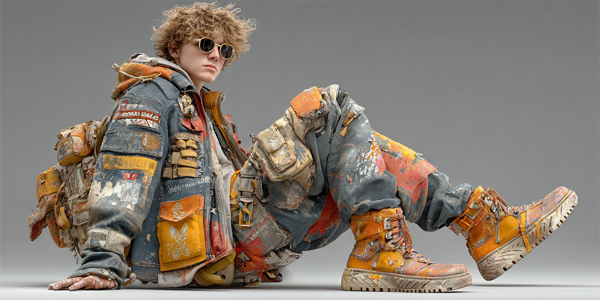
Photorealistic image of single young man dressed outlandishly

Okay, so Cher once said, “Until you’re ready to look foolish, you’ll never have the possibility of being great.” And honestly? That’s one of those quotes that just crawls under your skin, hangs out for a while, and then suddenly smacks you upside the head when you least expect it.

I mean, who hasn’t chickened out of doing something because we were terrified of looking like an idiot? Me, many times. Karaoke nights, new dance classes, even daring to post my first piece of writing online—each one was a battle between “this could be fun” and “oh no, what if people laugh at me?” Spoiler alert: sometimes they did laugh. And yet, that’s where the magic happens.

The Fear of Foolishness

The thing about looking foolish is that it’s wired deep into us, like a bad ringtone from the early 2000s we can’t uninstall. Nobody wakes up thinking, “Today, I hope I embarrass myself in front of strangers!” But here’s the rub—avoiding foolishness usually means avoiding growth. It’s like living life with the training wheels still on your bike when deep down you know you’re ready to coast down the street with no hands, hair blowing in the wind, yelling something ridiculous like “I’m king of the cul-de-sac!”

Looking foolish is the down payment for greatness. You can’t skip it.

Cher Knows Stuff

Let’s be real: Cher is not exactly someone you’d associate with playing it safe. This is a woman who wore a full-on feathered headdress and sequins on TV when everyone else was still ironing their collars. She’s reinvented herself more times than I’ve reorganized my desk (and trust me, my desk has moods). If she says you’ve got to risk looking foolish, I’m inclined to listen.

My Foolish Resume

Okay, confession time. My personal foolish résumé is long. Here are some highlights:

  • First Zumba class I taught: forgot half the choreography and ended up improvising a move I now call “panicked grapevine.” The students laughed, but you know what? They came back.
  • Trying to speak French in Paris once: I asked for “pain de chocolat” (bread of chocolate) instead of “pain au chocolat.” The baker gave me the side-eye of doom. But he also gave me the pastry. Worth it.
  • Publishing my first book: I hit “publish” and immediately thought, “Oh no. Everyone’s going to think I’m full of myself.” Instead, people actually bought it. Some even liked it!

See? Foolishness didn’t kill me. In fact, every time I stumbled, it shoved me closer to being better.

Famous Fools Who Became Legends

Here’s the fun part: the greats didn’t start out looking polished. They looked, well… kinda foolish.

  • She-Who-Shall-Not-Be-Named got rejected by twelve publishers before Harry Potter found a home. Can you imagine pitching a book about a boy wizard living under the stairs, and everyone’s like “nah, pass”? Bet that felt foolish. But without those nos, we wouldn’t have Hogwarts.
  • Lady Gaga used to perform in dingy New York clubs wearing bizarre, handmade outfits that made people roll their eyes. People thought she was weird. She leaned into it. Now she’s got Grammys, Oscars, and a meat dress in the Rock & Roll Hall of Fame.
  • Steve Jobs got laughed at when he insisted on making computers “beautiful.” People said, “It’s a machine, Steve, not a piece of art.” Guess who’s holding iPhones right now? Yeah.
  • Oprah was told she was “unfit for television.” Imagine if she had listened. We’d all be Oprah-less, and the world would be a little dimmer without her couch-jumping guests and book club picks.
  • Albert Einstein—get this—was considered slow as a child and didn’t speak fluently until around age four. Teachers thought he was dull. Foolish? Maybe. Great? Definitely.

What ties them all together is that willingness to look silly, to be dismissed, to be underestimated. And instead of hiding from it, they carried on, head held high, even if their shoes were untied.

Why We Need Foolishness

Greatness doesn’t spring fully formed from our heads like Athena from Zeus’s forehead. (Imagine the headache.) It’s messy, clumsy, awkward. Looking foolish means you’re trying something new, stepping off the well-worn path, and planting your flag in unknown territory.

Think about it: babies look foolish trying to walk. Teens look foolish figuring out their style. Artists look foolish showing off their early sketches. But without those stumbles, nobody ever becomes graceful, stylish, or skilled.

How to Lean Into It

So, how do we actually do this whole “embrace foolishness” thing without curling up into a ball? A few tricks I’ve learned:

  1. Laugh at yourself first. If you trip in public, make it part of the show. (Bonus points if you bow.)
  2. Collect your bloopers. Keep a mental list of times you looked silly. Later, they become great stories—sometimes even icebreakers.
  3. Remember nobody’s watching as closely as you think. Seriously. Most people are too busy worrying about their own foolishness.
  4. Channel your inner Cher. If she can wear a naked illusion gown on the red carpet in 1988, you can probably handle fumbling a Zoom presentation.

The Payoff

Here’s the good part: once you get comfortable with looking foolish, you stop caring quite so much about what other people think. And that’s where real creativity starts kicking in. Suddenly, you’re singing louder, writing bolder, dancing wilder, loving harder. You’re not tiptoeing through life—you’re strutting.

Cher nailed it: foolishness is the toll booth you pass through on your way to greatness. And the best part? The toll’s usually just your ego, and honestly, that thing can afford to be downsized.

So, next time you’re about to shrink back because you think you’ll look ridiculous—remember Cher. Lean into the foolishness. Who knows? Greatness might be right around the corner, feathered headdress and all.


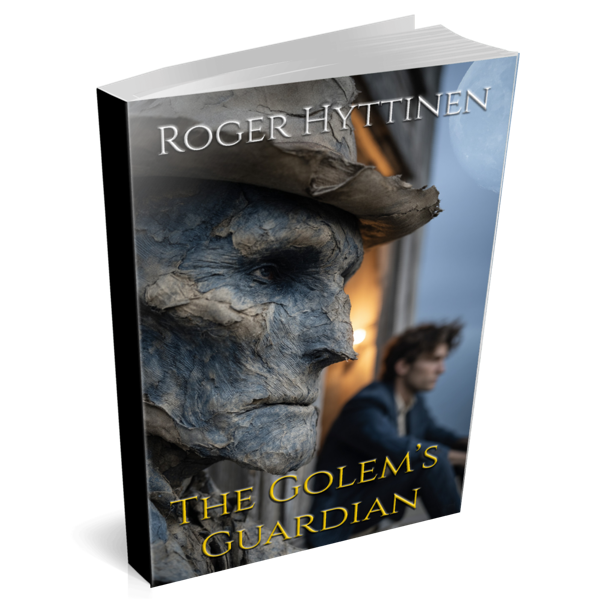
book cover for The Golem's Guardian

Looking Foolish, Looking Great Read Post »

Living Outside the Box of Expectations

man standing in fron of 7 doors of different colors

So Bruce Lee, in all his lean, lightning-fast glory, once said: “I’m not in this world to live up to your expectations, and you’re not in this world to live up to mine.” Every time I read that, I feel like he’s looking directly at me—probably side-eyeing me, actually—like, “Hey buddy, stop twisting yourself into a pretzel just to make everyone else happy.”

And honestly? That hits.

The Sticky Web of Expectations

I don’t know about you, but I’ve spent way too much of my life playing the expectation game. Family expects one thing, friends another, society a whole buffet of “shoulds.” You should get a certain job. You should date a certain type of person. You should buy the house with the lawn and the matching mailbox. (Meanwhile, my dream mailbox would probably have a gargoyle perched on top, glaring at the mailman, so yeah—expectations and I don’t really vibe.)

What Bruce is saying isn’t just about rebellion for rebellion’s sake—it’s about freedom. Living up to someone else’s expectations feels like carrying around a backpack full of bricks. At some point, you either collapse under the weight or you shrug the whole thing off and walk away lighter.

The Messy Business of Being Yourself

Of course, the fun part about living outside expectations is that it’s messy. You don’t get a tidy roadmap. People give you that look—you know the one, the mix of confusion and mild disappointment, like you just told them you prefer pineapple on pizza or that you never watched Game of Thrones.

When I first started writing, I worried so much about what people would think. Should I write something “marketable”? Should I tone down the queer characters? Should I make my stories a little less… weird? (Spoiler: no, no, and absolutely not.) And here’s the kicker—when I finally stopped caring about writing what people “expected,” my work actually started resonating with the people who mattered. The ones who got me.

Expectation Is a Two-Way Street

The second part of Bruce’s quote is sneaky important: “…and you’re not in this world to live up to mine.” That’s the part we sometimes forget. It’s so tempting to judge people when they don’t align with our script for them. I’ll admit it—I’ve caught myself thinking, “Why can’t so-and-so just do it this way? My way? The obviously right way?”

But Bruce is basically handing us a hall pass for humanity. He’s saying: cut people some slack. Don’t expect them to orbit around your little planet. They’re the star of their own weird, messy, beautiful show, just like you are.

A Life Less Scripted

I think about this every time I do something that feels a little off-script. Like, the day I decided I’d rather spend money on French lessons than a new gadget. Or the time I started a project everyone said wouldn’t sell, but I did it anyway because it made me happy. There’s a strange peace that comes with knowing: hey, I’m not here to meet your checklist, and you’re not here to tick boxes for me.

It’s kind of liberating when you realize the only person you really have to impress is yourself. And even that can be tricky—I’m a tough critic of my own stuff—but at least I’m playing by rules I set, not ones handed down by some invisible committee of “acceptable life choices.”

Why Bruce Was Right (and Why It Matters Now)

Bruce Lee was a martial artist, sure, but he was also a philosopher in a tank top. He understood something we’re all still grappling with: expectations are invisible chains. You can spend your whole life rattling against them, or you can just, you know, snap them and walk out the door.

The world’s loud with voices telling us what we should be, how we should act, who we should love, what success should look like. But when you strip all that noise away, you’re left with a quieter, more honest truth: we’re just here to live, not to perform.

And maybe that’s what Bruce was really getting at. Life isn’t about role-playing someone else’s script. It’s about writing your own—typos, detours, gargoyle mailboxes and all.


Thanks for hanging out with me for this little ramble on Bruce Lee wisdom. Now I kind of want to tape that quote to my fridge, just to remind myself every time I reach for leftovers that I’m not on this planet to meet anyone else’s standards. (Unless the standard is not eating the last donut without offering it to someone first. That’s just basic manners.)

Living Outside the Box of Expectations Read Post »

Weekly Roundup for Sept 12, 2025

Weekly Roundup

Doing Things a Bit Differently This Time

So here’s a little secret—I’m this close to showing you the first novel in my brand-new Detective Noir series. (Imagine me holding my fingers an inch apart while grinning like a kid who knows there’s cake in the fridge.) But here’s the thing: I’ve decided to experiment a bit with how I release it. For the first six weeks, the book will live exclusively on my website. Yup—ebook, paperback, and even the large-print edition will be hanging out there and nowhere else. Think of it as a “speakeasy release.” Knock on my door, I’ll let you in.

After that six-week mark, the ebook will make its way over to Amazon’s Kindle Unlimited program, because let’s face it—KU is like the bustling train station of the book world. The ebooks will be exclusive to Amazon once they move, but the paperbacks will still be easy to grab at your favorite online shops if that’s your vibe.

I’m equal parts nervous and excited about this shift. Nervous because… what if it’s just me and three ghosts buying the book off my site? Excited because it feels more personal, like I’m inviting readers straight into my writing room before the rest of the world gets a peek. And honestly, that kind of intimacy feels right for a moody noir series.

Random fact break because my brain is wired that way: Did you know the word noir literally means “black” in French? (Collins Dictionary backs me up on this: source). Perfectly on-brand for my shadowy detective world, don’t you think?

Anyway, keep your eyes peeled because the cover reveal is coming soon, and I’m not exaggerating when I say it might be my favorite one yet.

Oh, and while I have your attention – have you checked out “The Golem’s Guardian” yet? If you haven’t gotten your hands on a copy, you can snag one HERE. I’m still pretty excited about how that one turned out.

Some Things I Thought Were Worth Sharing

An article for my author friends about your book’s opening scene: 4 Signs You Might Be Confusing, Not Intriguing, in Your Opening Scene http://blog.janicehardy.com/2018/07/4-signs-you-might-be-confusing-not.html

My writer friends may find this of interest: How Writing in Community Can Forge Friendships and Evoke Change https://lithub.com/how-writing-in-community-can-forge-friendships-and-evoke-change/

Just for fun: 47 Times “Dude With Sign” Did Everyone A Public Service And Protested Everyday Annoying Things https://www.boredpanda.com/clever-dude-with-sign-protesting-annoying-things-msn/

I love me a gay ghost horror flic: A closeted man’s secret cabin hookup gets haunted by ghosts & more in this indie horror https://www.queerty.com/watch-a-closeted-mans-secret-cabin-hookup-gets-haunted-by-ghosts-more-in-this-indie-horror-20250902/

My author friends may find this article about why your books needs a subplot of interest https://diymfa.com/writing/why-your-book-needs-a-subplot/

My writer friends may find this of value: Maximize Your Amazon Author Page: A Guide for Writers https://alisonwilliamswriting.com/2025/09/01/maximize-your-amazon-author-page-a-guide-for-writers-mondayblogs/

A trailer for a new gay series coming to Netflix: First Look at Netflix’s BOOTS, a Gritty and Queer Coming-of-Age Story https://gayety.com/netflix-boots-series-teaser-trailer

I’d like to see this one: Old friends give into desire in this colorful & musical Brazilian rom-com https://www.queerty.com/watch-old-friends-give-into-desire-in-this-colorful-musical-brazilian-rom-com-20250904/

This film is now on my list: Two rugged fishermen fall in love in new drama ‘On The Sea,’ which explores masculinity & desire in remote Wales https://www.queerty.com/two-rugged-fishermen-fall-in-love-in-new-drama-on-the-sea-which-explores-masculinity-desire-in-remote-wales-20250820/

My author friends may find this article about book marketing of value: Book Marketing: Basic Elements Matter More Than You Think https://writersinthestormblog.com/2025/09/book-marketing-basic-elements-matter-more-than-you-think/

My author friends may find this of value: The Ultimate Writing Glossary (Story Structure, Character Arcs, and More) https://www.helpingwritersbecomeauthors.com/writing-glossary/

I love these kinds of stories: Real Glitches In The Matrix That Might Freak You Out, As Shared By People Online https://www.boredpanda.com/strange-glitch-matrix-experiences/ GlitchInTheMatrix

My instincts saved me! Times People Trusted Their Instincts And Avoided Major Regret https://www.boredpanda.com/gut-instinct-intuition-stories/

Ever wonder what the lives of influencers are like? People Who Are Friends With Influencers Are Revealing What Their Lives Are Really Like https://www.boredpanda.com/friends-of-influencers-share-secrets-msn/

A little mysticism just for fun— “She Pulled That From Thin Air”: 30 Things Psychics Predicted That Ended Up Becoming True https://www.boredpanda.com/things-psychics-told-came-true/


A Touch of Cedar — A ghost in the present….a murder in the past…a time-traveling adventure: Marek puts on an old suit he finds in the attic & is transported back to the year 1870 where he has to solve a 150-year-old murder.

Weekly Roundup for Sept 12, 2025 Read Post »

Scroll to Top