Author name: Roger Hyttinen

The Best Queer Horror Films That Actually Scared Me (and Didn’t Suck)

two young men watching a horror film at cinema

Because gay horror lovers need more than subtext and sad metaphors

Okay, look — being a queer horror fan is sometimes like begging for scraps at the world’s saddest buffet. “Oh, you want representation and good storytelling and maybe an actual scare or two? How dare you.” Most of the time we’re tossed haunted-conversion-camp metaphors (ugh) or that one tragic gay couple who predictably dies 25 minutes in so the straight characters can Feel Something.

But every so often, the horror gods slide a little gem under the door. The kind that makes you clutch the blanket _and_feel seen (not in the creepy ghost way, in the emotional oh-my-God-they’re-gay-like-me way). So here are the queer horror films that actually creeped me out and didn’t make me roll my eyes so hard I pulled a muscle.

Spiral (2019)

This one is basically “Get Out” but make it gay. We’ve got a queer couple and their daughter moving to a nice, quiet suburb (because that always goes well). Spoiler: it absolutely does not go well. The neighbors are super friendly…like too friendly. Things get culty. Paranoia builds. And the social commentary doesn’t feel shoehorned in — it’s woven through the dread in a way that feels way too real. I didn’t sleep great after watching it. So there’s that.

Hellbent (2004)

Yes, it’s campy. Yes, it’s very early-2000s (there is gelled hair, be warned). But it’s also one of the first slasher films with a group of openly gay characters who — imagine this — actually feel like human beings. Is it groundbreaking cinema? No. Does it deliver Halloween-night vibes, sexy costumes, and a masked killer stalking gay men at a West Hollywood carnival? Absolutely. And honestly, the kill scenes are genuinely tense. Like… I caught myself holding my breath a few times.

Lyle (2014)

This is basically Rosemary’s Baby, but lesbian and extremely low-budget. And somehow, that lo-fi vibe makes it even creepier? Gaby Hoffmann gives a performance that had me yelling at the screen at 2am. It’s slow burn, psychological paranoia, “everyone is against me” energy — but holy hell, it builds. By the end I was sweating like I’d done cardio. Which I had not.

They/Them (2022)

Okay please don’t run away — I know a lot of queer folks side-eyed this one because of the gimmicky title and the fact that queer trauma is already exhausting. But hear me out. It surprised me. Like, yes, it uses a conversion camp setting (sigh), but it also throws in an actual slasher and lets the queer characters have agency and personality. Also, Kevin Bacon is terrifying. Probably the scariest he’s been since Footloose.

Thelma (2017)

Not technically horror in the jump scare sense — it’s more supernatural/psychological — but the creepy tension is so thick you could spread it on toast. It’s about a sheltered Norwegian woman who realizes her repressed emotions (and sexuality) might be causing psychic weirdness. There are seizures. Birds crash into windows. Reality goes sideways. It’s gorgeous and unsettling. And yes, it’ll make you question whether you’re secretly telekinetic.

Scream, Queen! My Nightmare on Elm Street (2019)

Okay, technically this is a documentary, but hear me out — it’s basically real-life queer horror. It follows actor Mark Patton (the lead from A Nightmare on Elm Street 2) and explores how the film accidentally became a super-gay cult classic… and more importantly, how the homophobia of the 80s basically torpedoed his career. It’s fascinating, heartbreaking, and honestly kind of terrifying in a “society is the real monster” way.

The Haunting of Bly Manor (2020)

Fine, it’s technically a series. But the slow-burn gothic horror and absolutely devastating queer love story makes it 100% worth including. Also, I still occasionally think about that faceless ghost at 2am and immediately regret my life decisions.

Raw (2016)

French coming-of-age cannibalism with a bisexual subtext so thick it might as well be plaintext. It’s not _explicitly_queer… but the sexual awakening angle and I-might-eat-you tension gives it a real sapphic energy. Also, it’s completely gross and unsettling in the best possible way. I legit had to look away a couple of times.

The Perfection (2018)

Two female cello prodigies. Intense sexual chemistry. Violent revenge. Body horror. Psychological mind games. It keeps reinventing itself every 20 minutes, and by the end you’re basically screaming “WHAT IS EVEN HAPPENING” — but in a good way. Queer chaos energy all the way through.

High Tension / Haute Tension (2003)

Classic French slasher with one of those endings people still argue about. Heavy queer subtext (some would say…text), ridiculously brutal kill scenes, and a lot of sweaty, nerve-shredding tension. It’s divisive, but it definitely doesn’t _suck_and it 100% scared me.

Bodies Bodies Bodies (2022)

Gen Z, bisexual chaos, murder in a mansion during a hurricane, and a very funny critique of fake-woke friend groups. It’s technically a horror-comedy, but it still has legit tension and one of the best “queer panic” fight sequences I’ve seen. Also, the ending? hilarious AND slightly traumatizing.

Why These Hit Different

There’s something deeply powerful about seeing queer characters in horror who aren’t just metaphors or jokes. These films basically say: your identity is not the horror — the world around you is. And let’s be honest, that’s way more terrifying than another sad coming-out allegory with ghost makeup.

Also, on a personal level? It’s nice not to have to interpret every shadowy figure as “the embodiment of internalized homophobia.” Sometimes a murderous cult is just a murderous cult. Love wins, but sometimes murder wins too, and that’s honestly kind of refreshing.

Honorable Mentions (Because I’m Incapable of Leaving Things Out)

  • Knife+Heart — stylish AF, like if Dario Argento took a queer film class
  • The Retreat — lesbians vs serial killers in the woods (yes, I said lesbians vs serial killers and yes, it’s as entertaining as it sounds)
  • Bit — trans vampire girlboss supremacy

Anyway. If you’re a fellow queer horror fan who’s tired of subtext and tragic metaphors, put these on your “watch with lights off and snacks prepared” list. Then message me when you’re inevitably freaked out and yelling “NOPE” at the screen (especially during Spiral).

Stay spooky!

The Best Queer Horror Films That Actually Scared Me (and Didn’t Suck) Read Post »

15 Queer Indie Authors You Should Be Reading Right Now

man working on a project at computer

You know that feeling when you stumble across a book so good, so unhinged in all the right ways, that you just kind of sit there, blinking, like, “WHERE HAVE YOU BEEN ALL MY LIFE?” Yeah. That. That’s what queer indie authors are doing right now—quietly (and sometimes loudly) changing the game, one page at a time.

I’m talking vampires who hate their feelings, trans witches making deals with demons, queer romance that doesn’t fall into tired tropes, and chosen families that feel more real than the last three conversations I had with my extended relatives.

So let’s shine a slightly chaotic but very loving spotlight on 15 LGBTQ+ indie authors who deserve your eyes, your bookmarks, and your slightly sweaty emotional investment. Let’s go.

1. TJ Klune

Okay, yes, he’s not that indie anymore, but he was, and that counts. Klune’s blend of queer identity, humor, found family, and heartbreak that makes you ugly-cry in your car (been there) changed the landscape. The House in the Cerulean Sea? Iconic. Under the Whispering Door? Grief but gay. And Wolfsong? Queer werewolves, enough said.

2. N.E. Davenport

Ever want a queer space fantasy with high-stakes political intrigue, sexy danger, and characters who make deeply questionable decisions (relatable)? Meet Davenport. Their books lean into sci-fi with Black queer leads and themes of identity, trauma, and self-ownership.

3. K.A. Merikan

These two (yes, it’s a writing duo!) are the chaotic-good older siblings of the queer dark romance world. Leather-clad, bloodstained, tattoo-covered queer biker gangs? Gay historical pirates? Yep. Their work is gritty, sometimes brutal, sometimes soft—but always intensely readable.

4. David R. Slayton

I’m convinced White Trash Warlock is what would happen if Supernatural were gay, emotionally intelligent, and actually let its characters have feelings. Slayton writes Southern gothic fantasy with queer protagonists who are messy and lovable in equal measure.

5. C.L. Polk

You like queer noir fantasy with political scheming and forbidden love? Polk is your human. Witchmark blends magic, class tension, and gay yearning in a way that hits just right. I inhaled it in two sittings and then stared into the void thinking about tea, trench coats, and class warfare.

6. J.S. Fields

Imagine if fungi were sexy. No, wait, stay with me. Fields writes queer eco-fantasy about lesbians in space who have feelings and science degrees. There’s biology, there’s body horror, there’s love. It’s weird in the best possible way.

7. A.E. Osworth

Nonbinary authors writing experimental queer cyberpunk? YES PLEASE. We Are Watching Eliza Bright is a sharp, funny, and rage-filled exploration of tech culture, harassment, gender, and power. It’s like Reddit meets feminist literature and then throws a chair through the window.

8. R. B. Lemberg

Their Birdverse stories are lyrical, deeply thoughtful, and unapologetically queer. Nonbinary magic users, quiet resistance, and the kind of prose that makes you want to slow down and feel every syllable. (Also, the covers are stupidly pretty.)

9. Katrina Jackson

Queer polyam romance with a heaping side of smut and softness. Katrina Jackson doesn’t shy away from sex, but she also delivers emotional depth and actual relationship dynamics. She writes like she’s throwing you a very gay, very inclusive dinner party—and everyone’s invited.

10. Megan Bannen

The Undertaking of Hart and Mercy is one of those books where you laugh, cry, and maybe develop a crush on a grumpy demigod who collects dead bodies. Not technically indie anymore but still flying under the mainstream radar—and absolutely queer enough to be here.

11. RoAnna Sylver

Post-apocalyptic stories with disabled, queer, trans leads? Sylver’s Chameleon Moon series gives me X-Men meets Mad Max but make it kind. Hopepunk at its finest. The writing is punchy and smart, and the characters will lodge themselves in your heart like glitter in your carpet.

12. Marshall Thornton

If you like your queer fiction with a noir vibe, Thornton’s Boystown mystery series is an underrated gem. Think old-school gay detective fiction that’s actually written with affection and insight—not stereotypes.

13. Adrian J. Smith

Smith serves up lesbian action-romance with FBI agents, murder investigations, and just enough angst to keep your eyeballs glued to the page. It’s like popcorn with feelings.

14. M.L. Greye

Their fantasy world-building is delicious. Queer characters, complex magical systems, and tension that builds like a thunderstorm you didn’t realize was coming. They’re on the rise, and I’m here for it.

15. Jay Bell

Something Like Summer is a queer coming-of-age romance classic in the indie world. It’s sweet and sad and sometimes frustrating, but in the best “I care about these fictional idiots too much” kind of way. Bell’s writing hits that emotional soft spot and keeps pressing.

So, yeah…

There are so many more queer indie voices out there doing the absolute most—writing stories that don’t get filtered through a corporate boardroom before hitting the page. These authors are out here showing up for us, writing for us, and giving us the kind of messy, beautiful, angry, joyful, weird, human stories we’ve always needed.

So yeah, buy their books. Request them at your library. Leave reviews like your opinion actually matters (because it does). And maybe even start writing that weird queer story that’s been living in your brain rent-free. You know the one.

15 Queer Indie Authors You Should Be Reading Right Now Read Post »

Self-Publishing as a Queer Author: What They Don’t Tell You (But Probably Should)

extremely handsome young man short hair writing at desk

First of all, a little disclaimer: in this post, I talk about my own experiences and what I learned. These may be completely different from your own experiences and/or beliefs. And that’s fun. I’m just letting you know where I’m coming.

Okay, now that that’s out of the way…

So, here’s the thing nobody tells you when you gleefully hit “publish” on your first self-published queer novel and think I’m gonna be the next Casey McQuiston and everyone will love me and we’ll all ride off into the rainbow sunset together — the indie publishing world is basically a scrappy underground speakeasy where you have to knock three times and whisper a secret code just to get your foot in the door. And then once you’re in? Someone hands you a broom, points to a dusty corner, and you realize oh this isn’t the party at all, I actually work here.

Don’t get me wrong — I love being a queer indie author. I love being able to put out stories where the gay detective actually survives chapter three and doesn’t spend twenty pages angsting in a dark alleyway. I love writing about trans necromancers and bisexual vampire therapists without some agent telling me to tone it down because “the mainstream market might not get it.” But wow…nobody warned me about the amount of hustling and emotional whiplash that comes with it.

Let’s start with the niche audience thing. In theory, niche audiences sound great. You find your people, you write for them, and you all vibe. In reality, it sometimes feels like screaming into a void that only echoes back “thanks but I only read omegaverse selkie romance”. You can write the best paranormal noir featuring a broody gay detective and a haunted speakeasy (yes, I’m absolutely calling myself out), but unless you manage to put that book in front of the exact person who wanted “1930s Chicago + ghosts + slightly traumatized but emotionally available gay men,” they might never even know it exists.

And that’s where the hustle part kicks in. You become a one-person marketing department: designing graphics even though you barely know how Canva works (I happen to know Photoshop, so I’m lucky there), writing newsletter copy at 2am, trying to figure out how BookTok trends even happen, and posting memes on Bluesky in the hope that people think “haha that’s funny, maybe I should check out his books.” There’s nothing quite like watching someone like your spicy gay meme…but completely ignore the actual buy link you posted directly underneath it, like it’s cursed.

Also, the algorithms absolutely do not care about you. They care about engagement. They care about likes and shares and comments, sure, but only if they happen at precisely 2:37pm on a Tuesday when the moon is in Virgo or some nonsense. One time I spent three hours crafting a post about queerfound family in SFF and it got two likes (one of them was my own mother). Then I posted a blurry photo of my desk and wrote “lol my brain is soup” and suddenly it reached a thousand people. Make it make sense.

Let’s not forget about the gatekeeping disguised as “advice.” Oh, you want to write queer horror? “Well, that doesn’t sell, you should add a female love interest to make it more appealing to everyone.” Thinking about having your gay MC actually stay with his boyfriend? “Maybe consider a bittersweet ending instead, people like trauma arcs.” (Yes, people have actually said this to me.) Sometimes the indie world can feel just as gatekeep-y as traditional publishing, except instead of editors, it’s random Facebook group folks telling you that your book is “too specific.”

But…there’s a beautiful side, too. Like the reader who messages you out of the blue and says “hey, I’d never seen anyone write a queer autistic character in a cozy witch book before and it made me cry in a good way.” Or the moment you realize your tiny little niche audience is actually full of incredibly loyal, passionate people who will read every single thing you put out and scream about it to anyone who will listen. There’s a real sense of community over competition, especially within queer indie circles. People share resources, cross-promote, and hype each other up in a way that still makes me kind of emotional (and maybe a bit feral).

And here’s something I really wish someone had told me upfront: you’re allowed to grow slowly. You don’t have to hit bestseller lists in week one. You don’t have to churn out five books a year or drop $2,000 on ads just to be seen as “serious.” There’s something ridiculously powerful about writing the stories you actually want to write and letting your audience build organically over time — even if it sometimes feels like you’re just yelling into the fog with a megaphone made out of cardboard.

So yeah. Self-publishing as a queer author sometimes feels like trying to sell handmade zines out of the trunk of your car at a farmer’s market where nobody actually came for books at all. But every now and then someone walks by, picks one up, and says “oh wow, this is exactly the thing I didn’t know I needed.” And that, honestly, makes the whole chaotic hustle worth it.

Now if you’ll excuse me, I have to go design yet another Instagram post that says “buy my gay book, I swear it’s good.”


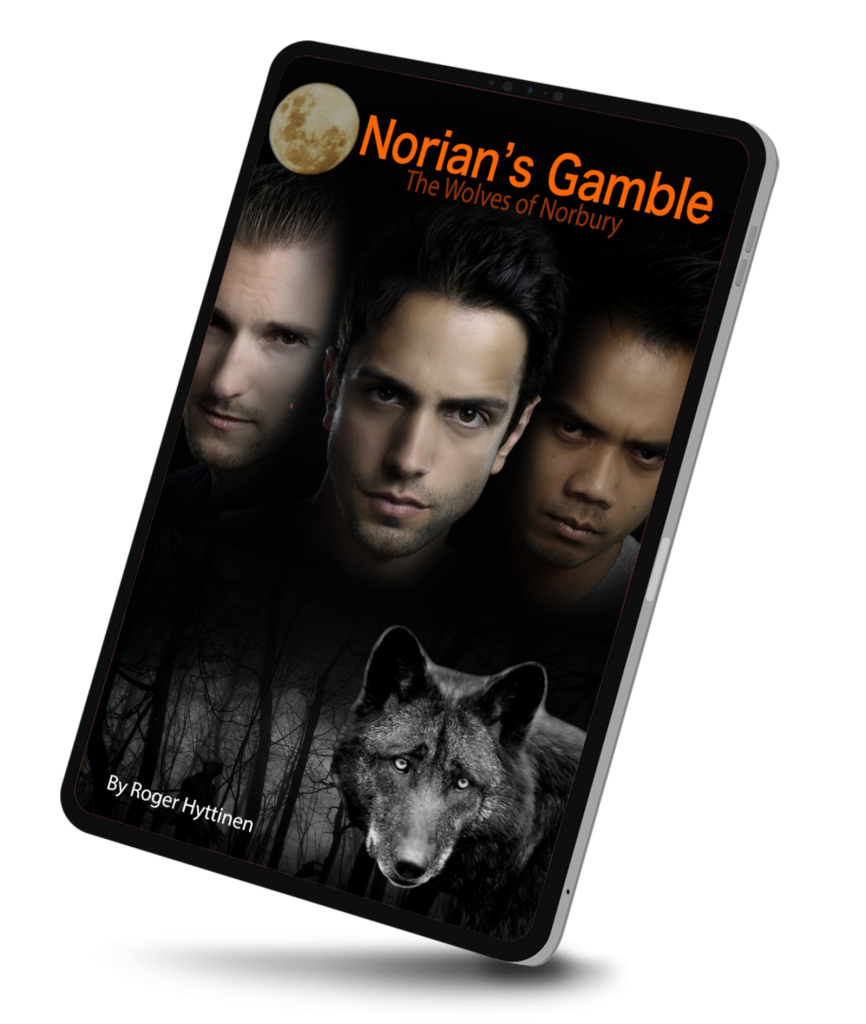
When a werewolf’s bite changes everything, a prince must choose between his crown and his heart.

Prince Norian’s life is shattered in an instant—attacked by a werewolf under a dark sorcerer’s command, he’s thrust into a world he never knew existed. Desperate for a cure, he journeys to the hidden village of Norbury, seeking the legendary Queen of Werewolves.

Instead, he finds Kalen—a mysterious Beta whose very presence ignites something primal within him. As Norian learns to control the wolf inside, he discovers he’s not just any lycanthrope—he’s an Alpha, destined to lead. But with great power comes an impossible choice.

When the evil sorcerer Vadok murders Norian’s father and seizes the throne, Norian must decide: Will he claim his cure and reclaim his human kingdom, or embrace his true nature and fight alongside his destined mate?

With a pack of fierce lycans at his back and the full moon rising, Norian faces his greatest battle yet. But some enemies are closer than he knows, and some secrets run deeper than blood.

In a world where magic and destiny collide, love might be the most dangerous gamble of all.

Norian’s Gamble delivers heart-pounding action, steamy romance, and a hero who must choose between the crown he was born to wear and the pack he was meant to lead.

Self-Publishing as a Queer Author: What They Don’t Tell You (But Probably Should) Read Post »

Let’s Stop Dragging Yesterday Into Today

Young man holding sign that reads "Leave the Past Behind"

Today, I’m chatting about this Ralph Waldo Emerson quote that I love:

“Finish each day and be done with it. You have done what you could. Some blunders and absurdities no doubt crept in; forget them as soon as you can. Tomorrow is a new day. You shall begin it serenely and with too high a spirit to be encumbered with your old nonsense.”

…and honestly? It might just be the emotional life raft we all need right now. I mean, how many of us (myself included) crawl into bed at night replaying every awkward thing we said, all the chores we didn’t get to, and that one tiny typo we posted online that nobody but us even noticed?

Emerson’s basically yelling from the 19th century, “Stop marinating in your screw-ups!”

The Blunders Happen (And They Usually Don’t Matter)

Let’s be real: some blunders and absurdities creep in pretty much every single day. The other day, I sent an email to my editor with the subject line “Final Manuscript!!!” (three exclamation points… why??) and then immediately realized I had attached the wrong file. Like, instead of my perfectly polished draft, I attached a version with half-written scenes and notes like “INSERT SOMETHING CLEVER HERE.”

Did I panic? Yes.
Did I crawl under my desk and think about moving to a remote island? Also yes.
Did anyone die? …No.

Emerson would probably shake his head, pat me on the back, and say, “Forget it as soon as you can, you dramatic fool.” (Okay, maybe he wouldn’t call me a dramatic fool, but I feel like the quote gives off that vibe.)

The Beauty of the Daily Reset

The best part of his quote is that final line: “You shall begin it serenely and with too high a spirit to be encumbered with your old nonsense.”
That’s basically a fancy way of saying don’t drag yesterday’s drama into tomorrow. Burn it. Bury it. Yeet it into the sun.

Think about it—when you wake up after a good night’s sleep, fresh coffee in hand (or tea, if you’re one of those people), the morning always has this ridiculously hopeful energy. Birds chirping, sunlight sneaking through the blinds, everything smelling a little like possibility (and maybe toast). And yet we often ruin it by immediately remembering we forgot to answer Carol’s text or that we tripped over our own feet in front of the neighbors. Why do we do that to ourselves?

Real Examples (Because It Helps)

  • You binge-watched a show instead of writing yesterday? Cool. Yesterday is gone. Write today.
  • You said something kinda dumb in the group chat and now you’re replaying it in your head? Delete the memory. Your friends probably forgot about it 4 seconds after reading it.
  • You ate half a cake at midnight and now you’re convinced you’ve ruined your diet forever? Nope. That was yesterday. Today is salad (or cake again, if we’re keeping it real).

The “Too High a Spirit” Mindset

I love that phrase. “Too high a spirit.”
Like, get yourself so full of optimism, caffeine, and “I got this” energy that your past mistakes literally can’t latch onto you. They try, but they just slide right off because your vibe is too strong. Think of it like wearing emotional Teflon.

What if, instead of waking up and thinking, “Ugh, I messed up yesterday,” you think, “Okay, today is wide open. Let’s see what nonsense I can turn into something awesome”?
(And your new nonsense? That’s tomorrow’s problem. Circle of life.)

So yeah…

Honestly, I kinda want to frame this quote and stick it on the fridge. Or tattoo it on my forehead backwards so I see it every morning in the mirror (a bit extreme, maybe). It’s such a great reminder that we don’t have to carry yesterday like a heavy backpack full of embarrassment and regret.

Drop the backpack. Step into tomorrow like a raccoon breaking into a trash can—confident, fearless, and mildly chaotic… but in a good way.

Here’s to starting tomorrow with ridiculously high spirits!


Nick's Awakening Cover

Sixteen-year-old Nick Michelson thought being a teenager was tough enough—then he started seeing dead people.

When his beloved grandmother dies, Nick begins to experience strange sensations: eerie tingles, ghostly whispers, and unsettling visions. It turns out the “weird” uncle his parents warned him about isn’t so weird after all—he’s a medium. And apparently, so is Nick.

Now, spirits are seeking him out for help crossing over, but not all of them are friendly. One particularly vengeful ghost is stalking a local woman, and Nick might be the only one who can stop him. Thrust into a hidden world of psychic gifts, dark secrets, and supernatural danger, Nick must decide: embrace his calling or run from it?

Read the book that began it all: Nick’s Awakening

Let’s Stop Dragging Yesterday Into Today Read Post »

Don’t Let Your Dreams Melt (Seriously, Grab a Spoon Already)

An exceptionally attracive young man holding an ice cream cone

Full transparency—when I first read the quote “Having a dream you don’t pursue is like buying an ice-cream cone and watching it melt all over your hand” (thanks, Frank Papasso, for the messy visual), I immediately flashed back to one very traumatizing July afternoon when I bought a double-scoop mint chip cone and tried to “walk and eat” while wearing white shorts. Spoiler: the mint chip won. And it definitely melted all over my hand. And knee. And…ugh, let’s not relive that any further.

But honestly, it’s the perfect metaphor. We all do this. We get excited about something—we read an inspiring book, get hit with a genius idea in the shower, or watch a movie and think, “Yep, I’m gonna do that”—and then? Nothing. The dream sits there. Melting. Slowly turning into sticky regret syrup.

Dreams Aren’t Decorative

Dreams aren’t meant to be displayed on a shelf like those dusty Funko Pops we bought during lockdown. They’re meant to be used. Eaten. Savored. (Ideally before they drip down your arm and you end up crying in public.)

I have a friend who’s been talking about starting a podcast for, no joke, six years. SIX. He even bought a mic. He bought two mics just to be extra serious. He has episode outlines. He has a name. He even designed a logo—which honestly looks pretty legit. But the podcast? Still a dream. Still sitting in the “someday” drawer. And every time we talk about it, I can practically hear the theme music of lost opportunities playing in the background.

That’s a melted ice-cream cone moment.

You Gotta Eat It Before It Gets Ugly

You know that feeling when you first get a brilliant idea? It’s like opening the freezer and seeing your favorite ice-cream flavor waiting for you. You’re excited. You’re pumped. But if you just stare at it and never actually… grab a spoon… you’re basically just torturing yourself.

Want to write a novel but “don’t have time”? Same thing. You’ve bought the cone, you’re holding it, and then you keep scrolling TikTok while it drips onto your shoes. Yikes.

Want to travel the world “someday”? Travel doesn’t magically happen. You don’t wake up on an alpaca farm in Peru by accident (although wow, what a plot twist that would be). You plan it. You save. You book the ticket. You EAT THE CONE.

It Doesn’t Have to Be Fancy

Here’s the thing—I used to think that pursuing dreams meant you had to go big. “If I can’t write the perfect novel draft in one sitting, why bother?” That mentality made me stall for months. Meanwhile, other people were posting messy drafts and celebrating tiny milestones like, “Wrote 300 words today!” And I’d be like… “300 words? Psh.”

But guess who finished a book? THEM. Because they took little bites of their ice-cream every day while I was waiting for the “perfect moment” to enjoy mine (which never came, by the way—because life doesn’t come with perfect moments, it comes with sticky, half-melted ones).

A Little Melting is Okay (Just Don’t Let It Go to Waste)

Look—sometimes life gets messy. Sometimes the sun is beating down and the dream gets a little soft around the edges. That’s okay. Honestly, melted ice-cream is still ice-cream. It still tastes good. You just have to act before it disappears completely.

Start the business even if you’re not 100% ready. Write the first chapter even if it’s kind of bad. Sign up for the dance class even if you’re “not in shape yet.” You will literally never be fully ready. You just have to take the scoop and go.

Quick Reality Check Examples (a.k.a Little Bite-Sized Scoops)

  • Want to learn French? Ten minutes a day on Duolingo is better than waiting for “when I have time for formal classes.” (though there are much better options out there than Duolingo)
  • Want to start a blog? Write one post. Just one. Post it. Stare at it proudly.
  • Want to run a marathon? Walk around the block today. Seriously. That counts.
  • Want to start a YouTube channel? Record a goofy 30-second intro video. It doesn’t have to be Spielberg-level.
  • Want to open a bakery someday? Start by baking muffins for your neighbors this weekend. Boom. First customer feedback.

Final Scoop

If Frank Papasso taught me anything (other than to carry napkins), it’s that dreams are fragile. They don’t wait around forever. And watching them melt without ever taking a bite? That’s not just sad—it’s kind of tragic. Don’t do that to yourself.

Go grab a spoon. Take one messy, imperfect, glorious bite right now.

Thanks for coming to my sticky TED Talk.


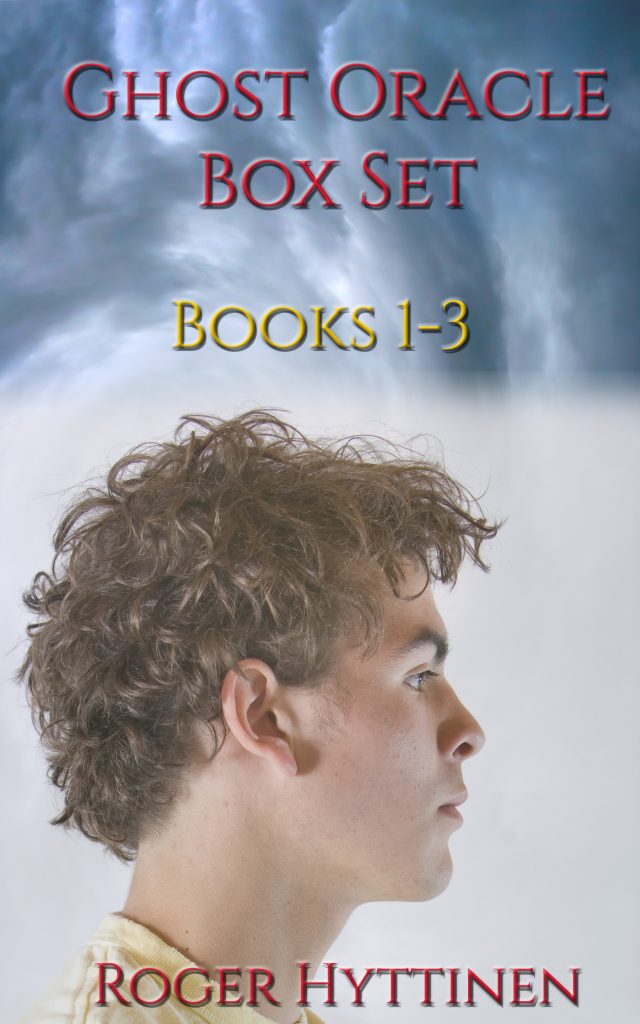
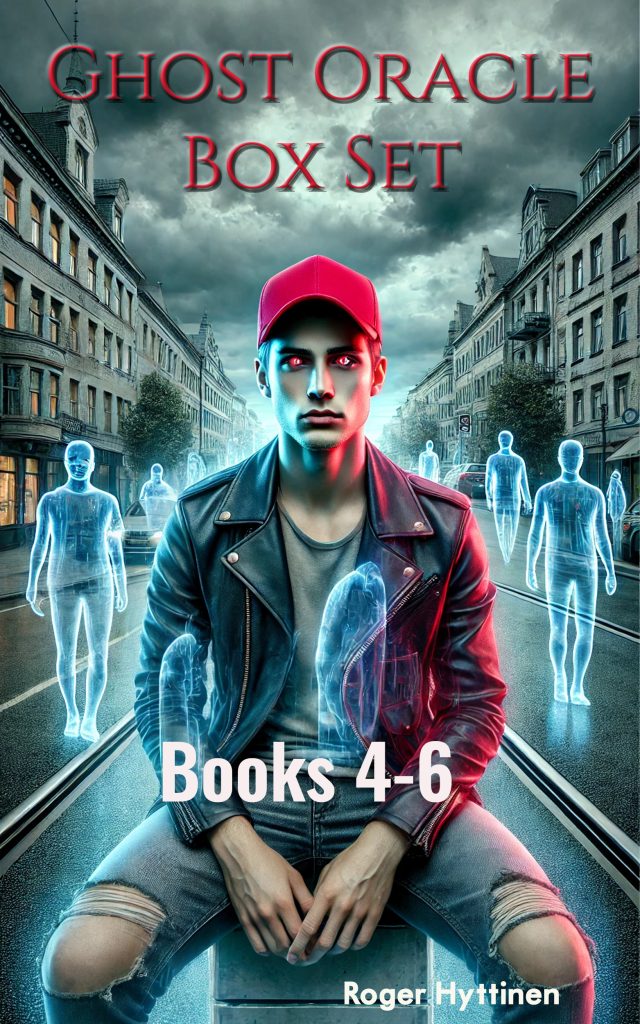
My Ghost Oracle Box Set (Nick Michelson) is now available from your favorite online retailer.

Here’s a link for Books 1-3

Here’s a link for Books 4-6

Don’t Let Your Dreams Melt (Seriously, Grab a Spoon Already) Read Post »

Writing Believable Teen Voices (Especially for Queer Teens Who Are Going Through…You Know… Stuff)

 a group of attractive teen males hanging out at a party

This post is mainly for my writer friends though anyone who enjoys YA novels may find it of interest.

So, experience has shown me that writing teen characters isn’t just about sprinkling in a couple of “likes” and calling it a day. Teens aren’t little kids, and they’re not adults either—they’re kinda in-between liminal creatures, like those weird amphibians you learn about in science class that live in water and on land and somehow survive off algae and sheer stubbornness.

When I was writing my young adult series, I did a ton of research on how to make teen voices feel natural—not just because I wanted the dialogue to ring true, but also because I read a lot of YA fiction for fun and absolutely hate it when a teen character sounds like a 47-year-old philosophy professor. Especially when we’re talking about queer teens. LGBTQ+ adolescents often navigate a totally different emotional landscape, full of secrecy, self-discovery, awkward crushes, internalized guilt, external labels…the whole rainbow-flavored psychological buffet.

Anyway, here are some things I learned along the way:

Teens Are Not a Monolith

Don’t write every teen as snarky or rebellious or angst-ridden. Sure, some are, but others are painfully earnest, overly polite, deeply nerdy, ridiculously optimistic, or just exhausted. Capture the individuality. A teen who binge watches Ghibli movies while knitting in their room is going to talk differently than a queer kid who secretly goes to underground drag shows in the city on Friday nights.

Put Emotion in the Gaps

Teens don’t always say what they feel. In fact, most of the time, they aggressively don’t. They hide behind sarcasm, jokes, distraction, or silence. When a teen is scared or confused (especially about sexuality or identity), they might talk around the issue rather than about it.

Example:
“I mean, whatever, it’s not like I like him or anything…he just has a nice smile. Whatever.”

They’ll flood a moment with disclaimers (whatever, I dunno, kinda, maybe, I guess) because the truth is too naked and terrifying.

Vary the Rhythm

Teen speech often jumps from topic to topic like a squirrel on espresso. One minute they’re talking about the chemistry test, the next they’re spiraling over a TikTok trend, then they’re—oh my god—panicking because their crush just liked their Instagram post from four months ago.

That rhythm—fast, fragmented, sometimes awkwardly paused—is what makes it feel real. Don’t be afraid to give them unfinished sentences, abrupt transitions, or sudden moments of self-consciousness.

They Absorb the World Around Them

Queer teens, especially, pick up language from online spaces, fandoms, friend groups, LGBTQ+ creators, etc. Somebody growing up in a rural town with no queer community in sight might sound totally different than someone in a progressive school with an active GSA. Let their environment influence their voice.

Internal Monologue Matters (A LOT)

It’s not just the dialogue that needs to sound believable—it’s their thoughts. Teens overthink everything.
Did they laugh too loud? Was that text too aggressive? Are they even allowed to exist or are they cosmically cursed to always feel out of sync?

Let the internal voice spiral a bit. Let it contradict itself. One second they’re convinced the world is ending, the next they’re casually eating cereal and humming. That emotional whiplash is very teenage.

Let Them Be Funny (Even When They’re Not Trying)

Teens often use humor as a coping mechanism. Even shy kids end up saying unintentionally hilarious things while trying to make sense of their feelings:

“So yeah, I might be like… attracted to guys. Or pizza. Honestly not sure which one is giving me more anxiety right now.”

Let those little unexpected jokes land naturally in the middle of chaos.

YA Novels Are Your Best Teachers

Seriously. Read them. (I mean, you probably already do—YA is wonderful and sometimes I enjoy it more than “adult” fiction because it tends to cut straight to the emotional guts without pretending not to care.) Notice how the pacing of the dialogue works in authors like Becky Albertalli or Adam Silvera—the way they balance humor with low-key heartbreak.

Listen Before You Write

Eavesdrop (respectfully! No lurking in bushes). Overhear real conversations at coffee shops, school campuses, gaming servers, YouTube comment sections, Discord chats. Just absorb how actual modern teens phrase things.

And for LGBTQ+ teens specifically? If you’re not part of that community, read their stories. Watch their videos. Follow their channels. It isn’t about mimicking their slang—it’s about understanding the emotional territory they’re navigating.

Alright, I’ll stop rambling now. Hopefully this gave you some useful ideas (or at least a couple of “ohhh right” moments).


  • A werewolf bite.
  • The search for a cure.
  • Discovering a pack
  • A potential mate named Kalen.
  • A vengeful sorcerer…

Norian’s Gamble – did he make the right decision?

Writing Believable Teen Voices (Especially for Queer Teens Who Are Going Through…You Know… Stuff) Read Post »

Scroll to Top