Author name: Roger Hyttinen

Who Would You Call First in a Supernatural Crisis?

handsome man in demon bat wings

We’ve all done it — you’re sitting on the couch, half-watching a paranormal documentary and half-scrolling your phone, when suddenly you think… “If my lights flickered right now and my dog started growling at an empty hallway, who the heck would I call?” And of course I don’t mean 911. I mean fictional men who have experience dealing with pissed-off spirits and mysterious ancient curses. So yeah, I’ve spent an embarrassing amount of time ranking popular guys from movies and TV to determine exactly who would get that panicked late-night call. (It’s research. Totally legitimate writer research.)

First guy that immediately came to mind was Dean Winchester from Supernatural. You know he’d answer his phone even if it was 3:37 AM because that man literally doesn’t sleep. He’d probably grumble “what did you do this time?” before even saying hello, but then he’d grab the keys to the Impala and be at my front door in four hours flat with rock music blaring and a trunk full of salt rounds, iron crowbars, and holy water. I feel like he wouldn’t even need the backstory — I could just point at the creepy antique mirror and he’d be like “yeah… that thing’s cursed” and immediately smash it. Five stars for efficiency, though negative one star for probable property damage.

That then reminded me of Fox Mulder (The X-Files). Love Mulder with all my nerdy heart, but let’s be honest — if I called him first, I’d end up getting abducted by aliens halfway through his five-hour PowerPoint presentation explaining why the poltergeist in my kitchen is obviously a government conspiracy. He’d bring up crop circles and Roswell before we even stepped into the living room. Very enthusiastic, though. If I want moral support and complicated theories about why a ghost might haunt a waffle iron, Mulder’s definitely the guy. But if I want something actually banished, I’d probably save him as my “third option” emergency contact.

And then there’s John Constantine (the Matt Ryan version, not the Keanu Reeves one — though I’d honestly call Keanu for a different kind of crisis if you know what I mean). Constantine would absolutely show up in a rumpled coat smelling faintly of cigarette smoke and regret. He’d roll his eyes at the situation, mutter something Latin under his breath, and casually kick a demon back through a portal while insulting it. The downside here is that Constantine always has, like… baggage. He might fix the situation, but I’d be left wondering if I now owe a favor to some random Hell lord. Risky. But if things are crawling out of the walls and speaking in tongues? Yeah, I’m texting Constantine.

Now if we’re talking pure emotional support plus spirit-punching capability, Geralt of Rivia (The Witcher) is actually a solid contender. Sure, he might not answer his phone (because, uh, medieval fantasy setting) but if I could summon him with a coin toss or whatever, he’d probably handle a demon like it was mildly annoying breakfast prep. Also, Geralt is unfazed by literally anything. I could point at a floating corpse in my kitchen and he’d just grunt, nod once, and start brewing a potion with random herbs from my spice rack. Also, major bonus: he brings his own sword. No Jeep full of gear necessary.

One guy I’d absolutely not call first is Jonathan Harker from Dracula. Listen, love him to bits, but the man nearly lost his mind over a few vampire brides and couldn’t even get out of a castle without having an emotional breakdown. I feel like he’d just faint if a ghost whispered in my doorway. He’s a solid support character but not your “first on the scene” guy.

Another one I would call? Egon Spengler from Ghostbusters. Not Peter. Not Ray. Definitely not Venkman. Egon is the secretly competent one. He’d show up with stacks of notes, gently place scientific sensors around the house, and quietly trap the ghost without a single dramatic speech. Then he’d mutter something deeply scientific about ectoplasmic density, hand me a containment unit, and politely leave. Honestly? Kind of perfect.

And of course, Blade (yes, the vampire hunter). He’s probably not great with ghosts, but if the supernatural crisis involves bloodthirsty immortal creatures, he’s my first call. He’d scowl at me for being stupid enough to invite a vampire in (“I thought he just wanted coffee!”) and then he’d calmly decapitate the problem before disappearing back into the night. Efficient. Zero small talk.

So if I had to rank them? Constantine first if it’s definitely demonic. Dean Winchester if it’s a vengeful spirit or haunted crayon drawing. Geralt if it’s some sort of ancient cursed entity that requires sword-based diplomacy. Egon if the house just needs high-tech ghost eviction. Mulder if I need moral support and wild conspiracy theories. And absolutely never Jonathan Harker unless I want someone to panic with me in matching Victorian nightshirts.

Anyway, I feel like everyone should have a “supernatural crisis phone tree.” It’s just practical. You never know when a cursed doll is going to blink at you from the bookshelf, and trust me — you don’t want to start scrolling through your contacts at 2:00 a.m. trying to decide between “demonologist” or “witcher.”
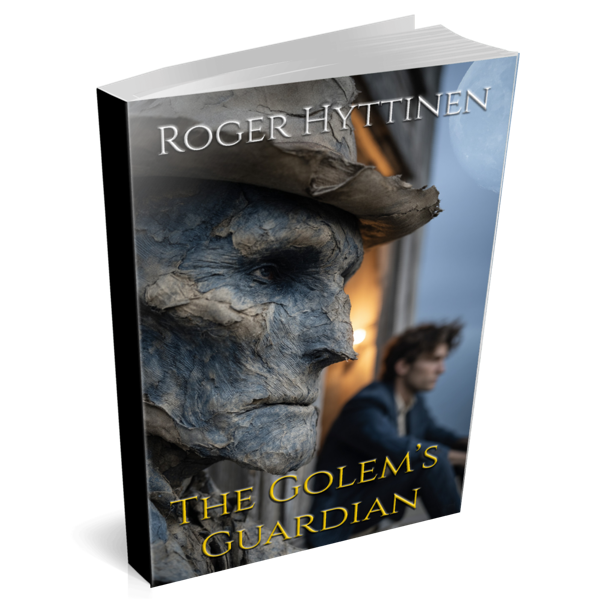

book cover for The Golem's Guardian

When Brooklyn librarian David Rosen accidentally brings a clay figure to life, he discovers an ancient family gift: the power to create golems. As he falls for charismatic social worker Jacob, a dark sorcerer threatens the city. With a rare celestial alignment approaching, David must master his abilities before the Shadow’s ritual unleashes chaos—even if using his power might kill him. The Golem’s Guardian

Who Would You Call First in a Supernatural Crisis? Read Post »
The Perfect Bookshelf: What Your Urban Fantasy Collection Says About You

caped main climbing stairs in massive library

This post is a little tongue in cheek but let’s be honest — we all judge people based on their bookshelves. Not in a mean way (well… not always), but you know you’ve stared at someone’s collection and immediately made assumptions about whether they’d survive the zombie apocalypse or accidentally summon a minor demon because they thought a grimoire was a cookbook. Urban fantasy readers are a special breed — and the titles we proudly display on our shelves say a lot more about us than we might realize.

The Classic Urban Fantasy Collector

If your shelf is lined with the Dresden FilesAnita BlakeMercy Thompson, and maybe the first ten Sookie Stackhouse_books (before things got a little… weird), then you’re probably the person your friends call when something mysterious and vaguely magical happens, like their phone starts glitching at 3:33 every morning. You love the old-school structure: detective + supernatural = comfort. Your bookshelf smells faintly of coffee, leather jackets, and that one candle labeled “Antique Bookstore” that you keep burning while reading because it “sets the mood.” You probably also have a strong opinion about which supernatural creature makes the best fictional boyfriend. (It’s werewolves. I won’t be taking questions.)

The Cozy Urban Fantasy Crowd

If your top shelf features things like The Innkeeper Chronicles by Ilona Andrews, The Ordinary Magic series by Devon Monk, and anything involving a magical bakery, coffee shop, or antique bookstore run by a secretly powerful witch — congratulations, you’re the kind of person who would absolutely bribe a fae prince with freshly baked cinnamon rolls. Your books are filled with gentle worldbuilding, quirky side characters, and low-stakes magical chaos. I bet your reading nook has fairy lights and at least one fuzzy throw blanket. Your version of a supernatural crisis involves an enchanted teapot spilling secrets rather than a demon trying to stab people in a Walmart parking lot.

The Dark and Gritty Reader

If your bookshelf leans heavily toward Sandman SlimThe RookThe Coldfire Trilogy, or pretty much anything with “blood,” “grave,” or “bone” in the title, you’re probably not rattled by jump scares. Your coffee is black, your favorite candle scent is “storm-soaked cemetery,” and you absolutely would keep reading even after the main character loses a limb. Your bookshelves are probably arranged in color-coded chaos, and somewhere on that shelf is one really intense book that you use as a personal litmus test — if a new friend has read that one, you immediately know you can trust them with all your weirdest secrets.

The Romantic Urban Fantasy Devotee

If you’ve got Kate DanielsHidden LegacyGuild Hunter, and Blood & Ash front and center (and maybe a small shrine to Patricia Briggs), you’re definitely in it for the spicy, banter-filled supernatural nonsense. You highlight your favorite snarky comebacks and bookmark the chapters with the “good tension.” You also have strong feelings about alpha males—but only when they’re respectful and slightly unhinged. Bonus points if you’ve got a matching candle labeled “Mysterious Vampire Boyfriend” somewhere nearby. Also, you absolutely would accept a cursed gemstone from a handsome stranger and only realize your mistake six chapters later.

The Indie & Hidden Gem Hunter

If your shelf is full of books no one else has heard of (“Oh, this one? It’s a Bulgarian urban fantasy about a time-traveling drag queen exorcist — you haven’t read it?”), you’re a literary adventurer. You devour self-published titles like snacks and you probably follow at least five “under-the-radar” book blogs. You’re the person the rest of us go to when we want a recommendation that isn’t already trending on BookTok. Your bookshelf looks less like a shelf and more like a chaotic, lovingly curated treasure trove. Honestly? We all desperately want to raid your collection and borrow something weird and wonderful.

The Chaos Mix

Of course, some of us (hi, it’s me) have shelves that are a wild mix of all of the above. One minute you’re reading about a gentle witch brewing magical tea in a cozy seaside town, the next you’re knee-deep in demonic blood wars and contemplating whether you could actually forge a sword if the need arose. If someone looked at your shelf, they might assume multiple people live in your house. No — it’s just you. Your reading taste is how you manage your emotional weather. Rainy mood? Cozy witch book. Feeling chaotic? Bring on the demon-slaying biker mage.

Honestly, that’s the magic of an urban fantasy bookshelf — it’s never just a stack of books. It’s a personality test. It’s a mood board. It’s a secret confession of how you want the world to be: just like this one, but with a little more magic, a little more mystery, and maybe a shapeshifting bartender or two.

So the next time someone steps into your living room and casually glances at your shelf, just know: they’re learning everything they need to know about whether you’re the type to summon a spirit… or the one who knows how to banish it.


Nick's Awakening book cover

Nick Michelson is 16 and he:

  • Can see ghosts
  • Reads Tarot cards
  • Gets visions of the future
  • May or may not have a crush on his best friend.
  • And ghosts come to him for help…
    ..and some, for revenge

Read the book that began it all: Nick’s Awakening

The Perfect Bookshelf: What Your Urban Fantasy Collection Says About You Read Post »

Ghosts, Goblins, and Emotional Baggage: Dealing with Trauma in Paranormal Fiction

Rogerthedodger8023 superhero spellcaster in modern clothes faci e5ba9292-e495-48b8-b468-434bb8fe4e54.

With urban fantasy—it’s never just about werewolves, vampires, and people who can see dead folks (though those are my jam). The best paranormal stories know that the real monsters aren’t always the ones with fangs or glowing eyes. Sometimes, they’re the old wounds we drag around like unwanted carry-on luggage. And in a way, that’s why trauma and healing fit so perfectly into the genre.

Because when you plop a character into a world with magic and supernatural mayhem, you get this weirdly safe space to unpack the heavy stuff. You can talk about grief, abuse, PTSD, heartbreak—without it feeling like you’re reading a psychology textbook. Instead, your protagonist might be processing their childhood trauma while banishing a vengeful spirit in a haunted brownstone. And honestly? That’s my kind of therapy session.

When the Monsters Aren’t the Real Threat

Take Harry Dresden from The Dresden Files. The guy’s a wizard-for-hire, sure, but he’s also basically a walking trauma magnet. Abandonment issues? Check. Survivor’s guilt? Oh, you bet. Magical enemies that want him dead? Daily. Watching Harry deal with his internal scars while still managing to sling spells makes him relatable, because we get that life doesn’t pause for you to “work on yourself.” You heal while you’re knee-deep in trouble.

And let’s talk Buffy the Vampire Slayer. Yes, yes, she’s got the whole Chosen One gig, but those demons she’s fighting? Half the time they’re metaphors for real-life trauma—grief when she loses her mom, the PTSD after she’s literally brought back from the dead. The Hellmouth is basically a pressure cooker for unprocessed pain.

Trauma Makes Paranormal Characters Juicy

Urban fantasy without emotional baggage can feel flat—like ordering a burger with no seasoning. Think of The Hollows series by Kim Harrison. Rachel Morgan deals with magical threats, but she also wrestles with betrayal, moral compromises, and losing people she cares about. These arcs make her victories feel earned, because you’re rooting for her to heal and win.

And don’t even get me started on The City We Became by N.K. Jemisin. Sure, it’s about living cities manifesting as people (which is so cool), but it’s also about reclaiming identity and recovering from systemic abuse. The fantasy amplifies the trauma in a way that makes it bigger, more surreal—and somehow, more approachable.

Healing Doesn’t Have to Be a Neat Bow

Here’s the beauty of paranormal fiction: you can have messy, incomplete healing. In Seanan McGuire’s _October Daye_series, Toby doesn’t magically “get over” her traumas; she grows around them. Sometimes she even gets new ones (life in Faerie isn’t exactly spa days and scented candles). And that’s more realistic than a quick fix. Healing is often a “two steps forward, one step back, oh no I’ve been kidnapped by a selkie” kind of process.

Sometimes healing in urban fantasy comes from found families—those ragtag groups of witches, shifters, ghosts, and humans who stand by the main character when things go pear-shaped. In Supernatural, for all its monster-hunting mayhem, it’s the Winchester brothers’ codependent-but-loving bond that slowly patches their emotional scars (when it’s not ripping them back open again).

Why We Keep Coming Back to It

Paranormal fiction lets us face the darkness—inside and out—without drowning in it. Trauma can be reframed as a dragon to slay, a curse to break, or a ghost to finally lay to rest. And sometimes, the real magic isn’t the spellcasting—it’s watching a character choose to keep fighting, keep loving, keep living.

I think that’s why I’ll always come back to this genre. It’s messy, it’s weird, and it lets you smuggle real human pain into stories with vampires and necromancers. And somehow, when the dust settles and the demon’s vanquished, you feel like maybe—just maybe—you’ve done a little healing yourself.

Alright, your turn—what’s your favorite example of a paranormal character working through trauma? I’m always on the hunt for my next “monster-fighting, soul-healing” read.


Read the book that began it all: Nick’s Awakening

Ghosts, Goblins, and Emotional Baggage: Dealing with Trauma in Paranormal Fiction Read Post »

When “The Right Time” Is a Myth We Keep Falling For

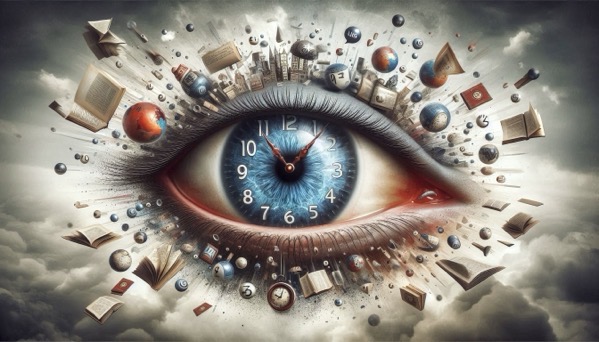
Close-up of an eye made up of a clock

You know that thing we all do where we’re waiting for the perfect moment? Yeah. That elusive, magical, unicorn-like time when the stars will align, the Wi-Fi will never cut out, our hair will cooperate, and we’ll finally be ready to start… whatever it is we’ve been putting off. Writing the book. Starting the business. Cleaning the hall closet that’s been quietly plotting our downfall for years.

Napoleon Hill—yes, the “Think and Grow Rich” guy—wasn’t having it. His take was pretty blunt: “Don’t wait. The time will never be just right.” And honestly? He’s right. The “just right” moment is basically the Bigfoot of productivity—there are rumors, but no credible sightings.

The Myth of the Perfect Moment

Here’s the thing: “waiting until you’re ready” is like waiting for bread to toast and butter itself. The readiness never really comes, because life is always in progress. There’s always going to be something—money, energy, confidence, emotional bandwidth—that’s not quite where you think it should be.

The perfect time is seductive, though. It whispers: Just wait a little longer… things will be easier then. Spoiler alert: they’re never easier. In fact, they often get messier. But our brains cling to the fantasy because it’s comfortable. It’s a tidy little excuse that saves us from doing the scary stuff right now.

My Experience With “Not Just Right” Time

A couple of years ago, I told myself I’d start a new project “when I had more time.” Guess what? “More time” never showed up. Apparently, it was busy hanging out with “spare change” and “free shipping on everything.” I had to start while I was still swamped, slightly stressed, and using coffee as my main food group.

And you know what? It wasn’t perfect—but it was progress. I learned that imperfect starts are still starts. Sometimes they’re even better than “perfect” starts because you build resourcefulness muscles along the way. It’s like learning to cook in a tiny kitchen—you become a ninja at making things work with what you’ve got.

Why We Keep Waiting Anyway

I think we’re all a little in love with the idea of readiness. It’s a warm, safe bubble. There’s no risk in waiting. No awkward first attempts, no visible flops, no “oh, wow, that was a disaster” moments.

But outside that bubble? That’s where momentum lives. The first step might be messy, wobbly, or even flat-out embarrassing. But at least it’s movement. Standing still never gets you to the next chapter.

The Tiny-Now Approach

The way I’ve learned to fight the “just right” myth is to shrink the starting line. Instead of saying, I’m going to write a novel this year, I’ll say, I’m going to write for 10 minutes today. You can do anything for 10 minutes. And here’s the trick—the small action almost always leads to a bigger one. Ten minutes becomes thirty. Thirty becomes a full scene. Suddenly you’re rolling.

If you keep waiting for the “big” start, you might never get it. But the small-now start? That’s always available.

A Quick Reality Check

If you think back to the last time you did finally start something important, was it because everything was “just right”? Probably not. It was likely because you hit that “enough is enough” point. You got fed up with your own excuses. That’s the magic—taking action before conditions are perfect.

Napoleon Hill didn’t mean we should be reckless or jump into things without a plan. He meant stop over-polishing the plan while the clock keeps ticking. There’s a point where “preparation” turns into “stalling with good lighting.”

The Bottom Line (But Not in a Boring Way)

Waiting for the perfect time is basically like holding your breath until your life is 100% chaos-free. You’ll pass out before that happens. So, start now. Start small. Start scrappy. Just… start.

It’s weirdly freeing once you accept that perfect timing doesn’t exist. You stop obsessing about “should I?” and start asking “how can I make this work right now?” It’s a mindset shift that makes all the difference.

So if you’ve got something sitting on your “someday” shelf—dust it off. Today might not be the perfect time, but it’s the real time. And real time is the only kind we actually get.


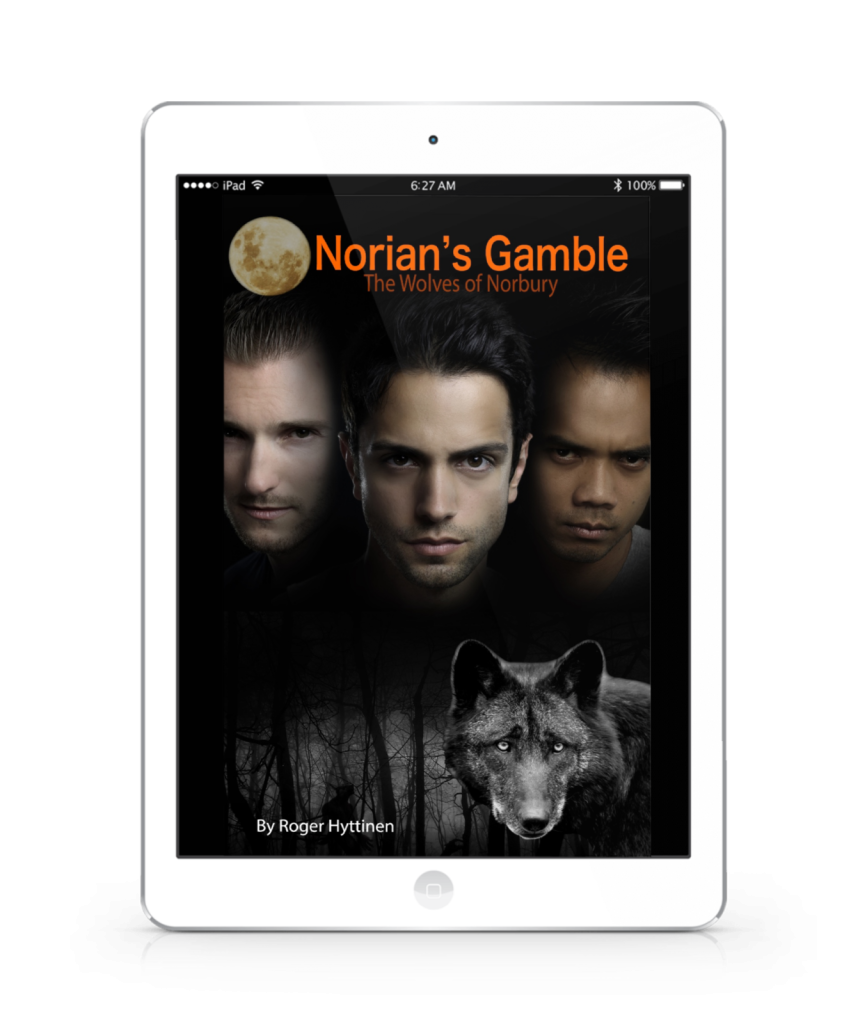
– A werewolf bite.

– The search for a cure.

– Discovering a pack

– A potential mate named Kalen.

– A vengeful sorcerer…

Norian’s Gamble – did he make the right decision?

When “The Right Time” Is a Myth We Keep Falling For Read Post »

The Man Purse: My New Best Friend

stylish young man between 18-24 wearing a brown square man-purse

Okay, so today I wanna make a quick little post and talk about the man purse. Or, as I like to think of it, my portable life-support system.

For years, I was that guy with the big, clunky backpack. You know the kind—it’s basically a fabric black hole where items go to vanish. Need your bus pass? Good luck spelunking through granola bar crumbs and tangled headphones. By the time you find it, the bus has left, you’ve broken a sweat, and your dignity is in question.

Then one day, I decided to downsize. I ditched the backpack and bought this neat little square bag—a “man purse,” if you will. And let me tell you, I have never looked back. This thing is like Mary Poppins’ carpet bag, but way cooler. I can fit my entire daily survival kit in there: money, keys, credit cards, hand sanitizer, extra pills, pepper spray (because you never know who’s lurking out there), bus pass, inhaler, and my phone charger. That’s it. That’s the whole mobile command center.

And the best part? I’m not constantly hunched over like I’m carrying a sack of bricks to Mordor. My shoulders have forgiven me. My sanity has returned. I don’t have to awkwardly dig for my wallet at checkout like I’m trying to unearth a fossil. I just unzip, grab, done. Smooth as butter.

Honestly, I don’t even remember life before it. What did I do? Shove everything in my pockets like a raccoon storing snacks for the winter? Carry things in my hands like some medieval peasant? It’s baffling to me now.

So yeah—if you’re on the fence about getting one, I say just do it. You’ll look put-together, you’ll stay organized, and you won’t throw your back out trying to find your ChapStick.

Alright, that’s my unsolicited man purse manifesto.

The Man Purse: My New Best Friend Read Post »

The Little Things That Make Life Big

a good-looking young man rushing about

You know that feeling when you’re rushing around, trying to juggle a million things at once, and then—bam!—you stop and realize you haven’t really enjoyed any of it? I was having one of those “go-go-go” days when I stumbled upon this quote:
“Enjoy the little things in life … for one day you’ll look back and realize they were the big things.” – Unknown.

At first, I kind of brushed it off. I mean, life’s busy, right? Who has time to slow down? But then, the more I thought about it, the more I realized—this quote is a total game-changer.

We’re so obsessed with big milestones—getting that promotion, finishing a book, traveling to the dream destination—things that feel like they define our success or happiness. But what about all the stuff in between? The tiny, almost forgettable moments that happen while we’re on our way to those big things?

I’m talking about the morning cup of coffee that’s just perfect. The kind where the steam curls up, filling the room with that rich, comforting aroma. Or when you’re walking down the street and the sun hits you in just the right way, warming your face like a big, invisible hug. Yeah, those moments.

I know, I know, it sounds a little corny, but I swear, when you really start paying attention, you notice these little things all around you. And suddenly, your day doesn’t feel as rushed. It’s like you’ve hit “pause” and you get a moment to just breathe.

Here’s the thing, though. Life has this weird way of speeding by, right? One minute, you’re planning your week, and the next, it’s already the weekend and you feel like you haven’t fully experienced the days in between. For me, there’s this urge to always be “productive,” to tick things off the to-do list, and it’s easy to forget about those small moments that don’t seem like they matter in the grand scheme of things.

But when you do take a step back, you realize those are the moments that make up life. Think about it—how often do we catch ourselves laughing at something silly? Or remember the last time someone gave you an unexpected compliment? It’s those little slices of joy that sneak into our everyday routine, and they end up being the things you remember when you look back.

I can’t help but think of my favorite bookshops (you know, the cozy ones that smell like old pages and coffee). I’ve spent hours wandering through those aisles, with no real agenda except to get lost in the stories. The quiet hum of the shop, the soft shuffle of pages, the smell of aged paper—it’s one of those things that makes my soul happy. It’s nothing huge, but when I look back, I think that’s what I’ll remember: not the big trips I’ve taken, but the small, peaceful moments spent with a book and a coffee in hand.

And here’s another one—pets. Okay, I think back to when I used to have my cat, but those little moments when he would hop on my lap and snuggles up for no reason other than he felt like it—that is pure bliss. It doesn’t get more simple than that, but when I think about the kind of comfort I’ll look back on years from now? That’s it.

You might be thinking, “But how can these things really matter in the long run?” Well, that’s exactly why they do. They’re the things that make us feel connected to ourselves, to others, to the world around us. These tiny little moments fill in the spaces between the “big things.” They’re the ones that give you that warm, fuzzy feeling when you’re remembering your past.

The truth is, we often get caught up in thinking life is all about the major milestones. It’s like we’re so focused on reaching the “big stuff” that we forget the little moments are what build the foundation for our happiness. One day, you might look back and realize that the happiness wasn’t just in the big achievements—it was in the way the rain smelled after a storm or how your favorite song made you feel on a random Tuesday. It’s those moments that add up and build your story.

So, here’s my challenge to you (and myself): Start paying attention to the little things. Don’t wait until it’s too late to realize what you had. Take a pause, notice the details, and let yourself really feel them. Whether it’s a shared laugh with a friend, the feeling of soft sheets on your skin at the end of a long day, or the quiet moment when you’re staring out at the sunset—you’ll realize that these little things, in all their simplicity, are actually what makes life big.

At least, that’s what I’m telling myself the next time I’m rushing through my day.

The Little Things That Make Life Big Read Post »

Scroll to Top