Author name: Roger Hyttinen

When Reality Gets Weird Enough to Be Fantasy — Urban Legends I’d Love to See in Magical Worlds

Blue Gargooyle on top of a building

Today I am chatting once again about something that’s near and dear to my heart: urban legends.

So I’ve been deep diving into urban legends lately (because apparently that’s what I do for fun now), and I can’t stop thinking about how freaking perfect some of these would be in fantasy novels or movies. I mean, we’ve got vampires and werewolves covered to death, but what about some of the genuinely weird stuff that people actually claim happens in our world? Let me take you on a journey through some of the strangest urban legends I’ve found and how they could totally work in a magical setting.

First up, let’s talk about the Elevator Game. This Japanese urban legend involves a ritual that purportedly sends the participant to an alternate world if done correctly, and involves a mysterious woman. Picture this: you’re in some fantasy city with magical elevators powered by arcane crystals, and there’s this whole underground cult that uses them to slip between dimensions. The woman could be some sort of dimensional guardian or maybe a trapped soul seeking revenge. I’m getting serious Silent Hill vibes here, and honestly, after watching James McAvoy absolutely nail the psychological horror in Split, I think he’d be perfect as someone slowly losing their mind to these elevator journeys.

But wait, it gets better. Have you heard of the Kuchisake-onna? She’s described as a malicious spirit who partially covers her face with a mask and carries scissors, asking victims if they think she is beautiful. Now imagine this in a world where beauty magic is real – maybe she was a court sorceress whose vanity spell went horribly wrong, and now she’s trapped between dimensions, eternally seeking validation while punishing those who can’t see past physical appearance. Think Charlize Theron’s Evil Queen energy from Snow White and the Huntsman, but way more psychologically twisted.

Speaking of Japanese legends, the Kunekune is absolutely fascinating. It’s described as an indiscernible white object, similar to a tall, slender strip of paper that shimmers and wiggles as if moved by wind, even on windless days. In a fantasy setting, this could be some sort of reality tear – a place where the fabric between worlds has gotten so thin that you can see the magic itself trying to break through. Maybe it’s beautiful from a distance but drives you mad if you get too close, kind of like how the One Ring affects people in Lord of the Rings. I can totally see this being used in something like the Netflix series Dark, where reality keeps folding in on itself.

Then there’s the Jersey Devil, which already sounds like fantasy but gets even better when you dig into it. Born as a cursed thirteenth child in 1735, the bat-winged and cloven-hooved creature has been terrorizing New Jersey’s Pine Barrens ever since. This screams tragic backstory for a fantasy anti-hero. Maybe in a world where bloodline magic matters, the thirteenth child of a powerful family is destined to become something monstrous, but they retain their humanity and struggle with their nature. Tom Hiddleston would absolutely crush this role – he’s got that perfect mix of dangerous and sympathetic that would make you root for the monster.

Now here’s something that really got my attention: the Dover Demon. It’s a creature reportedly sighted in Dover, Massachusetts in 1977, and while the legend doesn’t give us much detail in what I found, the name alone suggests something otherworldly that briefly crossed into our reality. In a fantasy context, this could be a scout from another realm, maybe sent to assess whether our world is ready for invasion or contact. Picture something like the creatures from A Quiet Place, but instead of sound sensitivity, they’re testing our magical potential.

But here’s where it gets really interesting – what about legends that are already partially fantasy? Take the Night Marchers from Hawaii. These are said to be spirits of ancient warriors who traverse sacred paths throughout the islands during the night, often accompanied by drums and conch shells. This is already magical, but imagine expanding it: in a fantasy archipelago where the dead don’t rest unless their honor is satisfied, you could have entire armies of ghostly warriors marching eternal patrols. The sound design alone would be incredible – think of how the Nazgûl screams gave everyone chills in the Lord of the Rings movies.

The Wendigo is another legend that’s ripe for fantasy adaptation. It’s a creature of Native American folklore thought to result from cannibalism, where a person transforms into a tall, skeletal, hairy creature with fangs if they resort to eating human flesh. In a fantasy world dealing with famine or war, this could be the ultimate moral choice storyline. Imagine a character like Gollum from LOTR, but instead of being corrupted by a ring, they’re slowly transforming because they made an impossible choice to survive. The horror isn’t just in the monster they become, but in understanding exactly why they made that choice.

Here’s a fun fact that blew my mind: Urban legends about hotel guests discovering dead bodies hidden under their mattresses have actually been confirmed multiple times, with at least a dozen newspaper stories documenting such cases (Mental Floss). Now imagine this in a fantasy inn where the dead don’t stay dead unless properly buried. Guests keep complaining about strange dreams and cold spots, not realizing they’re literally sleeping on top of restless spirits. This could be like a magical murder mystery where the inn itself is the crime scene, and each night brings new supernatural evidence.

The Bloody Mary legend has already been done to death in horror movies, but I think we’re missing the real potential here. Originally, unmarried women would look in mirrors to see the face of their future husband, but if destined to die alone, they’d see a skull. In a world where scrying magic is real, this could be a coming-of-age ritual gone wrong. Maybe there’s a magical academy where students must face the Mirror of Truth to learn their destiny, but sometimes the mirror shows them futures they can’t accept, driving them to try to change fate itself.

What really fascinates me about urban legends is how they reflect our deepest fears about the modern world. The Chupacabra, for instance, first appeared in the 1990s, right when genetic engineering was becoming a real thing people worried about. First reported in Puerto Rico during the 1990s, this mysterious beast allegedly stalks livestock and leaves behind drained carcasses with puncture wounds. In a fantasy setting where magical experimentation is common, this could be a creature escaped from a wizard’s laboratory, representing the fear of magic being used irresponsibly.

I keep thinking about how perfectly these would work in something like The Witcher universe, where monsters are often the result of magical accidents or curses. Henry Cavill’s Geralt already deals with creatures that have tragic backstories – imagine him tracking down a Kuchisake-onna who’s terrorizing a kingdom, only to discover she was once a beloved queen whose court magician’s beauty spell became her curse.

The thing that gets me most excited about these legends is that they’re already doing the heavy lifting of being believable. People actually think these things might be real, which means they’ve got that perfect balance of “this could happen” and “this is absolutely terrifying.” When you transplant them into a fantasy world where magic actually exists, suddenly they become not just possible, but inevitable.

I’d love to see someone like Guillermo del Toro tackle these kinds of stories. He’s got such a gift for making monsters sympathetic while still being genuinely scary. Remember how he handled the Pale Man in Pan’s Labyrinth? That creature was terrifying but also oddly tragic, and that’s exactly the tone these urban legends deserve.

The more I think about it, the more convinced I am that urban legends are just fantasy stories that happen to take place in our world. They follow all the same rules – ordinary people encountering the extraordinary, moral lessons wrapped up in supernatural consequences, and that delicious ambiguity about whether any of it’s really true.

What urban legends would you want to see adapted into fantasy? I feel like I’ve barely scratched the surface here, and honestly, I could probably write a whole series just exploring different legends and how they’d work in magical settings.

Until next time, keep your mirrors covered and your elevators ordinary!

Book Cover for Ghost Oracle Box Set

When Reality Gets Weird Enough to Be Fantasy — Urban Legends I’d Love to See in Magical Worlds Read Post »

Anxiety and the Imagination Olympics (Where I Always Win the Gold in Catastrophe)

Close up of an anxious young man

I was standing in line for coffee, sweating like I’d just sprinted through a marathon made entirely of awkward social encounters. Nothing dramatic had happened. No screaming toddlers. No spilled oat milk. Just me, alone with my brain, convinced I’d somehow messed up the simple act of ordering a latte.

“Did I say it too weird? Did the barista think I was rude? What if I said my name too softly and now they’re going to call it wrong and then I’ll just stand there like a total idiot while everyone stares…”

If that sounds familiar, congratulations—you might also be playing Seth Godin’s anxiety game: “experiencing failure over and over again in advance.”

And wow, that quote hit me like a ton of emotional bricks wrapped in passive-aggressive to-do lists.

Living in the “What Ifs”

The thing about anxiety is that it’s sneaky. It wears different outfits depending on the day. Sometimes it’s dressed as perfectionism, whispering that if I just do everything flawlessly, I’ll be safe. Other times it’s a full-blown doomsday prophet in my brain, predicting terrible outcomes to things that haven’t even happened yet—and probably never will.

Like, I’ll be about to hit “send” on an email and suddenly, my brain’s like:
“You’ve definitely used the wrong tone and now they’ll hate you and you’ll be blacklisted from polite society and also probably die alone.”

Cool. Thanks, brain.

It’s wild how vivid the mind gets when it’s scared. It paints entire failure montages—job interviews where I say something stupid, parties where no one talks to me, dentist appointments where I somehow offend the hygienist and she never flosses me again out of spite.

I’m not just worrying. I’m mentally rehearsing disasters like a Broadway understudy for disaster scenarios that don’t exist.

Fear Without a Trigger

What’s especially frustrating is that nothing needs to happen for anxiety to show up. It doesn’t need a cue. There’s no “and now presenting: the stressful event!” It can kick in while folding laundry, checking the fridge for the fifth time, or walking through Target trying to remember what I came for (usually deodorant, always forgotten).

And then comes the guilt loop:
Why are you anxious?
You have nothing to be anxious about.
Other people have it worse.
Get it together.

Which, by the way, never helps.

Because anxiety isn’t always logical. It’s not always triggered by trauma or current stress. Sometimes it just is. And that’s okay. It’s not a character flaw. It’s not something broken in you. It’s just your brain trying to protect you by showing you the worst-case scenario on repeat, like a glitchy PowerPoint.

The Mic Drop of the Seth Godin Quote

When I first heard Seth Godin’s line—“Anxiety is experiencing failure over and over again in advance”—I felt like someone had cracked open my head, peeked inside, and nailed it in one sentence.

It reframed things for me. Made me pause. Made me realize that I was running disaster drills for fires that weren’t even smoldering.

What if I just… didn’t?

Not in a flippant, “just stop being anxious!” way (if only), but in a small, curious way. What if I noticed the fear spiral before it swallowed me and said, “Oh hey. I see you. You think we’re going to fail. That’s sweet. But maybe let’s wait and see?”

Sometimes I even write down my worst-case scenario and then, right below it, the most realistic one. And below that, the best possible outcome. It’s weirdly grounding.

A Tiny Bit of Peace

Here’s what I’ve learned—and I’m saying this both to you and to future-me who will 100% need to reread this:

Anxiety is trying to keep us safe. It means well. But it’s also not a prophet. It’s not fate. It’s just a loud narrator with terrible timing and a flair for melodrama.

You don’t have to rehearse failure to protect yourself.
You can just show up.
You can let life surprise you.
And maybe, just maybe, you can order your latte without mentally planning your exile from society.

Anxiety and the Imagination Olympics (Where I Always Win the Gold in Catastrophe) Read Post »

Weekly Roundup for July 26, 2025

Weekly Roundup

This week’s roundup is gonna be a little shorter than usual because, truth be told, I don’t have a ton of news to report. I’m still very much buried in edits—like, someone send snacks and maybe a rescue team. Also, I’ve been knee-deep in setting up my website so I can finally (finally!) start selling my books directly from there. It’s… a process. A slow-moving, occasionally frustrating process that makes me want to either throw my laptop out the window or kiss it depending on the hour. But I’m chipping away at it, and I’d love to have it up and running within the next couple of weeks. That’s the dream.

The plan is to offer both paperbacks and hardcovers of all my books—yes, including the ones with the moody supernatural detectives and the snarky mediums. So if you’ve been wanting to grab a signed copy or just prefer buying direct (which helps indie authors a lot, by the way), stay tuned. I’ll definitely shout it from the rooftops once it’s live. Or at least from the top of my blog. Which is, you know, slightly less dramatic but more accessible.

Oh, and I’m still thinking about that new Superman movie I saw last week. You know, the one directed by James Gunn? I loved it. Like, fully heart-eyed emoji loved it. David Corenswet made such a solid Superman—earnest without being corny—and Nicholas Hoult as Lex Luthor? I wasn’t sure what to expect but he owned it. Creepy, clever, a little too comfortable in his villainy. If you’re curious, I actually wrote up a little mini-review on the blog, so pop over there if you want to hear me ramble about Gen Z henchmen, alien metaphors, and why this version of Superman gave me hope in more ways than one.

Anyway, I’ll keep this short and sweet this week. Next time I’ll (hopefully) have some actual website news and maybe even a peek at what the shop’s gonna look like. Fingers crossed. Until then, I’ll be over here editing, coding, drinking too much coffee, and occasionally getting distracted by random facts—like how Superman was originally created in 1938 by two Jewish teens from Cleveland, Jerry Siegel and Joe Shuster, and he was meant to represent the immigrant outsider experience in America. (No, seriously.

If you don’t always get a chance to come to the blog and see what’s happening, why not subscribe to my newsletter? I’ll include links to all my recent blog posts in one place so you can pick and choose which articles to read. You can subscribe to it HERE

Some Things I Thought Were Worth Sharing

My author friends may find this article about Substack of interest: The case against Substack. (ICYMI) https://lithub.com/the-case-against-substack-icymi/

An article for new writers (and even seasoned writers) – What Every New Writer Should Know About Editing https://alisonwilliamswriting.com/2025/07/08/what-every-new-writer-should-know-about-editing-editing-writingtips-newwriters/

Great review of the new Superman film (I saw it and loved it!) https://www.washingtonblade.com/2025/07/15/superman-movie-review/ https://www.washingtonblade.com/ (I also posted my review of Superman here on the blog)

Compelling article about the state of the Internet: Are You Talking to Bots? The Alarming Truth About the Dead Internet Theory https://www.geeky-gadgets.com/dead-internet-theory-explained/

Fans of LGBTQ+ cinema may be interested in this: ‘A Nice Indian Boy,’ Big Gay Love, and Feel-Good Cinema https://www.starobserver.com.au/artsentertainment/roshan-sethi-karan-soni-on-a-nice-indian-boy/237607

An article for my author friends https://writersinthestormblog.com/2025/07/how-to-write-an-unforgettable-first-line/ Write an Unforgettable First Line

My writer friends may find this podcast episode of value: Don’t Quit Before the Miracle https://www.draft2digital.com/blog/dont-quit-before-the-miracle-ep232/

Why Intentional Storytelling Matters in an Era of AI and Algorithm-Driven Content https://www.helpingwritersbecomeauthors.com/why-intentional-storytelling-matters-in-an-era-of-ai-and-algorithm-driven-content/

Fans of GLBTQ+ literature may find this of interest: Edmund White: Remembering a Doyen of LGBTQ+ Literature and His Mentorship https://lithub.com/edmund-white-remembering-a-doyen-of-lgbtq-literature-and-his-mentorship/

Do you know what film featured the first onscreen gay kiss? It’s older than you think https://www.queerty.com/this-silent-film-made-gay-history-heres-how-they-got-the-iconic-shot-that-changed-everything-20250714/

That time Christian Bale went gay for pay & made a queer classic in the process https://www.queerty.com/that-time-christian-bale-went-gay-for-pay-made-a-queer-classic-in-the-process-20250714/

Want to be more productive? Maybe this will help – Stop Waiting for Motivation : How to Stay Productive Even When You Don’t Feel Like It https://www.geeky-gadgets.com/how-to-overcome-procrastination/

I think I may have to watch this: Netflix’s ‘Amy Bradley Is Missing’ Revisits Mysterious 1998 Disappearance of Lesbian Cruise Passenger https://gayety.com/netflix-amy-bradley-is-missing-cruise-netflix

I may have to subscribe to HBO for a month to see this: The lurid, queer, coming-of-age thriller ‘The Shards’ is coming to TV & these are the hot new stars https://www.queerty.com/the-lurid-coming-of-age-thriller-the-shards-is-coming-to-tv-these-are-the-hot-new-stars-20250717/

Compelling article about Queer Memory during these troubled times: Why queer memory is not only vital in these troubled times–it’s revolutionary https://www.advocate.com/voices/queer-memory

Weekly Roundup for July 26, 2025 Read Post »

Witches, Wolves, and Wasted Potential: Urban Fantasy on Screen

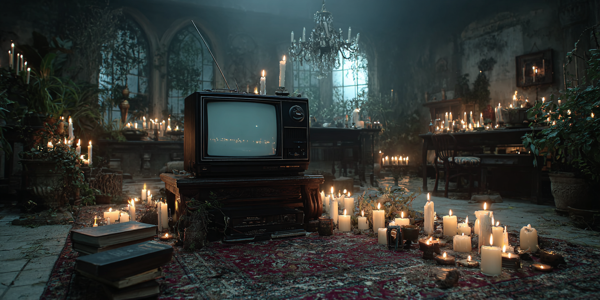
 Supernatural paranormal scene featuring a television

Okay, fellow weirdos—can we talk about urban fantasy on screen? You know, all the witches, vampires, secret magical societies, demons with great cheekbones, and morally ambiguous love interests that somehow always have tragic backstories and a tendency to lurk in alleyways? Yeah, that genre. The one that raised us, disappointed us, and sometimes left us wondering if we could get a refund on our emotional investment.

Some shows blew my mind in the best way possible. Others… well, they felt like dollar-store spellbooks with missing pages. So here we go—my personal, deeply biased, occasionally snack-fueled list of urban fantasy hits, misses, and the shows that left me somewhere in between, wondering what might’ve been.

🔥 The Hits (aka the ones I’d let bite me)

1. Buffy the Vampire Slayer
Let’s start with the queen, shall we? Buffy defined urban fantasy TV for a whole generation. We had sass, we had stakes (literally), and we had monsters as metaphors for every adolescent nightmare. It juggled horror and humor with actual character arcs. And now… a Buffy reboot is allegedly coming to Netflix soon. I’m cautiously optimistic, but seriously—can it hold a candle to the original? Or will it just feel like a high-budget fanfic in a world already saturated with reboots that forgot what made the original special?

2. Shadowhunters
Look, I know this one gets side-eye from certain corners of the internet, but I loved it. Yes, it was occasionally (okay, frequently) chaotic. And yes, sometimes the dialogue made me want to throw my remote. But it had heart, magic tattoos, cool-looking weapons, and Malec. Like, that pairing alone kept me emotionally invested far longer than was reasonable. Do I wish it had a bigger budget and stronger scripts? Sure. But do I regret binge-watching every episode and sighing dramatically through the finale? Not even a little.

3. Supernatural
I watched every episode. All 327 of them. And yeah, it probably should’ve ended around Season 5 (okay, maybe Season 11 at the latest), but Sam and Dean? Forever icons. That car, that classic rock, that weird mix of horror and dad jokes? Gold. I still get misty-eyed thinking about some of those emotional arcs. And honestly, what’s not to love about two brothers fighting monsters while slowly becoming them?

4. Teen Wolf
Yes, I’m putting Teen Wolf in the hits. Come at me. That show had absolutely no business being as good as it sometimes was. The vibes? Immaculate. The chemistry? Off the charts. Stiles Stilinski? A whole icon. Season 3A in particular was next-level, with its oni demons, sacrificial darkness, and psychological horror. Did it occasionally veer into the land of Beautiful People Running Through Fog With No Plot? Sure. But when it hit, it hit. And let’s be honest—we all wanted to be in that high school, even if the mortality rate was higher than average.

5. The Magicians
This show is what happens when Harry Potter grows up, joins a therapy group, and starts snorting pixie dust. It’s raw, hilarious, tragic, and just straight-up weird. Magic comes with a price, characters die, trauma is real, and Margo is a goddess. Literally. I still think about some of those musical episodes like they’re burned into my brain.

6. Being Human (UK)
If you missed this one, do yourself a favor and dig it up. It’s a vampire, a ghost, and a werewolf trying to live normal lives while being complete emotional disasters. It’s grimy, heartfelt, and somehow more grounded than most urban fantasy out there. Also, it made me cry over a ghost’s unfinished business, which is not something I expected to type, but here we are.

7. Penny Dreadful
Moody, gothic, and gloriously over-the-top. It felt like someone threw every Victorian monster into a blender and hit shakespearean angst. Eva Green should’ve been knighted for her performance. It’s not urban fantasy in the modern sense, but the spirit is there: monsters hiding behind society’s masks.

🚫 The Misses (aka shows I watched while muttering “You had one job”)

1. The Order
Magic college. Secret societies. Werewolves. Should’ve been awesome. Instead, it was like watching a CW pilot that never fully made it out of beta testing. The concept had so much potential, but the execution felt like someone fell asleep on the plot outline.

2. Charmed (2018 reboot)
Listen. I wanted to like it. I really did. The original Charmed had its own cheese factor, sure, but it worked. This reboot felt like it was trying to be woke and edgy at the same time, but forgot to be fun. Also, did the Book of Shadows get a software update? Because it felt… sterile.

3. Witches of East End
Great cast. Gorgeous visuals. Total snoozefest. It was like someone read the description of urban fantasy out loud but forgot to include the actual magic.

4. Bitten
Werewolves! Canada! A female lead with rage issues! I wanted to love it, but it just didn’t land for me. It lacked bite (pun very much intended). Also, the pacing felt like molasses on a winter morning.

😐 The Middle Zone (aka “almost…but not quite”)

There are shows that hit the vibe but fumble the follow-through. Stuff like Grimm (great concept, kinda boring execution), Lost Girl (sassy and sexy, but plotlines were a hot mess), or The Secret Circle (remember that one? It came and went like a shadow demon with stage fright). These shows lived in the awkward limbo between brilliance and bafflement.


Urban fantasy can be so good when it leans into the messiness of life and magic colliding. I want broken heroes, morally gray choices, and stories that aren’t afraid to get weird. But I also want competent world-building, solid scripts, and characters that feel like people—not exposition delivery devices in tight pants.

Anyway, now that I’ve thoroughly dragged and praised half the paranormal TV landscape, I wanna know: what are your urban fantasy faves? Drop them in the comments, yell at me about Shadowhunters, or whisper them to a stray cat under a full moon. I’ll probably hear you.


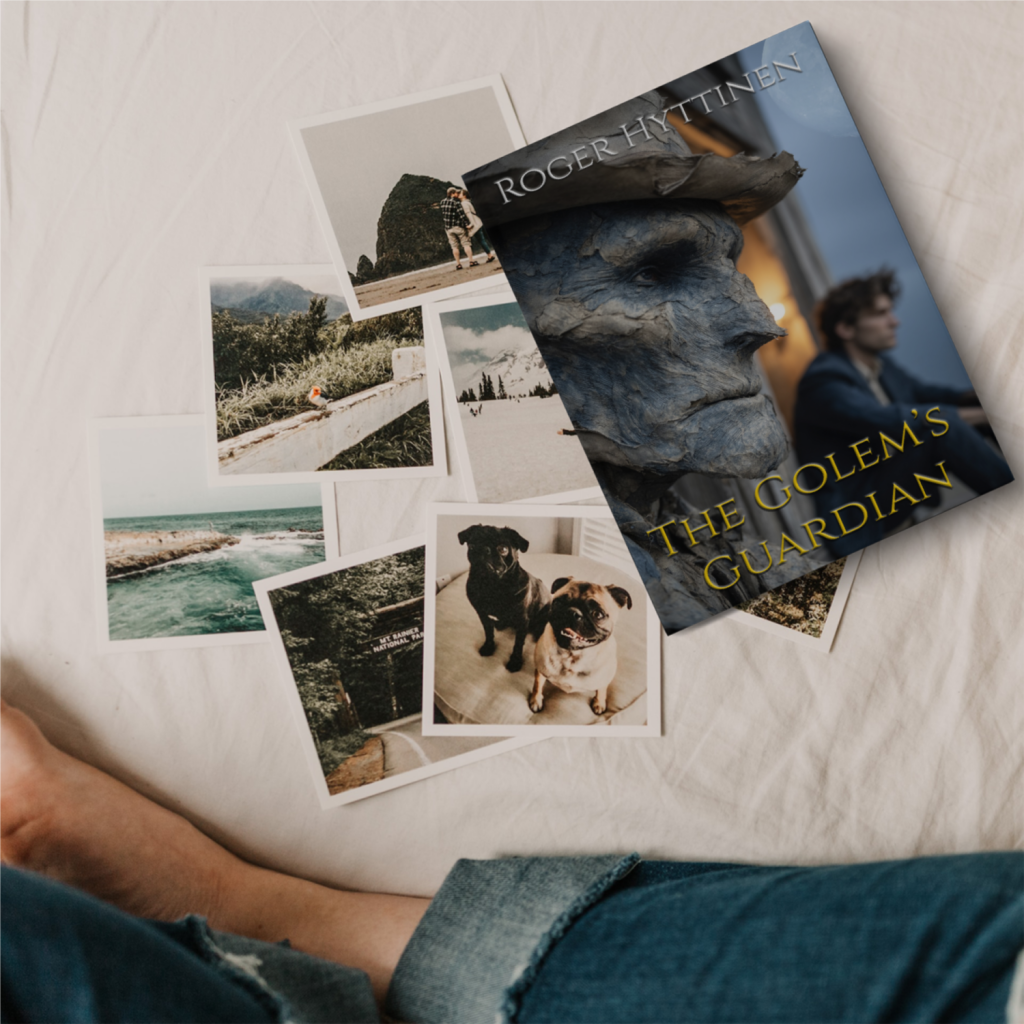
Have you read my latest book, “The Golem’s Guardian” yet? If not, you can snag a copy HERE.

Photo of book The Golem's Guardian

Witches, Wolves, and Wasted Potential: Urban Fantasy on Screen Read Post »

Gay Wizards, Vampire Boyfriends, and Why We Need More Than Just Tragic Backstories

Young vampire

So I’ve been thinking a lot lately about gay male characters in urban fantasy, and honestly? We’ve come a long way from the days when the only queer representation was the tragic sidekick who died to motivate the straight hero. But we still have some work to do, you know?

I remember picking up my first urban fantasy novel with a gay protagonist back in college. It was one of those vampire romance things where the guy spent most of the book angsting about his sexuality while fighting demons. Don’t get me wrong, internal conflict is great for character development, but when that’s literally the only personality trait your gay character has, we’ve got a problem.

The thing is, being gay isn’t a personality. It’s just one aspect of who someone is, like being tall or having brown eyes or being obsessed with obscure 80s music. The best gay male protagonists I’ve encountered are the ones who feel like real people first, who happen to be gay, rather than walking stereotypes wrapped in leather jackets.

Take Magnus Bane from Cassandra Clare’s “The Mortal Instruments” series. Sure, he’s flamboyant and dramatic, but he’s also centuries old, incredibly powerful, and has this fascinating relationship with mortality and love. His sexuality informs his character but doesn’t define every single thing about him. Plus, his relationship with Alec actually develops over time instead of being insta-love, which – thank god – feels so much more authentic.

Then there’s Ronan Lynch from Maggie Stiefvater’s “The Raven Cycle.” I love how his sexuality unfolds gradually throughout the series. He’s not introduced as “the gay one” – he’s this complex, angry, dream-manipulating kid dealing with family trauma and his own dangerous powers. When his feelings for Adam surface, it feels organic to his character rather than tacked on for representation points.

Movies have been hit or miss on this front. I loved “The Old Guard” because Joe and Nicky’s relationship spans centuries, and their love story is epic without being tragic. They’re immortal warriors who’ve been together for almost a thousand years, and their dynamic feels lived-in and real. Marwan Kenzari and Luca Marinelli had such natural chemistry that you completely bought their ancient love story.

But then you get films like some of the earlier superhero movies where gay characters were either villains coded with negative stereotypes or completely absent. It’s frustrating because urban fantasy is literally about hidden worlds and secret identities – metaphors that resonate deeply with queer experiences.

What I really want to see more of are gay male protagonists who get to be heroes of their own stories without their sexuality being either their greatest weakness or their most interesting trait. Give me the gay wizard who’s terrible at spell components but brilliant at strategy. The vampire hunter who’s been in a happy relationship for fifty years and whose biggest conflict is whether to adopt a hellhound puppy.

I think about characters like Simon Snow from Rainbow Rowell’s series – he’s awkward and powerful and sometimes makes terrible decisions, and his relationship with Baz is just one part of his larger journey. Or even going back to older works, Mercedes Lackey’s Vanyel from the “Last Herald-Mage” trilogy was groundbreaking for having a gay protagonist in epic fantasy back in the late 80s, even if some aspects feel dated now.

The urban fantasy genre has this amazing opportunity to explore queer experiences through metaphor – shapeshifters dealing with identity, magic users hiding their true nature, found families of supernatural beings. When writers really lean into those parallels without making them heavy-handed, the stories sing.

I’m seeing more authors getting this right lately. TJ Klune’s “The House in the Cerulean Sea” gave us Linus Baker, a caseworker for magical youth who finds love and family in the most unexpected place. The book is sweet without being saccharine, and Linus feels like a real person dealing with real problems, not a collection of gay stereotypes.

What excites me most is seeing younger writers who grew up with better representation creating even more nuanced characters. They’re writing gay male protagonists who are allowed to be funny, heroic, flawed, powerful, vulnerable – the full spectrum of human experience.

We’re moving beyond the era of tragic gays and stereotypical villains, and honestly, it’s about time. Give me more gay heroes who save the world, fall in love, adopt magical creatures, and occasionally burn dinner while trying to master ancient spells. That’s the kind of representation that feels real and meaningful.

Anyway, those are my thoughts on this rainy Tuesday afternoon. What do you think? Got any favorite gay male protagonists in urban fantasy I should check out?


Nick Michelson is 16 and he:

Can see ghosts
Reads Tarot cards
Gets visions of the future
May or may not have a crush on his best friend.
And ghosts come to him for help
…but some, for revenge

Read the book that began it all: Nick’s Awakening

Gay Wizards, Vampire Boyfriends, and Why We Need More Than Just Tragic Backstories Read Post »

Don’t Borrow Shoes You Can’t Dance In

!trying on shoes.

(A Personal Rant About Living Someone Else’s Life)

I was twenty-three the first time someone told me I was “wasting my potential.” The accusation came wrapped in concern, like a sad little gift box from someone who just couldn’t believe I’d choose something as impractical as writing for a living. I remember the way their eyebrows crinkled, like they were physically pained by my decision to not go to grad school, not take the corporate job, not follow the plan. Their plan.

And honestly? For a hot minute, I believed them.

When the Blueprint Isn’t Yours

There’s something weirdly seductive about living by someone else’s script. Like, it comes pre-loaded with steps. Go here. Study that. Date someone respectable. Get a salary with benefits. Schedule joy for weekends and vacations, if there’s time. The world practically hands you this cookie-cutter life and dares you to color outside the lines.

But here’s the thing: sometimes those lines? They choke you.

When I first heard the Steve Jobs quote — “Your time is limited, so don’t waste it living someone else’s life” — I think I physically exhaled. Like I’d been holding my breath for years and suddenly realized I didn’t have to keep performing in someone else’s costume.

We all come into this world with clocks ticking quietly inside us. Not in a morbid way, just… true. Limited hours. And how many of those hours do we spend doing things because we think we should? Because we’re afraid of disappointing the people who mean well? Because risk is scary and validation is addicting?

The Great Identity Costume Party

For a long time, I lived like a shadow version of myself. I wore outfits I didn’t like. Laughed at jokes I didn’t find funny. Went to events where I felt like a cardboard cutout of a human. I even tried out a “business casual” phase — blazers, loafers, corporate jargon (Let’s circle back after we’ve aligned our priorities and touch base on the low-hanging fruit to ensure we’re leveraging our synergies moving forward.)

I kept trying to stuff myself into molds that weren’t shaped like me. Like putting on shoes two sizes too small and wondering why I couldn’t dance.

Living someone else’s life, even a polished, successful-looking one, is exhausting. And the weird part? You can get really good at it. Scarily good. Like Oscar-level performance good.

But eventually, something breaks. For me, it was a Tuesday night and a cheap bottle of red wine. I sat at my kitchen table, looking at a spreadsheet I had no interest in finishing, and just thought: What am I doing? This isn’t a life. This is a rental.

So I quit. I left the job, the apartment, the whole dang storyline. And yes, I panicked. I cried into my cereal. I googled “how to know if you’ve ruined your life.” (Spoiler: you haven’t.)

Making Peace with the Messy, Glorious Unknown

When I started freelancing and writing fiction full-time, and leaning into the weird, messy, artsy version of myself, I didn’t magically become a zillionaire. But I did start waking up not dreading the day ahead. I stopped editing myself in conversations. I wrote things that made me feel something.

So yeah…

I don’t think we talk enough about how terrifying it is to stop living someone else’s life. It means admitting you don’t know where the road goes. It means possibly looking ridiculous. It means doing the scary brave thing and saying: “This is who I am. This is how I want to spend my limited, irreplaceable time.”

And you know what? That’s worth it.

So if no one has said it to you yet today: you’re allowed to choose a different path. You’re allowed to rip up the script. And if your version of success looks wildly different than what your family or peers expected — that’s not failure. That’s freedom.

Now go dance in your own shoes. Even if they squeak (mine squeak like bloody hell).

Don’t Borrow Shoes You Can’t Dance In Read Post »

Scroll to Top