Author name: Roger Hyttinen

Just for Fun: If Mythological Gods Had Instagram

Loki in the midst of shapeshifting

I’m feeling a bit silly today and I came up with this idea….

Okay, soI know the gods of myth are supposed to be all majestic and timeless and whatever, but I cannot stop imagining what would happen if they got their hands on Instagram. Like, just picture Zeus trying to slide into DMs and accidentally live-streaming himself shapeshifting into a swan. Again. Blocked by Hera for the 387th time this week. Honestly, the god has zero chill and I feel like he’d be the type to post vague thirst traps with cryptic captions like “Lightning never strikes twice… unless I want it to ⚡😉.” Sir, please log off.

Now let’s talk about Athena. Oh, you know she’s running a flawless, grayscale aesthetic with Latin quotes and black coffee in moody lighting. She’s the queen of the #NoFilter movement but also subtly tags her owl in every post, like, “Just me and Glaucus vibing in the war room ☕🦉.” She’d totally have one of those perfectly curated highlight reels labeled “Wisdom,” “Battle,” and “Petty Feuds w/ Poseidon.”

Meanwhile, Poseidon is definitely that guy who overposts vacation selfies. Beaches. Buff arms. Salt in his curls. Always tagging some random trident brand like it’s a casual sponsored post. “Just me, vibing in Atlantis. #OceanDaddy #DeepThoughts.” I feel like he’s also constantly tagging his location even when he’s somewhere sketchy like, “Mediterranean trench 🧜‍♂️🌊💀.”

And Loki? Oof. Loki is absolutely thriving in chaotic Instagram energy. His grid is pure nonsense: mirror selfies that distort his face, cursed memes, illusion tricks, and unhinged Instagram stories where he starts a poll like “Should I shapeshift into your ex and cause emotional turmoil today? 💔🐍” And the results are always 98% yes because honestly, we live for the drama.

Oh! Persephone. My girl would run two accounts. One is all soft-core cottagecore vibes—sun hats, pomegranates, beeswax candles, “accidental” flower crown selfies. The other? It’s a secret Finsta called @UnderworldWitchBabe where she posts shadowy OOTDs, rants about seasonal depression (literal, not metaphorical), and thirst reposts of Hades brooding by a fireplace. “Me looking respectfully.” (And Hades, being the ultimate goth boyfriend, reposts it with the caption: “She lights my eternal abyss.”)

Not gonna lie, I think Dionysus would have the most entertaining stories. Every post is blurry, chaotic, and usually involves someone dancing on a table. He’d be posting from vineyards with half-drunk poetry and random centaurs just wandering in and out of frame. Comments like “bro where even ARE you” would flood in hourly, and the answer would always be a shrug emoji and a photo of a spilled goblet.

And then there’s Anubis—underrated king of the aesthetic feed. Like, you just know that man’s Instagram is visually immaculate. Monochrome black, golden accents, slow-mo shots of incense rising, jackal-themed nail art, and captions like “Sometimes silence speaks louder than the living.” You double-tap it and immediately feel like you need to reevaluate your life.

Honestly, if mythological gods had Instagram, I don’t think the world would be better off—but it’d be way more entertaining. Olympus would fall, sure, but not before we all got to witness a comment fight between Hera and Aphrodite over a shirtless pic of Ares. You can practically hear the passive-aggressive emojis already.

Anyway, now I really want a Greek pantheon reality show where the gods are just influencers with delusions of grandeur and wildly clashing aesthetics. Someone call Netflix. Or better yet—Dionysus. He’ll produce it, stream it, and forget about it all by morning.


When Brooklyn librarian David Rosen accidentally brings a clay figure to life, he discovers an ancient family gift: the power to create golems. As he falls for charismatic social worker Jacob, a dark sorcerer threatens the city. With a rare celestial alignment approaching, David must master his abilities before the Shadow’s ritual unleashes chaos—even if using his power might kill him. The Golem’s Guardian

Just for Fun: If Mythological Gods Had Instagram Read Post »
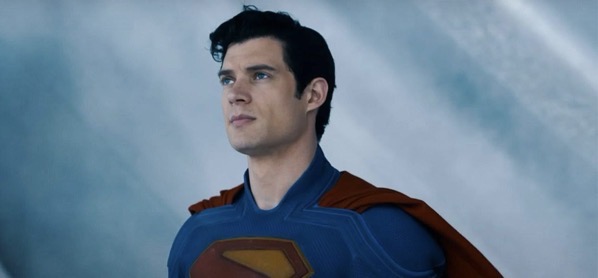
So I Watched James Gunn’s Superman and Honestly? I’m Kind of in Love

image of Superman

Okay, so listen. I just got back from watching Superman—yes, the shiny new 2025 reboot directed by James Gunn—and I’m still buzzing. Like, I was not expecting to feel this giddy about a superhero movie, especially one about a guy who wears his underwear over his tights and saves cats from trees. But here we are. I loved it. I mean, loved it.

You know when you watch something and you’re like, “Oh no, this is gonna live in my head for a while”? Yeah, that was me about twenty minutes in, when David Corenswet soared across the sky for the first time. That man is Superman. Like, not in a cosplay kind of way. I mean, if Superman were real and had impeccable hair and smoldery eyes that make you question everything about your allegiance to Batman—yeah, that’s David.

Plot Stuff (Because Apparently That Matters)

So, the film sets us in a world that’s kind of tired of superheroes. Like, “oh great, another flying dude with laser eyes” kind of tired. But Clark Kent, fresh out of Smallville and new to Metropolis, still believes in truth and justice and helping people because it’s the right thing to do. I know, radical, right?

We get a peek into his early days at the Daily Planet, where Lois Lane (played by Rachel Brosnahan, who was absolutely magnetic, by the way) is already deep in conspiracy theory land about something sketchy going on at LexCorp. Meanwhile, Lex Luthor—cue Nicholas Hoult doing his best “menace in a tailored suit” energy—is rolling out a new AI-powered defense system that’s totally not evil. (Spoiler: it’s evil.)

And then bam! Everything goes full-on chaos when Lex’s “security bots” turn on the city, and Superman has to decide whether being good is enough when people are afraid of what you can do. It’s kind of philosophical in that James Gunn way—like, here’s a guy who could crush a tank like it’s a soda can, but he’s still out here second-guessing whether saving people is even welcome anymore.

The Cast (AKA: Let’s Talk About That Bald Brilliance)

Can we just take a second to talk about Nicholas Hoult as Lex Luthor? I wasn’t sold at first, to be honest. I had flashbacks of his Beast makeup from X-Men: First Class and couldn’t unsee it. But he absolutely ate this role. He’s cold, calculated, weirdly charming in a “this guy absolutely has a cryogenic chamber for his skincare routine” kind of way. And the dude’s got this crew of Gen Z tech bros sitting behind massive gaming monitors, fist-pumping and meme-ing every time Superman gets knocked down. I had to laugh. Like, I get what Gunn was going for—corporate villainy meets Silicon Valley absurdity—but it was a little much. Funny, but maybe turned up to 11 when 8 would’ve done the job.

Still, Hoult nailed it. There’s this one scene where he’s just quietly watching the city fall apart outside his skyscraper window, sipping coffee like he’s watching Succession. No evil monologue, no shouting—just vibes. Chilling, in the best way.

And let’s circle back to David Corenswet, because yes. The dude has the wholesome charm down pat. He’s got the dorky Clark Kent shrug and the “I could lift a mountain but would rather help you carry groceries” sincerity. There’s this scene with Ma Kent back at the farm (yes, it’s still in Kansas, yes, I cried), and it’s like, this is why Superman works. It’s not just the flying or the lasers—it’s the heart. And David brings it.

Rachel Brosnahan’s Lois is smart, fierce, and somehow not just a side character. She’s doing things. She’s chasing leads, pushing Clark to think harder, and holding her own without falling into that tired “damsel in distress” trap. And I loved that they didn’t try to force the romance too hard—there’s chemistry, but it’s slow burn. My favorite kind.

Now Let’s Talk About the Elephant in the Red Cape

Superman Immigrant

So the film has gotten some flak online. Certain corners of the internet (read: right-wing pundits with too much free time) have been calling for a boycott because of how the movie leans into Superman’s identity as—brace yourself—an immigrant. Groundbreaking, right?

I mean, Superman has always been the original immigrant story. The guy literally crash-landed from another planet, was raised in Kansas, and grew up wanting to do good in a world that didn’t fully understand him. That’s not new. That’s baked into the mythos. If that makes you uncomfortable, maybe superheroes just aren’t your thing?

James Gunn didn’t sugarcoat it either. The movie draws some pretty clear parallels to current political tensions—fear of outsiders, media manipulation, weaponizing “national security,” all that fun stuff. Watching Lex whip up public paranoia with sleek soundbites and AI surveillance while Superman’s just trying to be the good guy? Yeah, it felt real. A little too real, honestly.

There’s this scene where Superman saves a group of refugees and then gets accused of interfering in “sovereign affairs” by some snaky government mouthpiece. That hit hard. Like, it wasn’t even subtle. But that’s kind of the point. Good science fiction—and superhero films, when they’re brave—hold up a mirror. And this one doesn’t flinch.

I only hope we get the same hopeful outcome in real life. Because if Clark Kent can still believe in the goodness of people after all that, maybe there’s still hope for us too.

So, Yeah…

This wasn’t just a “good Superman movie.” It was a good movie, period. Like, I went in expecting popcorn fun and walked out with a slight identity crisis about morality, immigration, and AI surveillance. Thanks, James Gunn. I guess I needed that?

If you’ve been on the fence, hop off and go see it. It’s smart, heartfelt, funny, a little chaotic—and it gives Superman his soul back without making it corny.

Can’t wait to see what’s next. Also, if Nicholas Hoult ever plays a Bond villain, just take my money now.

So I Watched James Gunn’s Superman and Honestly? I’m Kind of in Love Read Post »

Weekly roundup for July 19, 2025

Weekly Roundup 2.

Okay, so here’s the thing: not a ton of exciting news this week, unless you count me staring at my screen and muttering things like “No, Lucien wouldn’t say that, you dolt” as exciting. (Which, honestly, maybe you do? I won’t judge.)

I’ve been plugging away at the Detective Noir series — the plan is still to release all three books back-to-back like a crime-fueled Netflix binge. No cliffhanger torment, no “see you in 9 months” nonsense. Just bang-bang-bang. A noir trilogy buffet (though I hope to end up with much more than three books). So yes, progress is happening, but it’s that quiet, slow-burn progress that doesn’t really look like much on the outside. Like bread rising. Or a cat plotting your demise.

That said, I’ve been doing a little behind-the-scenes reevaluating. Specifically, I took a good, honest look at my time and realized that writing and editing the weekly short stories for the newsletter? That’s eating a pretty sizable chunk of my schedule. And while I genuinely love crafting those bite-sized tales — seriously, they’re weirdly therapeutic — they’re also pulling me away from my novel writing. And here’s the kicker: I haven’t gotten any feedback on the stories. Zero comments. Nada. Not even a “meh” or a “hey, that one with the haunted jukebox was weird, man.” So now I’m wondering…are folks even reading them? Are they being enjoyed in secret? Or are they quietly ignored, like a salad at a pizza party?

So here’s what I’ve decided: the weekly short stories are going on hiatus. Not forever. I’m not throwing them into a volcano or anything. But for now, I am stepping back from doing them every single week. I might still toss a story up on the blog now and then when inspiration smacks me upside the head. But they’re not going to be a regular thing for a while.

And while I’m at it, I’m tweaking the newsletter schedule too. Instead of showing up in your inbox every single week, I’ll send it out every 2–3 weeks or whenever something exciting happens — like a cover reveal, a book release, or if I just saw a movie that I need to yell about. (Looking at you, overly serious supernatural thrillers with zero payoff.)

Now — and this part’s important — if you are someone who does look forward to the weekly stories and you’d be sad to see them go, let me know. Seriously. I’m not one of those “I don’t read the comments” people. I totally read the comments. And the emails. And smoke signals, if that’s your thing. If enough people miss the stories, I’ll reconsider. I mean it.

The newsletter will still be worth opening, I promise. There’ll still be updates, bookish stuff, and the occasional weird musing. Just fewer stories, and more focus on getting Lucien, Gabriel, and the rest of my noir misfits out into the world.

Anyway, that’s the update from the writing cave. It smells faintly of coffee and frustration, but there’s good stuff brewing, I swear.

Oh, and while I have your attention – have you checked out “The Golem’s Guardian” yet? If you haven’t gotten your hands on a copy, you can snag one HERE. I’m still pretty excited about how that one turned out.

Now, let’s get on to the roundup…

Some Things I Thought Were Worth Sharing

My author friends may find this article about Beta readers helpful: How to find beta readers for final draft feedback https://nownovel.com/how-to-find-beta-readers/

Just for fun: Meet the gay Latin nurse & model vying to become Mister USA 2025 https://www.queerty.com/meet-the-gay-latin-nurse-model-vying-to-become-mister-usa-2025-20250711/

The ‘bizarre buildings’ photographs are fun: The Strangest And Most Unique Buildings From All Over The World https://www.boredpanda.com/bizarre-crazy-buildings-msn/

Short Video in which David Archuleta shares his journey to understanding and accepting his queer identity https://greginhollywood.com/david-archuleta-shares-his-journey-to-understanding-and-accepting-his-queer-identity-246861

My writer friends may find this article about developing your literary voice of interest: https://nownovel.com/what-is-literary-fiction/

An article for my author friends: Why “The Worst That Can Happen” Is Terrible Writing Advice http://blog.janicehardy.com/2022/10/why-worst-that-can-happen-is-terrible.html

If you’re a writer, you may be interested in this Creative Writer’s Toolkit: 7 Tools You Can’t Write Without https://thewritepractice.com/creative-writing-tools/

Looking forward to seeing the new Superman movie. In the meantime: Superman’s David Corenswet’s in sweats for GQ Hype shoot https://omg.blog/omg-supermans-david-corenswets-in-sweats-for-gq-hype-shoot/

Book lovers may find this of interest: Before Amazon, We Had Bookmobiles: Rare Photos Of Libraries-On-Wheels https://www.boredpanda.com/bookmobile-library-on-wheels-msn/

Photography eye-candy: Photographs of abandoned places at night https://www.boredpanda.com/forgotten-places-unique-lightning-photography-guillaume-prugniel-j-part-4-msn/

The ‘bizarre buildings’ photographs are fun: The Strangest And Most Unique Buildings From All Over The World https://www.boredpanda.com/bizarre-crazy-buildings-msn/

My author friends may find this of value: Book title ideas — How to come up with the best https://nownovel.com/how-to-write-a-book-title/

Weekly roundup for July 19, 2025 Read Post »

Why I’d Rather Be Ridiculous Than Boring

eccentric man with silly glasses and outlandish clothing

I still remember the first time I wore leopard-print pants in public.

It was a Wednesday. I had an iced latte in one hand, mild anxiety in the other, and exactly zero business walking into a coffee shop dressed like a disco ball had gotten frisky with a safari guide. But there I was—strutting (read: internally spiraling) across a sea of denim and neutrals, feeling both foolish and fully alive.

That, my friends, is what Marilyn Monroe was talking about.

“It’s better to be absolutely ridiculous than absolutely boring.”

Let’s talk about that.

The Myth of Playing It Safe

For a good chunk of my life, I tried to blend in. I thought it was safer that way—less awkward, fewer questions, no raised eyebrows. If I could keep my head down, wear “sensible” shoes, and stick to polite opinions, maybe I could make it through life unnoticed and unscathed.

Spoiler: I was very bored. Worse, I was boring.

And here’s the kicker—I wasn’t even happy. I was just… beige. You know that feeling when you’re in a conversation and your brain goes, “Are we really talking about the weather again?” Yeah. That was my whole existence for a while.

But being “normal” is exhausting. It’s a full-time job with no benefits and a dress code that sucks the soul out of you.

The Power of the Ridiculous

There’s a kind of magic that happens when you stop trying to be digestible and start letting yourself be a little absurd. Whether it’s fashion, opinions, hobbies, or how you decorate your living room (hello, disco ball in the kitchen), leaning into the ridiculous is like giving yourself permission to actually be a person.

Not a carefully curated brand. Not an algorithm-friendly highlight reel. A human being, weirdness and all.

Some of the most delightful people I’ve ever met are gloriously ridiculous. One friend wears socks with avocados on them and swears by peanut butter on pizza. Another sings show tunes in public like we’re in a live-action musical. And I love them for it. Not because they’re “quirky” but because they’re alive in a way that people who cling to conformity often aren’t.

Fear of Cringe Is Killing Us

Okay, not literally, but stay with me.

We live in a time where being “cringe” is treated like a social death sentence. Express an unpopular opinion? Cringe. Post a vulnerable thought online? Double cringe. Try something new and flop? Oh no, eternal internet shame.

But guess what—ridiculousness is where growth lives. Creativity lives there. Joy lives there. All the most unforgettable stories I have (and probably you too) came from moments where I was slightly out of my depth, a little over-the-top, or laughing too hard to care how I looked.

Playing it safe won’t give you stories to tell. Being ridiculous will. (Plus I find the word ‘cringe’ so…..cringe!)

So What If They Think You’re Weird?

This is the part where I get a little soapbox-y, so buckle up.

People are going to judge you no matter what. You might as well give them a damn good show.

Wear that neon jacket. Take up pottery even if your first bowl looks like a tragic ashtray (like mine did). Start a blog with twelve readers (hi, Mom). Go salsa dancing even if you’ve got two left feet and one of them’s on fire. Just… do the thing. Whatever it is.

Because living loud, living honest, and yes—living ridiculous—is the only antidote I’ve found to the soul-numbing dullness of being “normal.”

So, yeah…

I’ve learned more about myself in moments of absurdity than I ever did in quiet compliance. So here’s where I land: If the choices are between being a little cringe or being completely forgettable, I’ll take cringe with a side of glitter, thanks.

Life’s too short to be beige.

Go be ridiculous. Marilyn would’ve approved.

P.S. I just got me some purple eyeglasses and I love them! My spouse says I’m cultivating my Dame Edna persona…perhaps I am.

Have you grabbed a copy of my latest book, The Golem’s Guardian? If not, you can grab your copy HERE


Why I’d Rather Be Ridiculous Than Boring Read Post »

Ghosts, Grit, and Guys Who Kiss—Why I Write Gay Male Heroes in Supernatural Worlds

Man with dirty face and yellow eyes

So let me tell you something weird and very specific about me (and maybe you can relate, maybe you’ll just smile and nod politely): I’ve always been that guy who wanted the vampire hunter to kiss his brooding male companion instead of rescuing the blonde ingenue. And not just kiss him—but, like, really go through something together first. Blood, betrayal, maybe a deal with a demon that leaves emotional scars. You know. The good stuff.

I write gay male heroes in gritty, supernatural worlds because that’s the kind of story I craved growing up—and let’s just say the pickings were slim if you wanted queer characters who weren’t tragic sidekicks, sassy best friends, or some blink-and-you’ll-miss-it coded glance across a smoky bar.

Nope. I wanted haunted alleyways, cursed antiques, moonlit rooftops, and dudes falling in love while dodging ghosts with knives. I wanted longing and horror. Leather jackets and emotional repression. Soulmates and salt circles.

Why supernatural?

There’s just something deliciously cathartic about supernatural settings. Everything’s turned up to eleven. The stakes are literally life and death (or, you know, un-death), and the emotional terrain gets all twisty and intense. It’s messy. Dangerous. Romantic in a way that actually feels risky.

And as a queer person? Yeah, I relate to that. A lot of us grew up having to live in the shadows, second-guessing our gut feelings, trying to figure out which parts of ourselves were “safe” to show. That kind of double life? That’s vampire material right there. That’s shapeshifter. That’s cursed oracle. The metaphor is practically glowing in neon.

Why gritty supernatural?

Because I don’t do fluff well. I mean, don’t get me wrong—I love a sweet story with two dudes baking cupcakes and falling in love over an enchanted mixer, but when I write, I’m chasing something darker. Not grimdark-for-the-sake-of-it, but raw. Ugly. Honest.

I want my heroes bruised, emotionally and otherwise. I want them cracking jokes while bleeding out in a haunted speakeasy. I want them kissing like it’s a last meal. And I want magic to be beautiful and terrifying. Because that’s how the world often feels. Especially when you’re queer.

A lot of queer folks live in survival mode for a while. We become hyper-aware, emotionally nimble, a little cynical. That’s why I love dropping gay male heroes into these pressure-cooker worlds. I want to show how they rise—how they still choose connection, even when everything in them says “nope, too risky, shut it down.”

My favorite kinds of guys to write?

Give me the reluctant hero. The loner. The ex-cop with a demon in his basement and a cigarette habit he keeps swearing he’ll quit. The medium who didn’t ask to see ghosts, thank you very much. The snarky necromancer who falls for the grim reaper. (Still mad that hasn’t been done more, by the way.)

These men are complicated. They’re not always soft or shiny or good at feelings. But they care. And they fight. Not just the monsters in the shadows, but their own trauma, their own guilt, their own belief that they don’t deserve love. Watching them find it anyway? That’s the part that gets me every time.

Why gay male heroes?

Because we need more of them. Not sanitized, side-character versions, but central, messy, sexy, real ones. We deserve stories that let us be the chosen ones. The cursed ones. The heroes and the disasters. I want gay characters who save the world and get the guy. Preferably while covered in blood and muttering something sarcastic.

And maybe, just maybe, I’m still writing for the younger version of me who sat in his childhood bedroom with a horror paperback in one hand and a spiral notebook in the other, dreaming up alternate endings where the monster hunter didn’t end up with the damsel—but with the other monster hunter. The one with the scar and the tragic past and the slow-burn yearning that never made it to the page.

Alright, that’s my ramble. If you’ve ever wanted to see queer guys get their hands dirty in stories full of ghosts, demons, and supernatural what-the-hellery, then hey, welcome to the club. The blood’s fresh, the magic’s weird, and the boys? They’re just trying to survive—and maybe fall in love before the next curse hits.

Did you know that the Ghost Oracle series is now available in a box set (ebook only)? It’s broken out into two sets:  Books 1-3 and Books 4-6

Ghosts, Grit, and Guys Who Kiss—Why I Write Gay Male Heroes in Supernatural Worlds Read Post »

Why We Can’t Stop Crushing on Queer Villains (Even When They’re Trying to Burn Down the World)

AdobeStock 575537502.

Okay, so hear me out: queer-coded villains in fantasy are kind of… irresistible. Not in a “yay, evil!” way (though sometimes, yes, also that), but in that messy, juicy, fascinating way where you’re halfway through a book or movie and suddenly realizing you’d rather spend three hours in a morally complex debate with the villain than go to brunch with the hero. Like, yeah, they’re probably about to summon an ancient shadow beast or stab someone in the back with an obsidian dagger shaped like a bat wing, but also? They’re making a point.

Let’s just get this out of the way first: the queer villain trope has a long, messy history. Historically, a lot of them were coded as queer because writers couldn’t openly make characters LGBTQ+ without network censors freaking out. So instead, we got the slinky, sarcastic, well-dressed, emotionally repressed villain with perfect eyeliner and a penchant for elaborate monologues. Think Scar from The Lion King, or Jafar from Aladdin. (Disney, we see you.)

But here’s where it gets interesting: somewhere along the way, the queerness became part of what made them compelling, not just threatening. These characters often live outside the rules of the world around them. They’re not afraid to be other, to lean into their difference, to challenge systems. And for a lot of queer folks—myself included—there’s something deeply cathartic about watching a character who’s been rejected or misunderstood flip the whole system the bird and build their own tower of power. (Maybe literally.)

One of my forever favorites is Melisandre from Game of Thrones. Okay, yes, she’s technically not queer-coded in a sexual orientation sense (though I dare you to find a straighter woman who births a smoke demon). But she’s deliciously Other, mysterious, powerful, devoted to something everyone else thinks is nuts, and unapologetically herself. There’s something inherently queer in that rejection of social norms and that extravagant performance of belief.

Then there’s Loki. Ah, Loki. Tom Hiddleston smirking through ten thousand morally ambiguous decisions in Thor and The Avengers. Canonically genderfluid and pansexual in Norse mythology—and finally acknowledged as such (sort of) in the Disney+ series—Loki is the poster child for the chaotic queer archetype. Mischief isn’t just his title, it’s a lifestyle. And somehow, even while lying to literally everyone and trying to take over Asgard, he’s still sympathetic. Because underneath all the trickery is that wounded kid who was never enough for his dad. That hits harder than a Mjölnir to the gut.

But let’s not forget our literary babes. The Picture of Dorian Gray is practically one long queer villain origin story. Dorian is gorgeous, narcissistic, and fully corrupted by Lord Henry’s flamboyant nihilism. There’s something deeply seductive about watching him fall—gracefully, glamorously—into darkness. Oscar Wilde, who wrote it while living in Victorian England and facing actual prison for being gay, wasn’t exactly being subtle. The real tragedy? Dorian’s villainy isn’t just aesthetic—it’s a metaphor for repression, and what happens when desire gets buried too deep.

Now, obviously, it’s important to draw the line between complex characters and damaging stereotypes. We’ve had enough “the gay guy dies horribly because of his evil ways” stories, thanks. But when done right—when they’re not just queer-coded, but queer—these villains become something else. They stop being symbols of danger and start becoming avatars of agency. Power doesn’t have to look noble or straight. Sometimes, it looks like Ursula the Sea Witch, repurposed from Divine the drag queen and singing “Poor Unfortunate Souls” like she owns the ocean. (Which, let’s be honest, she kind of does.)

And then there’s Castlevania’s Carmilla. Oh my god. She’s like if you took every power-hungry, femme-fatale vampire trope and wrapped it in velvet and bisexual rage. The way she struts through that show—dripping sarcasm, rolling her eyes at incompetent men, and plotting world domination like it’s a wine tasting—it’s art. She’s not queer-coded. She’s queer, full stop. And she’s tired of men screwing everything up. Hard relate.

And while we’re on vampires: Interview with the Vampire‘s Lestat. Good lord, Lestat. I’m not saying Tom Cruise was giving deliberate queer energy in the 1994 version (though I am saying that), but in the recent AMC adaptation? It’s full tilt. The man is drama incarnate. He turns people into vampires because he’s lonely, throws blood tantrums when his undead boyfriends don’t love him enough, and monologues like a Shakespearean theater kid in eyeliner. It’s not just compelling—it’s vampiric gay chaos with a body count.

Let’s pop over to comics for a second—because you cannot talk about queer villains without tipping your hat to Mystique from X-Men. Shapeshifter, bisexual icon, deeply jaded revolutionary? Yes, yes, and hell yes. She’s one of those characters who is constantly blurring the line between right and wrong, self and other. Her queerness isn’t just in who she loves (though yes, Destiny, we know), it’s in her refusal to be fixed or defined. She literally changes her body whenever she wants. That’s pretty queer, philosophically speaking.

And She-Ra and the Princesses of Power gave us Catra. Look, if you didn’t feel something watching that emotionally damaged, jealous, brilliant lesbian cat-girl struggle with her feelings for Adora while also trying to conquer Etheria… I don’t know, maybe your heart is made of beige carpet. Catra is a modern blueprint for the queer villain-turned-antihero: traumatized, defiant, full of unprocessed affection and rage. And her redemption arc? Gorgeous. But even when she was Bad™? Still compelling as hell.

Quick detour into video games: Dragon Age: Inquisition gave us Samson, a tragic fallen Templar with an implied queerness that feels less token-y and more baked into the heartbreak of his character. He’s not evil because he’s queer—he’s a villain despite being queer, and the queerness is just part of his messy humanity. And don’t get me started on Final Fantasy villains like Kuja from FFIX, whose entire vibe is “gender is a prison and I’m showing up to the ball in feathers and vengeance.” Iconic.

And if we’re talking animated brilliance, let’s not skip over HIM from The Powerpuff Girls. Look, I know it’s a kid’s show, but HIM was doing devil drag before most of us knew what that even was. High heels, cravat, lobster claws, and a falsetto that could slice glass—he scared the crap out of me and made me question the gender binary. Duality, baby.

Bottom line? These villains stick with us not just because they’re queer or fabulous or damaged (though, sure, all of that), but because they’re multidimensional. They’re allowed to be vain and vicious and vulnerable and seductive and petty and powerful. They’re not just queer-coded throwaways anymore—they’re whole damn people, and we crave that.

I’d love to keep going, honestly, because once you start unearthing these characters, it becomes this little queer archaeology project: “Oh, this is why I was obsessed with Maleficent at age eight.” (Wings? Horns? The cheekbones?? Come on.)

Honestly, maybe what we love most about these characters is that they feel like they’ve had to fight for every inch of themselves. They’ve often been rejected, othered, and pushed to the margins—and instead of folding, they get fabulous. They sharpen their claws. They set the world on fire, but with style. And even when we know we shouldn’t root for them… we kind of do anyway.

So yeah. If your villain has emotional baggage, sparkling dialogue, and an aura of tragic fabulousness, there’s a good chance I’m rooting for them. Or at least writing fanfic in my head.

P.S. If you’ve got a favorite queer villain, send ‘em my way. I’m always looking to expand my League of Fabulous Evil.

Why We Can’t Stop Crushing on Queer Villains (Even When They’re Trying to Burn Down the World) Read Post »

Scroll to Top