Author name: Roger Hyttinen

Luck, Coffee, and the Myth of the Magical Shortcut

Money falling on a lucky businessman, slot machine in the background

So here’s the thing about luck: we all secretly want to believe it’s real. Like, really real. That one mystical force that decides whether you find a twenty-dollar bill on the sidewalk or spill coffee on your shirt right before a job interview.

Ralph Waldo Emerson once said,  “Shallow men believe in luck. Strong men believe in cause and effect.”  And honestly, it’s one of those quotes that makes you pause mid-sip and go, “Wait, ouch—was that directed at me?”

Because if we’re being honest, most of us flirt with the idea of luck all the time. I know I do. I’ve blamed bad luck for a book not selling well, or for missing a train by twelve seconds, or for my sourdough starter mysteriously dying overnight. But Emerson’s quote is basically the 19th-century version of, “Stop blaming Mercury retrograde and look at your choices.”

What Emerson Actually Meant

When he says “shallow men,” I don’t think he’s talking about people who wear too much cologne and use “bro” unironically. He means people who look at outcomes and assume they’re random—like life is one big slot machine.

The “strong” ones, on the other hand, are the ones who understand that results come from action, consistency, and a whole lot of unglamorous effort. Cause and effect. You do X, you get Y. Or, if you’re like me, you do X and get a weird version of Y that needs editing.

Luck vs. Effort

Say someone lands their dream job and we all go, “Wow, they’re so lucky.” But behind the curtain, that same person spent years networking, building a portfolio, sending follow-up emails, and probably crying over rejection letters in their kitchen. That’s not luck—that’s persistence, caffeine, and maybe some good timing, but timing only matters if you’re already ready.

Or take athletes. People say, “He’s lucky to be that talented.” No, he’s been running drills since fifth grade while the rest of us were eating Pop-Tarts and pretending gym class was optional. That’s cause and effect in motion.

Writers, musicians, entrepreneurs—it’s the same deal. There’s a mountain of invisible effort behind every “overnight success.” What we call luck is usually just someone else’s long-term effort finally showing up publicly. Luck is the shiny packaging; cause and effect is the machinery inside.

That Time Someone Complimented My Camera

A while back, someone looked at one of my photos and said, “Wow, your camera takes great pictures.” And I know they meant it as a compliment, but I was… kind of insulted.

Because it wasn’t the  camera  that got up at 5 a.m. to catch that sunrise. It wasn’t the camera that spent years learning composition, lighting, and how to make the most of a bad angle. The camera’s a tool—it does what it’s told. The person behind it is the one doing the seeing.

That comment stuck with me, though. It’s the same way people talk about luck. They see the final result—whether it’s a beautiful photo, a finished book, or a thriving business—and they credit some external thing: “You’re lucky,” “You have a great camera,” “You’re naturally talented.” But all of those phrases skip over the hours of effort that made the end result  look  easy.

But What About Chance?

I don’t think Emerson meant we have to become stoic robots who deny the element of chance. Life does throw curveballs. Sometimes you just happen to meet the right person at the right time, or stumble into a weird opportunity because you took the wrong exit.

But even then—here’s the fun part—cause and effect still plays a role. You were open enough, curious enough, brave enough to be there in the first place. That’s not luck. That’s positioning.

A Personal Example

Years ago, I met someone at a café because I accidentally sat at their table (introvert nightmare). We got to chatting, and that conversation led to a freelance project, which led to another, which helped me pay my bills during a really dry spell.

People later said, “What a lucky break!” But if I hadn’t taken my laptop to that café, or said “sorry” instead of scuttling away, it never would’ve happened. See? Cause. And effect.

Why We Love the Idea of Luck

We all like to believe in luck because it takes the pressure off. If things don’t work out, we can shrug and say, “Wasn’t my lucky day.” But believing in cause and effect means we have to take responsibility.

It means if something doesn’t work, maybe it’s because our approach needs adjusting—not because the universe is ignoring us. That can sting, but it’s also empowering. It puts us in the driver’s seat.

Playing the Long Game

Cause and effect doesn’t always pay off immediately. You might do everything right and still not see results for months, maybe years. But that’s not proof that luck is in charge—it’s just proof that the world operates on its own weird timeline.

It’s like planting seeds. You can water them, give them sunlight, and whisper encouraging things, but you can’t force them to sprout on your schedule.

Taking Emerson’s Advice to Heart

When I read Emerson’s quote, I think of it less as a diss to “shallow” people and more as a gentle nudge to stop waiting for someone else to flip the switch. You make your own cause. You create your own effect.

And the more you stack those deliberate actions, the more “luck” you seem to have. It’s sneaky that way.

Final Thoughts

So maybe luck isn’t a real force after all. Maybe it’s just the visible echo of preparation colliding with opportunity. That’s a little less magical—but a lot more doable.

Anyway, here’s to being “strong” in the Emersonian sense: showing up, trying again, and pretending luck has nothing to do with it… even when you secretly cross your fingers under the table.


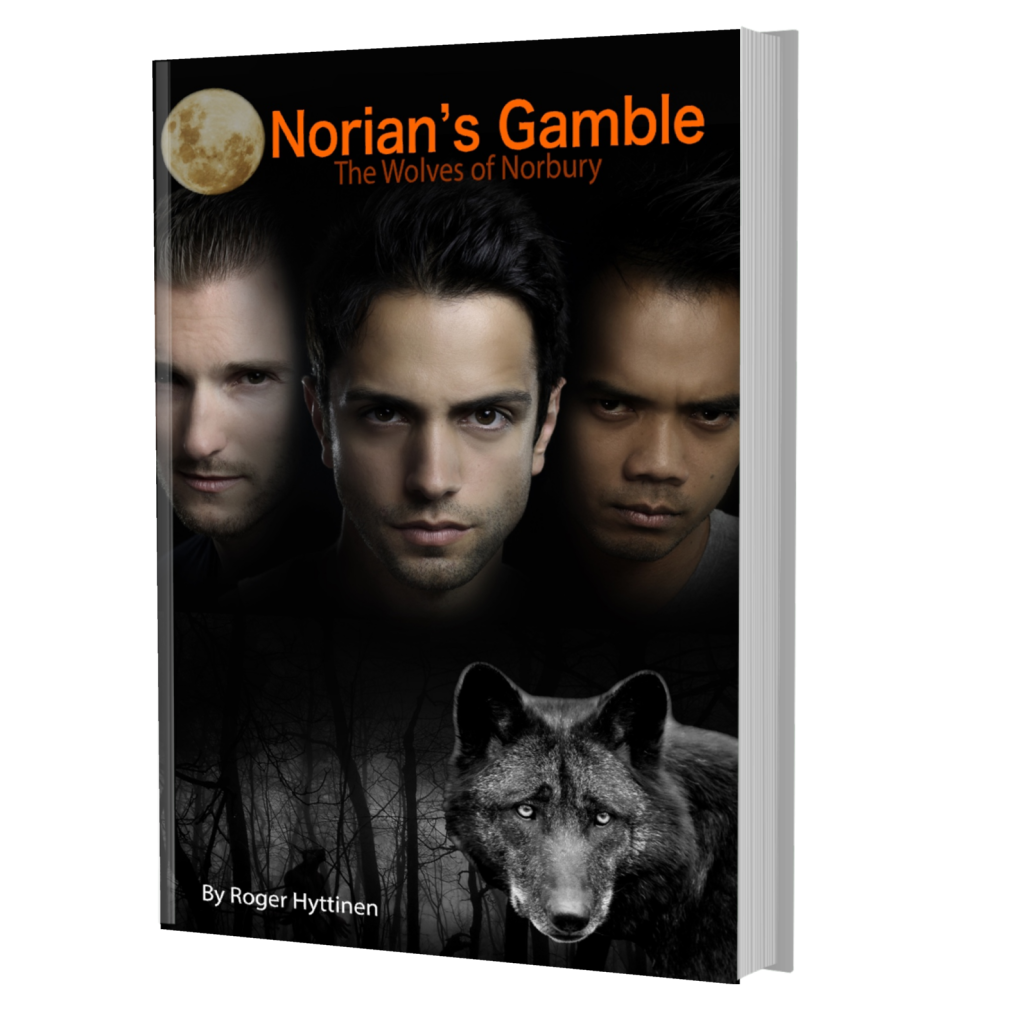
Norian's Gamble book cover - three handsome young men with a black wolf, full moon overhead

Every kingdom has its enemies. For Tregaron, that enemy is Lord Vadok—a sorcerer with a taste for vengeance and a plan to topple King Jamros. But when the battle turns personal, Prince Norian discovers that the price of survival is far higher than he imagined. Cursed by a werewolf’s bite, he must learn to master the beast within before it destroys everything he loves. Norian’s Gamble – Available here (or at your favorite online retailer)

Luck, Coffee, and the Myth of the Magical Shortcut Read Post »

Hide and Seek in the Digital Age (Or How I Learned to Stop Worrying and Love My VPN)

Caucasian male hacker wearing green hoodie typing on a keyboard

I’ve been a privacy aficionado for close to two decades now, which is basically ancient in internet years. Back then, we were all tossing our MySpace passwords around like confetti and posting entire family albums on Facebook without a second thought. Now, every time I see a pop-up asking for cookie consent, I sigh deeply, make tea, and wish we’d collectively learned a bit more self-preservation online.

Anyway, I thought I’d share what I’ve learned along the way about keeping your digital life, well, yours. Because if you’re reading this in 2025, odds are some app, ad network, or slightly shady data broker is already trying to figure out how long you lingered on this sentence.

Passwords: The Key to the Kingdom (So Stop Using “123456”)

Let’s start with the obvious one. Your password is basically your first (and often last) line of defense. If you’re still using something like “ilovecats” or your birth year, please, I beg you—retire it.

Use a password manager. Seriously. Bitwarden, 1Password, Proton Pass—take your pick. They’ll create long, ugly, random passwords like “zL3!pX#h2R9w@” that even you won’t remember (and that’s the point). All you have to do is remember  one  master password that’s complex but memorable to you.

And for the love of your sanity, turn on two-factor authentication. Yes, it’s annoying. Yes, you’ll grumble when you have to grab your phone to log in. But that minor inconvenience is what keeps hackers from waltzing into your accounts like they own the place.

VPNs: Your Digital Cloak of Invisibility

A VPN (Virtual Private Network) isn’t magic, but it’s close. Think of it as slipping into a digital disguise. When you use one, your online activity gets rerouted through an encrypted tunnel, making it much harder for anyone—be it your internet provider, government snoop, or curious hacker at the coffee shop—to see what you’re up to.

I’ve been using VPNs since before most people even knew what they were, and it’s wild how far they’ve come. Back in the day, they were slow, buggy, and constantly disconnecting. Now, services like ProtonVPN, Mullvad, or NordVPN are fast, reliable, and don’t log your data.

Just don’t use the free ones. If you’re not paying for the product,  you  are the product.

Email: Ditch the Freebies

I used to be a Gmail devotee, until I realized how much data Google collects about you just by reading your emails. Now I use Proton Mail, which is privacy-focused and encrypted end to end. It’s sleek, secure, and doesn’t shove ads down your throat based on the content of your messages.

Tutanota is another good one. Sure, you might have to pay a few bucks a month, but you’re buying peace of mind—and fewer creepy ads for the thing you mentioned once in an email to your aunt.

Don’t Click That Link

This one’s simple: never click a link in an email or text message unless you’re 100% sure who it’s from. Even then, be suspicious. Phishing scams are getting trickier—sometimes they even  look  like your bank’s website, right down to the logo.

If you get an email saying “urgent account notice,” ignore the link and go directly to the website yourself. Nine times out of ten, it’s a scam trying to trick you into giving away your password or credit card info.

Encrypt Everything

Encryption sounds intimidating, but it’s really just a fancy word for “scrambling your stuff so only you can read it.” You can encrypt files on your computer, your external drives, and even your messages.

On macOS, FileVault does this automatically if you turn it on. On Windows, you can use BitLocker. There are even apps like VeraCrypt or Cryptomator that let you create encrypted folders you can lock up like a safe.

If someone steals your laptop, at least they’ll have to work a lot harder than just guessing your password to get your data.

The Cloud: Not as Fluffy as It Looks

I love the convenience of iCloud and Google Drive, but I don’t trust them with everything. Once you upload something to “the cloud,” it’s not really  yours  anymore.

Use encrypted cloud storage if you’re uploading sensitive stuff—Sync.com, Proton Drive, and Tresorit are good options. They encrypt your files before they even leave your computer. So even if someone broke into their servers, all they’d see is gibberish.

Social Media: The Oversharing Trap

This one’s tough, because social media is addictive by design. But before you post that vacation pic or rant about your new job, remember—once it’s online, it’s basically public.

Facebook and X (ugh, I still call it Twitter) track everything. Every like, every click, every DM. Their business model  depends  on knowing you better than you know yourself. I treat social media like I treat public restrooms: use them when you must, wash your hands afterward, and don’t linger longer than necessary.

My Privacy Philosophy

After nearly twenty years of this, I’ve realized privacy isn’t about paranoia—it’s about boundaries. It’s about deciding how much of  you  the internet gets to have.

I still shop online. I still use social media. But I do it with my digital armor on. VPN running. Passwords locked down. Files encrypted. And maybe a tin-foil hat nearby, just in case.

If you start making even small changes—like using a password manager or switching to a privacy-first email—you’ll feel a surprising sense of relief. Like, “ah, yes, I control this tiny corner of the internet, and it’s mine alone.”

Stay private, my friends. And don’t click suspicious links. Ever.


Golem's Guardian book cover image

What starts as a tiny clay figure dancing on a kitchen table spirals into a battle for humanity’s soul. The Alignment of Shadows is coming, and only David’s bond with his golem can hold the darkness at bay. The Golem’s Guardian – Available Now!

Hide and Seek in the Digital Age (Or How I Learned to Stop Worrying and Love My VPN) Read Post »

LGBTQ+ Cinema Club: We Were One Man (1979)

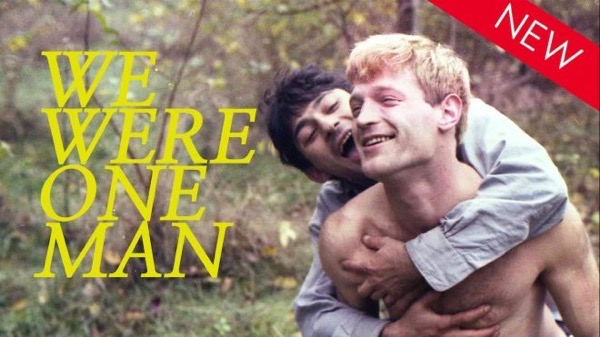
We were one man movie poster

You know when you’re scrolling through movie options, and you stumble upon something you’ve never heard of, and it just… calls to you? That was me the other night, falling down a rabbit hole of obscure 70s cinema, and I surfaced with a real gem: “We Were One Man” (original title: “Nous étions un seul homme”)

Quick Info:

  • Title: We Were One Man
  • Year: 1979
  • Directed by: Philippe Vallois
  • Starring: Serge Avedikian, Piotr Stanislas, and
    Catherine Albin
  • Language: French
  • Where I Watched It: On Dekkoo (streaming service for Gay Men – but I believe you can rent it elsewhere)

Queer-o-Meter:

🏳️‍🌈🏳️‍🌈🏳️‍🌈🏳️‍🌈 (4 out of 5 Pride Flags)
Rated on how gay it feels — characters, themes, vibes, and quiet longing in a war-torn farmhouse. This one? Gay in that “lonely French countryside, two men find something unexpected” sort of way.

One-Line Summary:

A wounded German soldier and a lonely French farmer hide out together during WWII and end up discovering that intimacy doesn’t care about national borders—or gender.

Standout Scene:

There’s a scene where Rolf tries to leave, and Guy’s reaction is just this raw explosion of emotion – it’s not about politics or war, it’s about not wanting to lose this person he’s become attached to.

Would I Rewatch?

  •  Maybe… with wine

Review:

So, picture this: it’s 1943, deep in the French countryside during World War II.We meet Guy, a French peasant who’s a bit of a simpleton, living a solitary life. He’s got a girlfriend in the local village, but you can tell he’s not entirely connected to the world around him. One day, he finds a wounded German soldier named Rolf in the woods and decides to take him back to his cottage to nurse him back to health.

Now, this is where things get interesting. What starts as a simple act of humanity slowly blossoms into something much more complex. As Rolf recovers, a playful and then deeply bonded friendship forms between these two men who are supposed to be enemies.  It’s a classic enemies-to-lovers trope, but with a raw, gritty, and sometimes startlingly funny edge that you don’t often see.

Okay, so this movie is the definition of “slow burn.” Like, actual slow burn, not “we held hands once and now it’s enemies-to-lovers in 45 minutes.” The pacing is meditative, quiet, even awkward—just two men in a farmhouse trying to make sense of each other and the war outside. Philippe Vallois keeps the camera close, so we’re never really allowed to look away from their faces, their hesitation, the moments that slip from curiosity into desire.

Piotr Stanislas as Rolf is fascinating—this young German deserter who’s both vulnerable and unreadable. You can’t quite tell what’s going on in his head, which makes him feel both dangerous and fragile. He’s the “enemy,” but he’s also just a young man caught up in a conflict he may not fully believe in. Through his interactions with Guy, you see his hardened soldier exterior start to crack, revealing a vulnerability that is really touching to watch.

Meanwhile, Guy, played by Serge Avedikian, is an isolated farmer who is a bit of a simpleton and who seems starved for both affection and purpose. He does a fantastic job of portraying a character who is both naive and emotionally intense.

There’s something incredibly tender about Guy and Rolf’s relationship unfolds—hesitant, wordless, and rooted in simple acts of care. Feeding each other, shaving, sleeping in the same room. It’s all so ordinary, which makes it all the more intimate.

The chemistry between Avedikian and Stanislas is what really carries the film. Their relationship develops through a series of shared experiences, from playful wrestling matches to quiet moments of understanding.

The film doesn’t shy away from the physical and emotional intimacy that develops between Guy and Rolf. It’s handled in a way that feels very natural and, for a film from 1979, remarkably progressive. It’s not just about the forbidden nature of their relationship because of the war, but also about the then-taboo subject of a same-sex romance. The movie treats their growing love for each other with a matter-of-factness that is pretty refreshing.

The film doesn’t make grand statements about sexuality—it’s not about being gay in a modern identity-politics sense. It’s more about connection in a world that’s falling apart. Two men finding warmth in each other when everything else is cold and uncertain. But that simplicity gives it power. It’s what I imagine would happen if Brokeback Mountain were directed by someone who’d spent too long in an existential fog in rural France.

I have to say, the tone of this movie is all over the place, in the best possible way. One minute it feels like a rustic romance, the next it’s a surreal comedy, and then it veers into thriller territory.

Visually, it’s rough around the edges—shot in grainy color (colorized?) that feels both claustrophobic and oddly timeless. It’s not polished, but that’s part of its charm. The silence, the long takes, the stillness—it all feels like we’re intruding on something deeply private. There are scenes that linger so long you start feeling self-conscious watching them… and then you realize that’s the point.

Now, fair warning: it’s definitely not for everyone. The pacing can test your patience. Some scenes feel like they were improvised from notes on the back of a cigarette pack. And yet, there’s this raw honesty running through it all—like Vallois was trying to capture a kind of unspoken, forbidden tenderness the world wasn’t ready to name yet.

Final Thoughts:

This film feels like a secret whispered between two men who know it can’t last. It’s tender, haunting, and occasionally frustrating—but in that very human way. I found myself thinking about it for days afterward, especially that last stretch where everything feels both inevitable and tragic.

A warning: this isn’t some happy-ever-after situation. The war exists. It intrudes. Other Resistance members show up at one point, and the tension ratchets up immediately. Will they discover Rolf? Will Guy have to choose between his lover and his cause? I won’t spoil it, but the final act gutted me. Just absolutely destroyed me on my couch at 1 AM.

The ending is both devastating and somehow perfect. It doesn’t wrap things up neatly. Real life doesn’t work that way, and war definitely doesn’t. What stays with you is the memory of those weeks in the cabin—proof that connection can exist even in the worst circumstances.

The Cinema Club Verdict:

⭐⭐⭐⭐
4 out of 5 Pride Flags. Docking one flag for glacial pacing and occasional pretentiousness, but giving major points for emotional honesty and that quiet, haunting chemistry.

If you’ve seen We Were One Man—or have another queer war-era film I need to add to my queue—let me know in the comments or yell at me on BlueSky.

LGBTQ+ Cinema Club: We Were One Man (1979) Read Post »

The Rise of ‘OwnVoices’ in Urban Fantasy

handsome Young black man with virtual reality headset on night city street with neon lights

Today, I want to chat about something that’s been living in the back of my writer‐brain lately: the rise of #OwnVoices in urban fantasy. As someone who writes urban fantasy paranormal stuff anyway (yep, me), I’m extra interested in how authors from marginalized communities are increasingly stepping up and telling their stories — and why that matters so much.

What is #OwnVoices?

If you haven’t already heard the term: the hashtag OwnVoices was coined by the author Corinne Duyvis in 2015 and simply refers to stories where the author shares the marginalized identity of their protagonist. So if you’re writing about a character with a disability and you have that disability — that’s an OwnVoices story. (Bang2write)

Why does that matter? Because historically urban fantasy (and fantasy in general) has been dominated by white authors, with whitemiddle status protagonists, and often recycled tropes and settings. So when you switch the lens to someone who’s writing from within a marginalized community — you often get something fresher, more layered, more honest.

Why it’s gaining momentum in urban fantasy

Urban fantasy (think: magic colliding with city streets, haunted skyscrapers, ghosts in apartment blocks) is such a fertile space for identity work: heroes dealing with “ordinary life” and “supernatural life,” often straddling two worlds. So it makes sense that marginalized authors are drawn here — because the metaphor fits: two worlds, unseen threats, hidden powers, shadows in the margins.

And yes — I feel like there’s a visible shift. More authors who are Black, Latinx, Indigenous, queer, trans, disabled are leading urban fantasy stories, rather than being side characters. There are publications and lists pointing this out. (Epic Reads)
It’s about representation — but also authenticity. One blogger wrote:

“I love seeing #OwnVoices … it signals to publishers that we’re here: us non-white, non-normative authors are here writing the stories we want to tell…” (Sarah Raughley, Author)
As a writer myself I totally get: I want the freedom to tell the weird, the haunted, the queer shifts between worlds — but from my perspective, my experience, not just “white standard fantasy + a token character”.

Some cool examples

For those of you who love reading AND perhaps writing in this space, here are a few authors titles worth spotlighting (with the caveat: there are many, this is just a starter).

Daniel José Older — Shadowshaper

This is classic urban fantasy: set in Brooklyn, the protagonist Sierra Santiago (Afro-Boricua) discovers her family legacy of “shadowshaping” (infusing art with ancestral spirits). (Wikipedia)

Why it resonates: Older writes from a perspective of Latinx identity layered with Afro-Caribbean heritage, in a cityscape (Brooklyn) that feels real and gritty. And the magic system intersects with cultural legacy. If you’re writing urban fantasy set in an identity-charged environment, this one may fuel some ideas.

Tracy Deonn — Legendborn

YA urban fantasy contemporary fantasy with Black lead Bree Matthews, magic tied into Arthurian legend but reframed with Black Southern roots.

What I appreciate: It shows how the “city magic” or “modern mythic” trope can be layered with race, grief, and legacy. As someone who writes paranormal noir set in 1930s Chicago, this kind of layering is exactly the kind of depth I admire.

Maurice Broaddus —  King Maker  (and the trilogy)

Broaddus is a Black author whose work crosses urban fantasy, myth, street-level magic, in modern plus myth mashups.

If you’re thinking of writing a story that intersects “urban” + “magic” + “gangs or street culture” + identity, his trajectory is a good one to study.

What this means for you (and me) as writers

Since you (my dear indie-writer friend) are working on paranormal noir and urban fantasy (Yay!), this rise of OwnVoices authors offers a few take-aways.

  • If you write from a marginalized identity (and you do have your own unique voice as a gay indie writer) then leaning into  your  lived experience (shifts, outsider status, identity, community) can lend authenticity.
  • If you don’t share the identity of a character, you can still write that character — but with care, research, sensitivity, maybe sensitivity readers. The OwnVoices movement helps us see why authenticity matters.
  • From the market side: readers are actively looking for stories by authors from marginalized communities. That means an opportunity. (But also responsibility.)
  • For your blog and marketing: you could highlight how your own identity influences your paranormal noir urban fantasy worlds. That gives you a unique brand voice (which you’re already cultivating).
  • – From a storytelling standpoint: urban fantasy that leans into identity isn’t just “magic + city” — it’s “magic + city + society + identity + culture.” That layering gives richness (and gives readers something they  haven’t  necessarily seen before).

My thoughts (and some quirks)

Okay — real talk: I feel hopeful about this shift. As someone who’s been in the urban fantasy trenches, seeing more varied voices feels like a breath of fresh air in sometimes stale territory. Also: as a reader, I get energized when I  recognize  a lived experience that isn’t mine — because that expands empathy and curiosity.

At the same time: I also recognize the pressure placed on marginalized authors to “represent the whole community” (which is unfair). One writer reflected on that:

“…that even movements designed to champion marginalized authors can sometimes become twisted into the very thing used to restrain them.” (Sarah Raughley, Author)

So — for you and me, the takeaway is: write  what you’re drawn to, write what you know, but don’t burden yourself with being “the one answer” for all of a community.

Since I write queer urban fantasy/paranormal with wolf shifters or ghosts or mediums (so cool), I often incorporate your unique voice (as a gay writer) in subtle ways. Maybe my protagonists carry trauma, maybe they challenge hunter/hunted dynamics, maybe they exist in community in ways mainstream urban fantasy hasn’t shown. That kind of “insider outsider” perspective is gold for those who pull it off.

So yeah, big cheers to more voices, more magic, more weird city-streets haunted by unseen things.


Nick's Awakening book cover - Teenage boy looking up at the ghost of a man sitting in a chair

Nick never wanted to be the hero. But when a dangerous spirit threatens the innocent, he’s the only one who can stand between the living and the dead. Nick’s Awakening – get your copy HERE (or at your favorite online retailer).

The Rise of ‘OwnVoices’ in Urban Fantasy Read Post »

Kindness Isn’t Complicated (We Just Keep Pretending It Is)

Man pouring coffee in a cup for a homeless man
Volunteer giving drink to homeless man outdoors

You ever read a quote that just stops you for a second? Like—makes you want to stare out the window for a bit and re-evaluate humanity over your third cup of coffee? That’s how I felt when I ran across this one again:

“Our prime purpose in this life is to help others. And if you can’t help them, at least don’t hurt them.”
— The Dalai Lama

I mean… simple, right? Almost embarrassingly simple. Yet here we are, decades later, and it feels like the whole country missed the memo.

When Kindness Became Uncool

There’s this creeping sense lately that cruelty is trendy. Or maybe it’s profitable. I scroll through the news, social media, even comments on the most harmless cat videos, and I catch myself thinking, “When did we decide that meanness is a personality?”

In the U.S., especially right now, it’s like cruelty has become the national pastime. Some folks treat it like a sport—seeing who can say the nastiest thing with the biggest grin. Others monetize it. The louder the insult, the higher the ad revenue. It’s performative, almost theatrical. But here’s the kicker (no pun intended): cruelty isn’t just random anymore. It’s intentional. It’s strategic. It’s “cruelty for the sake of cruelty” or cruelty because it sells a book, a policy, or a pair of gold sneakers.

And yet the Dalai Lama’s words hit like a little whisper from the back row: “At least don’t hurt them.” Just… don’t.

The Radical Act of Not Being a Jerk

It shouldn’t feel revolutionary to not be cruel. But apparently, it is. Being kind, or even just decent, is starting to look like an act of rebellion. You ever smile at someone in public and they look startled—like you’ve broken an unspoken rule?

Sometimes it feels like we’ve forgotten that helping doesn’t have to be grand or dramatic. You don’t need to donate a kidney or solve world hunger before lunch. Holding the door open counts. Tipping your barista when you can. Not humiliating the cashier because the register froze again. These tiny choices add up in ways we never see.

I once heard someone say that kindness is a form of quiet resistance. I love that. Because it’s true. Every small, human act pushes back against this cultural tide of cruelty. It’s like tossing pebbles at a tank—tiny, maybe futile—but still defiant.

Cruelty as a Shortcut

What gets me is how easy cruelty is. It’s lazy. It’s the emotional equivalent of microwaving dinner in the plastic container. It takes zero imagination to insult someone or step on them to get ahead.

But helping? That takes effort. You have to pause. Think. Empathize. It’s slower, less flashy, doesn’t trend on social media. And that’s why so many skip it—they mistake compassion for weakness. But it’s the opposite. Being kind, especially when everyone else is sharpening their knives, takes guts.

The Everyday Test

I try (and often fail) to apply the Dalai Lama’s quote as a daily test. If I can’t help someone today, can I at least not make their day worse?

Sometimes that means not responding to the snarky post. Sometimes it means forgiving the driver who cuts me off. Sometimes it’s choosing not to unload my bad mood on someone else. Those small acts feel like pebbles, but honestly? They keep my soul from turning into sandpaper.

What Kindness Feels Like

There’s a certain sensory warmth to kindness. It’s like that deep exhale when someone surprises you with patience instead of judgment. You can feel it. There’s the relief of being seen, not attacked. The softening in your shoulders when someone gives you grace instead of grief.

When I think about helping others, I picture moments like that—the unseen exchanges that shift the temperature of the world by a single degree.

Why This Quote Still Matters

The Dalai Lama didn’t say “fix everyone” or “save the world.” He said help if you can—and if not, just don’t cause harm. I love that “just” in there. It’s so unassuming, like he’s saying, “Hey, start there.” It reminds me that even in a climate where cruelty seems to pay, we still get to choose how we move through the world.

We can either leave bruises or breadcrumbs. And honestly, I’d rather leave something that leads people somewhere gentler.

Anyway, that’s what’s been rattling around in my brain this week. Maybe it’s idealistic to think kindness could still make a dent—but I’d rather be idealistic than indifferent.

So yeah—help where you can. And when you can’t? Just… don’t hurt anyone. The world doesn’t need more bruises. It needs more soft landings.

Take care of yourselves out there. Be nice. It confuses people.


What happens when the heir to a kingdom is bound by the curse of the wolf? For Prince Norian, the answer comes with blood, fire, and the terrifying knowledge that dark magic has singled him out. As shadows close in, he must protect his people from an enemy who will stop at nothing to seize the throne. Danger, destiny, and deadly secrets entwine in Norian’s Gamble. Get your copy HERE

Kindness Isn’t Complicated (We Just Keep Pretending It Is) Read Post »

YA Fantasy vs. Adult Urban Fantasy: How to Tell Who’s Paying the Rent

First Impressions: Same Magic, Different Rent Bracket

Okay, so here’s the thing: I’ve spent way too much of my life reading both YA fantasy and adult urban fantasy, and it’s wild how they can look like twins at first glance but are actually distant cousins once you get to know them. Both have magic, monsters, and that delicious little “what if” hovering around the edges of reality—but they don’t quite live in the same neighborhood. YA fantasy is like the scrappy college roommate still figuring out who they are, while adult urban fantasy has already graduated, is paying taxes, and maybe owns a suspiciously well-stocked liquor cabinet.

YA Fantasy: The Age of Discovery (and Drama)

YA fantasy stories often orbit around identity—the who-am-I and who-can-I-be kind of questions. The protagonist is usually somewhere between fifteen and nineteen, which means they’re living through that gloriously awkward stage of self-discovery where you’re equal parts hopeful and chaotic. Think of characters like Clary Fray from The Mortal Instruments or Aelin from Throne of Glass. The whole world is new to them, and they’re just realizing that the weird thing they thought made them a freak might actually make them powerful. YA thrives on that transformation—it’s all about learning to claim your magic, your voice, and your space in the world.

Adult Urban Fantasy: The Rent Is Due and the Magic’s Tired

Adult urban fantasy, on the other hand, tends to pick up after the identity crisis has already been filed away under “past mistakes.” The protagonists know who they are—or at least they pretend they do—and the stories are often about what it costs to keep being that person. They’ve got jobs (sometimes as private investigators, bounty hunters, or librarians with suspicious side hustles), rent to pay, maybe an ex or two they still text at midnight, and a cynicism level that would make a YA hero cry into their latte. These stories live in the grit. The magic doesn’t usually feel like a shiny new toy—it’s more like a curse you’ve learned to live with.

The Emotional Core: Heart vs. Haunting

YA fantasy also tends to lean heavier on emotion and relationships—friendships, found families, first loves, heartbreaks. The stakes often feel personal: saving your best friend, your high school, or the cute vampire who may or may not be trying to kill you. Adult urban fantasy still has those emotional threads, but they’re wrapped in more complicated layers—betrayal, trauma, redemption, and the weight of responsibility. Instead of “how do I survive prom night with werewolves?” it’s “how do I survive myself after everything I’ve done?” You feel the difference in tone—the YA spark versus the adult sigh.

The World Itself: Hidden Wonder vs. Magic Bureaucracy

And let’s talk about the worlds for a second. YA urban fantasy usually treats the magical world as something hidden behind a curtain that the protagonist accidentally yanks open. There’s awe in it. They’re like, “Oh my god, vampires are real?” while the adult UF protagonist is more like, “Ugh, vampires again? I just cleaned this mess up.” The tone shift is everything. YA magic feels new and exciting; adult magic feels like bureaucracy—messy, political, often annoying.

Love in Two Timelines

Another big giveaway is how romance is handled. YA romance is usually a big emotional arc: the pining, the longing, the “oh no, he’s my sworn enemy but his hair looks really good today.” It’s about firsts—first kiss, first heartbreak, first time realizing you’d kill a demon for someone who texts you with heart emojis.
Adult urban fantasy, though, often comes with messier relationships. Love triangles are replaced with past lovers who show up at the worst time, morally gray flings, and that slow-burn tension that stretches across three books and involves more whiskey and regret than teenage angst.

Tone and Stakes: Hope vs. Consequences

Tone-wise, YA urban fantasy usually carries more optimism. Even when things go dark (and they can get pretty dark), there’s often a light at the end of the tunnel—a sense that everything will work out, or at least that the main character will come out stronger. Adult UF doesn’t always promise that. Sometimes the hero wins, but it costs them something they can’t get back. That’s part of the allure: it feels lived-in, like the world has already gone through a few apocalypses and is just trying to get through another Tuesday.

Pacing and Style: Curfew vs. Coffee Break

When you look at pacing, YA often rockets forward like it’s late for curfew—fast chapters, snappy dialogue, emotional gut punches. Adult urban fantasy tends to take its time setting up the world, letting you soak in the grime of it all. It’s less about the big reveal and more about survival—keeping your head above water in a city where everyone’s got an angle.

Why We Need Both

And yet, despite all the differences, I kind of love how they feed each other. YA fantasy gives us that wonder we all need to remember—why magic felt special in the first place. Adult urban fantasy shows us what happens when you try to live with it long-term, when the shine wears off and you’re left with consequences. One is the dream; the other is the bill.

So, next time you’re reading a story about witches in high school versus witches who run a dive bar and occasionally raise the dead for rent money, pay attention to how it feels. Is it about discovery or survival? Hope or endurance? Either way, both genres are magical in their own right—and honestly, we’re lucky to have both on our shelves.


Golem's Guardian book cover

David just wanted a distraction. Instead, his clay sculpture blinked, waved—and obeyed. Now he’s the accidental master of a mythical golem, and Brooklyn is about to need every ounce of its power. The Golem’s Guardian – get your copy HERE

YA Fantasy vs. Adult Urban Fantasy: How to Tell Who’s Paying the Rent Read Post »

LGBTQ+ Characters in Folklore Around the World — Hidden Histories and Magical Tales

Achilles and Patroclus

If you’ve ever fallen down a folklore rabbit hole (and trust me, I’ve done it more times than I’d like to admit), you know how wild, weird, and wonderful these old tales can get. They’re full of shapeshifters, trickster gods, mischievous spirits, and heroes who don’t always fit neatly into the little boxes society tries to put them in. And here’s the best part: if you start looking closely, you’ll notice that queer characters have always been there—sometimes center stage, sometimes tucked between the lines, waiting for us to notice.

Queer Gods and Gender-Bending Spirits

Let’s start with the deities because they’re the stars of the mythological stage. The Norse god Loki? Not just a trickster but a full-on shapeshifter, flipping genders like it was nothing. At one point, Loki even turned into a mare, became pregnant, and gave birth to Sleipnir—the eight-legged horse that Odin rode. That’s about as queer-coded as mythology gets.

Over in Hindu tradition, you find Ardhanarishvara, a divine fusion of Shiva and Parvati in one body—half male, half female. It’s a gorgeous, unapologetic image of duality and queerness as sacred. In Japanese folklore, the deity Inari sometimes shows up as male, sometimes female, sometimes both, and sometimes a fox. Gender fluidity wasn’t just accepted; it was celebrated.

And in Dogon mythology from West Africa, the Nommo—ancestral spirits—were described as androgynous, both male and female at once. They were associated with water, fertility, and cosmic balance. So much for “traditional” gender roles—our ancestors were already thinking beyond them.

Same-Sex Love in Ancient Stories

Queerness shows up not only in shapeshifting but in old-fashioned love stories too. The Mesopotamian Epic of Gilgamesh, one of the oldest surviving works of literature, tells the story of Gilgamesh and Enkidu. Their bond is so deep, so passionate, that many scholars argue it reads as romantic love, not just friendship. When Enkidu dies, Gilgamesh grieves with a raw intensity anyone who’s lost a partner can recognize.

In Greek mythology, same-sex relationships were practically woven into the fabric of the stories. Apollo loved Hyacinthus, a beautiful youth struck down by a jealous wind god. After Hyacinthus’s death, Apollo turned his blood into flowers so he would never be forgotten. There’s also Achilles and Patroclus, whose bond in The Iliad has been debated for centuries—but the grief Achilles shows when Patroclus falls feels anything but platonic.

And let’s not forget Ganymede, a mortal youth so stunningly handsome that Zeus whisked him up to Olympus to serve as cupbearer to the gods—and his lover. The myth has been retold for centuries, but the queerness is right there, front and center.

Queerness in Indigenous and Folk Traditions

Native American and First Nations cultures had (and still have) the concept of Two-Spirit people—individuals embodying both masculine and feminine spirits. They weren’t outcasts; they were respected healers, storytellers, and vision-keepers. Colonization tried its best to erase this, but those traditions remain alive, passed down with pride.

In the Philippines, the asog were shamans assigned male at birth but who lived as women and held deep spiritual authority. They were vital to the community before colonial influences labeled them as sinful. Similarly, Polynesian cultures have long embraced identities like the māhū in Hawaii or fa’afafine in Samoa—people who lived outside rigid gender categories and were often caretakers, teachers, and cultural keepers.

These weren’t fringe characters—they were respected, integrated, and seen as part of the natural order.

Magical Transformations and Blended Identities

Mythologies are obsessed with transformation, and many of those stories echo queer experiences of fluidity and transition. In Ovid’s Metamorphoses, we meet Hermaphroditus, who merged with the nymph Salmacis to become both male and female. The story may have been written through a Roman lens of curiosity and fear, but it still gives us a mythical figure that embodies both genders at once.

Another tale from Ovid tells of Iphis, a girl raised as a boy to avoid her father’s wrath. When she falls in love with another woman, the goddess Isis transforms Iphis into a man so the marriage can proceed. While that one’s layered with patriarchal expectations, it’s still a glimpse of gender transformation baked right into the mythology.

And then there are tales like that of Tiresias, the Theban prophet who lived as both a man and a woman after being transformed by the gods. His dual perspective was considered a source of wisdom. Honestly, if that’s not queer-coded representation, I don’t know what is.

Why These Stories Are Important

What amazes me most is that these aren’t modern retellings or queer reinterpretations—though I adore those too. These are the original stories, some thousands of years old, that already included gender-bending, same-sex love, and queer magic. The fact that so many of them got buried, ignored, or rewritten says less about the past and more about the people who decided which stories were “acceptable” to preserve.

As someone who grew up hungry for queer representation in stories, I feel a bittersweet mix reading these tales. On the one hand, it hurts knowing how much has been erased or downplayed. On the other, it’s empowering to realize that queer folks have always been part of humanity’s oldest myths and magical histories.

Folklore is humanity’s collective diary—our fears, our dreams, our love stories, and our messy contradictions, written in code through gods, monsters, and enchanted beings. And queer folks? We’ve never been absent from that diary. We were just waiting for people to turn the pages back far enough to notice us again.

So the next time someone argues that LGBTQ+ representation is “new” or “modern,” just point them toward Loki’s horse baby, Apollo’s grief for Hyacinthus, or the honored roles of Two-Spirit people. Queer folks have always been in the story—sometimes hidden, sometimes celebrated, but always there.

Further Reading…

If you want to dig deeper into these magical and hidden histories, here are a few books and resources worth checking out:

  • Queer Magic: LGBT+ Spirituality and Culture from Around the World by Tomás Prower – A globe-trotting look at queer spiritual practices and folklore.
  • Changing Ones: Third and Fourth Genders in Native North America by Will Roscoe – A groundbreaking book on Two-Spirit identities and traditions.
  • Mythology by Edith Hamilton – While not explicitly queer, this classic is a good gateway to Greek and Roman myths, many of which are full of queer themes if you read closely.
  • Queer Mythology: Epic Legends from Around the World by Guido A. Sanchez, illustrated by James Fenner
  • Online resource: OutHistory.org – A treasure trove of queer history, myths, and hidden stories.

Thanks for wandering through these magical tales with me! Now I’m curious: do you have a favorite myth or folktale with queer undertones? Share it—I’d love to discover more.


Nick's Awakening book cover

What if the dead could find you anywhere—at school, on the street, even in your own house? For Nick, the world has cracked open, and ghosts are pouring through. Ready or not, he’s their only hope. Grab your copy HERE

LGBTQ+ Characters in Folklore Around the World — Hidden Histories and Magical Tales Read Post »

Scroll to Top