Author name: Roger Hyttinen

Just for Fun: If I Lived in an Urban Fantasy World…

Night view on a futuristic city, full moon in sky

I think about this way too often—what my life would look like if I lived in an urban fantasy world. Like, not full-on dragon-riding-into-battle level (I’d probably fall off halfway through), but more like the kind of world where I could stop for a coffee, chat with a vampire about rent prices, and dodge a kelpie in the river on my morning walk. You know, casual Tuesday kind of magic.

Morning Coffee, But Make It Magical

First thing’s first: I’d absolutely still need coffee. Magic or not, mornings are cruel. But instead of standing in line at Starbucks behind someone ordering a half-decaf, extra-foam, caramel drizzle situation, I’d go to a café run by witches who enchant the beans to taste like your mood. Feeling nostalgic? Your latte might have a hint of your grandmother’s cookies. Feeling grumpy? Boom—instant chocolate hazelnut comfort.

I imagine the barista—probably a snarky fire sprite with tattoos that glow when she’s annoyed—would roll her eyes when I ask for a “medium,” because magic folk don’t measure in sizes, they measure in intent. “You want ambition,” she’d say, sliding over a cup that smells like cedar and possibility. I’d tip her in silver coins, because paper money probably bursts into flames around magic.

Daily Grind with a Side of Ghosts

I still picture myself writing, but instead of blogging in a quiet corner of my apartment, I’d be at a haunted library—like, actually haunted. Ghost librarians shushing me whenever I type too loudly. They’d have transparent cardigans and perpetually disappointed expressions. My keyboard would probably float sometimes if the spirits got bored.

Maybe my editor would be a werewolf who only replies to emails during the full moon. Deadlines would literally kill. I’d keep a salt circle around my desk, not because I believe in ghosts, but because it would make me feel professional. There’s something comforting about the smell of sage and ink mingling together in the morning.

Magical Errands and Mundane Chaos

Of course, everyday tasks would get a little more complicated. Grocery shopping? Forget it. Half the produce would try to bite you back. You’d be inspecting a head of lettuce and realize it’s whispering financial advice. I’d probably end up shopping at a market under the old subway—run by gnomes and staffed by teenagers who sell charms along with carrots.

Transportation would be another mess. Public broomstick lanes would be a nightmare, and don’t even get me started on teleportation traffic. Imagine materializing inside someone else’s apartment by mistake. “Sorry, I was aiming for 5th Avenue, not your bathtub!” And of course, every app would glitch if you had too much residual spell energy. Magic and tech rarely play nice together. Siri would probably hiss at you if you tried casting mid-text.

Evenings with the Neighbors

Living in a magical city means neighbors are a grab bag of supernatural weirdness. You might have a banshee next door who practices opera scales at 2 a.m. Or a vampire couple hosting dinner parties where no one eats, but everyone drinks… something. I’d totally be the human in the building—“that guy who smells like coffee and mortal anxiety.”

Still, I’d love it. The community would have that found family vibe, you know? The kind where everyone keeps an eye out for each other—partly out of friendship, partly because no one wants another incident involving exploding pixies in the hallway. Rent would probably be paid in enchantments or favors, which sounds cool until you realize you owe your landlord three nights of guarding his cursed mirror collection.

Adventures Between Book Drafts

I’d like to think I’d occasionally get pulled into some low-stakes supernatural mystery. Maybe a ghost asks me to find their lost journal, or a fae prince needs help translating human slang before his date. I wouldn’t be the “chosen one.” I’d be more like the guy who keeps getting roped into chaos because he’s there. You know—wrong place, wrong time, and apparently good at making tea.

But hey, there’s a charm to that. Writing by candlelight, chasing down clues in moonlit alleys, running into an ex who’s now half-demon and fully dramatic—it’s messy, unpredictable, and kind of wonderful.

Would I Survive It?

Honestly? Maybe. I don’t have the stamina to fight ghouls or the temperament to deal with trickster gods. But I’d be great at trivia nights in a witch bar, and I’d totally make friends with the necromancer who runs the used bookstore. We’d gossip about cursed objects and overhyped spell trends.

And I’d finally understand why people in fantasy novels always look tired—magic probably doesn’t replace sleep. It just makes the dreams weirder.

Final Thoughts Before the Portal Closes

If I lived in an urban fantasy world, I think life would still be life. Still messy. Still filled with laundry and unexpected bills and heartbreaks—but maybe all that would sparkle a little. Maybe I’d have a ghost roommate who reminds me to water the plants, or a familiar who steals my snacks but listens when I’m sad.

And that’s kind of what I love about urban fantasy in general—it takes the ordinary and gives it a pulse. It says, “Hey, maybe the weirdest parts of you are the most magical.”

So yeah, I’d take it. Give me a city where the streetlights hum with spells and the buskers breathe fire. I’d still be me—just slightly more singed.


touch of cedar book cover

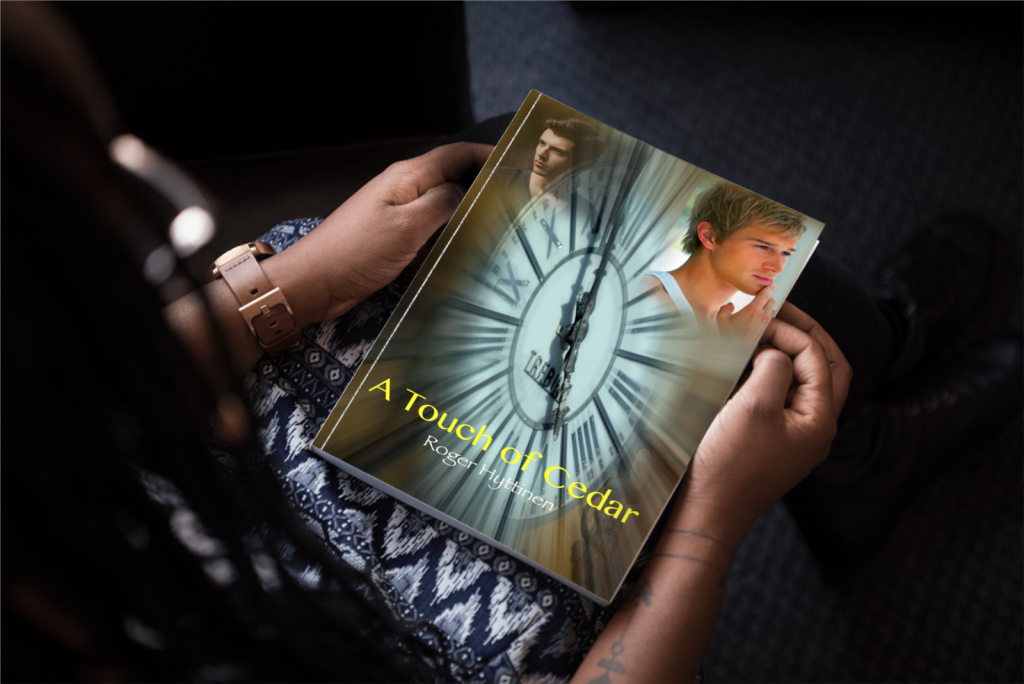
It starts with a smell. Cedar. Warm, nostalgic, familiar—and impossibly strong in a house that’s been empty for decades. For Marek, the scent is just the beginning. Soon he sees the ghost: a handsome stranger in a black suit, his eyes filled with grief. As Marek’s connection to the spirit deepens, his present with Randy begins to fracture even further. Caught between the living and the dead, Marek has to decide what kind of life—and love—he truly wants. Gothic, romantic, and a little eerie, A Touch of Cedar is a story about the ties between past and present, and the secrets old houses never quite give up. Grab your copy HERE

Just for Fun: If I Lived in an Urban Fantasy World… Read Post »

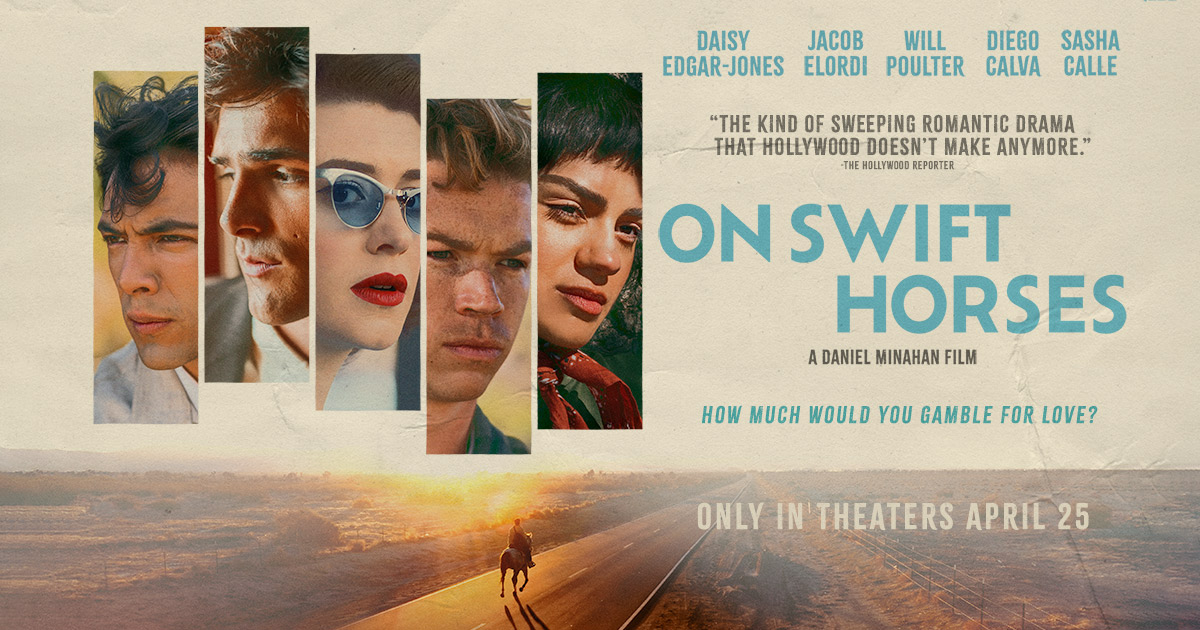
LGBTQ+ Cinema Club – On Swift Horses (2024)

I’ve heard quite a bit about this one and finally got around to checking it out. In my opinion, phenomenal!

Quick Info:

  • Title: On Swift Horses
  • Year: 2024
  • Directed by: Daniel Minahan
  • Starring: Daisy Edgar-Jones, Jacob Elordi, Will Poulter, Diego Calva, and Sasha Calle
  • Where I Watched It: Netflix (curled up on my couch, blinds half-closed because this film demands moody lighting)

Queer-o-Meter:
🏳️‍🌈🏳️‍🌈🏳️‍🌈🏳️‍🌈 (4 out of 5 Pride Flags)
Rated on how gay it feels — characters, themes, vibes, chaotic queer energy. This one? Pretty darn queer. It’s got longing, repression, and that “I might ruin my life for this feeling” energy that queer cinema loves. Plus I loved that Jacob Elordi messed around with men and Daisy Edgar-Jones with a woman!

One-Line Summary:
Two people trapped by circumstance and haunted by desire — a young wife and her enigmatic brother-in-law — risk everything in a postwar fever dream of love, betrayal, and blackjack.

Standout Scene:
There’s a moment in a neon-lit casino where Jacob Elordi’s character, Julius, gazes across the table at a stranger — it’s quiet, smoky, and the tension between them hums louder than the slot machines. No words, just a flicker of understanding, attraction, danger. It’s one of those rare cinematic moments that makes your breath hitch because you know this is the beginning of trouble — the kind that changes lives.

Favorite Line:
I have to choose two favorites for this film:

“The world’s not built for people who can’t keep their hearts quiet.”
(I really love this one!!! It stings.)
and
“We’re all just a hair’s breadth away from losing everything. All the time.”

Would I Rewatch?
☑️ Absolutely

Review:

On Swift Horses is one of those films that starts slow, almost deceptively so, and before you realize it, you’ve sunk into its dusty, sunburnt world. Set in the 1950s, it follows Muriel (Daisy Edgar-Jones), a newlywed whose life takes a turn when her husband’s brother Julius (Jacob Elordi) — a charming, self-destructive ex-soldier — reenters their lives. He’s the kind of man who drags both trouble and beauty behind him, and Muriel, who’s been living quietly, starts to feel her world stretch and crack under his influence.

At first, it plays like a domestic drama — polite dinners, small-town gossip, a woman trying to fit the mold. But then, like a mirage in the desert, the movie tilts. Julius drifts westward, landing in Las Vegas, and his story becomes something altogether different: all heat, risk, and yearning. He meets Henry (Diego Calva), a gambler with eyes that see right through him, and suddenly, we’re not in the quiet Midwest anymore. We’re in the blurred lines of forbidden love, queer desire, and the illusion of escape.

The pacing is deliberate, and the film luxuriates in silence — long stares, half-smiles, the rustle of wind through motel curtains. It’s very much a “watch it unfold” experience. Daisy Edgar-Jones nails that fragile, restless energy, while Elordi (in maybe his best role yet) balances swagger and vulnerability like a tightrope walker. Diego Calva is magnetic; their chemistry burns quietly but completely, like a match that refuses to go out.

There’s also this undercurrent of longing that feels specifically queer — not just for a person, but for a different life. Every choice feels dangerous and deeply human. These characters aren’t just falling in love; they’re clawing at the edges of the cages built around them.

The cinematography deserves a standing ovation. The desert isn’t just a backdrop — it’s a character. The lighting shifts between golden nostalgia and harsh neon realism, reflecting the two halves of these characters’ lives: the dream they want and the reality they can’t quite escape.

That said, this isn’t a film for someone looking for a tidy narrative or constant action. It lingers. It aches. Sometimes it even drifts. But if you’ve ever felt trapped between what you want and what the world expects, it hits home.

Final Thoughts:

Watching On Swift Horses felt like reading a love letter that was never meant to be sent. It’s subtle, sensual, and quietly devastating. The queer storyline doesn’t feel like a subplot — it’s the pulse of the movie. Every frame aches with what’s unsaid.

Is it a happy film? Not really. But it’s honest in the way that love stories rarely are — it understands that desire doesn’t always fit neatly into morality, and that freedom sometimes costs more than we expect.

⭐⭐⭐⭐½
4½ out of 5 Stars. It loses a half-flag for its slow pacing in parts, but everything else — the performances, the tension, the aching beauty of it — more than makes up for it.

If you’ve seen On Swift Horses — or have another film I need to add to my queue — tell me what you thought or shout at me on BlueSky.

LGBTQ+ Cinema Club – On Swift Horses (2024) Read Post »

When Good People Sit Out, Bad People Step In

woman inside of a cardboard box peeking out

Okay, so I’m going to get on my soapbox a little bit for this one….hope you don’t mind.

So I’ve been mulling over this quote by Plato: “The price good men pay for indifference to public affairs is to be ruled by evil men.” It kind of haunts me — partly because I am one of those “good men” in question, the kind who’d rather read a novel than scroll through policy briefings, and partly because I keep seeing around me the consequences of folks opting out of the civic arena. So here’s me wrestling with what this quote means, what it _feels_like, and why I think it’s especially urgent in the US right now.

What the quote means (to me)

When I read “the price good men pay,” I imagine someone like—well—me: decent intentions, maybe a little world-weary (or utterly exhausted!), hoping things will turn out okay. And “indifference to public affairs” means things like: not voting, not following the news, assuming “someone else will fix it,” staying quiet when something happens. Then “to be ruled by evil men”– that’s the kicker: if you sit out, you forfeit your voice, you leave a vacuum, and guess who fills it? Not always the nicest folks.

It’s not just moralizing; it’s practical. If we don’t show up, others with less benevolent motives and more energy will. That means decisions about our taxes, our rights, our democracy, our communities could drift into the hands of people who neither share our values nor our best interests.

The current-US-events connection

I pulled up some recent data and examples because this isn’t just theoretical.

  • According to the Pew Research Center, in the 2024 presidential election, turnout was higher than usual—but still, nearly 36% of eligible Americans didn’t vote. (The Guardian)
  • Another source notes that in the US, voter turnout lags many other developed countries. (Pew Research Center)
  • In Louisiana for example, turnout was particularly low, meaning that local leaders will get to shape local life with fewer voices weighed in. (Axios)
  • And there’s work suggesting that when more people participate, things like extreme polarization and special‐interest dominance become less likely. (GISME)

So yeah — people opting out isn’t a harmless shrug. It is giving up influence. If you don’t read the news, you might miss some legislation creeping up. If you don’t get involved in your community (town hall, school board, PTO, local advocacy), decisions still get made — just not with your voice in them.

Why it matters (for us)

Okay, now I get a little personal: as someone who writes novels and runs a blog and generally worries about the state of things, this hits home. I’m used to the world of imagination, but I live in the real world too. And I feel uneasy when I see people assume that “someone else will do it.” That someone else may not share their concerns about LGBTQ+ rights, about environmental policy, about economic justice, about community resources.

Here are some reflections:

  • If you skip local elections because you think “that’s boring,” know this: those local decisions affect your daily life more than national ones sometimes. Zoning laws, school policies, municipal budgets — all that.
  • If you don’t stay informed, you’re handing narrative control to voices that are paying attention. And guess what? The loudest voices often carry the day.
  • If you believe “my one vote doesn’t matter,” there’s evidence the aggregate of thousands of “one votes” absolutely does.

I feel a mix of frustration and hopeful optimism. Frustration because I see avoidable problems caused by disengagement. Optimism because I believe many folks want to care — they just may not feel empowered, or think “what can I do?” So I keep reminding myself: yes, you can.

A few anecdotes (because I’m me)

Back when I worked at that small bookstore, I overheard a customer saying “I don’t vote; it doesn’t change anything.” My stomach knotted. I told them: “Well, if everyone felt like that, you are handing the outcomes to the people who do care (or perhaps care more than you want them to).” They looked at me sideways. But the truth felt heavy.

Another time: in my neighborhood, the city proposed a change to a park’s budget, reducing maintenance. A few people showed up; many didn’t. The result: cutbacks. It wasn’t dramatic—just a park less nice, fewer programs—but it was. It made me feel: small choices do ripple.

What I think we can do

Since I prefer doing to despairing, here are some things I believe that help (and that I’m trying myself):

  • Set aside one hour a week to scan the local news (city council meeting, school board, local candidate).
  • Vote — not just in big presidential years. Mid-terms, local elections: they matter.
  • Talk with friends (yes, you) about community issues. Casual chats over coffee count.
  • Support groups/organizations that inform citizens (registering voters, doing outreach). The more voices involved, the better.
  • Join local protests and marches if it’s for a cause that you believe it (like…I dunno…protesting an authoritarian takeover, perhaps?)
  • Understand that “indifferent” isn’t passive. It lets outcomes happen to us. Choose to be active instead.

So — thanks for reading (and sorry if I got a bit serious there). I believe the cost of sitting out is higher than most of us imagine. And I believe each of us has more power than we give ourselves credit for.


A touch of cedar book cover

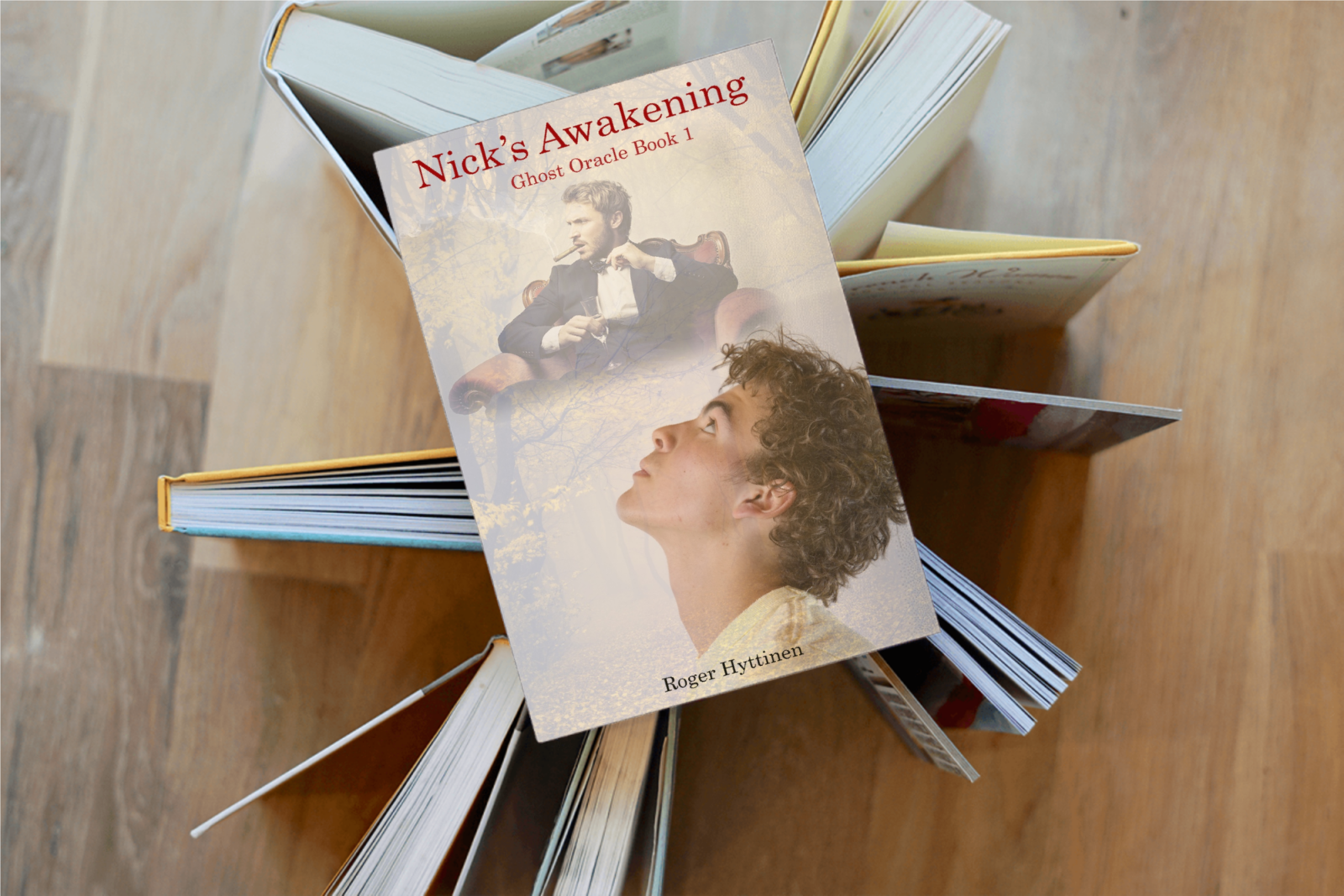
One night Marek smells cedar and sees a handsome stranger in old-fashioned clothes. The next, he’s drawn into a mystery over a century old. Grab your copy HERE

When Good People Sit Out, Bad People Step In Read Post »

Book Review: The Ghostwriter by A.R. Torre – A Wildly Gripping Page-Turner I Couldn’t Put Down

The Ghost Writer book cover

You know that feeling when you pick up a book thinking you’ll just read a chapter before bed, and then suddenly it’s 2:00 a.m., you’ve forgotten to brush your teeth, and your cat is judging you from the corner of the room? Yeah. That was me with The Ghostwriter by A.R. Torre. I went in expecting a decent psychological thriller and ended up inhaling it in one sitting, eyes burning, heart doing that anxious little dance it does when a story gets under your skin.

I don’t even know how to explain how much I loved this book. It’s dark and twisty, sure—but in that elegant, slow-unravel way (ugh, I promised myself not to use the word “unravel,” but it’s true). From the first chapter, it felt like someone whispering secrets in my ear that I wasn’t entirely sure I wanted to hear. And yet, there I was, turning pages like my life depended on it.

The setup is deliciously simple: Helena Ross, a famous author with a reputation for being… let’s say “difficult,” hires a ghostwriter to help her pen her final book. She’s dying, but she’s got one last story to tell—and it’s the one she’s been avoiding her whole life. The premise alone hooked me. A dying writer confessing her darkest secrets through her last novel? Sign me up, hand me the popcorn, and please don’t talk to me until I’m done.

What makes it even more addictive is the way A.R. Torre writes. The chapters are short—sometimes just a page or two—and it’s genius. Seriously, short chapters are my kryptonite. I always tell myself, “Just one more,” and ten “one mores” later, I’m knee-deep in emotional trauma and loving every minute of it. It keeps the pacing razor-sharp and gives everything this punchy, cinematic rhythm. Every scene lands exactly where it should, and just when you think you can take a breath—bam, she drops another bomb.

Helena isn’t a likable character, but that’s exactly why she works. She’s cold, prickly, and so brutally honest it almost hurts. You can feel her guilt, her pain, her exhaustion bleeding through every word. There’s this intensity to her—like she’s dragging you along through the muck of her conscience, daring you to judge her. And the ghostwriter? He’s this perfect counterbalance. Patient, kind, quietly persistent. Watching their strange, fragile partnership evolve was weirdly touching. It’s not romantic, but it’s intimate in a way that left me aching a little by the end.

I won’t spoil anything (because trust me, the less you know going in, the better), but there’s a twist. Oh boy, is there a twist. I thought I saw it coming, and then Torre yanked the rug out from under me in the most satisfying way. I literally gasped—like, audible, embarrassing gasp—while sitting in my living room. The last few chapters had me glued to the couch, palms sweaty, heart thumping, muttering things like “Oh no, oh no, oh no” under my breath. That’s my gold standard for a thriller: if I forget to blink, it’s a winner.

What also impressed me was how emotional it got. This isn’t just a thriller—it’s about guilt, grief, and the monstrous things we hide to protect the people we love. There’s a deep sadness threaded through the whole story, but it’s the kind of sadness that makes you feel something real. It lingers. After I closed the book, I just sat there for a few minutes, staring at the ceiling, trying to process what I’d just read. You know it’s good when you can’t move right away.

And A.R. Torre’s prose? Crisp, emotional, and sharp as a blade. She doesn’t waste a single word. Every sentence feels deliberate, like she’s guiding you down a dark hallway one flickering lightbulb at a time. There’s this eerie intimacy to her storytelling that I found irresistible. I immediately went online afterward and added more of her books to my reading list because, clearly, I’m now in deep.

If you like stories that crawl under your skin, if you love flawed characters who make terrible choices for understandable reasons, and if you’re a sucker for short, addicting chapters that make you forget what time it is, The Ghostwriter is your book. It’s one of those rare novels that hits every emotional beat perfectly—suspenseful, tragic, and hauntingly human.

I honestly can’t stop thinking about it. I finished it days ago, and I’m still replaying certain scenes in my head, wishing I could experience it again for the first time. It’s that good.

So yeah—A.R. Torre officially has me hooked. I’ll definitely be checking out more of her books because if they’re anything like The Ghostwriter, I’m going to need to clear my weekend schedule.


Book Review: The Ghostwriter by A.R. Torre – A Wildly Gripping Page-Turner I Couldn’t Put Down Read Post »

Creating Compelling Gay Characters (Without Making Them Walking Stereotypes)

Male couple

So here’s the thing: writing gay characters should not feel like filling out a diversity form. You know that box that says “add one queer person for representation”? Yeah, toss that box into the nearest recycling bin. Writing authentic LGBTQ+ characters—characters who actually feel alive—means treating them like real people, not like rainbow-tinted sidekicks who exist only to make your story look inclusive.

I’ve been writing queer characters for a while now, and if there’s one thing I’ve learned, it’s that authenticity starts with curiosity. You have to care about your characters enough to explore who they are beneath the labels. What’s their go-to coffee order? What keeps them up at night? Who did they have a crush on in middle school? If all you know about them is “he’s gay,” then congratulations—you’ve built a cardboard cutout. He’s flat, he’s lifeless, and he’s probably going to get knocked over by the slightest narrative breeze.

Let Them Be Messy

One of my favorite things about queer characters is how gloriously human they can be when you let them. Forget perfection. Let them be insecure, cocky, dramatic, shy, sarcastic, whatever fits. Let them make bad choices and fall for the wrong people. The point isn’t to create a “model gay citizen.” The point is to make someone real enough that readers can see parts of themselves—queer or not—reflected back.

I once wrote a character who was this charming disaster of a guy: witty one moment, emotionally evasive the next. A beta reader told me, “He’s not very likable.” My response? “Exactly.” I didn’t want him to be likable; I wanted him to be true. Real people aren’t perfectly digestible, and queer characters shouldn’t have to be either.

Avoid the “Gay Best Friend Syndrome”

If your gay character’s sole purpose is to give fashion advice or say something sassy before vanishing into the plot void—please, for the love of storytelling, stop. Queer characters deserve interiority. They deserve dreams, motivations, contradictions. You wouldn’t write your straight characters as walking stereotypes (I hope), so don’t do it to your queer ones.

Give them full arcs. Give them heartbreak and triumph. Give them something to do besides orbit around the main character’s emotional growth like some kind of sparkly satellite.

Don’t Make Their Sexuality Their Only Trait

This is the big one. Sexuality informs a person—it shapes experiences, relationships, sometimes even safety—but it doesn’t define the entirety of who someone is. Gay characters can be detectives, bakers, necromancers, baristas, time travelers, pirates, accountants, ghosts, whatever. Their queerness can matter to the story without being the story.

Think about it: you don’t define your straight characters solely by who they’re attracted to, right? So why should your gay ones be reduced to that?

When I write, I like to ask, “If this character were straight, would the story change?” If the answer is “not at all,” then maybe I haven’t done the work to understand how their queerness impacts their worldview. But if the answer is “yes, because their experiences have shaped how they see love, trust, fear, and belonging,” then I’m on the right track.

Representation Doesn’t Mean Perfection

There’s this unspoken pressure to make queer characters flawless—to show them as paragons of goodness so no one can accuse you of “bad representation.” I get it. But the problem with perfection is that it’s boring. Perfect people don’t grow. Perfect people don’t surprise you.

Write the messy ones. The jealous ones. The ones who overthink everything or ghost people they actually like. Those are the characters who breathe. Authenticity comes from flaws, not from polishing your characters into gleaming virtue robots.

Do Your Homework

If you’re writing outside your own lived experience, research is your friend. And by “research,” I don’t mean watching two episodes of Will & Grace and calling it a day. Read queer authors. Listen to real stories. Hang out in queer spaces (respectfully). Pay attention to the language people use, the little ways identity intersects with daily life.

And don’t treat “gay” like a monolith—there’s no single way to be queer. Some people come out at fifteen, others at fifty. Some wear it like a neon badge, others keep it quiet. All are valid.

A Little Humor Helps

I love writing characters who can find humor in their own chaos. Not because queerness itself is funny, but because humor is human—it’s one of the ways we survive. A sarcastic remark in the middle of heartbreak, a bit of self-deprecating banter, that perfectly timed eye-roll—they make a character feel alive.

Final Thought (And Yes, It’s a Bit Mushy)

At the end of the day, writing compelling gay characters comes down to empathy. You don’t need to overthink the politics of it if you start from a place of care. If you love your characters enough to treat them as fully human, your readers will too.

We’ve come a long way from the tragic gay best friend and the doomed queer lover tropes—but there’s still room for better, deeper, funnier, more complicated characters. Write the ones you want to see in the world, the ones you wish existed when you were younger.

And maybe—just maybe—you’ll help someone feel a little more seen.


Ghost Oracle Box Set image

My Ghost Oracle Box Set (Nick Michaelson) is now available from your favorite online retailer.

Books 1-3: https://books2read.com/u/mBKOAv
Books 4-6 https://books2read.com/u/mVxr2l

Creating Compelling Gay Characters (Without Making Them Walking Stereotypes) Read Post »

Weekly Roundup for Nov 8, 2025

Weekly Roundup - young boy with a megaphone

Book Shenanigans and Brain Sparks

So, you know that feeling when you’re super busy, but it’s the good kind of busy? Like, you’ve got so many plates spinning, but they’re all your favorite ceramic pieces? That’s totally me right now. I feel this weird mix of total exhaustion and pure, buzzing excitement, and honestly, I wouldn’t trade it. It smells faintly of stale coffee and printer ink in here, which I guess is the official perfume of “Writer Mode: Activated.”

I’ve been trying to keep my head down and just write. I mean, I’m deep into the next mystery in the series, practically glued to my chair, making sure you guys don’t have to wait an age for the next installment. I get so invested in these characters, like they’re demanding I tell their story faster. My fingers fly over the keyboard, and sometimes I have to physically remind myself to stand up and stretch, you know? It’s completely absorbing, and I love that about the process, even when it makes my back hurt. I truly believe passion is the difference between a job and a purpose. That’s a little motto I stick up on my whiteboard sometimes.

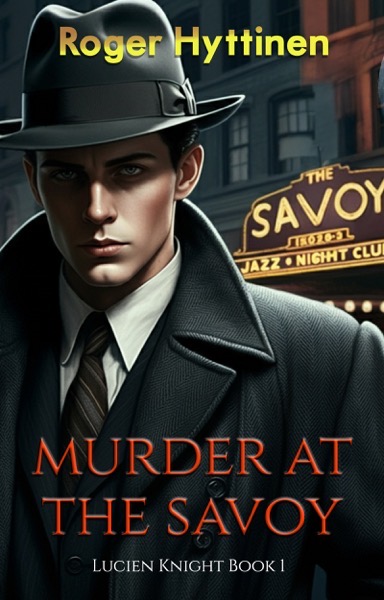
But, speaking of books! I am completely thrilled to tell you that Murder at the Savoy is finally making its way into the world! The ebook version is up for preorder on Amazon right now, which is just bananas to me. It’s such a wild, wonderful thing to see a book baby out there. However, if you are a fellow lover of the tactile experience—like the crisp, distinct sound a new book spine makes when you first crack it open—I’ve got the paperback and large print paperback editions available now in my web store. Seriously, go grab one! I still get a little lump in my throat every time someone buys one of my books. It just feels so good to share these stories.

And because my brain is apparently incapable of focusing on just one thing at a time, I’ve had this seriously fun, maybe slightly bonkers, idea rolling around in my head. I’ve been hashing out a concept for a gay paranormal cozy mystery series. I can practically picture it: ghosts who offer terrible relationship advice, maybe a witch who runs a questionable but incredibly popular bakery, and a main character who is completely done with the supernatural shenanigans but can’t seem to quit solving the ensuing murders. I think it sounds like a blast, honestly. I’m imagining it with a lot of witty banter and maybe some genuinely sweet moments. But I’m wondering, is that something you folks would actually be into? Like, totally honest feedback time: should I do it? Drop me a note and tell me what you think, because your opinion matters a lot to me!

Oh, and while I have your attention – have you checked out “The Golem’s Guardian” yet? If you haven’t gotten your hands on a copy, you can snag one HERE. I’m still pretty excited about how that one turned out.

Some Things I Thought Were Worth Sharing

Chuck Wendig’s at it again. “Five Things You Learned As A Writer Writing That Cool Thing You Wrote?” is a must-read reminder that finishing teaches more than starting. https://terribleminds.com/ramble/2025/01/16/five-things-you-learned-as-a-writer-writing-that-cool-thing-you-wrote/

What happens if there are no real turning points in your story? September C. Fawkes walks us through what that looks like — spoiler: it feels like nothing happens. https://www.septembercfawkes.com/2025/01/what-happens-when-there-are-no-plot.html

November streaming = major queer glow-up. From epic finales to campy comedies and fresh indie gems, it’s a very gay month for our screens. Dive into the full list here: https://www.queerty.com/the-best-lgbtq-movies-tv-shows-coming-to-streaming-november-2025-20251031/

How ‘Invisible Lifelines’ Shines a Light on Global Queer Resilience (Exclusive) https://gayety.com/how-invisible-lifelines-shines-a-light-on-global-queer-resilience-exclusive

“The rules of fiction aren’t chains—they’re the map. Know them, then use them—or break them knowingly.” https://www.helpingwritersbecomeauthors.com/the-rules-of-fiction/

Quotes aren’t just décor—they’re power-moves. This post digs into why writers & indie authors need marketing quotes in their toolkit. https://writersinthestormblog.com/2025/01/marketing-quotes-and-why-you-need-them/

“Readers pay attention when they don’t know what’s coming next.” — Janice Hardy on crafting plot twists. http://blog.janicehardy.com/2010/03/expect-unexpected.html

“From underground heroes to global movements — this film Invisible Lifelines shines a light on queer resilience in the toughest places. Read the exclusive: https://gayety.com/how-invisible-lifelines-shines-a-light-on-global-queer-resilience-exclusive”

Latin pop gets a major shake-up: Meet SANTOS BRAVOS — the new boy band breaking the mold with an out gay member and a global vibe. https://www.queerty.com/meet-santos-bravo-the-boy-band-shaking-up-latin-pop-with-an-out-gay-member-20251028/

Narration isn’t just “who’s telling it” — it’s the secret pathway from story to reader. This post explains how your choice of narrator and voice fuels the prose. 👉 https://diymfa.com/writing/the-role-of-narration-in-storytelling/

Self-publishing? Traditional? Hybrid? This piece “Charting Your Course: How Should You Publish?” breaks down your options and helps you pick what’s right for you. 👉 https://writersinthestormblog.com/2025/01/charting-your-course-how-should-you-publish/

The uproar over Bad Bunny headlining the Super Bowl isn’t just about music—it turns out those opposed are statistically more likely to identify as Republican or hold homophobic views.
Read more: https://www.queerty.com/if-youre-against-bad-bunny-headlining-the-super-bowl-you-might-be-homophobic-or-a-republican-new-poll-finds-20251028/

Halloween just got queer-fied (a few days late!): Netflix drops a wild short with Antoni Porowski in his Calvins, proving horror can also be hot & hilarious. #StreamingSurprise https://www.queerty.com/netflix-delivers-a-sexy-gay-surprise-halloween-with-an-assist-from-antoni-po­‐ro­w­ski/

Billie Eilish is calling out billionaires: “Give your money away, shorties.” Then she went and donated $11.5 million herself to charity. Queen behavior. https://gayety.com/billie-eilish-billionaires-donation

Wild animals = meme gold. This gallery shows how creatures from the jungle to the tundra became our internet jesters. https://www.boredpanda.com/wild-animal-memes/

Books that don’t just entertain—they change everything. People on Reddit share the titles that literally shook their lives. Worth a scroll. https://www.boredpanda.com/books-changed-life-reddit-msn/

Nature: beautiful until the camera starts fighting back. Check out these wild moments when animals totally stole the shoot. 👉 https://www.boredpanda.com/animals-disturbing-photographers-pics/


Murder at the Savoy book cover

New city. New life. New murder.
Private investigator Lucien Knight thought leaving London would free him from scandal. Instead, he finds himself entangled with a grieving heiress, a haunted jazz club, and a trumpet player whose charm could prove just as dangerous as any gunman’s.

To solve the death of Evelyn Sinclair, Lucien must navigate a tangle of passion, deceit, and forbidden desire before the killer strikes again—and before his own secrets come to light. Grab the ebook or Paperback!

Weekly Roundup for Nov 8, 2025 Read Post »

Can We… Just NOT Anymore? A Rant About That Pesky Time Change.

So. It’s Friday. We’re five days post-time-change, and I have to ask: is everyone else feeling… weird?

My body is just not on board. My cat is definitely not on board. He’s been staring at his empty food bowl at 4 PM like I’ve personally betrayed him, and honestly, he’s not wrong. It feels wrong.

We just did the “Fall Back” last Sunday (November 2nd, for those of you who just let your phones handle it). This is supposed to be the “good” one, right? The one where we get an “extra hour” of sleep. Woo-hoo. A gift!

But did you? Did you really get an extra hour of sleep? Or did you, like me, wake up at your normal time, realize it was technically an hour earlier, and then just… lie in bed feeling vaguely out of sync? That “extra” hour is a myth. It’s a loan shark. It gives you this “gift” in November, but it’s just biding its time. It knows it’s coming back for that hour in March, and it’s bringing friends. The “Spring Forward” is, objectively, a monster. It just yanks an hour of sleep from you on a random Sunday, and for what?

I just think it’s crazy. We do this twice a year. We all collectively agree to disrupt our entire society’s sleep schedule. Why?

I always hear the same old excuses. “It’s for the farmers!”

Guys. I looked this up. The farmers hate it. They have always, always hated it. You know who doesn’t care about what the clock on the wall says? A cow. A cow wants to be milked when the sun says it’s time, not when our clocks are playing pretend. This whole thing apparently just made their lives harder. So, let’s stop blaming them.

Then there’s the “energy saving” argument. This one always gets me. This whole idea was apparently pushed during World War I to save coal. Okay, fine. Solid reasoning for 1917. But we live in 2025. We have LEDs. We have smart homes. I can promise you, any tiny bit of energy I might save by having the sun out an hour later in the summer is completely, totally erased by the fact that I now have to turn on every single light in my house at 4:30 PM.

And it’s not just the dark. It’s the feeling of the dark.

This week, the sun just gives up and clocks out before I’m even done with my afternoon coffee. I look out the window, and it’s pitch black, and my brain just goes, “Okay, guess the day’s over. Time for sleep.” But it’s 5:15 PM. My whole body feels heavy. Groggy. It’s like this mild, annoying jet lag, but I didn’t even get to go on a vacation. I just… time-traveled one hour into a slightly sadder, darker version of the week.

My whole mood is just “damp gravel.” All I want is carbs.

I’m not just being grumpy (okay, I am a little). But I was reading about this, and it’s actually, like, bad for us. All the sleep scientists and medical groups are basically screaming into the void that this is a terrible idea. They say our bodies never really adjust. We’re just constantly out of whack.

When we “Spring Forward” in March? Get this—studies show there are more car accidents on that Monday. More heart attacks. More strokes. We are literally, physically hurting ourselves, all so… what? So some people can play golf a little later in the summer?

It feels like we are all participants in this bizarre, mandatory social experiment that everyone failed, but we just keep re-running it twice a year, forever.

And here’s the wildest part: it seems like everyone wants to stop. I looked this up, too. A bunch of states have already passed laws to get rid of the time change. The problem is, they can’t actually do it unless Congress says it’s okay. There was even a “Sunshine Protection Act” that the Senate passed, but then it just… died.

And I guess the big hold-up is that nobody can agree on what to do. Should we stay on “Standard Time” (what we’re on now, more sun in the morning) or “Daylight Saving Time” (what we have in summer, more sun in the evening)? The sleep doctors all want Standard Time. A lot of people seem to want permanent Daylight Time.

You know what? I don’t even care anymore. Just pick one. Flip a coin. I’ll take either.

I just want my schedule to make sense. I want my cat to stop judging me. And I want to stop having to drive home from work in what feels like the middle of the night.

Anyway. That’s my rant. I’m just tired (literally). I’m going to go make another coffee, even though it’s 6 PM and definitely a bad idea. My body clock is a mess anyway, so who cares.

Let’s just all agree to sign the next petition we see. Lock the clock. Please.

Can We… Just NOT Anymore? A Rant About That Pesky Time Change. Read Post »

Scroll to Top