Books and Reading

My 13 Favorite Reads of 2025 (aka: Books That Glued Me to the Couch and Made My Coffee Go Cold)
I’ve been thinking I should start doing little book roundups each year — mostly because I forget everything the second I close a cover. I’ll swear I loved a book, but if you ask me why, suddenly I’m blinking like someone asked me to recite the tax code. So here we are: the 13 reads from 2025 that actually stuck with me.
Next year, I might even try doing mini reviews as I go. You know… grown-up reader behavior.

So here we go. These are the books that stuck to my ribs this year — the stories I kept thinking about while brushing my teeth or waiting for my toast to pop.

1. The Bones Beneath My Skin by TJ Klune

This one is tender, strange, and kind of beautiful in that “I wasn’t expecting feelings today” sort of way. It follows a burned-out ex-soldier who ends up protecting a young girl with extraordinary abilities. Their road trip turns into this unusual, makeshift family story full of emotional cracks, healing, and the kind of sci-fi glow that sneaks up on you. I ended up reading half of it with my hand on my chest like I was in a dramatic Victorian play.

2. Famous Last Words by Gillian McAllister

Cam, a new mom whose life is already operating in scrambled-egg mode, wakes up to discover her husband hasn’t come home — and left behind a very unsettling note. Within hours she learns he’s at the center of a hostage situation, not as a victim but as the guy holding the gun. The story flips between that terrifying day and the messy years afterward as Cam tries to figure out who she actually married. It’s tense, emotional, and full of those “oh no” moments where you question everyone.

3. Middletide by Sarah Crouch

A body is found hanging from a tree on Elijah Leith’s property — and the scene looks eerily like something pulled straight from his own failed novel. Cue instant suspicion. Elijah has slunk back to his hometown after blowing up his big writing dreams, and now he’s stuck dealing with old heartbreak, a fractured community, and a police investigation that keeps pointing its flashlight directly at him. The book hops between past and present, full of secrets, regrets, and Pacific Northwest moodiness.

4. The Last Conclave by Glen Cooper

This scratches that itch for Vatican intrigue, political maneuvering, and centuries-old secrets bubbling to the surface. After the Pope dies, a small group of insiders discovers a hidden plot to push a dangerously extremist candidate into power. Cue a desperate scramble across Europe to uncover truths the Church has buried for ages. It’s fast, brain-twitchy, and has that “should I be reading this in a dark room?” energy.

5. Unhinged by Onley James

This is pure chaotic delight: a morally questionable man with a soft spot the size of a dinner plate meets a sunshine-y cinnamon roll who really shouldn’t be anywhere near him… and yet keeps ending up in his orbit anyway. There’s romance, murder, banter, and emotional healing tucked between the knives. It’s messy in the best, most addictive way.

6. The Ghost Writer by A.R. Torre

Helena Ross, a bestselling author with more walls than windows, is dying — and determined to write one final book, not a romance but a confession. To get it done, she hires a ghostwriter and forces him into her controlled little world. As he digs into her past, the truth she’s been hoarding turns darker and darker. The whole thing reads like someone slowly peeling off old wallpaper and revealing something terrible underneath.

7. Devil in the White City by Erik Larson

Part architectural marvel, part true-crime horror show. On one side: the creation of the 1893 Chicago World’s Fair. On the other: H. H. Holmes building his infamous “murder castle.” The back-and-forth makes the whole era feel alive, and I kept pausing to Google details like a nerd who loves historical rabbit holes. Chicago shines, and Holmes chills.

8. The Three Lives of Cate Kay by Kate Fagan

Cate Kay — bestselling author, Hollywood darling, literary powerhouse — doesn’t actually exist. She’s the latest identity of a woman who has already lived as Annie Callahan and Cass Ford. Now she’s finally ready to tell the truth about her life, the friends she loved, the tragedy that reshaped everything, and the years spent reinventing herself to outrun the past. It’s structured like the memoir she’s writing, full of raw honesty, old wounds, and a relationship that shaped every version of her.

9. Here One Moment by Liane Moriarty

A mysterious woman walks down the aisle of a commercial flight and calmly tells passengers the dates of their deaths. Most people shrug it off… until one of the predictions happens exactly as stated. The book follows several of those passengers as they try to live with that knowledge—some obsess, some rebel, some deny, all of them unravel in fascinating ways. It’s eerie, funny, sad, and deeply human in that Moriarty way I adore.

10. Sea of Unspoken Things by Adrienne Young

A young woman returns home to her island community after a deeply personal loss, only to find old secrets, tangled relationships, and buried truths waiting for her. The ocean is practically a character — salty, moody, and full of memory. The whole book has this soft ache to it, the kind that makes you stare off into space for a minute after finishing a chapter.

11. Run Away With Me by Brian Selznick

Set in Rome in 1986, this story follows sixteen-year-old Danny as he spends the summer wandering the city’s sun-soaked streets while his mother works. Then he meets Angelo, a boy who feels carved from the same longing Danny’s been carrying inside himself. Their connection grows into a tender, fleeting first love wrapped in art, history, and the bittersweet feeling of knowing summer can’t last. The illustrations add that dreamy Selznick charm.

12. Ghost of Lies: Medium Trouble by Alice Winters

A sarcastic medium who can’t stop attracting trouble teams up with a grumpy detective who has no patience for ghosts… or for him. There’s a murder to solve, spirits popping up at the worst times, and enough banter to power a small city. It’s funny, flirty, and just spooky enough to keep things interesting.

13. Mystery Magnet by Gregory Ashe

Dashiell Dane (writer, mess, charming disaster) moves to a seaside town to work with his literary idol… who promptly turns up dead in her own home. And thanks to an extremely ill-timed secret passage attached to his bedroom, Dash becomes suspect number one. To clear his name, he teams up with a handsome local who might be too good to be true. Expect small-town secrets, queer romance, and that signature Ashe flavor of emotional landmines.


Anyway, if you’ve read any of these, let me know so I don’t feel like I’m reading into the void.
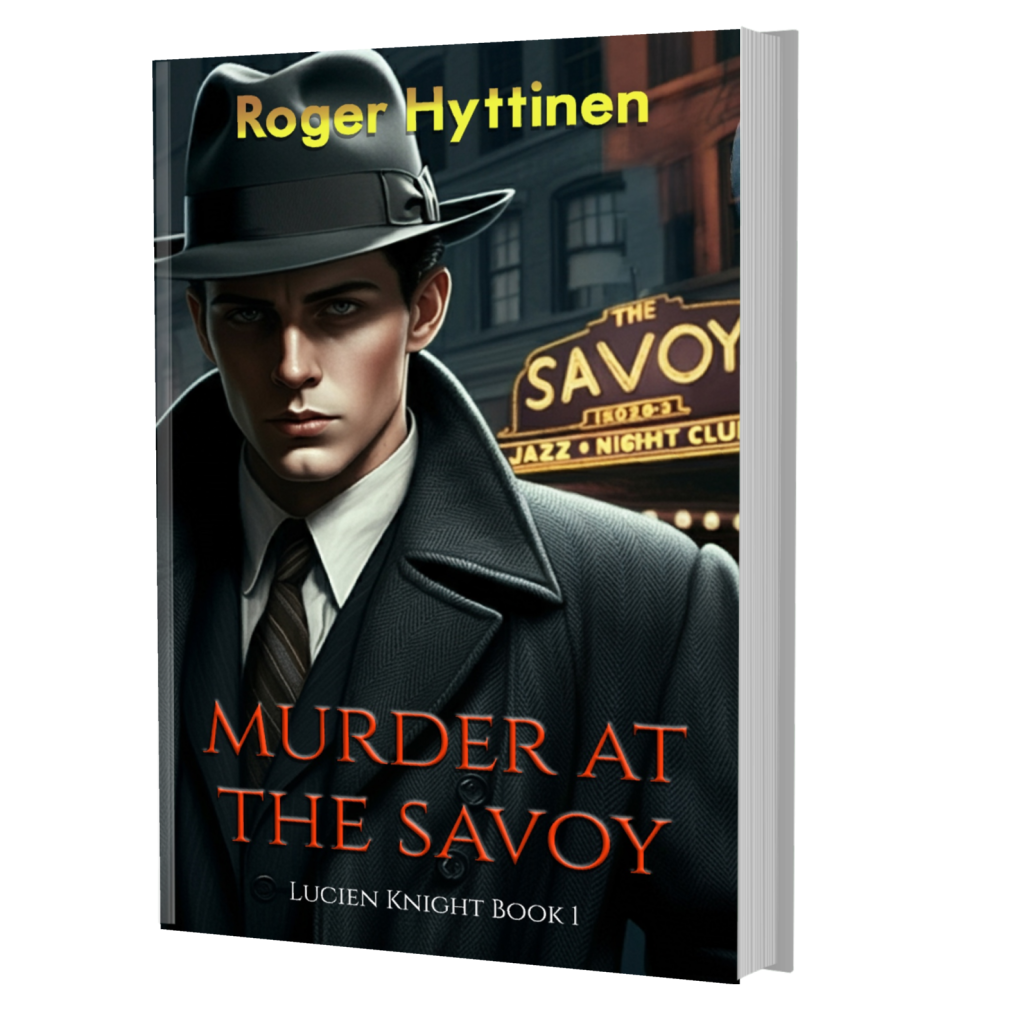

Book cover image of man wearing a fedora for Murder at the Savoy

A murdered songbird. A haunted ballroom. A detective with secrets of his own.

When Evelyn Sinclair’s body is found backstage at the Savoy, everyone calls it an overdose. Everyone but Clara Beaumont. She hires newcomer Lucien Knight, an English detective with a checkered past and a knack for finding trouble. From Harlem’s jazz clubs to Manhattan’s shadowed alleys, Lucien hunts a killer—and faces the ghosts that followed him across the Atlantic. Grab your copy HERE.

My 13 Favorite Reads of 2025 (aka: Books That Glued Me to the Couch and Made My Coffee Go Cold) Read Post »

Still Here, Still Queer, Still Reading YA

Teen boy reading a book
Candid shot of a teen boy reading a book in the forest

So, I was reorganizing my bookshelf last Tuesday—mostly because I was avoiding the massive pile of laundry staring at me from the corner of the room—and I found this battered paperback from 1975. The spine was cracked in three places, and it smelled like that specific mix of vanilla and old paper that only cheap trade paperbacks seem to acquire after a decade. It was a YA coming-out novel. I won’t name which one because, honestly, the writing hasn’t aged super well, but holding it brought this wave of nostalgia crashing over me. Not the fun, sparkly kind of nostalgia, but that heavy, tight-chested feeling of remembering exactly how scared I used to be.

It got me thinking about the state of Young Adult fiction right now.

There’s this chatter I hear sometimes, usually on Twitter or in the comments section of book reviews, where people complain that we have “too many” coming-out stories. The argument usually goes something like: We have marriage equality now! Gen Z is fluid! Why do we need another book about a nervous teenager telling their parents they’re gay? Can’t we just have gay wizards fighting dragons?

And look, I want gay wizards fighting dragons as much as the next nerd. Seriously, give me all the gay wizards. But the idea that coming-out stories are “over” or unnecessary? That makes me want to scream into a pillow.

The Mirror Effect

Here is the thing: growing up is terrifying. It’s messy and gross and confusing. When you add the layer of realizing you aren’t “default settings” straight, it gets lonely fast.

I remember reading my first real queer YA book. I was sitting on the floor of the local library, way back in the stacks where the motion-sensor lights would flicker off if you didn’t wave your arms every ten minutes. I felt seen. Not in a creepy way, but in a way that made my lungs expand a little better. Until that moment, I thought the weird knot of anxiety in my stomach was just a me-thing. Reading about a fictional character sweating through their shirt while trying to tell their best friend the truth? It validated my entire existence.

We can’t pretend that just because laws change, the internal freak-out of a fifteen-year-old changes too. That fear is primal. It’s the fear of losing love. As long as there are kids worrying that their parents or friends might reject them, we need these books. We need them to be mirrors.

It’s Not Just for the Queer Kids

Here is an opinion that might annoy some people: straight kids need these books just as much as queer kids do. Maybe more.

Empathy isn’t something you’re born with, like eye color. It’s a muscle. You have to work it out. When a straight, cisgender teenager picks up a book like Simon vs. the Homo Sapiens Agenda or The Miseducation of Cameron Post, they aren’t looking for a mirror; they’re looking through a window. They get to spend three hundred pages inside someone else’s head, feeling that panic, that longing, and that eventual relief.

It makes it a lot harder to be a bully in the locker room when you’ve mentally lived through the terror of being the target. I really believe that. Fiction sneaks past our defenses. You might roll your eyes at a lecture about tolerance, but it’s hard not to cry when a character you love gets their heart stepped on.

The Happy Ending Revolution

Also, can we talk about how the endings have changed?

Back in the day—and I’m talking the dark ages of the 80s, 90s and early 2000s—if you found a queer book, someone was probably going to die. Or run away. or end up miserable and alone staring at a rainy window. It was bleak.

Now? We get rom-coms. We get awkward first dates at the movies where they share a bucket of overly salty popcorn. We get prom scenes.

This shift is huge. It tells readers that their story doesn’t have to be a tragedy. It tells them that happiness is actually an option. I think that’s why I still buy these books, even though I’m technically too old for the demographic. I’m buying them for the version of me that didn’t think a happy ending was possible. Every time I read a scene where the main character gets the guy/girl/person and the parents say, “We love you anyway,” it heals a tiny fracture in my own history.

It’s Okay if They’re Cheesy

I want to defend the “bad” ones, too. Not every book needs to be a Pulitzer winner. We let straight people have endless, repetitive, cheesy Hallmark movies and formulaic romance novels. Queer kids deserve their own trashy, melodramatic, poorly plotted paperbacks too.

They deserve the freedom to be mediocre.

So, yeah. Keep writing the coming-out stories. Write the painful ones, the funny ones, the ones where nothing happens but talking, and the ones where they fight space aliens after they come out.

Because somewhere, right now, there is a kid sitting in a library (or scrolling on an iPad), feeling like they are the only person on earth who feels the way they do. They need to know they aren’t the only alien on the planet. They need to know the story continues after they say the words.

Anyway, I’m going to go finish that laundry now. Or maybe I’ll just read another chapter. The socks can wait.


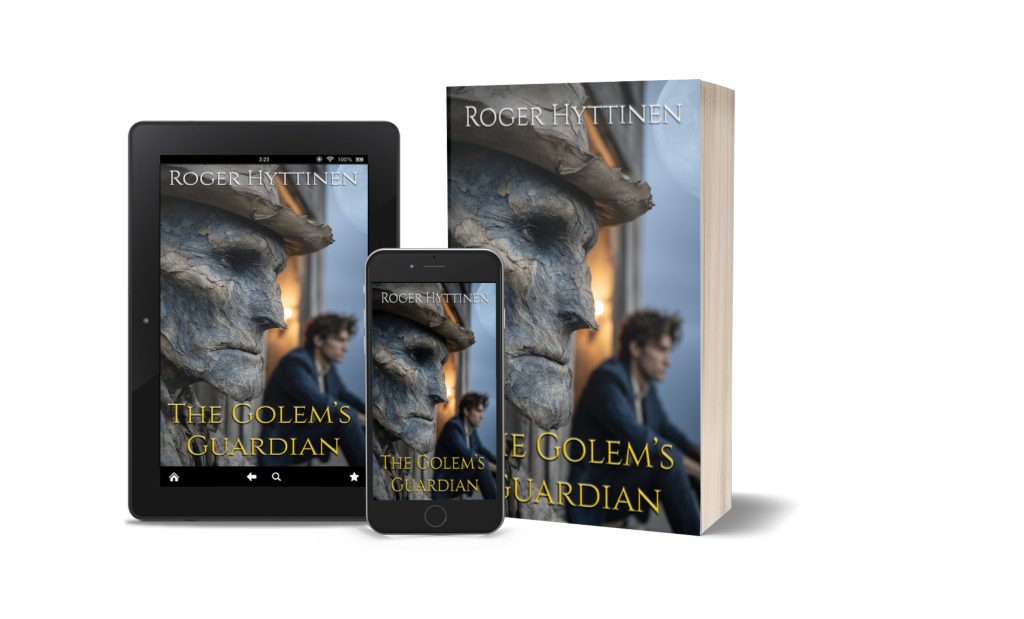
Golem's Guardian book image

David just wanted a distraction. Instead, his clay sculpture blinked, waved—and obeyed. Now he’s the accidental master of a mythical golem, and Brooklyn is about to need every ounce of its power. The Golem”s Guardian – grab your copy in my Web Store or from your favorite online retailer.

Still Here, Still Queer, Still Reading YA Read Post »

Me, My Eyes, and My Beloved Boox Note Air 4C

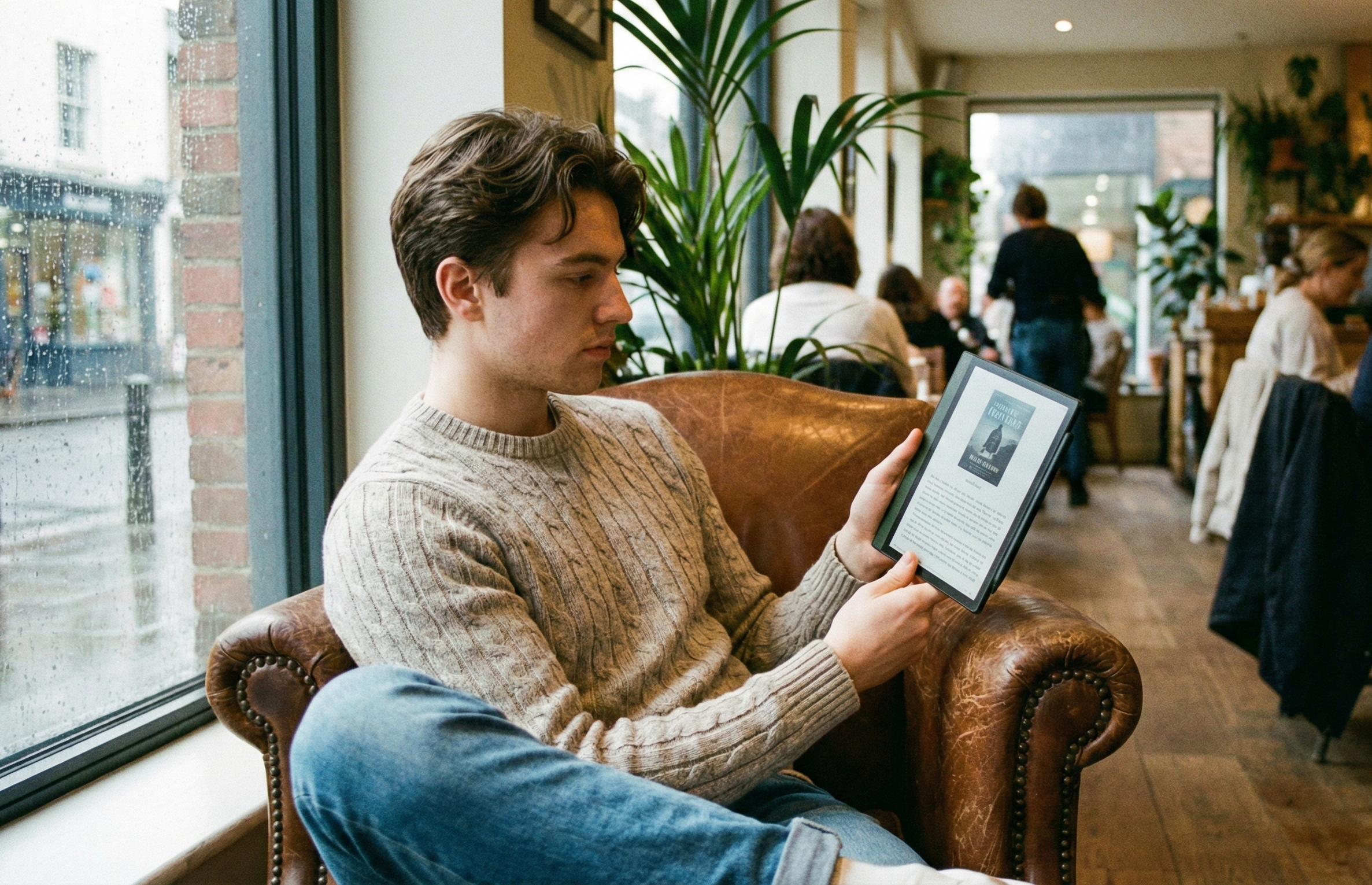
young man in a cafe reading on an e-ink device

So, picture me squinting at my iPad mini like a grandpa reading the stock listings under a dusty lamp. That was my life for a while—thinking I’d cracked the code to digital reading nirvana with that tiny tablet—but my eyes pretty much staged a rebellion. Burning. Watering. The whole dramatic opera. I wanted to read for hours, not blink through a headache. And honestly, I felt betrayed. I bought the iPad for ebooks. That was supposed to be our thing.

But the universe nudged me in another direction.

I fell down the rabbit hole of e-ink readers, the way one falls into YouTube at 11 p.m. thinking, just one more review. Before I knew it, I was comparing refresh rates, note-taking latency, warm vs cool front lights, storage sizes, screen clarity, stylus feel, color rendering—you know, stuff I swore I’d never care about. I became that person. The research gremlin. I even caught myself stroking my chin like a philosopher while reading Reddit threads titled “Is Boox worth it??”

And then—cue soft glow and faint angel chorus—I found the one.

The Boox Note Air 4C

Sleek. Kinda classy. Understated like a writer who wears black sweaters and drinks strong tea.

The first time I powered it on, the screen looked like paper. Not “sorta-like-paper if you squint” paper—actual paper vibes. That warm matte texture makes my words feel real, and the color display (yes, color e-ink!) gives book covers just enough personality without punching me in the eyeballs with bright LED cheerfulness.

My eyes? Instantly happier.
I’m talking long reading sessions—two coffee refills deep—and zero regret. No stabbing brightness. No glare bouncing off the window. Just me sunk into a story, the device weight perfectly chill in my hands, as though it was designed for marathon reading binges and existential literary crises.

And Then I Realized This Thing Was More Than a Reader

This is where my Boox Note Air 4C surprised me. I originally bought it to read—full stop. But somewhere between chapter three of a mystery novel and my second peppermint tea, I thought:

Huh, I could edit my draft on this.

And I did.
And it was divine.

There’s this very pleasant scratch-to-stylus feel that tricks your brain into thinking you’re writing on real paper. I can scribble notes directly on PDFs, circle dialogue that feels clunky, doodle a sad stick-figure detective in the margin (for morale purposes), and highlight entire chapters like I’m a professor marking essays. It’s writable, in the most comforting sense. The digital pages take ink with little resistance.

My manuscript drafts look like someone spilled rainbow confetti on them—in the best possible way. Edits everywhere. Arrows. Stars. Angry punctuation. Tiny compliments to myself like good metaphor, past Roger.

It’s become my traveling writing companion. Coffee shops, park benches, planes—if the mood hits, I’m editing. And because the screen feels so gentle on the eyes, I can work longer without that throbbing behind-the-socket sensation that pretty much defines trying to revise on an iPad backlit at 2 a.m.

Things I Do With My Boox Without Shame

  • Read on the couch until the cat demands food
  • Annotate drafts like I’m preparing for a dissertation defense
  • Highlight entire paragraphs because they “spark joy”
  • Carry it around like a pocket-sized creative brain
  • Flip between ebooks, PDFs, handwritten notes, and doodles like some kind of literary wizard

It’s funny—tech is usually so loud. Flashy. Shiny. Begging for attention. The Boox Note Air 4C feels more like a notebook that just happens to know how to sync files and display entire novels. It encourages slowing down, focusing, thinking. My writing sessions feel less like work and more like wandering through my thoughts with a pen.

And that’s exactly what I wanted.

I still love my iPad—don’t get me wrong. It’s great for apps, shows, gaming, hopping online when boredom hits. But for reading? For editing? For deep-thought creative sessions where I’m half annoyed and half in love with my own sentences?

No contest.

The Boox wins.

I guess this is my way of saying

I didn’t expect to fall for a device. But here I am, stroking its cover like it’s a hardcover first edition. If you’re like me—eyes tired, brain craving paper but unwilling to sacrifice digital convenience—this little beauty may be your new confidant.

I read more. I write more. I think more.
And honestly? That feels like magic.


Ghost Oracle Box Set image

My Ghost Oracle Box Set (Nick Michelson) is now available from your favorite online retailer.
Here’s a link for Books 1-3: https://books2read.com/u/mBKOAv
Here’s a link for Books 4-6: https://books2read.com/u/mVxr2l

Me, My Eyes, and My Beloved Boox Note Air 4C Read Post »

Book Review: The Ghostwriter by A.R. Torre – A Wildly Gripping Page-Turner I Couldn’t Put Down

The Ghost Writer book cover

You know that feeling when you pick up a book thinking you’ll just read a chapter before bed, and then suddenly it’s 2:00 a.m., you’ve forgotten to brush your teeth, and your cat is judging you from the corner of the room? Yeah. That was me with The Ghostwriter by A.R. Torre. I went in expecting a decent psychological thriller and ended up inhaling it in one sitting, eyes burning, heart doing that anxious little dance it does when a story gets under your skin.

I don’t even know how to explain how much I loved this book. It’s dark and twisty, sure—but in that elegant, slow-unravel way (ugh, I promised myself not to use the word “unravel,” but it’s true). From the first chapter, it felt like someone whispering secrets in my ear that I wasn’t entirely sure I wanted to hear. And yet, there I was, turning pages like my life depended on it.

The setup is deliciously simple: Helena Ross, a famous author with a reputation for being… let’s say “difficult,” hires a ghostwriter to help her pen her final book. She’s dying, but she’s got one last story to tell—and it’s the one she’s been avoiding her whole life. The premise alone hooked me. A dying writer confessing her darkest secrets through her last novel? Sign me up, hand me the popcorn, and please don’t talk to me until I’m done.

What makes it even more addictive is the way A.R. Torre writes. The chapters are short—sometimes just a page or two—and it’s genius. Seriously, short chapters are my kryptonite. I always tell myself, “Just one more,” and ten “one mores” later, I’m knee-deep in emotional trauma and loving every minute of it. It keeps the pacing razor-sharp and gives everything this punchy, cinematic rhythm. Every scene lands exactly where it should, and just when you think you can take a breath—bam, she drops another bomb.

Helena isn’t a likable character, but that’s exactly why she works. She’s cold, prickly, and so brutally honest it almost hurts. You can feel her guilt, her pain, her exhaustion bleeding through every word. There’s this intensity to her—like she’s dragging you along through the muck of her conscience, daring you to judge her. And the ghostwriter? He’s this perfect counterbalance. Patient, kind, quietly persistent. Watching their strange, fragile partnership evolve was weirdly touching. It’s not romantic, but it’s intimate in a way that left me aching a little by the end.

I won’t spoil anything (because trust me, the less you know going in, the better), but there’s a twist. Oh boy, is there a twist. I thought I saw it coming, and then Torre yanked the rug out from under me in the most satisfying way. I literally gasped—like, audible, embarrassing gasp—while sitting in my living room. The last few chapters had me glued to the couch, palms sweaty, heart thumping, muttering things like “Oh no, oh no, oh no” under my breath. That’s my gold standard for a thriller: if I forget to blink, it’s a winner.

What also impressed me was how emotional it got. This isn’t just a thriller—it’s about guilt, grief, and the monstrous things we hide to protect the people we love. There’s a deep sadness threaded through the whole story, but it’s the kind of sadness that makes you feel something real. It lingers. After I closed the book, I just sat there for a few minutes, staring at the ceiling, trying to process what I’d just read. You know it’s good when you can’t move right away.

And A.R. Torre’s prose? Crisp, emotional, and sharp as a blade. She doesn’t waste a single word. Every sentence feels deliberate, like she’s guiding you down a dark hallway one flickering lightbulb at a time. There’s this eerie intimacy to her storytelling that I found irresistible. I immediately went online afterward and added more of her books to my reading list because, clearly, I’m now in deep.

If you like stories that crawl under your skin, if you love flawed characters who make terrible choices for understandable reasons, and if you’re a sucker for short, addicting chapters that make you forget what time it is, The Ghostwriter is your book. It’s one of those rare novels that hits every emotional beat perfectly—suspenseful, tragic, and hauntingly human.

I honestly can’t stop thinking about it. I finished it days ago, and I’m still replaying certain scenes in my head, wishing I could experience it again for the first time. It’s that good.

So yeah—A.R. Torre officially has me hooked. I’ll definitely be checking out more of her books because if they’re anything like The Ghostwriter, I’m going to need to clear my weekend schedule.


Book Review: The Ghostwriter by A.R. Torre – A Wildly Gripping Page-Turner I Couldn’t Put Down Read Post »

Downsizing My Book Collection: A Painful but Necessary Goodbye

a private library inside of someones home wtih boioks from floor to ceiling

There’s something both comforting and overwhelming about living in a space surrounded by books. For years, my walls weren’t just walls—they were makeshift libraries. Floor-to-ceiling shelves, stacks on tables, a couple of boxes shoved into closets “for later.” You’d think I was preparing for an apocalypse where survival depended not on canned beans but on having a copy of every novel ever published.

But then came the condo.

Moving into a smaller place forced me to face a truth I’d been avoiding for a long time: I couldn’t keep them all. As much as I loved the sight of spines lined up like old friends, my square footage simply didn’t care about my sentimental attachments. The math was brutal.

The Hard Part

I’ll be honest—it felt like betrayal at first. Each book I pulled off the shelf had its own weight, not just physically but emotionally. The one I bought on a trip to Paris, the dog-eared mystery I devoured in a single night, the fantasy series I promised myself I’d reread “someday.” Spoiler: “someday” never came.

So, I did the only thing I could—I started boxing them up. And box after box, it was like tearing off a bandage in slow motion. My car made multiple trips to the library donation drop-off. Watching those boxes disappear felt like giving away little pieces of myself.

But you know what surprised me? The world didn’t collapse. The sky didn’t darken. My shelves thinned out, yes, but I didn’t suddenly feel like less of a reader.

A Shift in Thinking

The more I looked around my new space, the more I realized: I don’t have to own every book. The ones that truly mattered—those stayed. A handful of favorites, the ones I return to over and over, the ones with notes scribbled in the margins. Everything else? Well, maybe they’re meant to be read and loved by someone else now.

There’s a strange freedom in letting go. I’m no longer weighed down by the pressure of unread books staring me down, silently judging me from their perch. My shelves are leaner, but my reading life feels lighter.

The E-Reader Factor

Of course, the other big shift here is technology. My e-reader has become my new best friend. It can hold more books than I could ever possibly squeeze into this condo—thousands of them, right in the palm of my hand. And while it’ll never replace the smell of paper or the satisfaction of flipping an actual page, the convenience is unbeatable.

Want a new book? Boom. Downloaded in seconds. Traveling? I don’t have to decide which five paperbacks to cram into my bag. They’re all just…there. Waiting.

And the best part? No boxes.

What I Kept

I did keep a “core collection.” Those books that feel like old companions, the ones I couldn’t possibly part with. A few classics, some beloved queer novels, the fantasy sagas that shaped me. The ones that make me smile just by existing.

But I no longer feel the need to hoard every single book I read. I’ve come to see my shelves as more like a curated gallery rather than a warehouse.

Looking Back

Do I miss some of the books I donated? Sure. Every once in a while I’ll think, “Oh, I had that one once!” But then I remind myself: libraries exist. Bookstores exist. And honestly, if I really want to revisit a title, it’s only a couple of taps away on my e-reader.

Downsizing was hard—painful even—but necessary. And in the end, it’s taught me something important: being a reader isn’t about the size of your collection. It’s about the stories you carry with you, whether they’re on your shelves, in your device, or tucked away in your memory.

And hey, now I actually have room for a comfy chair by the window—perfect for reading.


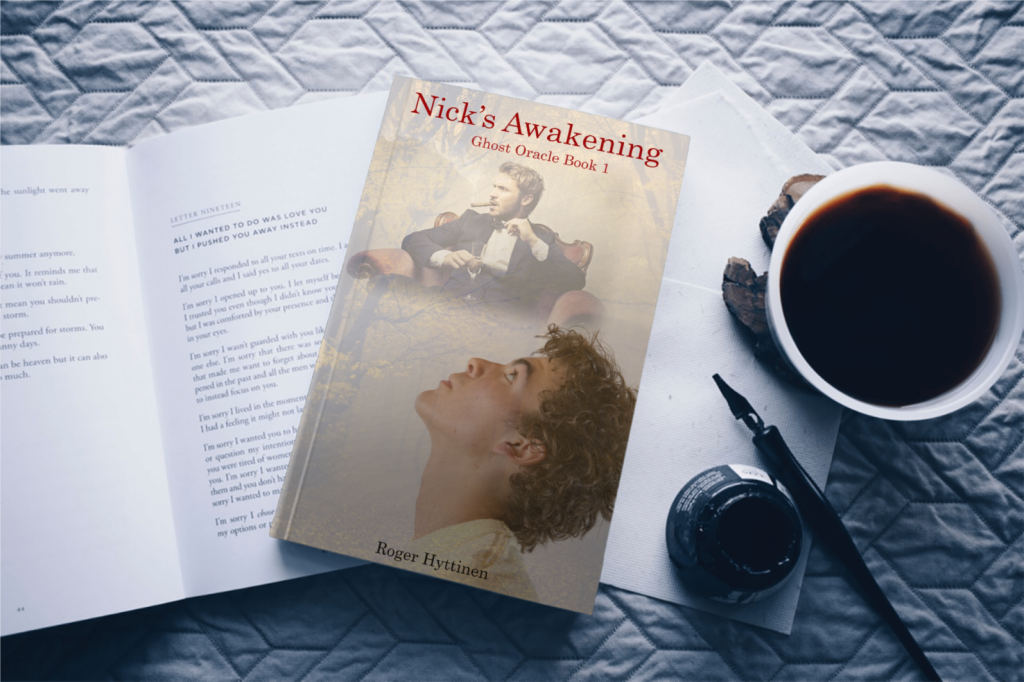
Nick's Awakening Book Cover

Dark family secrets. An uncle who knows too much. A boy who can’t ignore what he sees. Nick’s Awakening is the start of a paranormal journey where every answer comes with a new haunting. Nick’s Awakening – Grab your copy HERE.

Downsizing My Book Collection: A Painful but Necessary Goodbye Read Post »

Are Audiobooks Reading?

young man with headphones listening to an audiobook

I’m just going to come right out and say it: if I listen to a book, I count it as read. End of story. If I spend twelve hours with my earbuds in, following a story from start to finish, I don’t care if the words came through my eyes or my ears—I read that book.

But, you’d be surprised at how many people side-eye me when I say that. There’s this persistent little debate floating around about whether audiobooks “count” as reading. Some folks are almost snobbish about it, insisting that unless you’ve physically flipped pages (or at least scrolled through an e-reader), you haven’t really read the book. Which… makes me laugh a little, honestly, because have you seen how massively popular audiobooks have become? Millions of people are doing it. The New York Times even has an audiobook best-seller list now. If it’s not “real,” then the entire publishing industry is in on a con.

Listening vs. Reading: Same Brain, Different Doorways

Here’s where it gets interesting: studies have shown that the brain processes listening to a story and reading a story in pretty similar ways. Sure, your eyes and ears are different input devices, but once the information gets into your head, it’s all about comprehension, retention, and experience. I know people who listen to history books and can spout off dates and battles better than I could after slogging through a dense hardcover. I also know people who can’t focus while listening but thrive when their eyes are on the page. Different brains, different doorways in.

For me, listening to an audiobook feels a little like being told a story around a campfire. It’s immersive in a different way—especially when the narrator is stellar. A great voice actor can make characters leap off the page in a way my silent inner voice doesn’t always manage. And let’s be real: who doesn’t want Julia Whelan or Kirt Graves reading them to sleep at night?

Why the Gatekeeping?

So why do people dig their heels in about this? I think part of it is old-school baggage. We’ve all been taught since grade school that reading equals sitting quietly with a book in your hands, eyes on text. Listening? That was “lazy.” Or worse, “cheating.” (As if there’s a secret rulebook of literature that someone forgot to tell us about.)

But let’s flip that around: audiobooks make books accessible. People with vision impairments, dyslexia, ADHD, or just busy schedules get to enjoy stories in a way that works for them. You can fold laundry, commute to work, or walk the dog and still sink into a good novel. That’s not cheating—that’s brilliant multitasking.

The Popularity Proof

I remember when my library first started offering downloadable audiobooks, and I thought, “Huh, neat.” Fast-forward a decade, and it’s now one of their most requested services. People devour books while driving cross-country, while working out, while mowing the lawn. Audible is basically a household name at this point. If audiobooks weren’t “real reading,” they wouldn’t be exploding in popularity the way they are.

Some Narrators Who Make Stories Unforgettable

Honestly, the narrator can make or break an audiobook. I’ve stopped listening to books simply because the voice didn’t click with me, and I’ve fallen in love with others just because the performance was that good. Here are some narrators (general, romance, and queer romance) who I think are worth seeking out:

General Fiction & Fantasy Favorites

  • Julia Whelan – Contemporary romance & fiction goddess.
  • Bahni Turpin – Emotional powerhouse (The Hate U Give).
  • Stephen Fry – His Harry Potter readings are iconic.
  • Jim Dale – Legendary character voices in Harry Potter.
  • Kevin R. Free – Brilliant in the Murderbot Diaries.
  • January LaVoy – Crystal-clear, nuanced performances.

Romance Powerhouses

  • Teddy Hamilton – Smooth, warm, and swoony.
  • Shane East – That British accent? Enough said.
  • Andi Arndt – A queen of romance narration; great comedic timing.
  • Sebastian York – A gravelly voice that screams “romantic lead.”

LGBTQ+ Romance Favorites

  • Joel Leslie – Absolute chameleon. Hundreds of queer romances, nailing accents and emotion.
  • Kirt Graves – Famous for narrating TJ Klune’s Wolfsong and Green Creek series.
  • Michael Lesley – Hysterical and heartfelt in TJ Klune’s The Lightning-Struck Heart.
  • Greg Tremblay (aka Greg Boudreaux) – Warm, intimate performances that shine in M/M romance.
  • Cornell Collins – Smooth and expressive, with great chemistry.
  • Nick J. Russo – Solid choice for engaging queer romance reads.

Starter LGBTQ+ Romance Audiobooks Worth Your Ears

If you’re curious where to start, here are a couple of audiobooks where narration really takes the story to the next level:

  • Under the Whispering Door by T.J. Klune, narrated by Kirt Graves — A story about life, death, and love, told with tenderness. Graves gives each character nuance, and his pacing makes the humor and grief hit just right.
  • Something Fabulous by Alexis Hall, narrated by Nicholas Boulton — A queer Regency romp that’s ridiculously fun and over-the-top. Boulton leans into the melodrama and makes it sparkle.

And if you want to branch out even further, look up narrators like Michael CrouchKevin R. FreeLaura Sackton, and Nicky Endres—all of whom bring queer and trans stories vividly to life.

My Take

At the end of the day, stories are meant to be absorbed. The format is secondary. Oral storytelling is as old as humanity itself—way older than the printed page. Homer’s epics were spoken aloud long before anyone scratched them onto parchment. If listening to The Iliad counted back then, why shouldn’t listening to Project Hail Mary or Circe count now?

So yeah, I’m firmly in the “audiobooks are reading” camp. If you listen to it, if you live inside the world of that book for however many hours, if you can come out the other side with the experience of it—that counts. You’ve read the book.

And if anyone gives you grief about it? Just smile and say, “Actually, I’ve read twice as many books as you this year.”


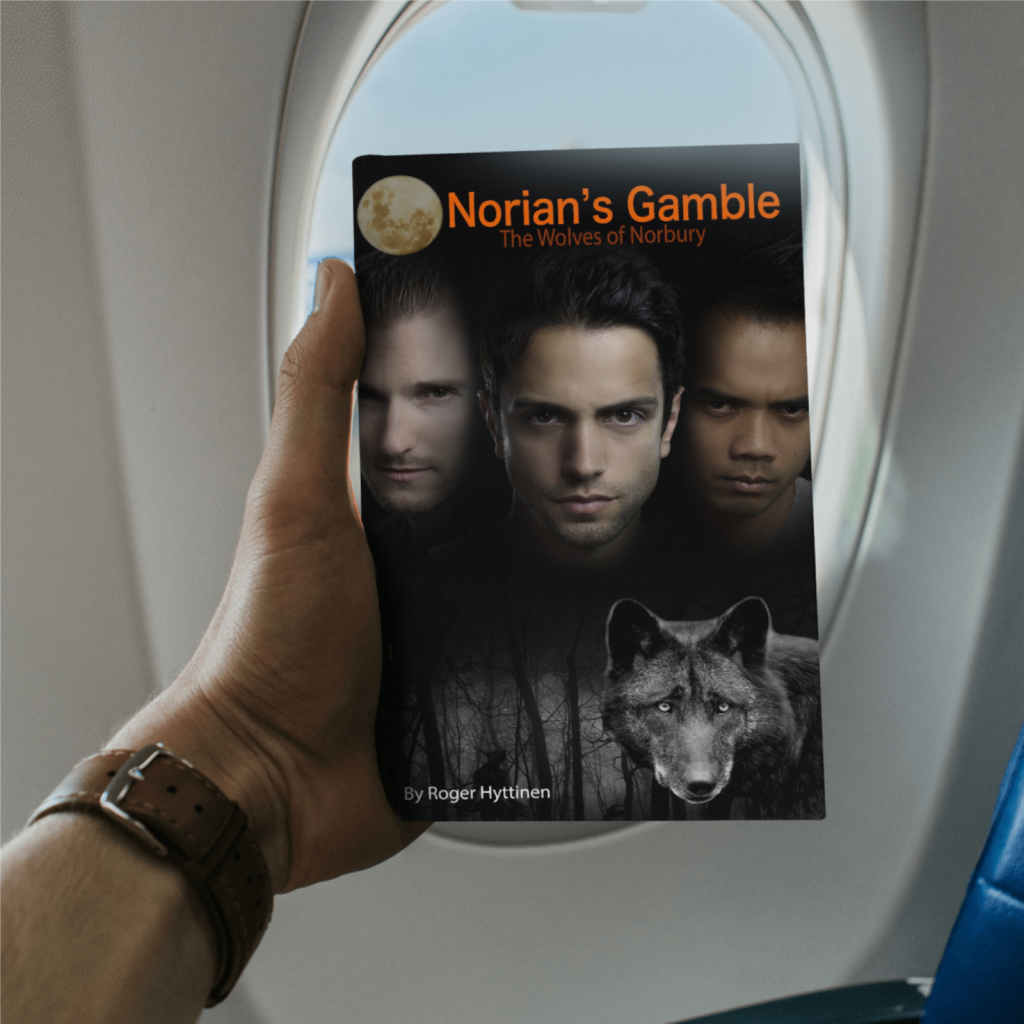
Norian's Gamble cover image

Every legend begins with a choice. For Prince Norian, that choice comes after a werewolf’s bite leaves him caught between man and beast. With sorcery threatening his home and secrets buried in his family’s past, Norian must decide whether to rise as king—or fall as a creature of darkness. His gamble may change Tregaron forever. Norian’s Gamble – grab your copy HERE

Are Audiobooks Reading? Read Post »

Support Your Local Library: Why They Matter More Than Ever

Image of the inside of a public library

So here’s a funny thing—I was digging through my old blog posts the other day, and I realized something shocking. I have never written about libraries. Not once. Which is ridiculous, because I use the heck out of mine. Like, I practically have the library staff on speed dial at this point. How this topic slipped through the cracks of my blog brain, I’ll never know. But hey—let’s fix that right now.

Libraries Are More Than Books (Though the Books Are Pretty Great)

When most people think about libraries, they picture rows and rows of books, and yes—those glorious shelves will always be the beating heart of any library. But modern libraries are like Swiss Army knives of community resources.

Want to binge-watch something? Forget Netflix—you can borrow movies. Into gaming? Yep, libraries lend video games. Need to brush up on French, Japanese, or even Klingon (okay, maybe not Klingon, but I wouldn’t put it past them)? You can check out language courses. And don’t even get me started on eBooks and audiobooks. Half the time I’m reading on my Kindle or listening on Libby, it’s courtesy of my library card.

The Library as a Community Hub

Libraries are one of the few public spaces left where you’re not expected to buy a latte to justify your existence. You can just walk in, plop yourself down, and stay as long as you want. That’s magic.

They host story hours for kids, book clubs for adults, craft workshops, genealogy classes, resume clinics, tax prep help—you name it. I’ve even seen libraries host escape rooms and Dungeons & Dragons nights. The point is, they’re not just “warehouses of books.” They’re living, breathing parts of the community, offering free education and connection in a world that loves to slap a price tag on everything.

Why Libraries Matter More Than Ever

In an age when everything seems to be about subscriptions, fees, and paywalls, libraries are a rare gem: a place where knowledge, entertainment, and resources are free and accessible to everyone. They help bridge the gap for people who can’t afford the newest streaming platform or who don’t have reliable internet at home.

Think about that for a second. Free Wi-Fi. Free printing (in some places). Free access to technology you might never be able to afford otherwise. For a lot of folks, the library is their lifeline for school, work, and staying connected.

And here’s the kicker—libraries are constantly under threat. Budgets get cut, branches close, and suddenly that lifeline gets a little shorter. Which is why supporting them is so crucial right now.

How You Can Support Your Library

Supporting your library doesn’t just mean checking out a stack of novels every couple of weeks (though please do that too). Here are a few easy ways to keep these spaces thriving:

  • Get a library card and actually use it—downloads and checkouts matter in their stats.
  • Show up to events or workshops. Attendance numbers help prove their value.
  • Donate if you can—whether that’s money, gently used books, or even volunteering your time.
  • Advocate when you hear about budget cuts. A simple email or phone call to a city council member can make a difference.
  • Talk them up—seriously, tell your friends how awesome your library is. Word of mouth matters.

My Love Letter to Libraries

Honestly, I can’t imagine my life without my library. It’s where I discovered authors who’ve become lifelong favorites. It’s where I’ve grabbed stacks of DVDs for free movie marathons. It’s where I’ve tested out language apps and research databases without dropping a dime.

Libraries aren’t relics of the past—they’re a blueprint for the future. A reminder that information and imagination belong to everyone, not just the people who can afford the newest gadget or subscription service.

So if you haven’t visited your library in a while, consider this your sign. Go wander the aisles, explore the digital catalog, or just sit in a comfy chair and breathe in that slightly musty, paper-scented air that feels like home. Trust me, you’ll find something you didn’t even know you needed.

Do you use your library as obsessively as I do, or is it time for a little reunion with your card?

See you in the stacks!


Ghost Oracle Box Set image

My Ghost Oracle Box Set (Nick Michaelson) is now available from your favorite online retailer.

Books 1-3: https://books2read.com/u/mBKOAv
Books 4-6 https://books2read.com/u/mVxr2l

Support Your Local Library: Why They Matter More Than Ever Read Post »

Scroll to Top