Gay Characters

Skates, Sweat, and Feelings: My Slightly Unhinged Love Letter to Heated Rivalry
Image

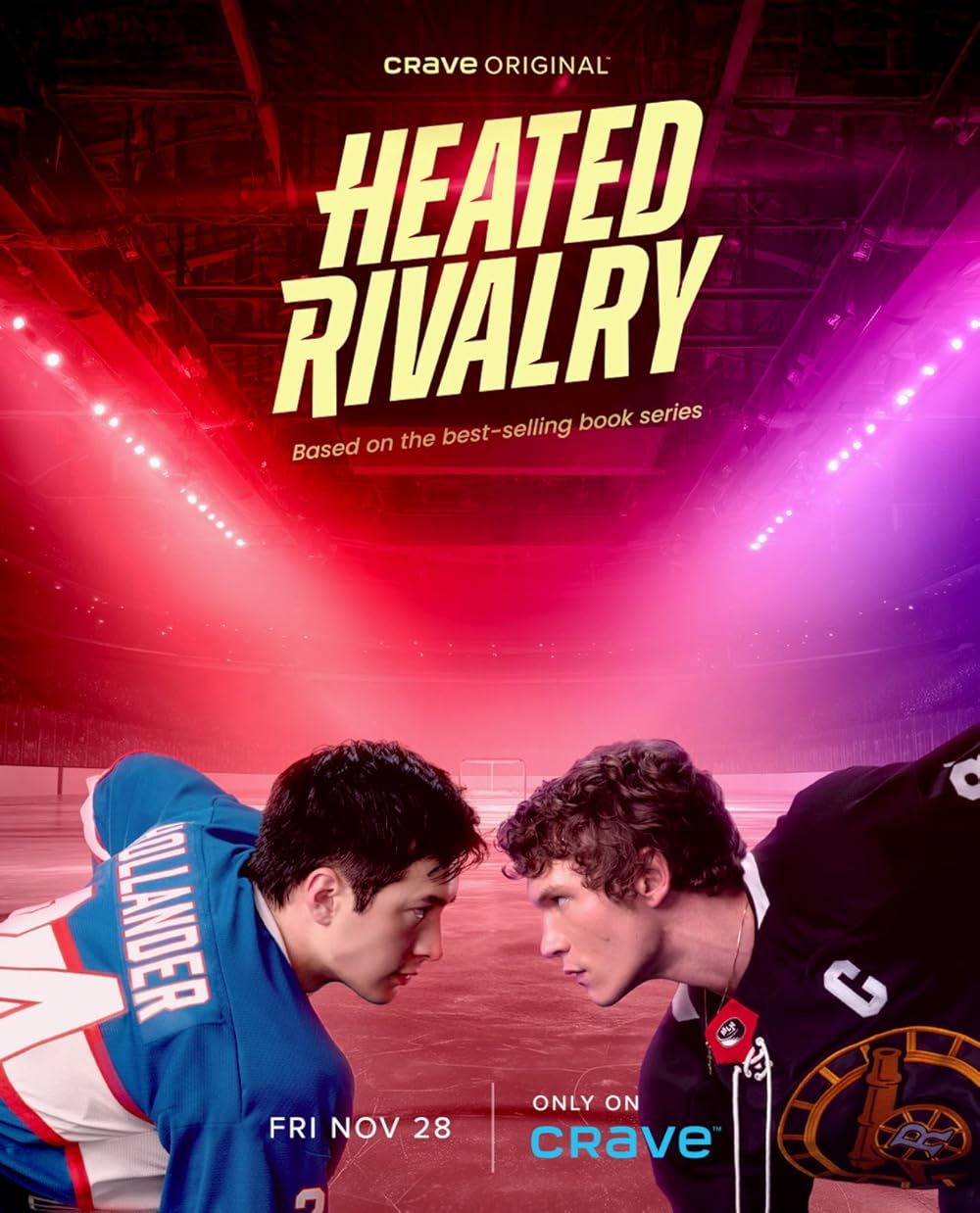
So. I finally sat down with Heated Rivalry on HBO Max, and I need to talk about it while it’s still buzzing in my bones. This is one of those shows where you press play thinking, Okay, I’ll sample an episode, and suddenly it’s dark outside, your tea’s gone cold, and you’re emotionally attached to fictional hockey players.

If you somehow missed the memo, Heated Rivalry is a Canadian gay hockey series based on the novels by Rachel Reid. And yes, hockey. Real hockey. Sweat, locker rooms, bruised knuckles, ice shavings clinging to skates, that echoing thunk of pucks hitting boards. The show smells like cold air and adrenaline and bad decisions made at 2 a.m. after a game. In other words, it already had me.

Enemies First, Feelings Later (Or… Sooner)

The setup is classic in the best possible way: two elite hockey players land on opposite sides of a fierce rivalry. Shane and Ilya meet young, cocky, and very sure they despise each other. Trash talk flies. Gloves metaphorically come off. Then something unexpected sparks, and suddenly the line between hatred and attraction gets very thin.

What I liked is how the series lets that tension breathe. You feel it in the way they circle each other on the ice, in the sharp glances during interviews, in the way silence stretches just a beat too long in locker rooms. It’s not rushed, but it’s never boring. My stomach did that little flip thing more than once, which I was not prepared for from a hockey show.

About Those Performances
Image

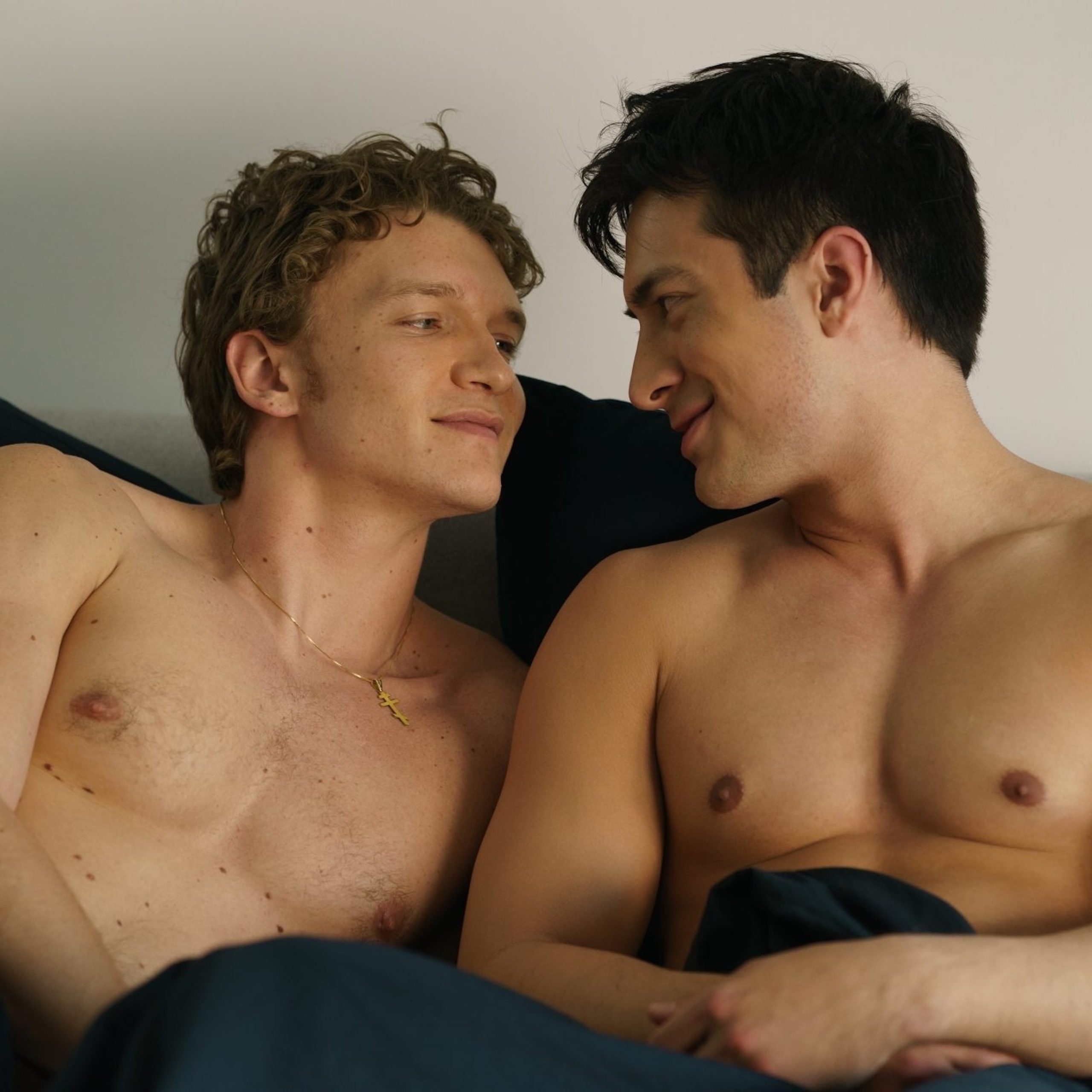
The actors playing Shane and Ilya deserve serious praise. Their chemistry doesn’t feel rehearsed or polished into oblivion. It feels messy and human. Sometimes awkward. Sometimes heated. Sometimes soft in a way that sneaks up on you. You can tell when characters are acting tough because that’s what the world expects of them, and you can also tell when the mask slips.

There’s a particular moment—no spoilers—where one of them just exhales, shoulders dropping, and you can almost hear the weight hitting the floor. That kind of physical acting sticks with me. It’s quiet, but it lands.

The supporting cast helps too. Teammates feel like teammates, not cardboard cutouts. Coaches loom in that authoritative, coffee-breath, fluorescent-light way that feels painfully familiar if you’ve ever been stuck in an institutional hallway being judged.

My Rachel Reid Confession

Here’s my honest bit: I read a Rachel Reid book years ago. I remember liking it well enough, but it didn’t carve itself into my brain or anything. I didn’t immediately sprint off to read the rest of her catalog. Life moved on. Other books piled up.

This series, though? Totally different story.

Whatever didn’t fully click for me on the page absolutely works on screen. Maybe it’s the performances. Maybe it’s the sound of skates cutting into ice, or the way longing looks when you can see it flicker across someone’s face. All I know is that this adaptation made me sit up and pay attention. By the end, I was already thinking, Okay, maybe I should give the book another shot.

Why It Hit Me So Hard

I think part of why I loved Heated Rivalry is how it handles queerness in a hyper-masculine space without turning it into a lecture. Being gay in professional sports is complicated, and the show doesn’t sugarcoat that. Fear sits in the room. Risk hums under every choice. At the same time, it never forgets that this is also a love story. A messy, stubborn, yearning one.

There’s joy here too. Smirks. Teasing. That electric feeling when someone sees you exactly as you are and doesn’t flinch. I found myself smiling at my screen more than I expected, which honestly surprised me.

Season 2, Please. I’m Begging.

I really, really hope we get a second season. I mean that. I would be genuinely bummed if this story just… stopped. There’s so much more emotional ice to skate on, so many unresolved looks and half-spoken things. I already know this is a show I’d rewatch, partly for the big moments and partly for the small ones I probably missed while grinning like an idiot.

If HBO Max pulls the plug, I’ll survive, sure—but I’ll be sulky about it.

So yeah…

Heated Rivalry caught me off guard in the best way. It’s sharp, tender, sexy, and sincere without feeling precious. It made me care, which is the hardest trick any series can pull. And yes, it nudged me back toward Rachel Reid’s books with fresh curiosity.

If you like sports romances, queer love stories, or just watching two stubborn people crash into their feelings over and over again, I’d say give this one a shot. I’m already itching to hit play again.
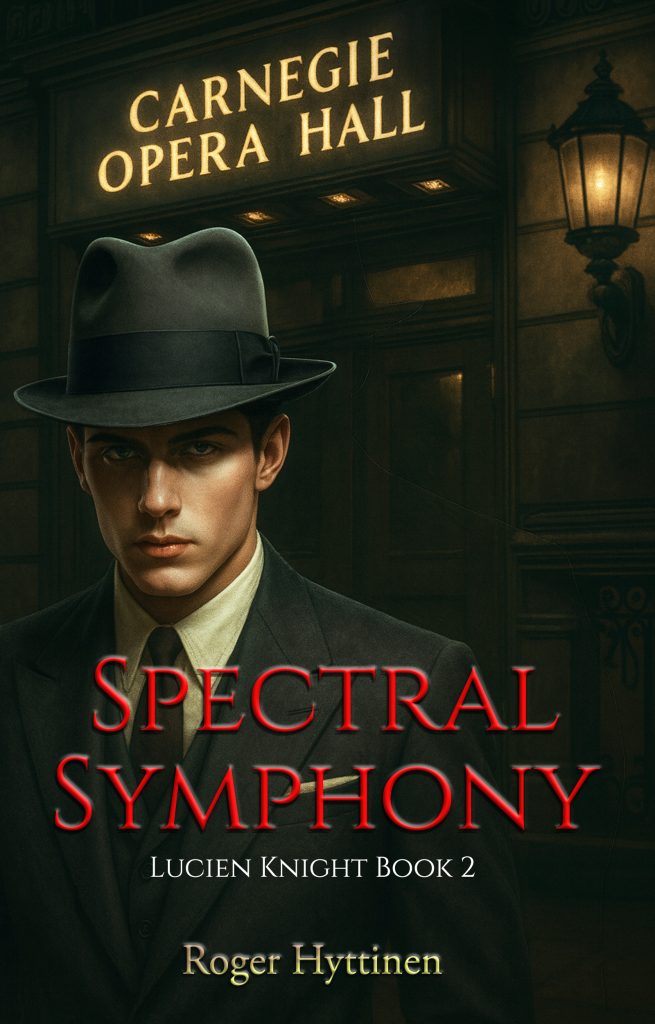

book cover for Spectral Symphony, young man in Fedora in front of Carnegie Opera Hall

A haunted melody.
A vanished maestro.
And a detective who knows music can kill.

When a piece of forbidden sheet music resurfaces, Lucien Knight is dragged back into the paranormal world he fled—where ghosts perform, secrets fester, and the wrong note can be deadly.

Grab your copy HERE

Skates, Sweat, and Feelings: My Slightly Unhinged Love Letter to Heated Rivalry Read Post »

Creating Compelling Gay Characters (Without Making Them Walking Stereotypes)

Male couple

So here’s the thing: writing gay characters should not feel like filling out a diversity form. You know that box that says “add one queer person for representation”? Yeah, toss that box into the nearest recycling bin. Writing authentic LGBTQ+ characters—characters who actually feel alive—means treating them like real people, not like rainbow-tinted sidekicks who exist only to make your story look inclusive.

I’ve been writing queer characters for a while now, and if there’s one thing I’ve learned, it’s that authenticity starts with curiosity. You have to care about your characters enough to explore who they are beneath the labels. What’s their go-to coffee order? What keeps them up at night? Who did they have a crush on in middle school? If all you know about them is “he’s gay,” then congratulations—you’ve built a cardboard cutout. He’s flat, he’s lifeless, and he’s probably going to get knocked over by the slightest narrative breeze.

Let Them Be Messy

One of my favorite things about queer characters is how gloriously human they can be when you let them. Forget perfection. Let them be insecure, cocky, dramatic, shy, sarcastic, whatever fits. Let them make bad choices and fall for the wrong people. The point isn’t to create a “model gay citizen.” The point is to make someone real enough that readers can see parts of themselves—queer or not—reflected back.

I once wrote a character who was this charming disaster of a guy: witty one moment, emotionally evasive the next. A beta reader told me, “He’s not very likable.” My response? “Exactly.” I didn’t want him to be likable; I wanted him to be true. Real people aren’t perfectly digestible, and queer characters shouldn’t have to be either.

Avoid the “Gay Best Friend Syndrome”

If your gay character’s sole purpose is to give fashion advice or say something sassy before vanishing into the plot void—please, for the love of storytelling, stop. Queer characters deserve interiority. They deserve dreams, motivations, contradictions. You wouldn’t write your straight characters as walking stereotypes (I hope), so don’t do it to your queer ones.

Give them full arcs. Give them heartbreak and triumph. Give them something to do besides orbit around the main character’s emotional growth like some kind of sparkly satellite.

Don’t Make Their Sexuality Their Only Trait

This is the big one. Sexuality informs a person—it shapes experiences, relationships, sometimes even safety—but it doesn’t define the entirety of who someone is. Gay characters can be detectives, bakers, necromancers, baristas, time travelers, pirates, accountants, ghosts, whatever. Their queerness can matter to the story without being the story.

Think about it: you don’t define your straight characters solely by who they’re attracted to, right? So why should your gay ones be reduced to that?

When I write, I like to ask, “If this character were straight, would the story change?” If the answer is “not at all,” then maybe I haven’t done the work to understand how their queerness impacts their worldview. But if the answer is “yes, because their experiences have shaped how they see love, trust, fear, and belonging,” then I’m on the right track.

Representation Doesn’t Mean Perfection

There’s this unspoken pressure to make queer characters flawless—to show them as paragons of goodness so no one can accuse you of “bad representation.” I get it. But the problem with perfection is that it’s boring. Perfect people don’t grow. Perfect people don’t surprise you.

Write the messy ones. The jealous ones. The ones who overthink everything or ghost people they actually like. Those are the characters who breathe. Authenticity comes from flaws, not from polishing your characters into gleaming virtue robots.

Do Your Homework

If you’re writing outside your own lived experience, research is your friend. And by “research,” I don’t mean watching two episodes of Will & Grace and calling it a day. Read queer authors. Listen to real stories. Hang out in queer spaces (respectfully). Pay attention to the language people use, the little ways identity intersects with daily life.

And don’t treat “gay” like a monolith—there’s no single way to be queer. Some people come out at fifteen, others at fifty. Some wear it like a neon badge, others keep it quiet. All are valid.

A Little Humor Helps

I love writing characters who can find humor in their own chaos. Not because queerness itself is funny, but because humor is human—it’s one of the ways we survive. A sarcastic remark in the middle of heartbreak, a bit of self-deprecating banter, that perfectly timed eye-roll—they make a character feel alive.

Final Thought (And Yes, It’s a Bit Mushy)

At the end of the day, writing compelling gay characters comes down to empathy. You don’t need to overthink the politics of it if you start from a place of care. If you love your characters enough to treat them as fully human, your readers will too.

We’ve come a long way from the tragic gay best friend and the doomed queer lover tropes—but there’s still room for better, deeper, funnier, more complicated characters. Write the ones you want to see in the world, the ones you wish existed when you were younger.

And maybe—just maybe—you’ll help someone feel a little more seen.


Ghost Oracle Box Set image

My Ghost Oracle Box Set (Nick Michaelson) is now available from your favorite online retailer.

Books 1-3: https://books2read.com/u/mBKOAv
Books 4-6 https://books2read.com/u/mVxr2l

Creating Compelling Gay Characters (Without Making Them Walking Stereotypes) Read Post »

Gay Wizards, Vampire Boyfriends, and Why We Need More Than Just Tragic Backstories

Young vampire

So I’ve been thinking a lot lately about gay male characters in urban fantasy, and honestly? We’ve come a long way from the days when the only queer representation was the tragic sidekick who died to motivate the straight hero. But we still have some work to do, you know?

I remember picking up my first urban fantasy novel with a gay protagonist back in college. It was one of those vampire romance things where the guy spent most of the book angsting about his sexuality while fighting demons. Don’t get me wrong, internal conflict is great for character development, but when that’s literally the only personality trait your gay character has, we’ve got a problem.

The thing is, being gay isn’t a personality. It’s just one aspect of who someone is, like being tall or having brown eyes or being obsessed with obscure 80s music. The best gay male protagonists I’ve encountered are the ones who feel like real people first, who happen to be gay, rather than walking stereotypes wrapped in leather jackets.

Take Magnus Bane from Cassandra Clare’s “The Mortal Instruments” series. Sure, he’s flamboyant and dramatic, but he’s also centuries old, incredibly powerful, and has this fascinating relationship with mortality and love. His sexuality informs his character but doesn’t define every single thing about him. Plus, his relationship with Alec actually develops over time instead of being insta-love, which – thank god – feels so much more authentic.

Then there’s Ronan Lynch from Maggie Stiefvater’s “The Raven Cycle.” I love how his sexuality unfolds gradually throughout the series. He’s not introduced as “the gay one” – he’s this complex, angry, dream-manipulating kid dealing with family trauma and his own dangerous powers. When his feelings for Adam surface, it feels organic to his character rather than tacked on for representation points.

Movies have been hit or miss on this front. I loved “The Old Guard” because Joe and Nicky’s relationship spans centuries, and their love story is epic without being tragic. They’re immortal warriors who’ve been together for almost a thousand years, and their dynamic feels lived-in and real. Marwan Kenzari and Luca Marinelli had such natural chemistry that you completely bought their ancient love story.

But then you get films like some of the earlier superhero movies where gay characters were either villains coded with negative stereotypes or completely absent. It’s frustrating because urban fantasy is literally about hidden worlds and secret identities – metaphors that resonate deeply with queer experiences.

What I really want to see more of are gay male protagonists who get to be heroes of their own stories without their sexuality being either their greatest weakness or their most interesting trait. Give me the gay wizard who’s terrible at spell components but brilliant at strategy. The vampire hunter who’s been in a happy relationship for fifty years and whose biggest conflict is whether to adopt a hellhound puppy.

I think about characters like Simon Snow from Rainbow Rowell’s series – he’s awkward and powerful and sometimes makes terrible decisions, and his relationship with Baz is just one part of his larger journey. Or even going back to older works, Mercedes Lackey’s Vanyel from the “Last Herald-Mage” trilogy was groundbreaking for having a gay protagonist in epic fantasy back in the late 80s, even if some aspects feel dated now.

The urban fantasy genre has this amazing opportunity to explore queer experiences through metaphor – shapeshifters dealing with identity, magic users hiding their true nature, found families of supernatural beings. When writers really lean into those parallels without making them heavy-handed, the stories sing.

I’m seeing more authors getting this right lately. TJ Klune’s “The House in the Cerulean Sea” gave us Linus Baker, a caseworker for magical youth who finds love and family in the most unexpected place. The book is sweet without being saccharine, and Linus feels like a real person dealing with real problems, not a collection of gay stereotypes.

What excites me most is seeing younger writers who grew up with better representation creating even more nuanced characters. They’re writing gay male protagonists who are allowed to be funny, heroic, flawed, powerful, vulnerable – the full spectrum of human experience.

We’re moving beyond the era of tragic gays and stereotypical villains, and honestly, it’s about time. Give me more gay heroes who save the world, fall in love, adopt magical creatures, and occasionally burn dinner while trying to master ancient spells. That’s the kind of representation that feels real and meaningful.

Anyway, those are my thoughts on this rainy Tuesday afternoon. What do you think? Got any favorite gay male protagonists in urban fantasy I should check out?


Nick Michelson is 16 and he:

Can see ghosts
Reads Tarot cards
Gets visions of the future
May or may not have a crush on his best friend.
And ghosts come to him for help
…but some, for revenge

Read the book that began it all: Nick’s Awakening

Gay Wizards, Vampire Boyfriends, and Why We Need More Than Just Tragic Backstories Read Post »

Scroll to Top