Urban Fantasy/Paranormal

Magic in the Margins: How Supernatural Elements Can Highlight Social Issues in Fiction
Young man with angel wings

So I’ve been thinking about something lately – you know how sometimes the most powerful messages come wrapped in the most unexpected packages? Like when your mom hides vegetables in your favorite pasta sauce, except instead of sneaky nutrition, we’re talking about sneaky social commentary delivered through vampires, witches, and things that go bump in the night.

I’ve always been fascinated by how supernatural fiction can tackle real-world problems in ways that straight-up literary fiction sometimes can’t. There’s something about adding a layer of magic or otherworldly elements that makes difficult topics more approachable, more digestible. Maybe it’s because when we’re reading about werewolves, our defenses are down – we’re not expecting a lecture about prejudice or systemic oppression.

The Power of Metaphor in Supernatural Storytelling

Think about it – supernatural elements work like the world’s most elaborate metaphors. They give authors permission to exaggerate social issues just enough to make them impossible to ignore. When Suzanne Collins created the Capitol in The Hunger Games, she didn’t just write about wealth inequality – she created a literal system where rich people watch poor kids fight to the death for entertainment. The supernatural (or dystopian, depending on how you categorize it) framework made the critique of our obsession with reality TV and class divisions hit like a truck.

But let’s dig deeper into some classic examples that really showcase this technique.

Vampires: The Ultimate Social Outsiders

Vampires have been carrying the weight of social commentary for decades. Anne Rice’s Interview with the Vampire wasn’t just about immortal bloodsuckers – it was about otherness, about what it means to exist on the margins of society. Louis and Lestat weren’t just struggling with their thirst for blood; they were grappling with isolation, identity, and the pain of being fundamentally different from everyone around them.

Fast forward to more recent works, and you’ve got vampires representing everything from addiction (Let the Right One In) to immigration (Fledgling by Octavia Butler). Butler, by the way, was absolutely brilliant at this – she took the vampire myth and used it to explore race relations, power dynamics, and the complexities of symbiotic relationships in ways that would have been much harder to digest in a purely realistic setting.

I remember reading Fledgling for the first time and being completely blindsided by how Butler used the supernatural elements to examine historical trauma and racial dynamics. The protagonist, Shori, is a Black girl who happens to be a vampire, and through her story, Butler explores themes of slavery, exploitation, and survival. The vampire mythology becomes this incredible vehicle for discussing things that are often too painful or complex to address head-on.

Witches and Women’s Power

Don’t even get me started on witches and feminist commentary – we’d be here all day! But seriously, the witch has been a symbol of female power and persecution for centuries. Margaret Atwood knew exactly what she was doing when she wrote The Handmaid’s Tale. Sure, it’s technically speculative fiction rather than supernatural, but the way she used the framework of a dystopian society to highlight women’s reproductive rights and bodily autonomy was pure genius.

More recently, authors like Alix E. Harrow have been using witchy elements to explore feminism and women’s suffrage. In The Once and Future Witches, Harrow literally connects the dots between witchcraft and women’s liberation, showing how the suppression of “witches” throughout history parallels the suppression of women’s voices and power.

Zombies and Social Decay

Zombies might seem like the most mindless of supernatural creatures, but they’ve become incredible vehicles for social criticism. George Romero knew this from the beginning – his zombie films were never really about the undead; they were about consumerism, racism, and social breakdown.

More recently, books like Zone One by Colson Whitehead use the zombie apocalypse to explore urban decay, racial tension, and economic inequality. Whitehead takes the zombie genre and turns it into this meditation on what it means to survive in a system that’s already broken.

Shape-shifters and Identity Politics

Shape-shifters and werewolves have become particularly powerful metaphors for identity struggles. Patricia Briggs’ Mercy Thompson series uses supernatural creatures to explore themes of belonging, identity, and finding your place in a community. The werewolf pack dynamics become a way to examine family structures, loyalty, and the sometimes toxic nature of traditional hierarchies.

But what really gets me excited is how newer authors are pushing these boundaries even further. Rivers Solomon’s The Deep uses mermaids – yes, mermaids – to explore historical trauma and cultural memory related to the Atlantic slave trade. They took the myth of water spirits and transformed it into this profound meditation on collective trauma and healing.

Making the Impossible Feel Real

What I love most about all these examples is how the supernatural elements don’t overshadow the social commentary – they amplify it. When N.K. Jemisin writes about oppressed magic users in The Fifth Season, she’s not just telling a fantasy story; she’s creating a framework to examine systemic oppression, environmental destruction, and intergenerational trauma in ways that feel both fantastical and painfully real.

The magic gives these authors permission to push boundaries, to make us uncomfortable, to show us truths that might be too harsh to face in a realistic setting. It’s like being able to discuss difficult family dynamics through the lens of fairy tales – sometimes you need that layer of removal to really see what’s going on.

The Future of Supernatural Social Commentary

I’m genuinely excited about where this trend is heading. Authors are getting more creative, more bold, more willing to use supernatural elements to tackle contemporary issues. Climate change, technology addiction, social media culture – there’s no topic that can’t benefit from a little magical intervention.

The beauty of supernatural fiction is that it meets readers where they are. Someone might pick up a vampire novel just wanting escapism, but they end up thinking about prejudice and acceptance. Another reader might grab a witch story for the magic system and walk away contemplating women’s rights and historical persecution.

That’s the real magic trick – using the impossible to illuminate the all-too-possible.

P.S. If you’ve got any favorite examples of supernatural fiction tackling social issues, drop me a line! I’m always looking for my next mind-bending read.
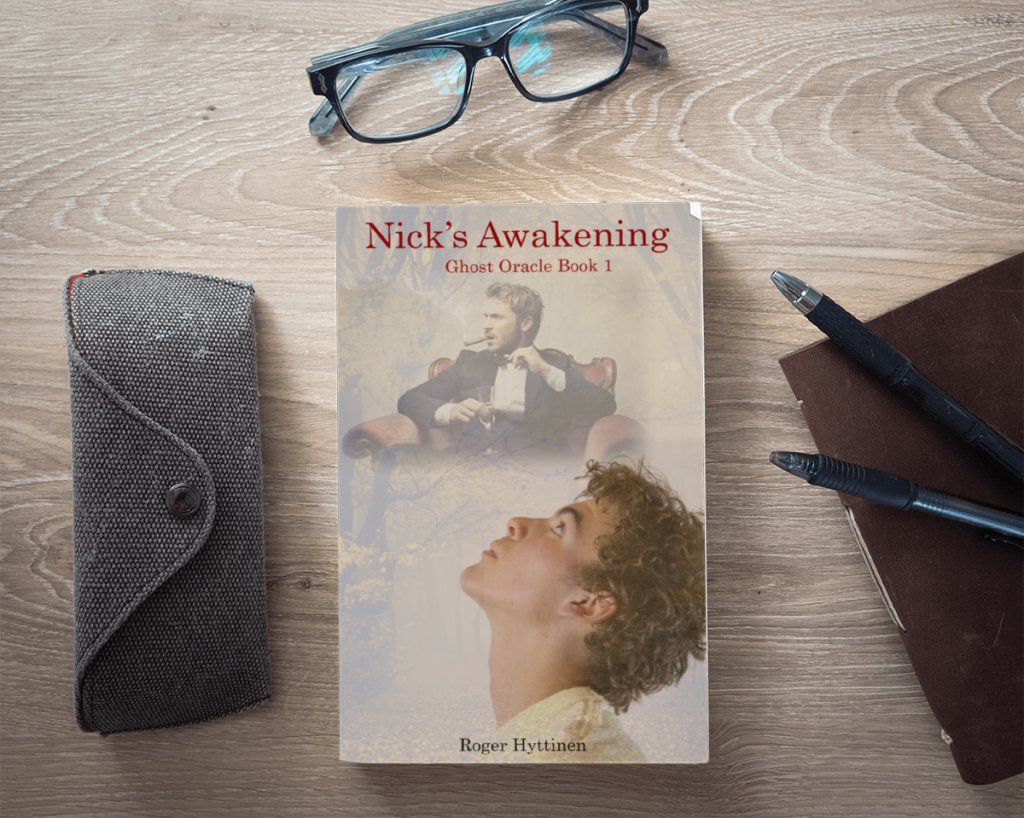

What if the dead could find you anywhere—at school, on the street, even in your own house? For Nick, the world has cracked open, and ghosts are pouring through. Ready or not, he’s their only hope. Read the book that began it all: Nick’s Awakening

Magic in the Margins: How Supernatural Elements Can Highlight Social Issues in Fiction Read Post »
Supernatural Coming Out Stories: Parallels Between Coming Out as Magical and Coming Out as Queer

young magic worker floating a crystal

I’ve always thought it was kind of hilarious that so many supernatural stories feel like a metaphor for being queer, even when the author swears up and down that they “didn’t mean it that way.” Like—really? You wrote a whole book about a teenager hiding a secret from their family, terrified they’ll be rejected if the truth comes out, and you didn’t see the queer parallels? Uh-huh. Sure.

Whether it’s discovering you’re a vampire, a witch, a shifter, or some kid who can suddenly throw fireballs with their hands, the beats line up almost perfectly with queer coming-out narratives.

The First Time I Noticed It

I still remember when the lightbulb first went off for me. I was watching Buffy the Vampire Slayer as a teenager, and Buffy had that moment where she confessed to her mom about being the Slayer. Joyce’s response—“Have you tried not_being the Slayer?”—landed like a punch in the gut. I had _heard that exact tone before when a relative asked me if I could just “try harder” to like girls. And suddenly I realized: oh wow, these shows aren’t just about demons and fangs. They’re about us.

That realization stuck with me, and now every time I read or watch a supernatural story, I can’t unsee it.

The Discovery Phase

In queer life: You realize you like boys, or girls, or both, or maybe you don’t like anybody at all in that way—and suddenly you’re sitting with this knowledge like it’s a glowing orb in your chest. It feels huge and heavy, like if anyone notices you’ll be done for.

In magical life: You wake up one morning with glowing eyes or a suspicious bite mark, and suddenly you’re staring at yourself in the mirror whispering, What the hell am I?

Think of Teen Wolf (the MTV one). Scott wakes up with claws and freaky senses, and he doesn’t want anyone to know. His whole early arc is basically one big “don’t find out who I really am” panic. Swap the claws for a rainbow flag, and it’s the same vibe.

The Closet = The Secret Spellbook

Hiding your sexuality and hiding your powers both involve elaborate double lives. Queer kids might date someone they’re not into, hoping to look “normal.” The magical teen? They invent excuses for why they disappear during the full moon, or why the chemistry lab keeps mysteriously catching fire.

In Charmed, the Halliwell sisters spend entire seasons juggling “normal” jobs and relationships while secretly being witches. Closet vibes with sparkles and incantations.

And then there’s Harry Potter. The whole “You’re a wizard, Harry” moment reads almost like a coming-out conversation. You think you’re ordinary, but suddenly someone tells you, “Actually, you’re part of this whole hidden world.”

The Big Reveal

Coming out is terrifying because you don’t know the reaction. Will your family embrace you? Will they throw you out? Will your friends shrug and say “Cool” or quietly drift away?

Same for the supernatural reveal. Buffy nailed this, but X-Men has been the loudest metaphor megaphone for decades. Mutants literally have to “come out” with their abilities, and the whole “cure” storyline is basically conversion therapy in spandex.

Found Family

If your birth family doesn’t accept you, the queer community becomes your safe haven. You find your people. You belong.

Same deal in fantasy. In True Blood, Sookie discovers a whole hidden community of “others.” In The Magicians, Quentin and friends find a weird, wonderful tribe at Brakebills. That sense of “I thought I was alone, but I’m not” is universal—whether you’re queer, a werewolf, or a bisexual vampire with excellent taste in leather jackets (looking at you, Lestat).

Shame vs. Power

Here’s the kicker: what you’re taught to be ashamed of—the thing you hide, the thing you fear—is also your source of strength.

For queer folks, it’s living authentically and discovering joy in chosen love. For supernatural characters, it’s their magic, their fangs, their telepathy. The very thing that made them feel monstrous is what makes them extraordinary.

That’s why queer fans flock to these stories. They’re not just entertainment—they’re survival manuals disguised as fantasy.

Why These Stories Matter

This is why supernatural coming-out tales hit so hard. They let us rehearse our fears in a safe way. They give us metaphors that make sense of our lived experience. And they remind us that even if your story starts with fear, it doesn’t have to end there.

Whether you’re telling your mom you’re dating someone of the same gender, or confessing to your best friend that you’ve been secretly practicing necromancy—there’s always that heart-pounding moment before you speak. That leap into the unknown.

And on the other side of that leap? Sometimes rejection, yes. Sometimes heartbreak. But also—sometimes freedom.

So yeah, every time Storm raises an eyebrow in X-Men or Buffy pulls out her stake, I can’t help but grin and think: this is our story too.


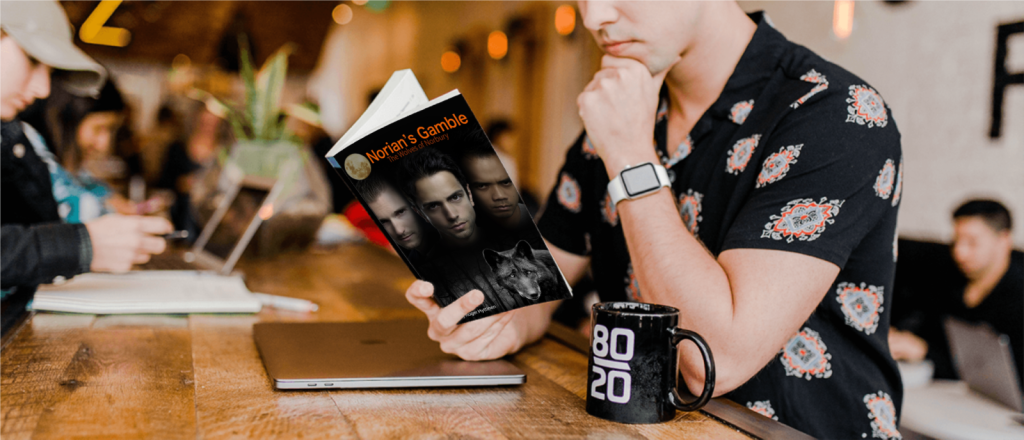
Every kingdom has its enemies. For Tregaron, that enemy is Lord Vadok—a sorcerer with a taste for vengeance and a plan to topple King Jamros. But when the battle turns personal, Prince Norian discovers that the price of survival is far higher than he imagined. Cursed by a werewolf’s bite, he must learn to master the beast within before it destroys everything he loves. Grab your copy HERE

Supernatural Coming Out Stories: Parallels Between Coming Out as Magical and Coming Out as Queer Read Post »

The Coolest Magic Systems in Urban Fantasy Novels (That I Kinda Want to Try IRL)

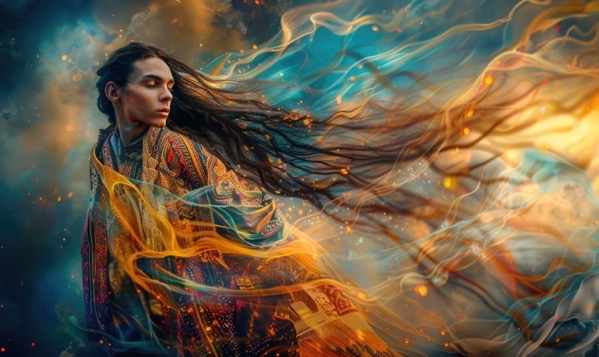
man in colorful clothes performing magic

So here’s a question I’ve probably asked myself way too often: If I could live inside any urban fantasy universe, which one would I pick based solely on the magic system? Like, not the hot vampires or the broody demon boyfriends or the shady government agencies tracking down witches—just the magic itself. What are the rules? What’s the vibe? And more importantly… would I survive it, or would I be the guy who gets eaten by a trash goblin because I mispronounced a Latin summoning spell?

Anyway. I’ve gathered up some of my favorite urban fantasy (and urban-adjacent) magic systems that I think totally slap (do people still say that? Let’s pretend they do).

The Dresden Files by Jim Butcher: Magic Has Rules (and Consequences)

Harry Dresden is basically a wizard detective in modern-day Chicago, and yes, that’s every bit as fun as it sounds. What I love about The Dresden Files magic system is that it’s rooted in physics—but, like, wizard physics. Magic is energy. You have to understand it, shape it, believe in it. The more intense your belief, the stronger your magic. It’s not just wave-a-wand-and-BOOM, fireball. No, Harry has to actually prepare. Potions? Those take ingredients and intent. Defensive shields? You’ve got to mean it. And breaking the Laws of Magic—like mind control or necromancy? You don’t just get a slap on the wrist. You get hunted down by the White Council. (Kinda like magical IRS agents, but with more fire.)

The Final Empire by Brandon Sanderson (Mistborn Series): Drink Metal, Gain Powers (Yes, Really)

Okay, let’s talk about allomancy. This is the magic system that lives rent-free in my brain. In Mistborn, people can ingest specific metals (like pewter, tin, or zinc) and then “burn” them to activate unique abilities. Pewter gives you enhanced strength, tin heightens your senses, iron lets you pull on metal objects, and steel lets you push off them (which basically turns you into a gritty, coin-flipping Spider-Man). It’s precise. It’s tactical. It’s so. freaking. cool.

And what makes it better? There are actual limitations. You run out of metal? Too bad. You mess up a push-pull trajectory and launch yourself into a wall? Oops. Your enemies know your metal and prep accordingly? You’re toast.

It’s also layered. There’s Feruchemy (store attributes in metal) and Hemalurgy (uh… stab someone and steal powers—yeah, it’s dark). Sanderson’s big on magic systems that are puzzle-box tight, and Mistborn is a shiny example of that.

I know this series is technically Fantasy and not Urban Fantasy but I had to include it ’cause I love the magic system.

 The Magicians by Lev Grossman: Magic as Academic Torture

This one is for all the overachievers who actually enjoyed taking AP Calculus. In The Magicians, you don’t just have_magic. You have to _study it. Painstakingly. Like, fluency-in-ancient-Aramaic level study. Magic here is precise, mathematical, and language-based. If Mercury is rising in a certain quadrant and your hand angle is off by even a few degrees? Spell fails. Or worse—backfires.

Honestly, this system feels like if academia and magic had a baby and then made that baby do homework forever. But it feels real. Magic is hard. It takes sacrifice. It’s earned. And I weirdly respect that.

The Mercy Thompson Series by Patricia Briggs: Shifter Magic + Fae Shenanigans

Mercy isn’t your average witch or spellcaster—she’s a shapeshifter mechanic. But the world around her is full of layered magic. Werewolves have their own rules. Vampires do too. And the fae? Don’t even get me started. The fae magic is wild—it’s based on ancient contracts, glamours, and otherworldly rules that humans do not understand. What makes this system cool is that it’s not centralized—every supernatural group has its own brand of magic. It’s messy and political and steeped in folklore. Which, to me, feels so much more like how a real magical world would work.

Rivers of London by Ben Aaronovitch: Science Meets Sorcery

Imagine if Sherlock Holmes was a wizard cop and had to deal with sentient rivers, magical jazz ghosts, and ancient British goddesses. That’s Rivers of London. The magic system is called “Newtonian Magic” (yes, like Isaac Newton) and is treated like a science. You can test it. You can measure it. And you can blow stuff up if you get it wrong. It’s kind of hilarious and kind of terrifying, but it makes for a really fun, grounded world where being a magician means dealing with bureaucracy and poltergeists.

The Hollows by Kim Harrison: Potions, Charms, and Demon Deals

Rachel Morgan’s world is like… goth Hogwarts for adults who like their magic with a shot of espresso and a side of mayhem. This system is very charm- and potion-heavy, with lots of circle-drawing, blood magic, ley lines, and don’t touch that demon mark unless you want a bad time. Magic costs time, energy, and sometimes your soul (literally). Everything’s a little morally gray, which I love. There’s always a price, and sometimes that price is you.

Other Sanderson-ish Systems You Might Like If You Loved Mistborn

Let’s say you finished Mistborn and now you’re in your “I want rules, logic, and maybe a spreadsheet to explain this magic” phase. Cool. Same. Here are a few:

  • Elantris: Magic based on drawing ancient symbols, but it stops working and no one knows why. Also there’s a cursed city full of undead, so… vibes.
  • Warbreaker: Magic fueled by color and Breath (as in your soul-stuff, not your halitosis). You can bring objects to life if you give them enough Breath. Very fun, very weird, very cool.
  • Foundryside by Robert Jackson Bennett: Scriving—basically magical coding for reality. You rewrite the laws of physics for objects, like tricking a cart into thinking it’s going downhill so it rolls on flat ground. It’s nerdy sorcery and I am INTO IT.

So What Makes a Good Urban Fantasy Magic System?

I think it boils down to three things:

  1. Internal logic. I don’t need a magic rulebook tattooed on the main character’s back, but I do need consistency. If something’s possible on page 12, don’t tell me it’s suddenly impossible on page 198 unless there’s a reason.
  2. Cost. Magic should cost something. Energy. Blood. Memory. Sanity. Your favorite hoodie. Whatever. If magic is too easy, it stops being special.
  3. Personality. The best systems reflect the world they exist in. Whether that world is gritty and noir or quirky and folklore-y, the magic should vibe with it. Like a really good playlist.

Anyway, now I kinda want to go reread all these books and start taking notes for the inevitable day I accidentally open a portal to the fae realm with my French press. If you’ve got a favorite magic system I didn’t mention, tell me. I am always on the hunt for more magical mayhem.

The Coolest Magic Systems in Urban Fantasy Novels (That I Kinda Want to Try IRL) Read Post »

Who Would You Call First in a Supernatural Crisis?

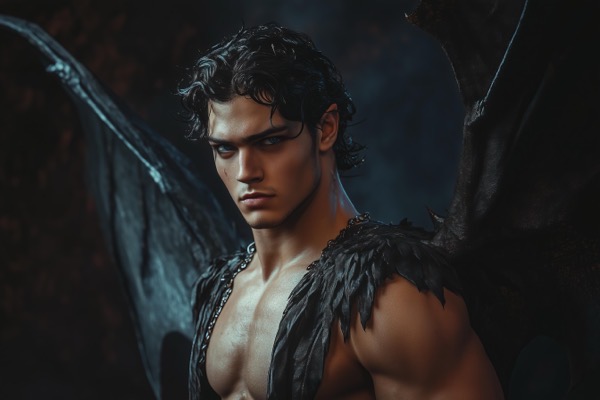
handsome man in demon bat wings

We’ve all done it — you’re sitting on the couch, half-watching a paranormal documentary and half-scrolling your phone, when suddenly you think… “If my lights flickered right now and my dog started growling at an empty hallway, who the heck would I call?” And of course I don’t mean 911. I mean fictional men who have experience dealing with pissed-off spirits and mysterious ancient curses. So yeah, I’ve spent an embarrassing amount of time ranking popular guys from movies and TV to determine exactly who would get that panicked late-night call. (It’s research. Totally legitimate writer research.)

First guy that immediately came to mind was Dean Winchester from Supernatural. You know he’d answer his phone even if it was 3:37 AM because that man literally doesn’t sleep. He’d probably grumble “what did you do this time?” before even saying hello, but then he’d grab the keys to the Impala and be at my front door in four hours flat with rock music blaring and a trunk full of salt rounds, iron crowbars, and holy water. I feel like he wouldn’t even need the backstory — I could just point at the creepy antique mirror and he’d be like “yeah… that thing’s cursed” and immediately smash it. Five stars for efficiency, though negative one star for probable property damage.

That then reminded me of Fox Mulder (The X-Files). Love Mulder with all my nerdy heart, but let’s be honest — if I called him first, I’d end up getting abducted by aliens halfway through his five-hour PowerPoint presentation explaining why the poltergeist in my kitchen is obviously a government conspiracy. He’d bring up crop circles and Roswell before we even stepped into the living room. Very enthusiastic, though. If I want moral support and complicated theories about why a ghost might haunt a waffle iron, Mulder’s definitely the guy. But if I want something actually banished, I’d probably save him as my “third option” emergency contact.

And then there’s John Constantine (the Matt Ryan version, not the Keanu Reeves one — though I’d honestly call Keanu for a different kind of crisis if you know what I mean). Constantine would absolutely show up in a rumpled coat smelling faintly of cigarette smoke and regret. He’d roll his eyes at the situation, mutter something Latin under his breath, and casually kick a demon back through a portal while insulting it. The downside here is that Constantine always has, like… baggage. He might fix the situation, but I’d be left wondering if I now owe a favor to some random Hell lord. Risky. But if things are crawling out of the walls and speaking in tongues? Yeah, I’m texting Constantine.

Now if we’re talking pure emotional support plus spirit-punching capability, Geralt of Rivia (The Witcher) is actually a solid contender. Sure, he might not answer his phone (because, uh, medieval fantasy setting) but if I could summon him with a coin toss or whatever, he’d probably handle a demon like it was mildly annoying breakfast prep. Also, Geralt is unfazed by literally anything. I could point at a floating corpse in my kitchen and he’d just grunt, nod once, and start brewing a potion with random herbs from my spice rack. Also, major bonus: he brings his own sword. No Jeep full of gear necessary.

One guy I’d absolutely not call first is Jonathan Harker from Dracula. Listen, love him to bits, but the man nearly lost his mind over a few vampire brides and couldn’t even get out of a castle without having an emotional breakdown. I feel like he’d just faint if a ghost whispered in my doorway. He’s a solid support character but not your “first on the scene” guy.

Another one I would call? Egon Spengler from Ghostbusters. Not Peter. Not Ray. Definitely not Venkman. Egon is the secretly competent one. He’d show up with stacks of notes, gently place scientific sensors around the house, and quietly trap the ghost without a single dramatic speech. Then he’d mutter something deeply scientific about ectoplasmic density, hand me a containment unit, and politely leave. Honestly? Kind of perfect.

And of course, Blade (yes, the vampire hunter). He’s probably not great with ghosts, but if the supernatural crisis involves bloodthirsty immortal creatures, he’s my first call. He’d scowl at me for being stupid enough to invite a vampire in (“I thought he just wanted coffee!”) and then he’d calmly decapitate the problem before disappearing back into the night. Efficient. Zero small talk.

So if I had to rank them? Constantine first if it’s definitely demonic. Dean Winchester if it’s a vengeful spirit or haunted crayon drawing. Geralt if it’s some sort of ancient cursed entity that requires sword-based diplomacy. Egon if the house just needs high-tech ghost eviction. Mulder if I need moral support and wild conspiracy theories. And absolutely never Jonathan Harker unless I want someone to panic with me in matching Victorian nightshirts.

Anyway, I feel like everyone should have a “supernatural crisis phone tree.” It’s just practical. You never know when a cursed doll is going to blink at you from the bookshelf, and trust me — you don’t want to start scrolling through your contacts at 2:00 a.m. trying to decide between “demonologist” or “witcher.”


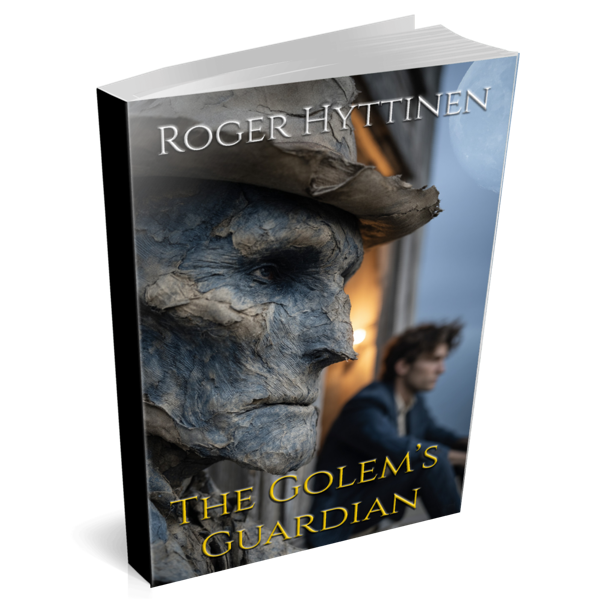
book cover for The Golem's Guardian

When Brooklyn librarian David Rosen accidentally brings a clay figure to life, he discovers an ancient family gift: the power to create golems. As he falls for charismatic social worker Jacob, a dark sorcerer threatens the city. With a rare celestial alignment approaching, David must master his abilities before the Shadow’s ritual unleashes chaos—even if using his power might kill him. The Golem’s Guardian

Who Would You Call First in a Supernatural Crisis? Read Post »

Ghosts, Goblins, and Emotional Baggage: Dealing with Trauma in Paranormal Fiction

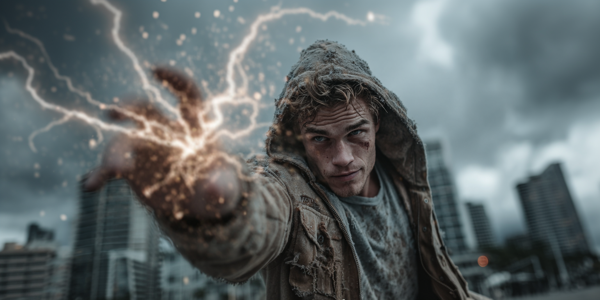
Rogerthedodger8023 superhero spellcaster in modern clothes faci e5ba9292-e495-48b8-b468-434bb8fe4e54.

With urban fantasy—it’s never just about werewolves, vampires, and people who can see dead folks (though those are my jam). The best paranormal stories know that the real monsters aren’t always the ones with fangs or glowing eyes. Sometimes, they’re the old wounds we drag around like unwanted carry-on luggage. And in a way, that’s why trauma and healing fit so perfectly into the genre.

Because when you plop a character into a world with magic and supernatural mayhem, you get this weirdly safe space to unpack the heavy stuff. You can talk about grief, abuse, PTSD, heartbreak—without it feeling like you’re reading a psychology textbook. Instead, your protagonist might be processing their childhood trauma while banishing a vengeful spirit in a haunted brownstone. And honestly? That’s my kind of therapy session.

When the Monsters Aren’t the Real Threat

Take Harry Dresden from The Dresden Files. The guy’s a wizard-for-hire, sure, but he’s also basically a walking trauma magnet. Abandonment issues? Check. Survivor’s guilt? Oh, you bet. Magical enemies that want him dead? Daily. Watching Harry deal with his internal scars while still managing to sling spells makes him relatable, because we get that life doesn’t pause for you to “work on yourself.” You heal while you’re knee-deep in trouble.

And let’s talk Buffy the Vampire Slayer. Yes, yes, she’s got the whole Chosen One gig, but those demons she’s fighting? Half the time they’re metaphors for real-life trauma—grief when she loses her mom, the PTSD after she’s literally brought back from the dead. The Hellmouth is basically a pressure cooker for unprocessed pain.

Trauma Makes Paranormal Characters Juicy

Urban fantasy without emotional baggage can feel flat—like ordering a burger with no seasoning. Think of The Hollows series by Kim Harrison. Rachel Morgan deals with magical threats, but she also wrestles with betrayal, moral compromises, and losing people she cares about. These arcs make her victories feel earned, because you’re rooting for her to heal and win.

And don’t even get me started on The City We Became by N.K. Jemisin. Sure, it’s about living cities manifesting as people (which is so cool), but it’s also about reclaiming identity and recovering from systemic abuse. The fantasy amplifies the trauma in a way that makes it bigger, more surreal—and somehow, more approachable.

Healing Doesn’t Have to Be a Neat Bow

Here’s the beauty of paranormal fiction: you can have messy, incomplete healing. In Seanan McGuire’s _October Daye_series, Toby doesn’t magically “get over” her traumas; she grows around them. Sometimes she even gets new ones (life in Faerie isn’t exactly spa days and scented candles). And that’s more realistic than a quick fix. Healing is often a “two steps forward, one step back, oh no I’ve been kidnapped by a selkie” kind of process.

Sometimes healing in urban fantasy comes from found families—those ragtag groups of witches, shifters, ghosts, and humans who stand by the main character when things go pear-shaped. In Supernatural, for all its monster-hunting mayhem, it’s the Winchester brothers’ codependent-but-loving bond that slowly patches their emotional scars (when it’s not ripping them back open again).

Why We Keep Coming Back to It

Paranormal fiction lets us face the darkness—inside and out—without drowning in it. Trauma can be reframed as a dragon to slay, a curse to break, or a ghost to finally lay to rest. And sometimes, the real magic isn’t the spellcasting—it’s watching a character choose to keep fighting, keep loving, keep living.

I think that’s why I’ll always come back to this genre. It’s messy, it’s weird, and it lets you smuggle real human pain into stories with vampires and necromancers. And somehow, when the dust settles and the demon’s vanquished, you feel like maybe—just maybe—you’ve done a little healing yourself.

Alright, your turn—what’s your favorite example of a paranormal character working through trauma? I’m always on the hunt for my next “monster-fighting, soul-healing” read.


Read the book that began it all: Nick’s Awakening

Ghosts, Goblins, and Emotional Baggage: Dealing with Trauma in Paranormal Fiction Read Post »

City as Character: How Urban Settings Shape Supernatural Narratives

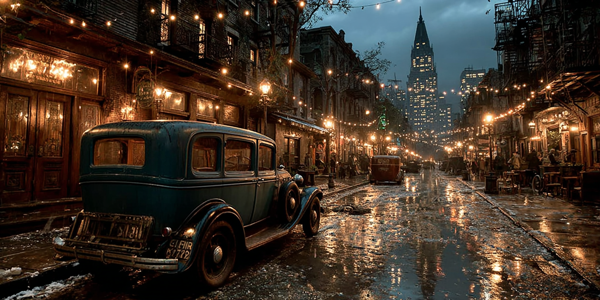
Photrealistic image of gritty 1930s chicago.

(Or why your vampire might prefer Chicago over Cleveland)

Let’s talk cities. Not the kind with brochures and trolley tours—though, yes, ghost tours are a must—but the gritty, rain-slicked, neon-lit, mystery-drenched kind that practically hum with supernatural possibility.

You know the type. The city that’s less “background noise” and more “this place will chew you up and spit out your bones, but like…in a magical way.” If you’re writing (or reading) urban fantasy, paranormal noir, supernatural thrillers, or anything that goes bump between skyscrapers, you need to think of the city not just as a setting—but as a character.

This post is mostly for my fellow writers, but if you’re a reader of Urban Fantasy or Supernatural Fiction, you’ll probably still find yourself nodding along like, “Yep. I knew New Orleans had ghosts in the sidewalks.”

The City Breathes, Bleeds, and Bites Back

Think about The Dresden Files. Could Harry Dresden function the same way if he lived in, say, Des Moines? No shade to Iowa, but Chicago is baked into his DNA. The biting wind, the history, the political corruption, the layered architecture (literal and metaphorical)—Chicago is the magic in that series. You can practically hear the El trains echoing in his spellwork.

Or Neverwhere by Neil Gaiman. London isn’t just the backdrop; it splinters into a whole underground mythos. It drips with old magic and forgotten alleys and subway gods. London Below is a twisted mirror of the actual city, and without London’s ancient bones, the story just wouldn’t have teeth.

Urban Settings = Instant Conflict

Cities naturally come with built-in tension—class divides, gentrification, unsolved crimes, too many people crammed into not enough space. Now throw in a secret werewolf pack in Brooklyn or a necromancer keeping rent-controlled ghosts in San Francisco, and suddenly the supernatural bits don’t feel so far-fetched, do they?

Take The City We Became by N.K. Jemisin. Each borough of New York literally comes alive—like, human-avatar level alive. The city’s personality is the plot. There’s graffiti-level magic and eldritch invasions, sure, but it’s also about culture, resistance, community, and identity. The city isn’t just where things happen. It’s why they happen.

Dark Alleys Make Great Portals

Urban landscapes naturally lend themselves to the spooky and strange. There’s something about flickering streetlights, steam rising from manholes, and alleys that look just a little too quiet. Cities are full of liminal spaces—transit systems, rooftops, abandoned factories—that practically beg for magical weirdness.

Rivers of London (by Ben Aaronovitch) leans into this by grounding magic in the infrastructure of the city—rivers are gods, traffic has power, and the architecture holds secrets. It’s brilliant. And it makes the city feel alive in a way that suburban sprawl just… doesn’t.

Want Vibes? Cities Deliver.

You can get really specific with tone just by picking the right city. Want ancient secrets and ghosts tangled in the Spanish moss? Drop your story into Savannah. Need rainy gloom and underground magic? Seattle’s got you. Desire glamour with a side of decay? Hello, Los Angeles.

One of my favorite examples: The Beautiful by Renée Ahdieh. Set in 1872 New Orleans, it wraps you in opulence, rot, and vampires. The city oozes charm and danger. You smell the blood in the bayou and the perfume in the parlor. It’s lush and decadent and you know—know—there’s something unholy under the floorboards.

Writing Tip: Use the City’s History Like Lore

I’m just gonna say it: if your supernatural city doesn’t have a shady past or some unsolved mystery, what are we even doing here?

The best urban fantasy weaves in real-life history like it was always magical. Murders that never got solved? Witch trials? Abandoned asylums turned condos? Use it. Cities are basically story graveyards, and you get to dig up the bones and whisper to them.

My own writing has dipped into this—I set a paranormal detective story in 1930s Chicago (because of course I did), and let me tell you, between the mobsters, the speakeasies, and the corruption, I didn’t need to invent much. I just added ghosts. The city did the rest.

Readers Notice When the City’s a Flat Prop

This might sound dramatic, but nothing kills a story faster for me than a city that feels like it was pasted on with digital wallpaper. I want to taste the coffee from the bodega, feel the subway grime under my character’s fingernails, hear the street preacher screaming about demons on a corner that absolutely exists somewhere.

Even if you’re inventing a fictional city, like Night Vale or Hollows (from Kim Harrison’s The Hollows series), you want to treat it with the same messy, flawed reverence you’d give a real place.

The City Deserves a Speaking Role

Give your city quirks. Give it moods. Let it be weird and unpredictable and inconvenient. Cities are more than just backdrops for your haunted antique shops and secret supernatural nightclubs. They are the mood. The muscle. The rhythm.

So go ahead—write the alleyway that leads to another world, the haunted subway line, the rooftop where witches cast spells using broken satellite dishes.

And let the city speak.

Alright, I’ve rambled enough. I need to go eavesdrop on the guy muttering to pigeons outside my window—he might be casting something.

City as Character: How Urban Settings Shape Supernatural Narratives Read Post »

Queer Paranormal Books to Binge When You’re Craving Something Dark & Magical

AdobeStock 934476632.

Sometimes you just want a book that gives you vibes. You know what I mean? Something that’s a little eerie, a little sexy, maybe has some spells flying or ghosts whispering in the attic—and unapologetically queer. Because while I love a good haunted house or vampire romance, I want my monsters and magic served with a side of queer yearning, thank you very much.

So, I made a list. A lovingly curated stack of queer paranormal books to binge when your soul’s feeling all shadowy and sparkly at the same time. Light some candles, maybe brew a questionable herbal tea (it’s called ambiance), and let’s dive in.

1. The Dead and the Dark by Courtney Gould

Ghosts. Murder. Closeted TV ghost-hunter dads. This one had me hooked from chapter one. It’s set in a creepy small town where teens are going missing, and the vibe is deliciously unnerving. Oh—and the sapphic slow burn? Absolute chef’s—wait, no, not saying it. It’s perfect.

2. Cemetery Boys by Aiden Thomas

If you haven’t read this one yet, I’m both jealous of you and a little bit suspicious. It’s like warm pan dulce and cold night air wrapped in one book. Yadriel is a trans brujo trying to prove himself, and he ends up summoning a ghost with unfinished business (who is also ridiculously cute and annoying). It’s spooky, sweet, and steeped in Latinx culture and heart.

3. The Sunbearer Trials by Aiden Thomas

Okay yes, another Aiden Thomas book, but hear me out—this one is like if The Hunger Games went to queer magical summer camp. It’s not as horror-heavy, but it has gods, monsters, trials, and a rainbow of identities. Trans rep, demi rep, gay rep—it’s basically a Pride parade with knives.

4. White Is for Witching by Helen Oyeyemi

This one is… odd. Beautifully odd. It’s literary horror, with a haunted house that may or may not be alive and xenophobia that literally creeps in through the walls. There’s a queer love story, but the whole book is like reading a dream that might smother you in your sleep. A+ for unsettling vibes.

5. The Devouring Gray by Christine Lynn Herman

Creepy forests. Moody teens. Mysterious deaths. And bisexual representation! Honestly, it scratches that Stranger Things meets The Raven Cycle itch. Small-town secrets and paranormal curses are my literary catnip.

6. A Dowry of Blood by S.T. Gibson

This is Dracula’s bride reimagined as a queer, polyamorous Gothic goddess reclaiming her power. It’s dark and decadent and written in this poetic prose that makes you want to underline every other sentence. (Also, toxic vampire relationships? We love unpacking those.)

7. Monstrilio by Gerardo Sámano Córdova

This one’s newer and… wow. Just wow. It’s weird, it’s tender, it’s monstrous. A grieving mother raises her dead son into a creature—yes, it goes there—and there’s this undercurrent of queerness and identity and transformation. It’s tender horror, if that makes sense?

8. Sawkill Girls by Claire Legrand

This one hit me in the face like a thunderclap. Girls are going missing. There’s a supernatural predator. And our sapphic heroines? So good. The atmosphere is sticky and strange, and the horror element is very much there without being overbearing. It’s empowering and haunting all at once.

9. Wilder Girls by Rory Power

Imagine Lord of the Flies but with queer girls and body horror and mysterious island quarantines. Yeah. That. The prose is lush and brutal and there’s this sense of decay and transformation throughout that I kind of loved. It’s not a romance-y book, but the queerness is there and it’s messy and real.

10. Silver Under Nightfall by Rin Chupeco

Okay. Vampires. Monster hunting. Found family. Queer romance. Polyamory. I devoured this one with the same glee I have when I find discount Halloween candy in November. It’s action-packed and a little gory, but also swoony and funny. Don’t sleep on this one.

11. The Honeys by Ryan La Sala

A queer boy infiltrates a mysterious all-girls retreat after his sister dies under suspicious circumstances. The bees. The weirdness. The unsettling perfection of it all. It’s like Midsommar but with queerness and grief and a big helping of WTF. I was enthralled.

12. Into the Drowning Deep by Mira Grant

Lesbian marine biologists + killer mermaids. That’s it. That’s the pitch. Also: the mermaids are horrifying, and I loved every squishy, scream-inducing second of it.

Bonus Round: If You’re Into Queer Witchy Vibes…

  • Mooncakes by Wendy Xu & Suzanne Walker – sweet, queer, witchy graphic novel.
  • The Witch King by H.E. Edgmon – trans boy raised in the fae realm returns to his magical roots (and his ex).
  • Her Majesty’s Royal Coven by Juno Dawson – adult witches, old friends, betrayal, and trans representation.

I don’t know about you, but I kind of want to curl up in a haunted mansion with these now. (Ideally with ghost-proof snacks and some enchanted tea. Maybe a cat who talks. Not required, but would be nice.)

If you’ve got favorites I missed, please send them my way. I’m always down to add a few more queer ghosts, witches, and vampires to my shelf.

Until then—read dark, stay magical, and never trust a mysterious bookshop that wasn’t there yesterday.

Queer Paranormal Books to Binge When You’re Craving Something Dark & Magical Read Post »

Scroll to Top