Urban Fantasy

Hidden Gems – Underrated Urban Fantasy Novels You Should Absolutely Read (Because Magic Deserves Better PR)

handsome young man 18-24 reading a book book

Let me tell you something kind of embarrassing.

Years ago, I went on a total urban fantasy binge. We’re talking full-on hermit mode: blackout curtains, microwave burritos, and me mumbling spells under my breath like I was preparing for battle at the local Walgreens. It started innocently with The Dresden Files, then Mercy Thompson, then Kate Daniels, and before I knew it, I’d devoured all the Big Names™ and hit the dreaded “recommendation fatigue” wall.

You know that wall. You’ve read the heavy hitters. You’ve seen the same five series recommended in every single listicle. And then suddenly you’re wandering the genre wilderness, thinking, Where is all the weird, niche, juicy stuff hiding?

So I started digging. Hard. And oh boy—there’s gold in those shadows.

1. The Rook by Daniel O’Malley

Okay, so this one did get a Starz adaptation (that absolutely butchered the source material—don’t get me started), but somehow people still overlook the book itself, and I will not stand for that.

The Rook is what you get if you dropped Jason Bourne into a supernatural MI6 and gave him a dry British sense of humor. The story kicks off with Myfanwy Thomas waking up in a park surrounded by dead bodies and no memory of who she is—except for a note in her pocket… from herself. From there, it spirals into a secret government agency, sentient mold, psychic ducks (seriously), and body-hopping villains.

It’s witty, weird, clever as hell, and criminally underrated.

2. Midnight Riot (aka Rivers of London) by Ben Aaronovitch

This one technically has a cult following in the UK, but in the States, it barely gets mentioned in urban fantasy convos, and that’s a crime. It’s basically Harry Potter grew up, joined the London police force, and started dealing with magical crimes involving jazz vampires, river gods, and supernatural graffiti.

The dry wit is sharp, the world-building is layered and historically rich, and Peter Grant—the biracial, magic-apprentice-cop protagonist—is one of the most relatable leads I’ve ever read. Also, there are ghosts. And they’re _not_friendly.

3. Borderline by Mishell Baker

Now this one messed me up in the best way.

Borderline follows Millie, a young woman with borderline personality disorder (yep, that’s where the title comes from), who’s recruited into a secret organization that polices interactions between Hollywood and a parallel realm of fairies. Think The Magicians meets The Devil Wears Prada, with a heavy dose of mental health realism and some brutally honest commentary on the disability community.

What I love is that the story doesn’t flinch. Millie is raw, flawed, angry—and also brilliant, funny, and unapologetically herself. The blend of mental health and urban fantasy isn’t something I’ve seen done this well elsewhere.

4. The Arcadia Project Series (Just read all three)

Following Borderline, do yourself a favor and read the rest of the series. It escalates in ways that are bananas in the best way. No spoilers, but the Fae politics go deep, and there’s a scene in the final book involving a film set, a tear in the fabric of reality, and a flying fish that I still think about way too often.

5. City of Stairs by Robert Jackson Bennett

Okay okay, this one leans a little more “weird magical spy thriller” than traditional urban fantasy, but it feels urban. There’s a dead god, a city where reality bends around buried divine laws, and a cranky, badass bureaucrat named Shara Thivani who investigates a murder that might unravel, well, everything.

There’s something deeply satisfying about how grounded this book feels despite the epicness. Plus, it asks big philosophical questions—about faith, memory, and colonialism—without ever getting preachy. Also: knife fights. Glorious, grimy knife fights.


Why This Matters (To Me, Anyway)

I think urban fantasy sometimes gets pigeonholed. People expect broody vampires and sarcastic detectives (don’t get me wrong—I love both), but there’s so much more lurking in the shadows. Mental health. Queer identities. Neurodivergent protagonists. Diverse mythology. Weird sidekicks with questionable hygiene.

Finding these books felt like cracking open secret doors in a genre I thought I’d already explored. They reminded me that urban fantasy doesn’t have to be formulaic. It can be sharp, unpolished, hilarious, raw—just like the cities it’s meant to reflect.

So if you’re like me and you’ve hit that genre wall, these are the books I’d shove into your hands. Some are funny, some are sad, some are just straight-up bizarre—but all of them deserve more love than they’ve gotten.

Go find your next favorite obsession. Just, uh, maybe clear your weekend first. You’re not gonna want to put them down.

Hidden Gems – Underrated Urban Fantasy Novels You Should Absolutely Read (Because Magic Deserves Better PR) Read Post »

Witches, Wolves, and Wasted Potential: Urban Fantasy on Screen

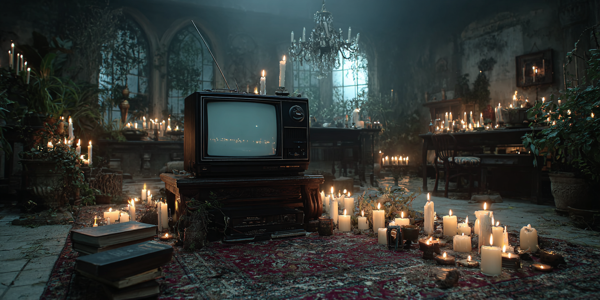
 Supernatural paranormal scene featuring a television

Okay, fellow weirdos—can we talk about urban fantasy on screen? You know, all the witches, vampires, secret magical societies, demons with great cheekbones, and morally ambiguous love interests that somehow always have tragic backstories and a tendency to lurk in alleyways? Yeah, that genre. The one that raised us, disappointed us, and sometimes left us wondering if we could get a refund on our emotional investment.

Some shows blew my mind in the best way possible. Others… well, they felt like dollar-store spellbooks with missing pages. So here we go—my personal, deeply biased, occasionally snack-fueled list of urban fantasy hits, misses, and the shows that left me somewhere in between, wondering what might’ve been.

🔥 The Hits (aka the ones I’d let bite me)

1. Buffy the Vampire Slayer
Let’s start with the queen, shall we? Buffy defined urban fantasy TV for a whole generation. We had sass, we had stakes (literally), and we had monsters as metaphors for every adolescent nightmare. It juggled horror and humor with actual character arcs. And now… a Buffy reboot is allegedly coming to Netflix soon. I’m cautiously optimistic, but seriously—can it hold a candle to the original? Or will it just feel like a high-budget fanfic in a world already saturated with reboots that forgot what made the original special?

2. Shadowhunters
Look, I know this one gets side-eye from certain corners of the internet, but I loved it. Yes, it was occasionally (okay, frequently) chaotic. And yes, sometimes the dialogue made me want to throw my remote. But it had heart, magic tattoos, cool-looking weapons, and Malec. Like, that pairing alone kept me emotionally invested far longer than was reasonable. Do I wish it had a bigger budget and stronger scripts? Sure. But do I regret binge-watching every episode and sighing dramatically through the finale? Not even a little.

3. Supernatural
I watched every episode. All 327 of them. And yeah, it probably should’ve ended around Season 5 (okay, maybe Season 11 at the latest), but Sam and Dean? Forever icons. That car, that classic rock, that weird mix of horror and dad jokes? Gold. I still get misty-eyed thinking about some of those emotional arcs. And honestly, what’s not to love about two brothers fighting monsters while slowly becoming them?

4. Teen Wolf
Yes, I’m putting Teen Wolf in the hits. Come at me. That show had absolutely no business being as good as it sometimes was. The vibes? Immaculate. The chemistry? Off the charts. Stiles Stilinski? A whole icon. Season 3A in particular was next-level, with its oni demons, sacrificial darkness, and psychological horror. Did it occasionally veer into the land of Beautiful People Running Through Fog With No Plot? Sure. But when it hit, it hit. And let’s be honest—we all wanted to be in that high school, even if the mortality rate was higher than average.

5. The Magicians
This show is what happens when Harry Potter grows up, joins a therapy group, and starts snorting pixie dust. It’s raw, hilarious, tragic, and just straight-up weird. Magic comes with a price, characters die, trauma is real, and Margo is a goddess. Literally. I still think about some of those musical episodes like they’re burned into my brain.

6. Being Human (UK)
If you missed this one, do yourself a favor and dig it up. It’s a vampire, a ghost, and a werewolf trying to live normal lives while being complete emotional disasters. It’s grimy, heartfelt, and somehow more grounded than most urban fantasy out there. Also, it made me cry over a ghost’s unfinished business, which is not something I expected to type, but here we are.

7. Penny Dreadful
Moody, gothic, and gloriously over-the-top. It felt like someone threw every Victorian monster into a blender and hit shakespearean angst. Eva Green should’ve been knighted for her performance. It’s not urban fantasy in the modern sense, but the spirit is there: monsters hiding behind society’s masks.

🚫 The Misses (aka shows I watched while muttering “You had one job”)

1. The Order
Magic college. Secret societies. Werewolves. Should’ve been awesome. Instead, it was like watching a CW pilot that never fully made it out of beta testing. The concept had so much potential, but the execution felt like someone fell asleep on the plot outline.

2. Charmed (2018 reboot)
Listen. I wanted to like it. I really did. The original Charmed had its own cheese factor, sure, but it worked. This reboot felt like it was trying to be woke and edgy at the same time, but forgot to be fun. Also, did the Book of Shadows get a software update? Because it felt… sterile.

3. Witches of East End
Great cast. Gorgeous visuals. Total snoozefest. It was like someone read the description of urban fantasy out loud but forgot to include the actual magic.

4. Bitten
Werewolves! Canada! A female lead with rage issues! I wanted to love it, but it just didn’t land for me. It lacked bite (pun very much intended). Also, the pacing felt like molasses on a winter morning.

😐 The Middle Zone (aka “almost…but not quite”)

There are shows that hit the vibe but fumble the follow-through. Stuff like Grimm (great concept, kinda boring execution), Lost Girl (sassy and sexy, but plotlines were a hot mess), or The Secret Circle (remember that one? It came and went like a shadow demon with stage fright). These shows lived in the awkward limbo between brilliance and bafflement.


Urban fantasy can be so good when it leans into the messiness of life and magic colliding. I want broken heroes, morally gray choices, and stories that aren’t afraid to get weird. But I also want competent world-building, solid scripts, and characters that feel like people—not exposition delivery devices in tight pants.

Anyway, now that I’ve thoroughly dragged and praised half the paranormal TV landscape, I wanna know: what are your urban fantasy faves? Drop them in the comments, yell at me about Shadowhunters, or whisper them to a stray cat under a full moon. I’ll probably hear you.


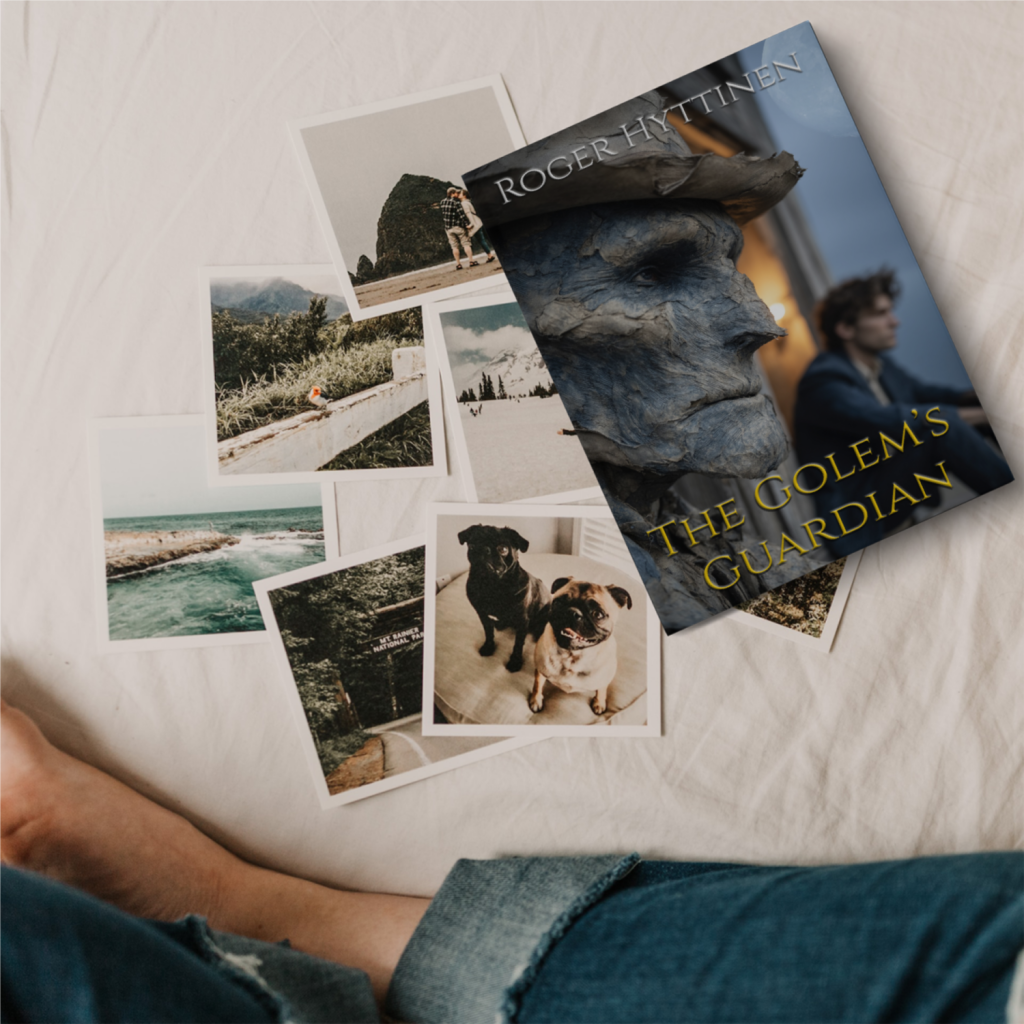
Have you read my latest book, “The Golem’s Guardian” yet? If not, you can snag a copy HERE.

Photo of book The Golem's Guardian

Witches, Wolves, and Wasted Potential: Urban Fantasy on Screen Read Post »

Gay Wizards, Vampire Boyfriends, and Why We Need More Than Just Tragic Backstories

Young vampire

So I’ve been thinking a lot lately about gay male characters in urban fantasy, and honestly? We’ve come a long way from the days when the only queer representation was the tragic sidekick who died to motivate the straight hero. But we still have some work to do, you know?

I remember picking up my first urban fantasy novel with a gay protagonist back in college. It was one of those vampire romance things where the guy spent most of the book angsting about his sexuality while fighting demons. Don’t get me wrong, internal conflict is great for character development, but when that’s literally the only personality trait your gay character has, we’ve got a problem.

The thing is, being gay isn’t a personality. It’s just one aspect of who someone is, like being tall or having brown eyes or being obsessed with obscure 80s music. The best gay male protagonists I’ve encountered are the ones who feel like real people first, who happen to be gay, rather than walking stereotypes wrapped in leather jackets.

Take Magnus Bane from Cassandra Clare’s “The Mortal Instruments” series. Sure, he’s flamboyant and dramatic, but he’s also centuries old, incredibly powerful, and has this fascinating relationship with mortality and love. His sexuality informs his character but doesn’t define every single thing about him. Plus, his relationship with Alec actually develops over time instead of being insta-love, which – thank god – feels so much more authentic.

Then there’s Ronan Lynch from Maggie Stiefvater’s “The Raven Cycle.” I love how his sexuality unfolds gradually throughout the series. He’s not introduced as “the gay one” – he’s this complex, angry, dream-manipulating kid dealing with family trauma and his own dangerous powers. When his feelings for Adam surface, it feels organic to his character rather than tacked on for representation points.

Movies have been hit or miss on this front. I loved “The Old Guard” because Joe and Nicky’s relationship spans centuries, and their love story is epic without being tragic. They’re immortal warriors who’ve been together for almost a thousand years, and their dynamic feels lived-in and real. Marwan Kenzari and Luca Marinelli had such natural chemistry that you completely bought their ancient love story.

But then you get films like some of the earlier superhero movies where gay characters were either villains coded with negative stereotypes or completely absent. It’s frustrating because urban fantasy is literally about hidden worlds and secret identities – metaphors that resonate deeply with queer experiences.

What I really want to see more of are gay male protagonists who get to be heroes of their own stories without their sexuality being either their greatest weakness or their most interesting trait. Give me the gay wizard who’s terrible at spell components but brilliant at strategy. The vampire hunter who’s been in a happy relationship for fifty years and whose biggest conflict is whether to adopt a hellhound puppy.

I think about characters like Simon Snow from Rainbow Rowell’s series – he’s awkward and powerful and sometimes makes terrible decisions, and his relationship with Baz is just one part of his larger journey. Or even going back to older works, Mercedes Lackey’s Vanyel from the “Last Herald-Mage” trilogy was groundbreaking for having a gay protagonist in epic fantasy back in the late 80s, even if some aspects feel dated now.

The urban fantasy genre has this amazing opportunity to explore queer experiences through metaphor – shapeshifters dealing with identity, magic users hiding their true nature, found families of supernatural beings. When writers really lean into those parallels without making them heavy-handed, the stories sing.

I’m seeing more authors getting this right lately. TJ Klune’s “The House in the Cerulean Sea” gave us Linus Baker, a caseworker for magical youth who finds love and family in the most unexpected place. The book is sweet without being saccharine, and Linus feels like a real person dealing with real problems, not a collection of gay stereotypes.

What excites me most is seeing younger writers who grew up with better representation creating even more nuanced characters. They’re writing gay male protagonists who are allowed to be funny, heroic, flawed, powerful, vulnerable – the full spectrum of human experience.

We’re moving beyond the era of tragic gays and stereotypical villains, and honestly, it’s about time. Give me more gay heroes who save the world, fall in love, adopt magical creatures, and occasionally burn dinner while trying to master ancient spells. That’s the kind of representation that feels real and meaningful.

Anyway, those are my thoughts on this rainy Tuesday afternoon. What do you think? Got any favorite gay male protagonists in urban fantasy I should check out?


Nick Michelson is 16 and he:

Can see ghosts
Reads Tarot cards
Gets visions of the future
May or may not have a crush on his best friend.
And ghosts come to him for help
…but some, for revenge

Read the book that began it all: Nick’s Awakening

Gay Wizards, Vampire Boyfriends, and Why We Need More Than Just Tragic Backstories Read Post »

Scroll to Top