Writing

Dialogue Drills: Making Characters Sound Like Humans, Not Robots
I’ve lost count of how many times I’ve stopped reading a book, stared at the page, and muttered, “No one talks like this.” You know the feeling. The words are technically fine. The grammar behaves. The punctuation minds its manners. And yet… the characters sound like they’re reading cue cards under fluorescent lights.

Dialogue can do that. It can look alive on the page and still feel dead in your ear.

So today I want to talk shop. Not from a podium. From the chair across the table, coffee cooling, pen tapping. Let’s talk about how to make characters sound like actual people instead of well-behaved instruction manuals.

The First Test: Say It Out Loud (Yes, Really)

I know, I know. Reading your own dialogue aloud feels silly. I still do it. I still glance around the room like someone might catch me mid-sentence.

Do it anyway.

Your mouth knows things your eyes don’t. If a line trips your tongue, that line needs help. If you have to take a breath halfway through a sentence that a character supposedly says in one go, that’s a clue.

Stiff version:

“I do not believe this plan will succeed, and I think we should reconsider our options.”

Human version:

“I don’t think this is going to work. Maybe we should try something else.”

Shorter. Messier. Easier to say without sounding like you’re addressing a committee.

People Dodge. People Stall. People Talk Sideways.

Real conversations wobble. Folks avoid answers. They circle topics like cats around a suspicious box.

A lot of robotic dialogue comes from characters responding too cleanly.

Too neat:

“Did you steal the money?”
“Yes, I did.”

That’s an interrogation transcript, not a conversation.

Looser:

“Did you steal the money?”
He rubbed his thumb along the edge of the table. “Is that what this is about?”

Now we’ve got motion. Avoidance. A tiny emotional leak.

When someone asks a hard question, most people don’t sprint straight into the truth. They poke the floor first.

Let Characters Interrupt Each Other

Perfect turn-taking screams “written.” Real talk bumps elbows.

Polished:

“I was thinking about leaving town,” she said.
“Why would you do that?” he asked.

Closer to life:

“I was thinking about leaving town.”
“Wait—what?”

Interruptions create energy. They show comfort, tension, impatience. Silence has weight too. A character not responding can speak louder than a paragraph of explanation.

Give Each Character a Verbal Habit

Not a gimmick. A rhythm.

One character uses short bursts. Another rambles. Someone else asks questions instead of making statements. A fourth never answers the thing you asked.

Picture a dinner table. Everyone sounds different. Dialogue should reflect that.

Same information, different voices:

“You’re late.”
“Traffic was a nightmare.”

versus

“You’re late.”
“I know, I know—don’t start. The whole city decided to stop breathing at once.”

Same point. Different pulse.

Cut the Explaining They’d Never Say

Characters don’t narrate their own lives to people who already know them. That’s a fast way to flatten a scene.

Clunky:

“As you know, my brother and I have not spoken since our argument five years ago.”

Nobody says that. Ever.

Better:

“You really think I’m calling him after what happened last time?”

Now the history sits between the lines, right where it belongs.

If a sentence starts to sound like it’s leaning toward the reader instead of the other character, trim it.

Use Filler Words—Just Not Too Many

People say “uh,” “well,” “I mean,” and “you know.” Sprinkle them with care. Too many and the page gets sticky. Too few and the voice gets stiff.

Overcooked:

“Well, I mean, I just think, you know, that maybe—well—this isn’t great.”

Balanced:

“I mean… this isn’t great.”

One small stumble sells the moment without turning it into a traffic jam.

Let Emotion Skew the Sentence

When people feel things, their sentences warp. They trail off. They snap. They repeat themselves.

Flat:

“I am angry that you lied to me.”

Alive:

“You lied to me. You looked right at me and did it.”

Short lines can hit hard. Repetition adds heat. Clean grammar can wait outside.

Eavesdrop (In a Non-Creepy Way)

Some of the best dialogue lessons come from listening. Coffee shops. Buses. Grocery store aisles. People talk in fragments. They jump tracks mid-thought. They contradict themselves without noticing.

I keep a little notebook for phrases that feel real. Not whole conversations. Just bits. Half-sentences. Weird turns of phrase. Later, those bits sneak into characters who need them.

Final Gut Check

Before you move on from a scene, ask one question:
Would I believe this if I heard it through a wall?

If the answer hesitates, tweak the lines. Let them breathe. Let them misbehave a little.

Dialogue isn’t about sounding smart. It’s about sounding true.

And yeah—when it works, it feels magic. When it doesn’t, your characters start blinking like malfunctioning appliances. None of us want that.


Book Cover from Nick's Awakening - first book in the Ghost Oracle Series

Dark family secrets. An uncle who knows too much. A boy who can’t ignore what he sees. Nick’s Awakening is the start of a paranormal journey where every answer comes with a new haunting. Grab your copy HERE

Dialogue Drills: Making Characters Sound Like Humans, Not Robots Read Post »
How to Write an Ending That Doesn’t Make People Throw Your Book

Let’s talk about endings. The part of the book where readers are tired, emotionally exposed, and holding a mug of cold coffee they forgot about three chapters ago. This is where things either land softly… or bounce off the wall and leave a dent.

I’ve finished books feeling quietly stunned, staring at the wall like I just lived a whole other life. I’ve also finished books and thought, Wait. That’s it? The kind of ending that makes you flip back a page to see if something’s missing. Or worse, makes you consider a light toss of the book onto the couch with just enough force to feel judgmental.

I’ve written both kinds. So let me save you some grief.

The Ending Is a Promise You’ve Been Making the Whole Time

Here’s the thing I had to learn the hard way: endings don’t start at the last chapter. They start on page one.

If your book opens by asking a question—Who did this? Will they survive? Can love survive this mess?—your ending needs to answer that question. Not every side issue. Not every loose thread tied into a neat bow. Just the core thing you asked the reader to care about.

Readers are incredibly forgiving people. They’ll go along with ghosts, time jumps, unreliable narrators, and questionable life choices. What they don’t forgive is feeling tricked.

If your story promised emotional payoff and you dodge it at the end, they’ll notice. Oh, they’ll notice.

Don’t Confuse “Surprise” With “Random”

I love a twist. I love being surprised. I also love lamps that don’t fall from the ceiling for no reason.

A good ending can surprise the reader while still making sense once they sit with it. The kind where they think, Oh… yeah. That tracks. The clues were there. The emotional groundwork was laid. You didn’t yank the rug out, you gently turned it sideways.

If the ending could be swapped with something completely different and nothing else in the book would change, that’s a warning sign.

Surprise works best when it feels earned, not when it feels like the author panicked at chapter twenty-seven.

Emotional Closure Beats Plot Perfection

This one took me a while to accept.

Readers care more about how the ending feels than whether every detail lines up like a spreadsheet. They want to know where the characters land emotionally. Who changed. Who didn’t. Who paid a price. Who finally told the truth.

I’ve forgiven messy logistics in endings that left me emotionally satisfied. I’ve also side-eyed perfectly tidy endings that felt hollow.

Ask yourself this: when the last page ends, what emotion do I want lingering in the room? Relief. Sadness. Hope. Unease. A mix of things that sit quietly together.

If you can answer that, you’re already ahead.

Let the Ending Breathe

One of the most common mistakes I see—and yes, I’ve done it—is rushing the final moments.

You just dragged the reader through a storm. Give them a moment to stand still afterward.

That doesn’t mean a long epilogue explaining everyone’s future career choices. It means space. A quiet scene. A line that lands clean. A final image that sticks.

Some of my favorite endings are small. A character sitting alone. A door closing. A hand unclenching. A sound fading out.

Big endings don’t always need fireworks. Sometimes they need silence.

Avoid the Sudden Personality Rewrite

If your character has spent 300 pages being cautious, bitter, or guarded, they can change—but they can’t turn into a completely different person overnight.

Growth should feel like growth, not possession.

When an ending asks a character to act out of character, readers feel it immediately. It’s like hearing a familiar voice suddenly sound wrong. The spell breaks.

Change works best when it feels like the next logical step, even if it’s painful or incomplete.

And yes, incomplete is allowed.

Know When to Stop Typing

This is my personal struggle. I love a final sentence. I also love adding one more thought after that final sentence.

Resist.

When you find the line that feels like the door closing, stop touching it. Don’t add an echo. Don’t explain it. Trust the reader to sit with it.

The right ending line has weight. You can feel it in your chest. It doesn’t need backup singers.

A Quick Gut Check Before You Call It Done

Before you declare victory, try this:

  • Read only the last chapter by itself. Does it still work?
  • Ask what the story was truly about. Does the ending speak to that?
  • Picture a reader closing the book. What expression do they have?

If the answer is “confused but not in a fun way,” keep going.

If the answer is “quiet, thoughtful, maybe a little wrecked,” you’re close.

Oh…And One Last Thing (And I Mean This With Love)

Do NOT end your book on a cliffhanger.

I’m not talking about leaving a few threads loose or hinting that life goes on. I mean don’t stop the story in the middle of a scene like the power went out. Don’t freeze-frame the action and slap a “To Be Continued” on it like that somehow counts as an ending.

People are paying for a whole story when they buy a book. Not a portion. Not a teaser. Not a narrative down payment.

If I finish a novel and realize the author just… stopped, my trust is gone. Full stop. I don’t feel curious—I feel played. And once that happens, I’m done. I won’t buy the sequel. I won’t give the author another chance. Life’s too short and my reading pile is already judging me from across the room.

Series can absolutely have ongoing arcs. They can leave room for more trouble, more questions, more mess. That’s fine. Great, even. But this story—the one I just spent hours with—needs to reach some kind of emotional and narrative landing.

Endings should feel like a door closing, not like the book slipped out of your hands.

If you want readers to come back for book two, give them satisfaction first. Let them trust you. Let them feel taken care of.

Cliffhangers don’t build loyalty. They burn it.

So yeah…

Endings are hard. They’re supposed to be. They ask you to commit. To choose meaning. To stop hedging and say, This is what it was all for.

And when it works? When a reader sits there a minute longer than they meant to?

That’s the good stuff.


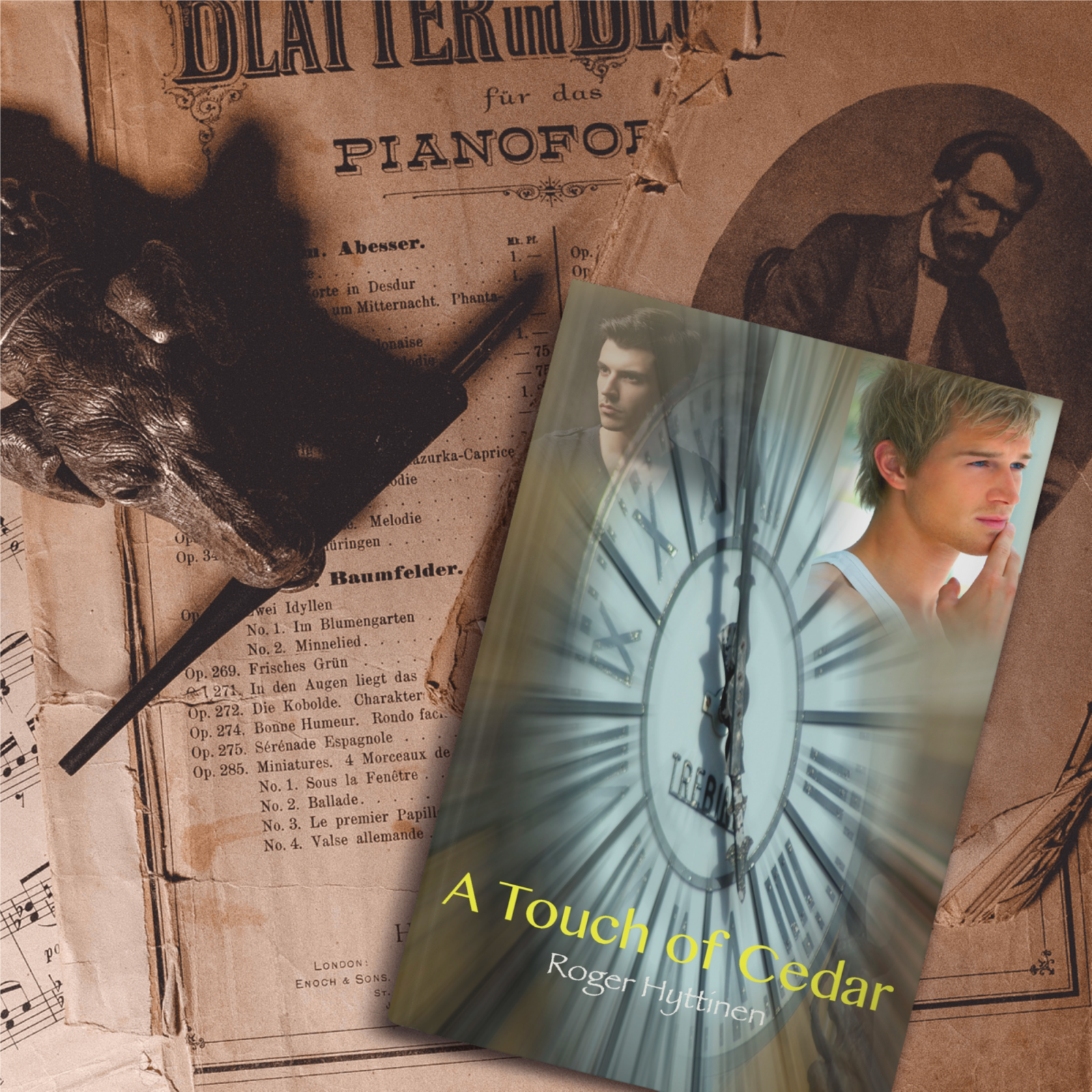
What do you do when your relationship is already in trouble… and then you move into a house haunted by a young man who died there? A Touch of Cedar – grab your copy HERE

How to Write an Ending That Doesn’t Make People Throw Your Book Read Post »

My Novel Wears Pajamas: Embracing the Messy First Draft

Let me confess something right up front: my first drafts are not impressive. They don’t arrive wearing a tailored suit or carrying a briefcase full of clever metaphors. They shuffle in wearing pajamas that should’ve been retired years ago, hair sticking up, breath smelling faintly like yesterday’s coffee.

And honestly? I’ve learned to love them that way.

For a long time, I didn’t. I wanted my drafts to look finished while they were still being born, which is a completely unreasonable expectation and yet one I held with great confidence.

The Fantasy of the Perfect First Draft

Somewhere along the way, I absorbed this idea that “real writers” sit down and produce clean, elegant prose on the first try. Like the words arrive pre-approved, already behaving themselves.

That idea wrecked me for years.

I’d write a paragraph, reread it, cringe, delete it, then stare at the blinking cursor like it was judging my life choices. The room would go quiet except for the hum of my laptop fan. My shoulders would tighten. My mood would sour. Writing felt like walking into a room where I was already disappointing someone.

That someone was me.

Perfectionism Is a Sneaky Little Problem

Perfectionism doesn’t announce itself with a villain laugh. It sounds reasonable. Polite, even.

It says things like:
“Maybe you should fix that sentence before moving on.”
“Wouldn’t it be better if this opening were stronger?”
“You’ll save time later if you get it right now.”

Lies. All of it.

What perfectionism really does is slow everything to a crawl. It turns drafting into editing, which is like trying to paint a room while constantly scrubbing the walls.

Letting the Draft Be Ugly

Here’s the thing I had to learn the hard way: first drafts are not meant to be good. They’re meant to exist.

That’s it. That’s the whole job.

When I finally gave myself permission to write badly, something strange happened. The words started showing up. Not all of them were useful. Some were repetitive. Some scenes wandered off and did their own thing. Some dialogue made me wince.

But the story moved forward.

Forward matters more than pretty.

Pajamas Are Comfortable for a Reason

When I draft now, I try to keep things loose. I don’t worry about rhythm. I don’t worry about polish. I let sentences ramble. I repeat myself. I write notes in brackets like, “[fix this later]” or “[make this less awkward].”

There’s a quiet relief in that approach. The room feels less tense. I sip my coffee while it’s still warm. My fingers keep moving. The draft doesn’t flinch when I mess up.

It just sits there, patient and unbothered.

The Magic Happens Later

Editing is where I put real clothes on the book. That’s when I smooth things out, tighten scenes, and decide what stays and what goes. Editing asks for a different headspace. A calmer one. A more focused one.

Drafting, on the other hand, needs momentum. It needs permission to be messy. Trying to do both at once only guarantees frustration.

I used to think I was saving time by fixing things early. I wasn’t. I was just stalling.

A Small Shift That Changed Everything

One sentence changed my relationship with drafting:
“You can’t revise what you haven’t written.”

I repeat that to myself when I feel the urge to tinker instead of move on. I keep typing. I keep the story breathing. I trust that Future Me, armed with coffee and patience, will clean it up later.

Future Me is very capable. Present Me just needs to get words down.

The Smell of a First Draft

First drafts smell like overheated laptops and cold coffee. They sound like keys clacking too fast. They feel uneven and clumsy and a little embarrassing.

They’re also alive.

And that matters more than elegance.

If You’re Stuck Right Now

If you’re staring at a blank page because you want it to look impressive, I get it. I’ve been there. A lot.

Try this instead: write like no one will see it. Write like it’s a private mess meant only for you. Let your draft wear pajamas. Let it be awkward. Let it ramble.

You can’t fix silence.

You can always fix words.


Norian's Gamble book cover

What happens when the heir to a kingdom is bound by the curse of the wolf? For Prince Norian, the answer comes with blood, fire, and the terrifying knowledge that dark magic has singled him out. As shadows close in, he must protect his people from an enemy who will stop at nothing to seize the throne. Danger, destiny, and deadly secrets entwine in Norian’s Gamble. Grab your copy HERE.

My Novel Wears Pajamas: Embracing the Messy First Draft Read Post »

Creating Compelling Gay Characters (Without Making Them Walking Stereotypes)

Male couple

So here’s the thing: writing gay characters should not feel like filling out a diversity form. You know that box that says “add one queer person for representation”? Yeah, toss that box into the nearest recycling bin. Writing authentic LGBTQ+ characters—characters who actually feel alive—means treating them like real people, not like rainbow-tinted sidekicks who exist only to make your story look inclusive.

I’ve been writing queer characters for a while now, and if there’s one thing I’ve learned, it’s that authenticity starts with curiosity. You have to care about your characters enough to explore who they are beneath the labels. What’s their go-to coffee order? What keeps them up at night? Who did they have a crush on in middle school? If all you know about them is “he’s gay,” then congratulations—you’ve built a cardboard cutout. He’s flat, he’s lifeless, and he’s probably going to get knocked over by the slightest narrative breeze.

Let Them Be Messy

One of my favorite things about queer characters is how gloriously human they can be when you let them. Forget perfection. Let them be insecure, cocky, dramatic, shy, sarcastic, whatever fits. Let them make bad choices and fall for the wrong people. The point isn’t to create a “model gay citizen.” The point is to make someone real enough that readers can see parts of themselves—queer or not—reflected back.

I once wrote a character who was this charming disaster of a guy: witty one moment, emotionally evasive the next. A beta reader told me, “He’s not very likable.” My response? “Exactly.” I didn’t want him to be likable; I wanted him to be true. Real people aren’t perfectly digestible, and queer characters shouldn’t have to be either.

Avoid the “Gay Best Friend Syndrome”

If your gay character’s sole purpose is to give fashion advice or say something sassy before vanishing into the plot void—please, for the love of storytelling, stop. Queer characters deserve interiority. They deserve dreams, motivations, contradictions. You wouldn’t write your straight characters as walking stereotypes (I hope), so don’t do it to your queer ones.

Give them full arcs. Give them heartbreak and triumph. Give them something to do besides orbit around the main character’s emotional growth like some kind of sparkly satellite.

Don’t Make Their Sexuality Their Only Trait

This is the big one. Sexuality informs a person—it shapes experiences, relationships, sometimes even safety—but it doesn’t define the entirety of who someone is. Gay characters can be detectives, bakers, necromancers, baristas, time travelers, pirates, accountants, ghosts, whatever. Their queerness can matter to the story without being the story.

Think about it: you don’t define your straight characters solely by who they’re attracted to, right? So why should your gay ones be reduced to that?

When I write, I like to ask, “If this character were straight, would the story change?” If the answer is “not at all,” then maybe I haven’t done the work to understand how their queerness impacts their worldview. But if the answer is “yes, because their experiences have shaped how they see love, trust, fear, and belonging,” then I’m on the right track.

Representation Doesn’t Mean Perfection

There’s this unspoken pressure to make queer characters flawless—to show them as paragons of goodness so no one can accuse you of “bad representation.” I get it. But the problem with perfection is that it’s boring. Perfect people don’t grow. Perfect people don’t surprise you.

Write the messy ones. The jealous ones. The ones who overthink everything or ghost people they actually like. Those are the characters who breathe. Authenticity comes from flaws, not from polishing your characters into gleaming virtue robots.

Do Your Homework

If you’re writing outside your own lived experience, research is your friend. And by “research,” I don’t mean watching two episodes of Will & Grace and calling it a day. Read queer authors. Listen to real stories. Hang out in queer spaces (respectfully). Pay attention to the language people use, the little ways identity intersects with daily life.

And don’t treat “gay” like a monolith—there’s no single way to be queer. Some people come out at fifteen, others at fifty. Some wear it like a neon badge, others keep it quiet. All are valid.

A Little Humor Helps

I love writing characters who can find humor in their own chaos. Not because queerness itself is funny, but because humor is human—it’s one of the ways we survive. A sarcastic remark in the middle of heartbreak, a bit of self-deprecating banter, that perfectly timed eye-roll—they make a character feel alive.

Final Thought (And Yes, It’s a Bit Mushy)

At the end of the day, writing compelling gay characters comes down to empathy. You don’t need to overthink the politics of it if you start from a place of care. If you love your characters enough to treat them as fully human, your readers will too.

We’ve come a long way from the tragic gay best friend and the doomed queer lover tropes—but there’s still room for better, deeper, funnier, more complicated characters. Write the ones you want to see in the world, the ones you wish existed when you were younger.

And maybe—just maybe—you’ll help someone feel a little more seen.


Ghost Oracle Box Set image

My Ghost Oracle Box Set (Nick Michaelson) is now available from your favorite online retailer.

Books 1-3: https://books2read.com/u/mBKOAv
Books 4-6 https://books2read.com/u/mVxr2l

Creating Compelling Gay Characters (Without Making Them Walking Stereotypes) Read Post »

Writing Without Permission Slips

Man working in cafe

Sylvia Plath once said, “And by the way, everything in life is writable about if you have the outgoing guts to do it, and the imagination to improvise. The worst enemy to creativity is self-doubt.” And honestly, I can’t stop thinking about that. It feels like she’s sitting across from me at a cluttered coffee shop table, stirring her latte and telling me to stop overthinking and just write the damn thing.

Because let’s face it—most of us don’t get stopped by a lack of ideas. We get stopped by the inner heckler that says, “Is this dumb? Is anyone going to care? Should I even bother?” That heckler is loud. Mine has a voice that sounds suspiciously like my high school English teacher, the one who called my vampire short story “derivative.” (Ma’am, Twilight wasn’t even out yet. I was ahead of my time.)

Everything is material

Plath’s line about “everything in life is writable” is both comforting and terrifying. Comforting, because it means you don’t have to wait around for some lightning bolt of divine inspiration—you can literally write about your trip to Aldi or the smell of your neighbor’s lawn clippings. Terrifying, because that means you also have no excuse. Your broken toaster? Writable. Your crush ghosting you? Oh, very writable.

I once wrote three paragraphs about the squeak of a laundromat dryer door, and it turned into the setting for a whole short story about two strangers sharing a pack of peanut M&Ms while waiting for their sheets to dry. (Spoiler: they fall in love. Peanut M&Ms are powerful like that.)

Self-doubt: the creative vampire

Plath nails it when she says the “worst enemy to creativity is self-doubt.” Self-doubt is that vampire lurking in your creative throat, sucking all the boldness out of you before you even get a chance to hit the keyboard. It convinces you that every sentence is trash, that your metaphors are mixed, that someone else already did it better. And yet, the truth is, most people aren’t looking for perfect—they’re looking for something real.

Improvisation saves the day

I also love that she mentions imagination and improvisation. Writing is basically jazz with words. You might have a plan, sure, but sometimes the best stuff happens when you riff. When I was drafting one of my paranormal detective novels, I got stuck in chapter four. Out of frustration, I had my detective randomly bump into a fortune teller on the street. That throwaway moment turned into a major character who ended up steering the entire plot. If I hadn’t improvised, the book would’ve been flatter than a pancake left in the fridge overnight.

My personal motto

Whenever I feel that creeping doubt, I mutter my own scrappy little motto: “Nobody asked, but I’m writing it anyway.” Because truly, nobody asked. Nobody is waiting for my essay about the smell of burnt popcorn in movie theaters, but maybe someone will connect with it once it’s out in the world. And that’s the magic.

So what’s the point?

The point is: you don’t need permission. You don’t need to have the whole plan. You just need the guts to start, the imagination to improvise, and the willingness to tell self-doubt to take several seats. Write the poem about your broken phone charger. Write the essay about how grape jelly always escapes the bread. Write the novel that maybe only your best friend will ever read. It all counts.

Thanks, Sylvia. I think we all needed that reminder.


Book Cover of Norian's Gamble

When shadows fall on Tregaron, Prince Norian finds himself in the crosshairs of a sorcerer’s wrath. One bite changes everything, binding him to a curse older than the kingdom itself. With allies whispering secrets and enemies closing in, Norian must decide whether to embrace the beast inside—or let it consume him. Norian’s Gamble: grab it HERE

Writing Without Permission Slips Read Post »

Why I Ditched Scrivener (Gasp!) and Switched to Ulysses for All My Writing

young man typing on his laptop

By a Slightly Neurotic, Always-Writing Novelist with Too Many Backups

Let’s just rip off the Band-Aid: I switched to Ulysses. Yeah. I know. Believe me, I still feel the tiniest pang of guilt every time I open the app. It’s like cheating on a long-term partner who supported you through all the ugly drafts and caffeine-fueled midnight writing binges.

Because here’s the thing: I love Scrivener. Like, genuinely. It’s brilliant. It’s been the Swiss Army knife of my writing life for years. Outlining, corkboards, character folders, split-screen views, color-coded labels—Scrivener is the Hermione Granger of writing apps. Super smart, packed with features, and maybe a little intimidating when you first meet her.

But (and this is a big, thudding but)… it broke my heart one too many times. Let me explain.

Let’s Talk Dropbox Syncing, Shall We?

So I like to write on my MacBook in the morning, and then pick up the draft later on my iPad when I’m curled up on the couch pretending I don’t have laundry to fold. And that’s where the kludge parade begins.

Syncing Scrivener through Dropbox is like trying to juggle flaming swords while blindfolded on a moving train. Technically possible, but something’s gonna catch fire.

There was that one time—and I’m still not over this—when I opened a file on my iPad and it was completely empty. Blank. Nada. Zip. Like it had been wiped clean by some digital poltergeist. If my neighbors heard a howl of despair that afternoon, yes, that was me.

Thankfully, I had a recent backup because I’m the sort of person who backs up backups of backups (trauma will do that to a person), but that was my “never again” moment. I promised myself I would never trust that syncing setup again with my precious, weird little ghost-detective mystery novels.

Enter Ulysses: The Calm, Organized Sibling

So, I’d heard whispers about Ulysses before—mostly from other minimalist-loving, aesthetically-pleased writers who appreciate clean interfaces and things that just work. But I figured it couldn’t handle something like novel writing. Like full-on, 75k+ words, multiple-point-of-view, murder-in-a-locked-room novels.

I was wrong.

Ulysses is, in a word, buttery. (Yes, I’m using food metaphors now.) It’s smooth. It syncs like magic across my Mac, iPad, and iPhone without any Dropbox nonsense. I can literally start writing a scene while waiting in line at Trader Joe’s and finish it later on my desktop while avoiding emails. It just works. Every. Time.

Why Ulysses Works So Well for Me

  • iCloud Syncing That Doesn’t Betray You
    The syncing is flawless. I mean actually flawless. It uses iCloud, so the whole Dropbox workaround is gone. I no longer live in fear of opening an empty document. That alone was worth the switch.
  • Distraction-Free Interface
    Ulysses feels like a meditation app for your words. It’s clean. Beautiful. You open it and just… write. No clutter. No dozen panels. Just you and the page. (And maybe some lo-fi jazz humming in the background.)
  • Markdown-Based, but Friendly
    Even if Markdown scares you a little (hi, it did me too), Ulysses makes it completely unintimidating. Want italics? Type an asterisk. Done. Formatting is simple and doesn’t get in your way.
  • Folders and Goals and Filters—Oh My
    You can set word count goals, tag scenes, organize chapters, and even mark things as “To Do” or “Needs Revision” without digging through a billion menus. It’s smart, sleek, and ridiculously intuitive.
  • Exporting Is a Dream
    You can export to DOCX, PDF, EPUB, HTML—whatever you want. I use it to spit out perfect manuscript drafts and ebooks for beta readers and newsletter giveaways. Ulysses doesn’t judge my formatting choices. Bless it.
  • It Feels Like a Writing Companion, Not a Project Manager
    Scrivener is like your intense writing professor who needs to know the exact structure of your story before you even write Chapter One. Ulysses is like your chill writer friend who hands you coffee and says, “Just write it. We’ll figure it out together.”

So… Who Is Ulysses Not For?

If you’re the kind of writer who wants to build a 17-layer outline with color-coded plot arcs and character bios that span 40 pages, Ulysses might feel a little too minimalist. It doesn’t have corkboards or nested folders within folders within folders. There’s no “Inspector” panel lovingly judging your scene summaries.

But if you want seamless syncing, a calm interface, and a writing experience that lets your words breathe without interruption… Ulysses is basically your new bestie.

Random True Fact

The name “Ulysses” is a nod to James Joyce’s famously dense novel—which, incidentally, clocks in at over 265,000 words and takes place in a single day. Not saying you have to write that kind of monster… but Ulysses could probably handle it. 

So yeah, that’s the story of why I broke up with Scrivener (with love and gratitude) and ran off into the minimalist sunset with Ulysses. If you’re a Mac/iPad user who writes across multiple devices and has trust issues with syncing, give Ulysses a try. It might just restore your writing sanity.

Stay weird and keep writing,

P.S. Still backing up everything. I may have changed apps, but I’m not reckless.


When Brooklyn librarian David Rosen accidentally brings a clay figure to life, he discovers an ancient family gift: the power to create golems. As he falls for charismatic social worker Jacob, a dark sorcerer threatens the city. With a rare celestial alignment approaching, David must master his abilities before the Shadow’s ritual unleashes chaos—even if using his power might kill him. The Golem’s Guardian

Why I Ditched Scrivener (Gasp!) and Switched to Ulysses for All My Writing Read Post »

16 Queer Indie Romance Writers You Should Be Reading

Two attractive men about to kiss

So, remember a while back when I did that post on 15 Queer Indie Authors (mostly sci-fi and fantasy folks, because, well, you know me—I get a little starry-eyed over spaceships and alternate universes)? A bunch of you messaged me and said, “Hey, that’s cool, but where’s the romance?” Fair point. Romance is basically the beating heart of indie publishing, and I didn’t want to leave all you lovebirds hanging. So here we are—this is my follow-up: 15 queer indie romance writers who deserve space on your e-reader (and maybe in your heart).

And yes, I tried to sprinkle in as many male authors as I could find, since sometimes it feels like gay romance by men gets a little overshadowed. Balance, my friends. Balance.

1. Brandon Witt

Brandon writes heartfelt gay romances that always manage to straddle the line between sweet and gut-punchy. His Rocky Mountain Boys series has small-town vibes with just enough angst to keep you glued.

2. Garrett Leigh

Okay, Leigh is practically indie royalty at this point. They do angst like nobody’s business—moody, wounded guys who somehow still manage to find love in the rubble of their lives. If you want raw, messy, real, Garrett’s your person.

3. Jay Northcote

Jay is like the comfort food of queer indie romance. British settings, warm vibes, and characters you kinda want to hug and then set up on blind dates with your best friend. Solid go-to when you need something cozy but not saccharine.

4. N.R. Walker

A legend in the indie M/M world. From the Red Dirt Heart series to Throwing Hearts, her stories are heartfelt, funny, and full of chemistry. Walker always nails the banter.

5. A.E. Via

If you like your queer romance with a little more heat and a lot of alpha energy, A.E. Via is your ticket. Her Nothing Special series (gay cops, action, romance, explosions—it’s got it all) has a die-hard fanbase for good reason.

6. Riley Hart

Riley has been writing queer romance long enough to know exactly how to twist your heart like a balloon animal. She does angst beautifully but always lands the happily-ever-after. Broken Pieces series, anyone? Yeah. Bring tissues.

7. Keira Andrews

She’s known for her “forbidden love but make it sweet” vibe. Think: stepbrothers, Amish boys, survival romance—you name it. Her books often walk that edge between “oh no, they shouldn’t” and “oh yes, please let them.”

8. Con Riley

Con’s books feel grown up in the best way. They deal with everyday struggles, careers, and messy families. The Learning to Love series is all about emotional connection, and it’s the kind of romance that makes you sigh in a good way.

9. Anyta Sunday

Known as the queen of slow-burn in queer indie romance. Her Signs of Love series pairs astrology with quirky, adorable characters. If you love that delicious “will they/won’t they” tension stretched out just right—she’s your person.

10. Edmond Manning

This guy deserves way more hype. His Lost and Founds series is quirky, deeply emotional, and… kind of magical, honestly. He writes queer love stories that don’t always follow the traditional romance mold but will leave you changed.

11. Suki Fleet

Tender, emotional, sometimes heartbreaking stories about queer kids and young adults finding love in difficult circumstances. Suki’s books lean lyrical—if you like your romance with a touch of poetry, check her out.

12. E. Davies

Davies is known for sweet, contemporary gay romances with lots of chemistry and plenty of series to binge. His Fated Hearts books are a fan favorite, and he’s great at capturing that “real people falling in love” feeling.

13. T.J. Land

If you’re into something a little spicier and funnier, T.J. writes quirky gay romances that don’t take themselves too seriously. Light, witty, and perfect for a palette cleanser when you’re tired of heavy angst.

14. Daryl Banner

Daryl is multi-talented (he also composes music!), but his queer romances are heartfelt and addictive. He’s particularly good at writing nerdy, vulnerable characters who still manage to bring the swoon.

15. Leta Blake

Okay, rounding things out with Leta Blake because her books often take risks and stand out from the crowd. Her Training Season series is one of those cult favorites everyone whispers about in hushed tones of respect.

16. Hayden Hall

Hayden is one of those authors who writes romance that feels like sliding into your favorite hoodie—comfortable, warm, and just the right amount of sexy. His Hearts & Harbor series is addictive small-town romance at its finest. Lots of longing glances, emotional payoff, and that “ugh, I love them together” kind of vibe.

There you go—16 authors to feed your inner romance goblin. Some of them write angsty sagas, some stick with sweet and low-drama stories, and some just bring the heat. But all of them are worth checking out if you’re in the mood for queer love stories that actually feel alive.

If you read the sci-fi/fantasy list and thought, “Nice, but where are the kisses?”—this one’s for you. And if I missed your favorite queer romance author, feel free to yell at me in the comments. (Kindly yell, preferably. We’re still friends here.)


A Touch of Cedar book cover

Marek thought moving into a ramshackle old farmhouse in Michigan’s Upper Peninsula would be a fresh start for him and his partner. Instead, it awakens something far older—something watching. The air carries the scent of cedar, doors open on their own, and a handsome young stranger appears only to vanish into mist.

When Marek follows the ghost’s call, he’s hurled back to 1870—into a world of rough barns, family feuds, and a tragic murder that shattered the farm forever. Caught between centuries, Marek is torn between saving the past and surviving the present, even as his own relationship begins to crack under the strain.

Part ghost story, part love story, and part time-travel thriller, A Touch of Cedar is a haunting tale of betrayal, redemption, and the bonds that tie souls across time.


16 Queer Indie Romance Writers You Should Be Reading Read Post »

Scroll to Top