
Witches, Wolves, and Wasted Potential: Urban Fantasy on Screen
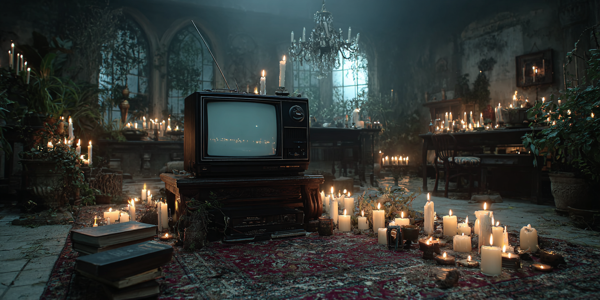
Okay, fellow weirdos—can we talk about urban fantasy on screen? You know, all the witches, vampires, secret magical societies, demons with great cheekbones, and morally ambiguous love interests that somehow always have tragic backstories and a tendency to lurk in alleyways? Yeah, that genre. The one that raised us, disappointed us, and sometimes left us wondering if we could get a refund on our emotional investment.
Some shows blew my mind in the best way possible. Others… well, they felt like dollar-store spellbooks with missing pages. So here we go—my personal, deeply biased, occasionally snack-fueled list of urban fantasy hits, misses, and the shows that left me somewhere in between, wondering what might’ve been.
🔥 The Hits (aka the ones I’d let bite me)
1. Buffy the Vampire Slayer
Let’s start with the queen, shall we? Buffy defined urban fantasy TV for a whole generation. We had sass, we had stakes (literally), and we had monsters as metaphors for every adolescent nightmare. It juggled horror and humor with actual character arcs. And now… a Buffy reboot is allegedly coming to Netflix soon. I’m cautiously optimistic, but seriously—can it hold a candle to the original? Or will it just feel like a high-budget fanfic in a world already saturated with reboots that forgot what made the original special?
2. Shadowhunters
Look, I know this one gets side-eye from certain corners of the internet, but I loved it. Yes, it was occasionally (okay, frequently) chaotic. And yes, sometimes the dialogue made me want to throw my remote. But it had heart, magic tattoos, cool-looking weapons, and Malec. Like, that pairing alone kept me emotionally invested far longer than was reasonable. Do I wish it had a bigger budget and stronger scripts? Sure. But do I regret binge-watching every episode and sighing dramatically through the finale? Not even a little.
3. Supernatural
I watched every episode. All 327 of them. And yeah, it probably should’ve ended around Season 5 (okay, maybe Season 11 at the latest), but Sam and Dean? Forever icons. That car, that classic rock, that weird mix of horror and dad jokes? Gold. I still get misty-eyed thinking about some of those emotional arcs. And honestly, what’s not to love about two brothers fighting monsters while slowly becoming them?
4. Teen Wolf
Yes, I’m putting Teen Wolf in the hits. Come at me. That show had absolutely no business being as good as it sometimes was. The vibes? Immaculate. The chemistry? Off the charts. Stiles Stilinski? A whole icon. Season 3A in particular was next-level, with its oni demons, sacrificial darkness, and psychological horror. Did it occasionally veer into the land of Beautiful People Running Through Fog With No Plot? Sure. But when it hit, it hit. And let’s be honest—we all wanted to be in that high school, even if the mortality rate was higher than average.
5. The Magicians
This show is what happens when Harry Potter grows up, joins a therapy group, and starts snorting pixie dust. It’s raw, hilarious, tragic, and just straight-up weird. Magic comes with a price, characters die, trauma is real, and Margo is a goddess. Literally. I still think about some of those musical episodes like they’re burned into my brain.
6. Being Human (UK)
If you missed this one, do yourself a favor and dig it up. It’s a vampire, a ghost, and a werewolf trying to live normal lives while being complete emotional disasters. It’s grimy, heartfelt, and somehow more grounded than most urban fantasy out there. Also, it made me cry over a ghost’s unfinished business, which is not something I expected to type, but here we are.
7. Penny Dreadful
Moody, gothic, and gloriously over-the-top. It felt like someone threw every Victorian monster into a blender and hit shakespearean angst. Eva Green should’ve been knighted for her performance. It’s not urban fantasy in the modern sense, but the spirit is there: monsters hiding behind society’s masks.
🚫 The Misses (aka shows I watched while muttering “You had one job”)
1. The Order
Magic college. Secret societies. Werewolves. Should’ve been awesome. Instead, it was like watching a CW pilot that never fully made it out of beta testing. The concept had so much potential, but the execution felt like someone fell asleep on the plot outline.
2. Charmed (2018 reboot)
Listen. I wanted to like it. I really did. The original Charmed had its own cheese factor, sure, but it worked. This reboot felt like it was trying to be woke and edgy at the same time, but forgot to be fun. Also, did the Book of Shadows get a software update? Because it felt… sterile.
3. Witches of East End
Great cast. Gorgeous visuals. Total snoozefest. It was like someone read the description of urban fantasy out loud but forgot to include the actual magic.
4. Bitten
Werewolves! Canada! A female lead with rage issues! I wanted to love it, but it just didn’t land for me. It lacked bite (pun very much intended). Also, the pacing felt like molasses on a winter morning.
😐 The Middle Zone (aka “almost…but not quite”)
There are shows that hit the vibe but fumble the follow-through. Stuff like Grimm (great concept, kinda boring execution), Lost Girl (sassy and sexy, but plotlines were a hot mess), or The Secret Circle (remember that one? It came and went like a shadow demon with stage fright). These shows lived in the awkward limbo between brilliance and bafflement.
Urban fantasy can be so good when it leans into the messiness of life and magic colliding. I want broken heroes, morally gray choices, and stories that aren’t afraid to get weird. But I also want competent world-building, solid scripts, and characters that feel like people—not exposition delivery devices in tight pants.
Anyway, now that I’ve thoroughly dragged and praised half the paranormal TV landscape, I wanna know: what are your urban fantasy faves? Drop them in the comments, yell at me about Shadowhunters, or whisper them to a stray cat under a full moon. I’ll probably hear you.
Have you read my latest book, “The Golem’s Guardian” yet? If not, you can snag a copy HERE.
Witches, Wolves, and Wasted Potential: Urban Fantasy on Screen Read Post »
