
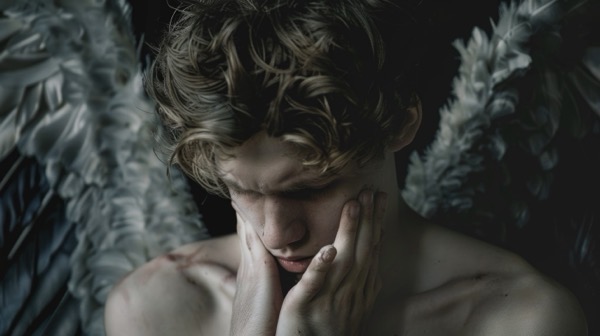
So I’ve been thinking about something lately – you know how sometimes the most powerful messages come wrapped in the most unexpected packages? Like when your mom hides vegetables in your favorite pasta sauce, except instead of sneaky nutrition, we’re talking about sneaky social commentary delivered through vampires, witches, and things that go bump in the night.
I’ve always been fascinated by how supernatural fiction can tackle real-world problems in ways that straight-up literary fiction sometimes can’t. There’s something about adding a layer of magic or otherworldly elements that makes difficult topics more approachable, more digestible. Maybe it’s because when we’re reading about werewolves, our defenses are down – we’re not expecting a lecture about prejudice or systemic oppression.
The Power of Metaphor in Supernatural Storytelling
Think about it – supernatural elements work like the world’s most elaborate metaphors. They give authors permission to exaggerate social issues just enough to make them impossible to ignore. When Suzanne Collins created the Capitol in The Hunger Games, she didn’t just write about wealth inequality – she created a literal system where rich people watch poor kids fight to the death for entertainment. The supernatural (or dystopian, depending on how you categorize it) framework made the critique of our obsession with reality TV and class divisions hit like a truck.
But let’s dig deeper into some classic examples that really showcase this technique.
Vampires: The Ultimate Social Outsiders
Vampires have been carrying the weight of social commentary for decades. Anne Rice’s Interview with the Vampire wasn’t just about immortal bloodsuckers – it was about otherness, about what it means to exist on the margins of society. Louis and Lestat weren’t just struggling with their thirst for blood; they were grappling with isolation, identity, and the pain of being fundamentally different from everyone around them.
Fast forward to more recent works, and you’ve got vampires representing everything from addiction (Let the Right One In) to immigration (Fledgling by Octavia Butler). Butler, by the way, was absolutely brilliant at this – she took the vampire myth and used it to explore race relations, power dynamics, and the complexities of symbiotic relationships in ways that would have been much harder to digest in a purely realistic setting.
I remember reading Fledgling for the first time and being completely blindsided by how Butler used the supernatural elements to examine historical trauma and racial dynamics. The protagonist, Shori, is a Black girl who happens to be a vampire, and through her story, Butler explores themes of slavery, exploitation, and survival. The vampire mythology becomes this incredible vehicle for discussing things that are often too painful or complex to address head-on.
Witches and Women’s Power
Don’t even get me started on witches and feminist commentary – we’d be here all day! But seriously, the witch has been a symbol of female power and persecution for centuries. Margaret Atwood knew exactly what she was doing when she wrote The Handmaid’s Tale. Sure, it’s technically speculative fiction rather than supernatural, but the way she used the framework of a dystopian society to highlight women’s reproductive rights and bodily autonomy was pure genius.
More recently, authors like Alix E. Harrow have been using witchy elements to explore feminism and women’s suffrage. In The Once and Future Witches, Harrow literally connects the dots between witchcraft and women’s liberation, showing how the suppression of “witches” throughout history parallels the suppression of women’s voices and power.
Zombies and Social Decay
Zombies might seem like the most mindless of supernatural creatures, but they’ve become incredible vehicles for social criticism. George Romero knew this from the beginning – his zombie films were never really about the undead; they were about consumerism, racism, and social breakdown.
More recently, books like Zone One by Colson Whitehead use the zombie apocalypse to explore urban decay, racial tension, and economic inequality. Whitehead takes the zombie genre and turns it into this meditation on what it means to survive in a system that’s already broken.
Shape-shifters and Identity Politics
Shape-shifters and werewolves have become particularly powerful metaphors for identity struggles. Patricia Briggs’ Mercy Thompson series uses supernatural creatures to explore themes of belonging, identity, and finding your place in a community. The werewolf pack dynamics become a way to examine family structures, loyalty, and the sometimes toxic nature of traditional hierarchies.
But what really gets me excited is how newer authors are pushing these boundaries even further. Rivers Solomon’s The Deep uses mermaids – yes, mermaids – to explore historical trauma and cultural memory related to the Atlantic slave trade. They took the myth of water spirits and transformed it into this profound meditation on collective trauma and healing.
Making the Impossible Feel Real
What I love most about all these examples is how the supernatural elements don’t overshadow the social commentary – they amplify it. When N.K. Jemisin writes about oppressed magic users in The Fifth Season, she’s not just telling a fantasy story; she’s creating a framework to examine systemic oppression, environmental destruction, and intergenerational trauma in ways that feel both fantastical and painfully real.
The magic gives these authors permission to push boundaries, to make us uncomfortable, to show us truths that might be too harsh to face in a realistic setting. It’s like being able to discuss difficult family dynamics through the lens of fairy tales – sometimes you need that layer of removal to really see what’s going on.
The Future of Supernatural Social Commentary
I’m genuinely excited about where this trend is heading. Authors are getting more creative, more bold, more willing to use supernatural elements to tackle contemporary issues. Climate change, technology addiction, social media culture – there’s no topic that can’t benefit from a little magical intervention.
The beauty of supernatural fiction is that it meets readers where they are. Someone might pick up a vampire novel just wanting escapism, but they end up thinking about prejudice and acceptance. Another reader might grab a witch story for the magic system and walk away contemplating women’s rights and historical persecution.
That’s the real magic trick – using the impossible to illuminate the all-too-possible.
P.S. If you’ve got any favorite examples of supernatural fiction tackling social issues, drop me a line! I’m always looking for my next mind-bending read.
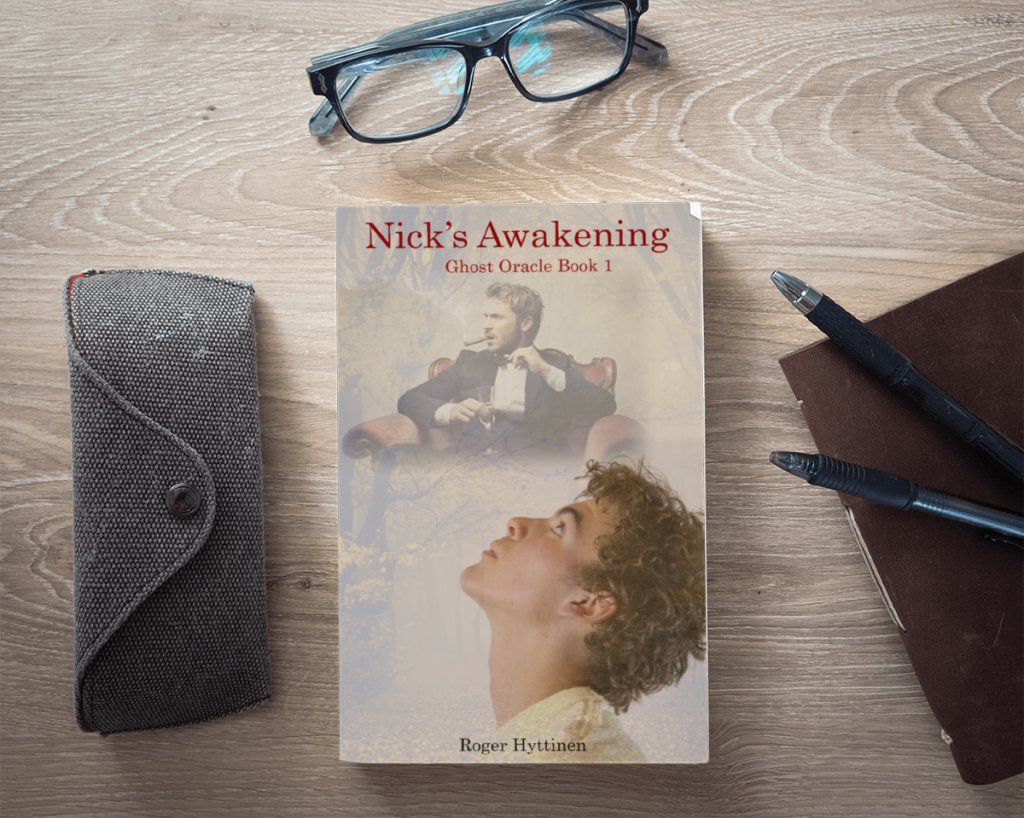
What if the dead could find you anywhere—at school, on the street, even in your own house? For Nick, the world has cracked open, and ghosts are pouring through. Ready or not, he’s their only hope. Read the book that began it all: Nick’s Awakening