Personal Growth

Hello, 2026 (I’ve Been Expecting You)

Person writing out their new year goals. Arms and hands only.

Happy New Year to all of you! Truly. I hope it found you warm, fed, rested, and maybe a little hopeful. Or at least holding a decent cup of coffee and a moment of quiet before the noise kicked back in.

I always take a short break between Christmas and New Year. Every single year. No guilt, no apologies. I disappear a bit, unplug just enough, and give myself space to think. It’s the pause between songs. The soft hush before the lights come back on. Coffee tastes better. Mornings move slower. The world exhales. I need that time. My brain needs that time.

That week is when I sit down with notebooks, half-finished lists, and a pen that I swear writes better than the others. I don’t make resolutions. I never have. They feel flimsy to me, like something you say out loud once and then quietly avoid. Goals work better for me. Goals have shape. Goals can be poked, rearranged, rewritten. I like things I can aim at, adjust, revisit. I’m wired that way. Slightly obsessive, happily focused, probably annoying in group projects. Yeah, I’m very much a goal person.

Last year was… well. Let’s call it a year. A big chunk of it was spent recovering from my accident, which meant my usual rhythm got knocked sideways. There were days when brushing my teeth felt ambitious. Productivity looked very different from what I was used to. I won’t sugarcoat that part. It was frustrating, isolating, and sometimes flat-out boring.

Nine months in the chair changes things. It changes your days, your patience, your body, and your headspace. There were moments when productivity felt laughable. There were other moments when writing was the only thing that made the hours behave.

One unexpected gift came out of it, though. I had time. Long stretches of it. Nine months in the chair with nowhere to go meant writing became my main way to stay sane. So I wrote. A lot. Pages stacked up quietly. Stories found their way out. Some days they arrived angry or tired or sharp around the edges.

Now that I’m editing those books, I can see the fingerprints of that period all over them. The tone is darker than my usual work. Edges feel sharper. Rooms feel dimmer. Not grim for the sake of it. Just heavier. Moodier. I’m fine with that. I don’t think that’s a flaw. It feels honest. Mood seeps into fiction whether we want it to or not, and mine was complicated at the time. You’ll be seeing those books in the coming months, and I’m curious to hear how they land with you.

The upside is this: I have an ambitious publishing schedule lined up for 2026, and I’m excited in that jittery, can’t-sit-still way. You’ll be seeing more of Lucien Knight, which makes me happy since he never stays quiet for long. I’m starting a brand-new series too, since I apparently lack the ability to focus on one thing at a time. Plus there are a couple of surprise novels tucked away that I wrote during those long months. They’ve been waiting patiently. Their turn is coming. I like keeping a few secrets in my back pocket.

Seeing those manuscripts stacked up now feels strange and good. Like proof that something solid came out of a rough stretch. That matters to me.

Writing isn’t my only goal for the year, though it does take up a large chunk of my brain. I want to keep learning how to draw. I’ve already talked about that in an earlier post, and I’m still terrible at it, which is part of the charm. There’s something freeing about being bad at something on purpose.

I’m sticking with French and Spanish too. Some days it’s five minutes. Some days it’s longer. I like the rhythm of it, the sound of words that don’t belong to me yet. It keeps my mind stretchy.

I’m getting back to the piano. That one feels personal. I abandoned it completely after my mishap, partly from frustration, partly from fear that my hands wouldn’t cooperate (not that I could have sat on a piano bench for any length of time, anyway). Sitting down at the keys again feels like reclaiming something. I missed the sound. I missed the way the room changes when music fills it.

I’m setting a minimum of four to five blog posts a week. Not for hustle points. I just like showing up here. Writing to you keeps me honest and grounded.

There’s gaming on the list too. I want to get better. Sharper. Less button-mashing panic, more intention. And yes, I’m still learning Linux. Slowly. Patiently. Sometimes loudly. That alone could keep me busy for a year.

When I look at all of it written out, it feels like a lot (overachiever, much?). It should. Life needs texture. Projects. Play. Quiet skills learned over time. All of this should keep me busy in the best way. Curious. Engaged. Slightly tired in that good, earned sense.

I don’t know how the year will pan out. I never do. That’s part of the deal. What I do know is that I’m here, I’m moving forward, and I’m genuinely excited to see what unfolds.

So tell me about you. What are you aiming for this year? Big plans, small plans, quiet hopes, strange experiments—I want to hear them.

So here’s to a new year. New pages. Old habits kept. New ones tried. And grace when things wobble.

I’m glad you’re here with me.

Hello, 2026 (I’ve Been Expecting You) Read Post »

Throw Off the Bowlines (Even If You Still Get Lost in Your Own Neighborhood)

You know, every so often I’ll bump into a quote that feels like it crawled under my skin, fluffed up a pillow, and decided to stay awhile. That Mark Twain line—the one about regrets and bowlines and sailing away—hits me right behind the ribs every time I see it. Maybe it’s because I’ve made exactly too many “safe harbor” decisions in my life, the sort where you stay where it’s familiar because the familiar doesn’t bite. Or maybe it’s because I know how many times I’ve talked myself out of something I secretly wanted, usually with the weak excuse of: “Eh… maybe later.”

Spoiler: later is rarely a team player.

The Quote That Won’t Leave Me Alone

Twenty years from now you will be more disappointed by the things you didn’t do than by the ones you did do.

I swear, Twain must have had a time machine, because I’ve already lived the baby version of that. I can look back ten years and clearly see the little crossroads moments—like the weekend I almost bought a one-way ticket to Dublin because I’d convinced myself my future self would magically be braver than my present one.

Yeah. Still waiting on that upgrade.

But here’s what actually sticks with me: every time I did take the risk, even the messy ones, even the ones where I ended up flustered and feeling vaguely ridiculous… I never sat around thinking, “Wow, sure wish I’d stayed home scrolling cat videos.” The regrets always come from the hesitations, the almosts, the quiet little dreams I shoved off to the side to go alphabetize something instead.

Safe Harbor Is Cozy… But Cozy Gets Boring Fast

There’s something seductive about sticking to what you know. It’s like living your life wrapped in bubble wrap—everything muffled, nothing sharp poking through. And hey, bubble wrap is fun for about twenty seconds, and then suddenly you remember that real life is waiting outside like a golden retriever begging you to throw the damn ball.

Safe harbor is great for a nap, but it’s pretty lousy for stories.

Whenever I think about the “throw off the bowlines” part, I picture myself actually trying to work a boat and instantly realize the Coast Guard would absolutely have to intervene. But symbolically? I get it. It’s about snipping the rope between you and the life you’ve outgrown.

Some ropes are tiny. Some are more like those monster ropes used in tug-of-war competitions. But either way, they’re still tied to a version of you that wasn’t meant to steer the rest of your life.

Explore. Dream. Discover. (Or, At Least Try Something That Doesn’t Feel Like a Chore)

Twain hits you with those three little verbs—explore, dream, discover—which sound charming and breezy until you realize they require effort. Like, real actual effort. The kind where you stop talking about what you want and start messing around with reality to see what happens.

I’ve learned that “explore” doesn’t have to mean circling the globe with a backpack and a questionable water bottle. Sometimes it just means saying yes when a friend invites you somewhere you’d normally squirm out of.

“Dream”? That one’s trickier. Dreaming is easy, until suddenly you’re dreaming in circles and forgetting that dreams are supposed to be invitations, not screensavers.

And “discover”—that’s the sneaky part. Half the time, what you discover isn’t the thing you thought you were aiming for. You go looking for treasure and instead realize you’ve adopted a stray cat, or you’ve found out you’re actually kind of good at something you’d been avoiding for no real reason.

Twenty Years From Now…

Here’s the part that makes my stomach do that little wobble: twenty years will show up whether or not I do anything interesting in the meantime. It’ll just knock on the door one morning like, “Hey, remember all those things you said you’d get around to?”
And then I’ll have to answer it.

I think about future-me sometimes—older, maybe a little cranky, hopefully still able to get off the couch without making that involuntary noise I’m already making now. And I wonder what he’ll wish I’d been braver about. Which chances he’ll raise an eyebrow over. What adventures he’ll still be annoyed I chickened out on.

I don’t want that guy side-eyeing me.

So What Do We Do With This?

Honestly? I think we just start small. Nudge ourselves in a direction that feels slightly uncomfortable in a good way. Ask “what if?” and actually follow it with a sentence instead of ignoring it like a telemarketer call.

Throw off one tiny bowline today.
Something bite-sized.
Something that reminds you you’re still in motion.

The big leaps always start with one weird, wobbly little step, usually while you’re muttering, “Okay, okay, I guess we’re doing this.”

And that’s enough.

That counts.

Future-you will thank you.


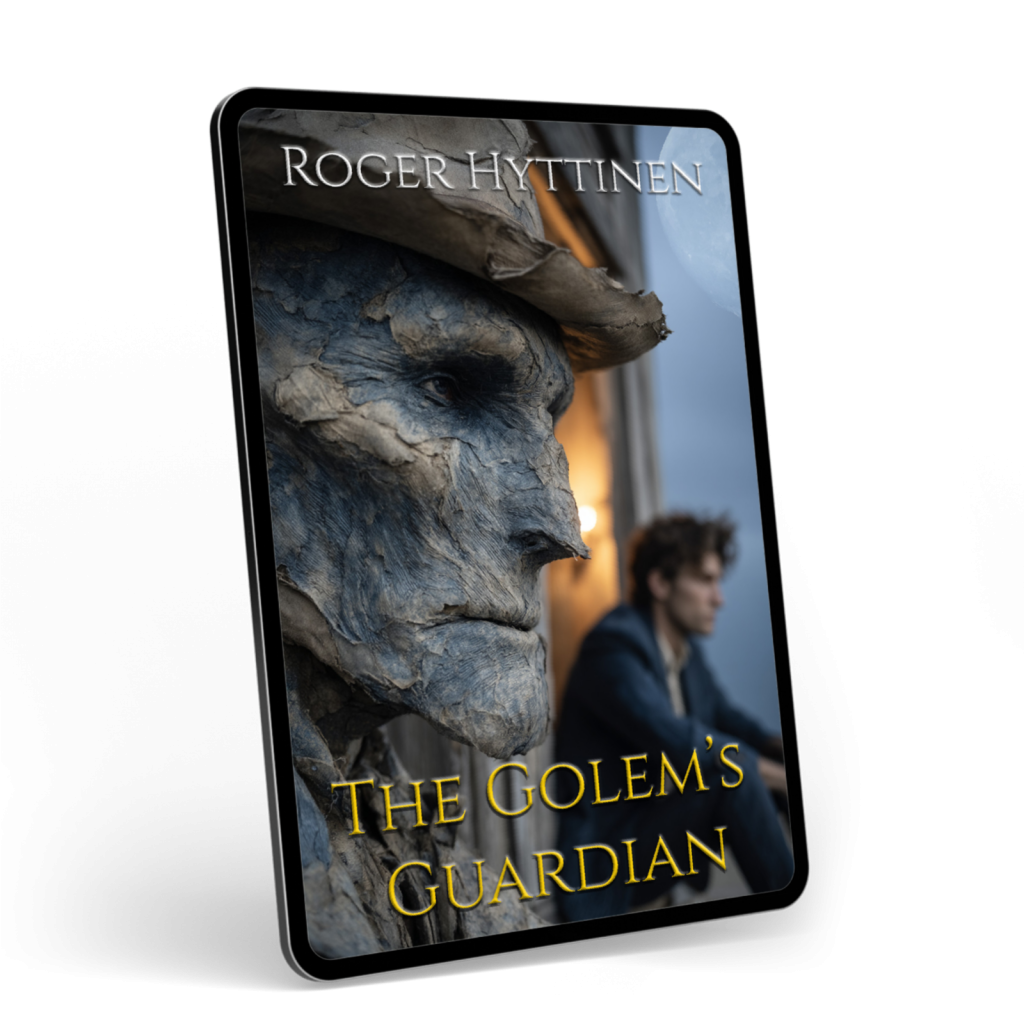
The Golem's Guardian book cover

When shadows with human faces begin stalking the city, a quiet librarian and his sister discover their family’s secret: a legacy of mysticism, prophecy, and a clay guardian who just might save—or doom—them all. The Golem’s Guardian – available HERE

Throw Off the Bowlines (Even If You Still Get Lost in Your Own Neighborhood) Read Post »

Define It Yourself, Darling

Young man with rainbow colored eye-shadow
Smiling young man with dark curly hair wearing colorful rainbow eye makeup and painted nails, posing against a pink backdrop. The vibrant colors express creativity, self-expression, and confidence, highlighting a modern take on style and fashion.

There’s this quote by Harvey Fierstein popped in my head outta nowhere the other day: “Accept no one’s definition of your life. Define yourself.” It’s one of those lines that hits you in the ribs a little, like someone just tapped your sternum and went, “Hey, are you paying attention?” And honestly, I needed that nudge. I’ve been thinking so much about the ways people try—usually without even realizing it—to hand you a pre-written script for who you’re supposed to be.

I mean, I spent years believing other people’s ideas of who I was. A teacher once told me I was “too quiet to ever be a writer.” I remember blinking at her, clutching my folder of short stories like it was a tiny kitten I needed to protect. Quiet doesn’t mean silent. Quiet doesn’t mean I don’t have a voice. It just means I didn’t want to yell over the kid who treated every class like his personal comedy hour. But for a long stretch, her words stuck to me like gum on a shoe. It took me years to scrape off that nonsense.

And that’s sort of what Fierstein was getting at, I think. Everyone has opinions—family, friends, random people in line at Target who feel compelled to offer life advice because you’re holding a planner with stickers. Folks will confidently tell you what “someone like you” should do or be or want. I’ve had people decide I’m “too old” for video games, too whimsical to run a business, too introverted to teach Zumba. Meanwhile, I’m bouncing around a gym studio with a room full of sweaty strangers and having a blast. Every time someone says, “Really? You teach Zumba?” I feel like Fierstein himself is somewhere offstage going, “See? This is what I’m talking about.”

The weirdest things people try to define you by are the things they understand the least. Like the time someone told me I shouldn’t write paranormal mysteries because “the supernatural isn’t serious literature.” I remember sipping my coffee and thinking, “Buddy, ghosts have been haunting stories longer than your family tree has been sprouting cousins.” Funny how folks will declare what’s “worthy” like they’ve been handed a golden clipboard by the universe.

I’ve watched friends get boxed in, too. One of my closest pals was always called “the responsible one,” which is code for “the one we expect to clean up everyone else’s messes.” It took him ages to realize that he wasn’t obligated to carry the weight of everyone’s disorganized chaos. The day he finally said no to something, he texted me like he’d just discovered fire. Meanwhile, he’s traveling now, taking improv classes, hiking in places with actual cliffs—living a life way bigger than the label he got stuck with at sixteen.

Sometimes the definitions are subtle, like when people react with mild surprise that you enjoy something outside the little category they’ve filed you into. “Oh, you’re into French? I didn’t think you’d be a language person.” “You’re starting a tarot blog? Huh.” They don’t mean harm—most folks aren’t malicious—but the effect can still be this small, quiet pressure that nudges you back into the “expected” lane.

And then there are the definitions you hand yourself without realizing. Those are the sneaky ones. For years, I had this internal rule that I wasn’t “sporty” because I hated gym class in middle school. Turns out, I love dance workouts, long walks, and the occasional bike ride where I pretend I’m in a charming European indie movie. It took me embarrassingly long to figure out that gym class was not, in fact, the universal measure of athleticism. Who knew?

Even silly examples count. I once decided I “wasn’t a hat person.” I don’t know where that came from—maybe some random snapshot of myself in a winter beanie that made me look like a startled turnip. But then, one day on a whim, I bought this wide-brimmed hat that gives me major “mysterious stranger in a 1930s speakeasy” energy, and suddenly I’m strutting around like I own the joint. Turns out I was a hat person the whole time; I was just wearing the wrong hats (and I now own two hat racks).

Defining yourself is messy and ongoing and occasionally weird. It means trying on identities like outfits and figuring out which ones fit and which ones scratch. It means ignoring the peanut gallery—even the well-meaning peanut gallery. It means letting yourself evolve, contradict yourself, surprise yourself. And honestly, that’s the fun of it.

So yeah. Fierstein wasn’t kidding. Don’t let people decide who you are just because they happened to show up early in your story. Write your own definition, scribble it out when it changes, doodle in the margins, add footnotes, cross out the parts that never belonged to you in the first place.


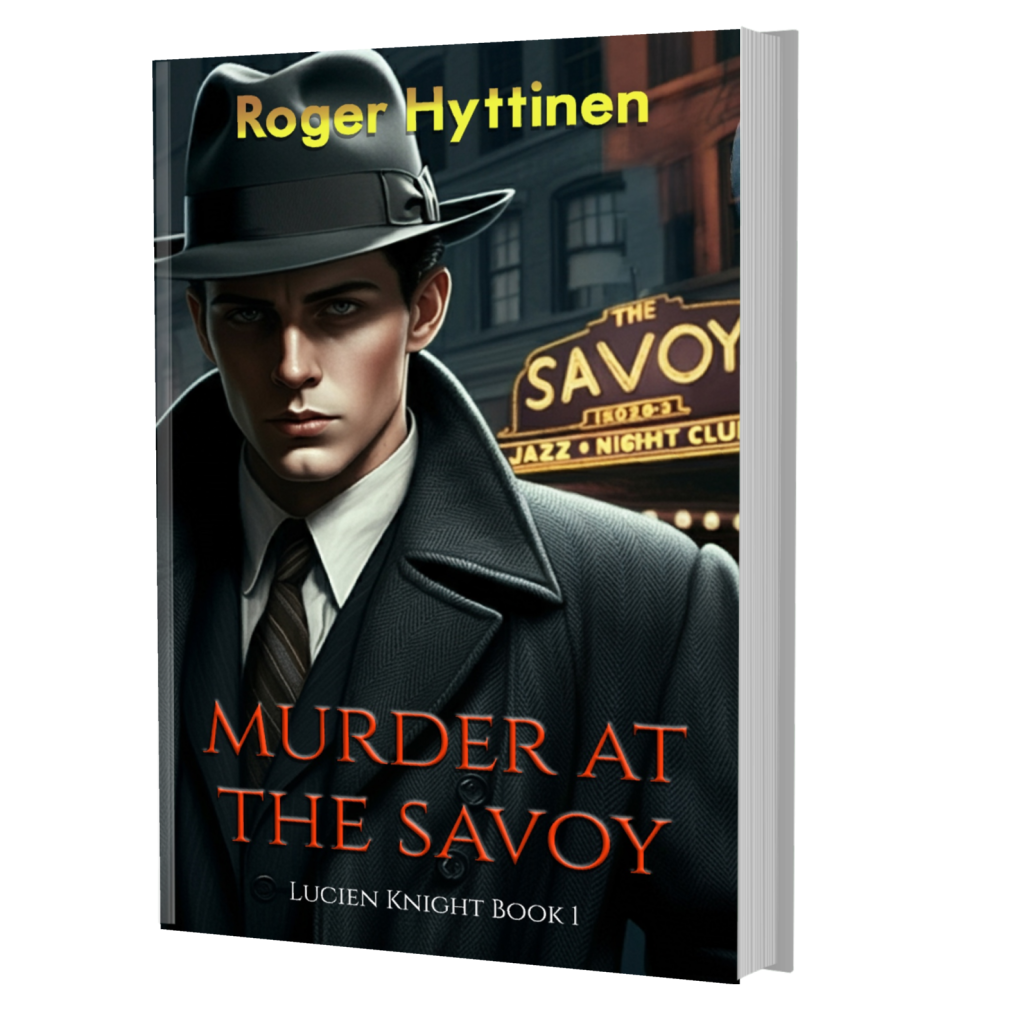
Book cover image of man wearing a fedora for Murder at the Savoy

It’s here! Murder at the Savoy is out now — a jazz-soaked mystery where the ghosts never rest, and neither does Detective Lucien Knight.

🎩 1930s New York. Forbidden love. One haunting murder. Grab your copy HERE

Define It Yourself, Darling Read Post »

Trying to Learn How to Draw…Because Why Not?

Let me tell you a secret I’ve been carrying around for years: I cannot draw.
Like, at all.

If you ever saw me try to sketch a person, you’d think I was illustrating a police report from memory after losing my glasses. My stick figures? Wobbly. My circles? Egg-shaped. My attempts at shading? Let’s just say they look like suspicious bruises on whatever unfortunate object I’m trying to bring into existence.

But the other day—while procrastinating on something important, I’m sure—I tripped over this Udemy class called How to Draw Everything.
Everything. As in… everything? Bold claim, friend. Very bold.

And yet the title hooked me. It was cheap, the reviews were glowing, and suddenly I’m hovering over the “Buy Now” button, thinking, “Well, maybe this will help me graduate from tragic stick person to… I don’t know… a slightly less tragic stick person?” So I bought it. And now here I am, telling you about my grand plan to learn how to draw next year.

I already know it’s going to be messy.

Why Drawing? Why Now?

Honestly, I’ve wanted to learn for years, but every time I sat down with a pencil, I immediately regretted all my life choices. My brain would chant things like: What even IS perspective? or Why does this apple look like a potato that’s seen things? So I’d give up, put my pencils back into their little cup, and return to something I can do—like writing, or making coffee, or reorganizing my bookshelf for the seventh time.

But something about this class felt… approachable. Maybe it’s the fact that the instructor promises to start with literal scribbles. Scribbles I can do. I’m practically a scribble savant. There’s something kind of nice about the idea of starting from zero without the pressure of impressing anyone—including myself.

Plus, the truth is, I’ve been craving a new hobby that doesn’t involve a screen. I’ve spent so much time glued to my computer lately that my eyeballs have started staging quiet protests. Drawing feels like a way to sneak back into the land of the tactile—paper under fingertips, graphite smudges on the side of my hand, that soft scratchy sound pencils make when they’re trying their best.

The Fear of Being Bad (Hi, It’s Me)

Now, let’s talk about the part that freaks me out: I’m going to be terrible at this.
And not the adorable kind of terrible where friends go, “Aww, you’re actually really good!” No. I mean the kind of terrible where people tilt their head, squint, and say, “Is that supposed to be a dog?”

But maybe that’s the whole point. Maybe it’s okay—maybe even fun—to deliberately be awful at something at first. I think as adults we forget that we’re allowed to be beginners. We forget that every skill starts as a clumsy mess, and that the clumsy part is half the charm. Kids don’t care if they draw a house that’s leaning like it’s had a long night. They just draw. They enjoy it. They feel the crayon drag across the page and think, “Look what I made!”

I want some of that energy back.

And who knows? Maybe by the time December rolls around next year, I’ll have a binder full of drawings that actually resemble things. Or maybe I’ll have a binder full of blobby experiments that look like creatures from a low-budget sci-fi film. Either way, it’ll be proof that I tried. And honestly? I’m kind of looking forward to seeing just how weird my early drawings get.

Supplies Have Been Purchased (This Is Getting Real)

Of course, the second I decided to learn how to draw, my brain whispered, “You know… you should buy supplies.” And suddenly I’m browsing mechanical pencils like they’re exotic pets. I’m reading strangers’ opinions on sketchbooks, erasers, and something called a blending stump (which I originally assumed was an enchanted stick).

I have now acquired:

  • A sketchbook that’s way too nice for a beginner
  • A pencil set that makes me feel like I should be wearing a beret
  • A kneaded eraser that looks like a sentient lump of putty
  • Unjustified confidence

I suspect the eraser will become my best friend.

What I’m Hoping For

I’m not trying to become Michelangelo—honestly, I’d settle for being able to draw a cat without it looking like a melted marshmallow. What I want is to feel that spark when something you make actually resembles the thing you were aiming for. That little jolt of, “Oh hey, look at that—I made a line go where I wanted it to!”

And if nothing else, I think it’ll be good for my brain. A chance to slow down, focus on shapes and shadows, and maybe—just maybe—enjoy the meditative grunt of erasing the same line for the tenth time.

Wish Me Luck

So yeah. This is the plan: next year, I learn to draw. Or at least attempt to draw. Or at least doodle with intention. I’ll keep you posted on the progress, the disasters, the accidental creatures, and the surprising little wins.

And if you’ve ever wanted to pick up a creative hobby you’re hilariously bad at—join me. We can make lumpy apples together.


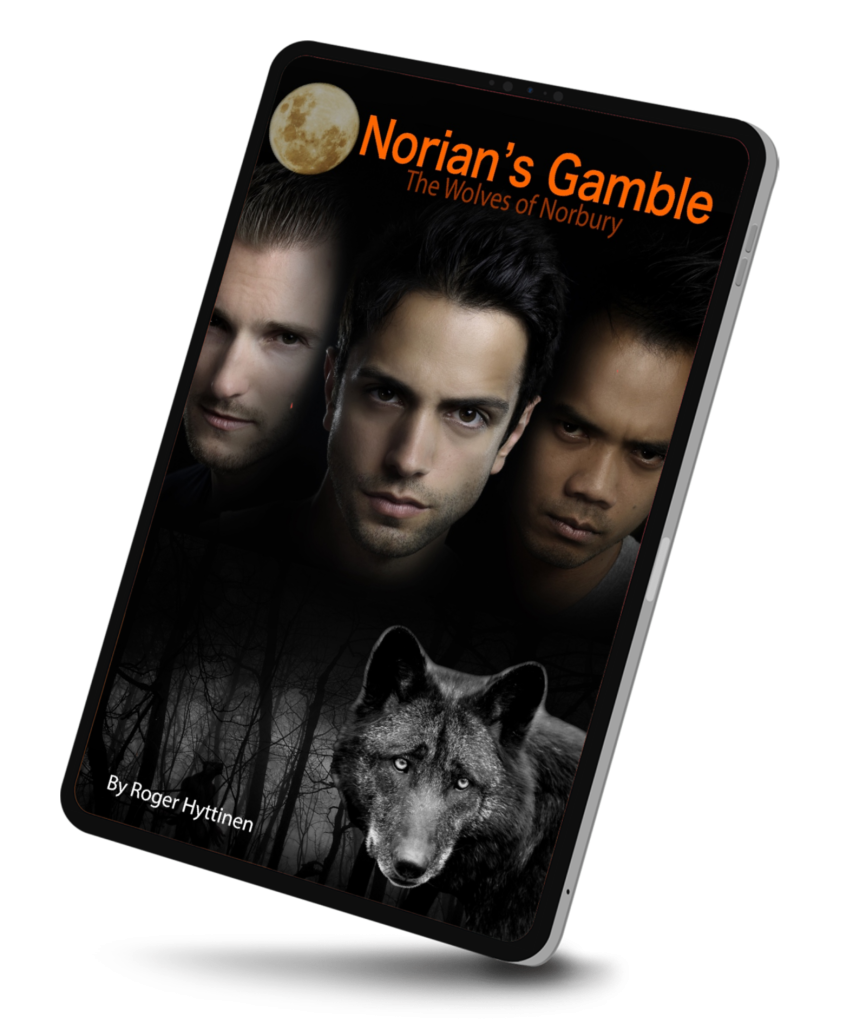
Norian's Gamble book cover image

What happens when the heir to a kingdom is bound by the curse of the wolf? For Prince Norian, the answer comes with blood, fire, and the terrifying knowledge that dark magic has singled him out. As shadows close in, he must protect his people from an enemy who will stop at nothing to seize the throne. Danger, destiny, and deadly secrets entwine in Norian’s Gamble.

Trying to Learn How to Draw…Because Why Not? Read Post »

The Awkward, Beautiful Beginning of Every Creative Weirdo (Yes, Even You)

Closeup of a young man painting on canvas on studio floor

You ever read something and feel like the universe just unlocked a little window and said, “psst…this is for you”? That’s how I felt the first time I tripped over Ralph Waldo Emerson’s quote: “Every artist was first an amateur.”

Honestly, I kind of wish someone had handed that to me years ago—printed on a coffee mug, embroidered on a pillow, stapled to my forehead, whatever. It would’ve saved me from an Olympic-level amount of self-doubt.

I mean, think about it. Imagine the first novel Stephen King wrote that didn’t see the light of day. Picture Picasso staring at a sketch and going, “huh…this looks like a potato.” I guarantee even Freddie Mercury had a moment where he mumbled a lyric under his breath and hoped nobody heard him trying things out. Lowe-stakes beginnings are the secret origin story nobody talks about enough.

A Messy Start Is Basically a Rite of Passage

And oh boy, my early drafts? They were…something. Bless their little chaotic hearts. I remember sitting in a café once, typing as though I’d just learned what a plot might be but wasn’t entirely convinced. The sentences rambled, the characters wandered around like lost tourists, and the dialogue felt like two lamps arguing about electricity.

Did I feel ridiculous? Absolutely.
Did I keep going? Somehow, yes.

Because Emerson was right—even if I didn’t know it yet.

There’s something comforting about remembering that everyone starts in that same foggy place. The place where you’re doodling stick figures or writing dramatic vampire poetry or trying to sculpt clay and ending up with something that looks like a shriveled pear. We all earn our way forward one awkward attempt at a time.

The Myth of “Natural Talent” (aka The Thing That Made Me Freeze Up for Years)

I spent way too long thinking talent was some mystical inheritance. Like you either got sprinkled with glitter at birth—boom, you’re an artist!—or you didn’t. Spoiler: this mindset is nonsense, and I wish I could go back in time and bop myself on the nose for believing it.

Whenever someone looks at my current writing and says something like, “You’re lucky—you’re just naturally good at this,” I want to hand them a stack of my early journals. Or let them peek at one of the abandoned book drafts where the main character’s personality changed every three paragraphs. Or read the opening sentence that literally began with, “It was nighttime and also morning depending on how you thought about things.” (True story. I don’t even know what I meant.)

Artists grow. Artists fail. Artists try again.

The only difference between an amateur and someone further along is…time. And a pinch of stubbornness.

My Favorite Part of Being a Lifelong Amateur

Here’s the thing that Emerson doesn’t address directly—but it’s baked right into the quote if you squint a little: being an amateur is actually kind of adorable.

Like, imagine being new at something and not knowing the “rules” yet. There’s freedom in that. There’s joy in messing around before your brain starts telling you to be Serious and Proper. My favorite writing memories? They’re from the amateur days. The days when I didn’t know about genre conventions or pacing or any of that grown-up stuff. I was just vibing with a keyboard, a tea, and a half-formed idea.

Sometimes, when the pressure of “being good” creeps in, I try to reconnect with that early version of myself—the one who didn’t know what he was doing, but did it anyway because it felt good.

Maybe the real lesson is: stay an amateur, just…a more experienced one.

The Weird Beauty of Letting Yourself Be Bad

Nobody likes sucking at something, but wow—there’s such a relief in saying, “I’m going to be terrible at this for a bit.”

I mean, that’s how kids learn literally everything. They don’t sit there sobbing because their macaroni necklace doesn’t look professional. They just glue noodles to a string and present it like they’ve invented jewelry.

I try to channel that energy more.

If you’ve got something creative you’ve been dying to try—painting, songwriting, pottery, writing spicy fanfic about pirates—start embarrassingly small. Start amateur-level. Start with stick figures if you need to.

Your future self will look back and go, “aw, look at us, trying.”

And the best part? Trying becomes doing. Doing becomes improving. Improving becomes…not perfect, because perfect is boring…but something you feel quietly proud of.

Emerson Was Basically Saying “Relax”

At least, that’s how I read it.

It’s like he’s whispering from across history:
“Go on, make something. Everybody looks goofy at the beginning.”

And I love that.
I need that.
You probably do too.

So here’s my totally-not-wise-but-still-true advice:
Be the amateur.
Be messy.
Make the weird art.
Write the odd chapter that doesn’t go anywhere.
Sing off-key.
Scribble.
Play.

That’s how every artist you admire started. And it’s how every new one begins—including the one you become each morning you decide to try again.


Norian's Gamble book cover image

Prince Norian thought his biggest worry was living up to his father’s expectations—but that was before a dark sorcerer set his sights on Tregaron. When an attack leaves Norian marked by the curse of the wolf, he’s thrust into a destiny he never asked for. Can friendship and loyalty withstand the pull of forbidden magic? Or will Norian’s new nature tear his world apart? Norian’s Gamble is a tale of sorcery, betrayal, and a prince learning what it truly means to lead.

The Awkward, Beautiful Beginning of Every Creative Weirdo (Yes, Even You) Read Post »

The Time Will Pass Anyway (So You Might as Well Do the Thing)

You man in formal wear playing the piano

I came across this quote by Earl Nightingale the other day, and it hit me right in the procrastination nerve:

“Don’t let the fear of the time it will take to accomplish something stand in the way of your doing it. The time will pass anyway; we might just as well put that passing time to the best possible use.”

Oof. Right? That’s one of those quotes that quietly parks itself in your brain and refuses to move.

The Piano Excuse I Used for Years

I used to say, “I’d love to learn piano, but it’ll take years before I’m any good.” I imagined myself hunched over a keyboard, fumbling through scales, hitting the wrong notes, and thinking, Who has that kind of patience?

But then, one random Tuesday afternoon, I had this ridiculous realization: five years from now, those five years will have passed anyway. Whether I spend them complaining about how long piano takes or actually playing it is completely up to me.

And honestly, that thought kind of flipped a switch. I pictured future-me sitting at the piano, hands gliding over the keys, maybe even playing something that sounded half-decent. Then I pictured future-me who never started—still saying, “Yeah, I always wanted to learn piano.” The second version of me looked bored. The first one looked content. So I went for it.

Starting Is the Hardest Part

That first week? A symphony of wrong notes and self-doubt. My cat actually left the room. But there was something kind of addictive about it—the challenge, the incremental progress. Every new chord I learned was like unlocking a secret door.

And that’s the thing with time-based fears: they’re sneaky. We convince ourselves that something isn’t “worth” the years it’ll take, but we’re already spending those years doing something else—scrolling, waiting, wishing.

Time doesn’t care what we do with it. It’s going to keep moving, whether we learn the piano or not, write the book or not, take the trip or not.

The Magic of Compounding Effort

Here’s where it gets wild: after a few months of sticking with it, my fingers stopped rebelling. I could play a melody without looking down every two seconds. A year in, I could play simple songs. And five years later—yep, the same five years I once said were “too long”—I actually sounded… good.

Not concert pianist good. But good enough that I could sit down, play something I loved, and feel proud.

It reminded me that most worthwhile things have a long runway. You plant a seed, and you don’t see much for a while—just dirt and doubt. But give it time (and some persistence), and suddenly you’ve got something beautiful growing.

Time Will Pass Anyway

I think about this quote whenever I hesitate on something new—learning a language, starting a side hustle, writing another book. My brain still likes to whisper, “But that’ll take forever.” And now I just shrug and think, “So what? Forever’s coming anyway.”

Maybe that’s the quiet power of Nightingale’s quote: it strips away the illusion that waiting is safer. The time will go by whether we try or not, so we might as well fill it with the messy, joyful stuff that makes us feel alive.

So if there’s something you’ve been putting off because it’ll “take too long,” consider this your nudge. Five years from now, you’ll either have five years of progress—or five years of regret. Personally, I’ll take the progress, wrong notes and all.


Have you heard the good news? My detective noir book is finally out! You can check out the paperback version on my web store or get the ebook from Amazon..

The Time Will Pass Anyway (So You Might as Well Do the Thing) Read Post »

Dreams Don’t Happen in Draft Mode

Young man taking photos with a mountainous background

There’s this quote by David J. Schwartz that’s been rattling around in my brain lately:

“Life is too short to waste. Dreams are fulfilled only through action, not through endless planning to take action.”

Now, I love a good plan. I have journals full of them—half-sketched outlines, lists of goals, detailed project trackers with color-coding that would make a teacher weep with pride. But you know what? Planning is sneaky. It feels like progress, but it can also be procrastination in disguise.

I think Schwartz was basically wagging his finger at all of us list-makers, telling us to close the notebook and just do the thing already.

The Seduction of the Plan

There’s something delicious about planning. You get that rush of imagining how it’s all going to turn out. You’ve got your timeline mapped, your action steps all lined up, and it feels like you’ve already taken a step forward. Except… you haven’t.

I can’t tell you how many times I’ve planned to start a novel. I had the perfect character sheets, a Pinterest board of aesthetic inspo, and even a playlist. But the first chapter? Still sitting in my head, waiting to be written. The plan became my security blanket.

And honestly, it’s a comfortable trap. You don’t risk failure while you’re planning. You don’t risk embarrassment or rejection. You can just sit there sipping coffee, telling yourself, “Look at me, I’m preparing.”

But dreams don’t grow in the land of preparation. They grow in the messy, sometimes awkward territory of action.

The Action Gap

The gap between “I’ll do this someday” and “I’m doing it right now” is where most dreams go to die. That sounds dramatic, but you know it’s true.

Take, for example, that friend who always talks about writing a screenplay. Every time you see them, it’s: “I’ve got this amazing idea, I just need to polish my outline.” Years go by. Still no script. Meanwhile, someone else with half the talent but twice the gumption already has a short film on YouTube and a festival submission under their belt.

Action beats perfection every single time.

Life Really Is Too Short

Here’s the part of the quote that hits me hardest: “Life is too short to waste.”

When you’re younger, it feels like you have all the time in the world to get around to things. But the older I get, the more I realize that time is the one resource I can’t refill. I can’t go back and rewrite my twenties or redo my thirties.

So why am I wasting precious hours color-coding my planner instead of taking one messy step forward on my goals?

It’s like standing on the diving board all day, psyching yourself up, adjusting your goggles, making sure the water temperature is just right. Meanwhile, the pool is sitting there waiting. Jump in. The water’s not going to get any warmer.

A Personal Confession

I used to say I wanted to learn Spanish fluently. I downloaded apps, bought books, made vocabulary flashcards. For years, I “prepared” to get serious about it. But I never actually practiced speaking with real humans, which—spoiler alert—is the whole point of learning a language.

Then one day I just signed up for conversation lessons with a tutor online. My Spanish is still clumsy, but you know what? I’ve had actual conversations in Spanish now. That happened because I stopped planning to learn and actually started learning.

The 5-Minute Rule

Here’s something that helps me bridge the action gap: the five-minute rule. If I’m stuck in planning mode, I ask myself, “What’s one tiny thing I can do right now that moves this dream forward?”

  • Want to write a book? Write a single paragraph.
  • Want to start a podcast? Record five minutes of rambling into your phone.
  • Want to run a marathon? Lace up your sneakers and just walk around the block.

It doesn’t have to be glamorous. The first step rarely is. But once you’ve taken it, you’ve broken the spell of endless preparation.

Planning Still Matters (Just Not Too Much)

Don’t get me wrong—I’m not saying throw your planner out the window. Some planning is necessary. You don’t want to wing everything in life; that’s how you end up with an unedited manuscript or a collapsed soufflé.

But planning should be the appetizer, not the main course. The main course is doing. It’s messy, imperfect, and way less comfortable than sitting around thinking about it. But it’s also the only thing that actually gets you closer to your dream.

So, What Now?

Here’s my little challenge (to myself as much as to anyone reading this): take one action today that moves you closer to something you’ve been planning forever. Doesn’t matter how small. Send the email. Write the messy draft. Sign up for the class. Do something.

Life is too short to waste on perfect outlines and endless to-do lists. Dreams are allergic to procrastination—they only come alive when we do.

So stop fluffing the pillows on your plan and start living the messy, unpredictable, exhilarating action part.

Catch you in the pool.


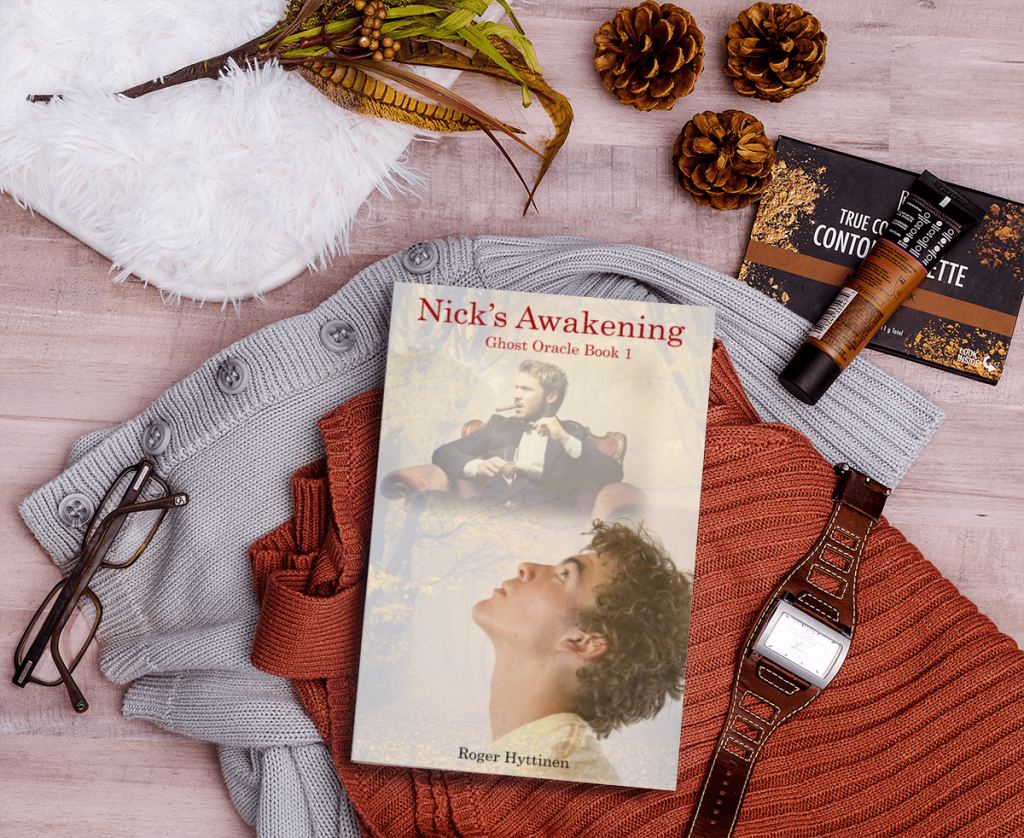
Nick's Awakening cover

Nick’s family whispers about “Uncle Mitch’s problems.” But Mitch isn’t crazy—he’s a medium. And now, Nick is next in line to inherit the so-called gift. Like it or not, ghosts have chosen him. Nick’s Awakening – grab a copy HERE

Dreams Don’t Happen in Draft Mode Read Post »

Scroll to Top