Writing

Beyond the Gay Best Friend: Let’s Talk About Writing LGBTQ+ Side Characters Who Aren’t Just Sassy Props

a group of four friends posing for the camera

So here’s the thing—I’ve read a lot of books. Like, so many that I sometimes forget what day it is or whether I remembered to feed the cat (don’t worry, she’s extremely vocal about reminding me). And one thing I’ve noticed over the years is this weird little pattern in fiction: the token LGBTQ+ supporting character. You know the one. The sassy gay best friend who only exists to give fashion advice, drop a few one-liners, and then vanish when the main character starts making out with their love interest.

Yawn. We’ve been there. We’ve done that. And honestly? It’s time for a glow-up.

Let’s talk about how we can write queer supporting characters who are actually, you know, human beings with dreams, flaws, backstories, and weird quirks—just like the rest of the cast. Because spoiler alert: queer people don’t just exist to prop up the straight protagonist’s emotional arc.

Step One: Let Them Have a Life (Outside the Main Character)

Okay, I get it. Your story might revolve around a main character who’s doing something epic—saving the world, solving a murder, falling in love in a coffee shop where everyone somehow has perfect hair and emotional availability. That’s cool. But if your LGBTQ+ side character disappears when they’re not directly interacting with the protagonist, that’s a red flag.

Give them a job, a dog, an unhealthy attachment to Bake-Off reruns—whatever! Just give them something that makes them feel like they exist in the world, not just in the MC’s orbit.

Example? Let’s say you’ve got a lesbian bartender in your urban fantasy novel. Don’t just have her pouring drinks and giving sassy advice. Maybe she’s a witch who’s secretly building protective wards around the neighborhood. Maybe she writes cryptic poetry that she folds into napkins. Maybe she’s terrible at dating and keeps asking your main character for help crafting dating app messages. Give her a messy, vibrant, real life.

Step Two: Break the Mold

Look, I love a good drag queen character or a snarky twink with zero filter. Truly, I do. But sometimes the best thing you can do for queer rep is write the character who isn’t what the audience expects.

Your bisexual character doesn’t have to be “confused” or polyamorous. Your gay guy doesn’t need to love musicals. Your trans character doesn’t have to spend the whole story focused on transition-related stuff (unless you want to explore that—totally valid!). The point is, people are nuanced. Queer folks are not one-size-fits-all.

Example? In one of my favorite paranormal mysteries (no shame, it’s mine), I’ve got a queer supporting character who’s a grumpy mortician with a ridiculous crush on the mailman. He listens to Scandinavian death metal, collects antique taxidermy, and has absolutely no interest in “helping the main character find love.” And that’s okay. He’s his own weird, prickly, wonderful person.

Step Three: Let Them Mess Up

Here’s something that really bugs me: the flawless queer sidekick. Like, they’re morally perfect, always say the right thing, and somehow know how to solve every emotional problem with a snap and a martini. I know it comes from a good place—writers trying to be respectful—but it ends up flattening the character.

Let them be wrong. Let them get mad. Let them ghost someone, fall for the wrong person, or blow up at the protagonist because they’re stressed and haven’t slept in two days. That’s what makes them feel real. Real people mess up. That includes the queer ones.

Example? Remember Robin from Stranger Things? She’s a great supporting character—funny, sharp, kind of a disaster. She’s got layers. She doesn’t just exist to back up Steve. She gets her own weirdness, her own anxieties, and even a painfully awkward crush or two. That’s what I’m talking about.

Step Four: Not Everything Has to Be About Being Queer

Sometimes a queer side character’s biggest plot twist isn’t coming out or dealing with homophobia. Maybe they’re just trying to solve a supernatural murder mystery while dealing with their mom’s obsession with crocheted owls. Maybe their queerness is part of who they are—but not the only thing they are.

This doesn’t mean we should erase queer experiences—those stories matter—but sometimes it’s nice to just see a trans woman who’s also a badass werewolf hunter. Or a gay uncle who makes balloon animals and secretly works for the CIA. Give me chaos. Give me complexity. I want to feel like they could carry their own book.

So yeah…

So yeah, if you’re a writer—and I know some of you are—don’t settle for cardboard cutouts or queer plot accessories. Write characters who are weird and messy and fully alive. Let them be the funny one and the one who screws up. Let them have dreams, flaws, and nervous breakdowns over IKEA furniture. We need more of that.

Now if you’ll excuse me, I’ve got a grumpy demon to write and a queer necromancer who keeps refusing to follow the plot I gave them. Typical.

Beyond the Gay Best Friend: Let’s Talk About Writing LGBTQ+ Side Characters Who Aren’t Just Sassy Props Read Post »

What I’ve Learned from Writing Queer Characters Across Different Decades

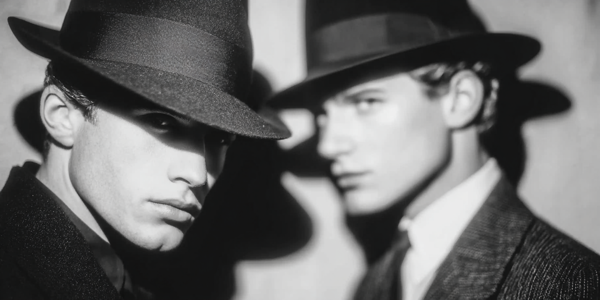
 a good-looking gay male couple in the 1930s

(Or: Why Historical Queerness is Complicated, Beautiful, and Occasionally Messy as Hell)

When I started writing queer characters, I didn’t expect to become a part-time amateur historian, therapist, and decoder of unspoken longing. But that’s what happens when you plop queer folks into past decades and tell them to live, love, and maybe solve a murder or two without getting arrested or excommunicated.

Right now, I’m waist-deep in a detective noir series set in 1930s Chicago—think fedoras, gin joints, and a paranormal investigator who’s a little too good at noticing things (especially when it comes to handsome suspects). And before that, I wrote a time-travel novel with scenes set in 1860. Yeah. That 1860. Civil War-era, “homosexuality is a criminal offense in every state” 1860.

I’ve learned a lot from these queer journeys through time. About shame. About resilience. About how love finds ways to survive—even when the world keeps trying to erase it.

The Unspoken is Deafening

If you’ve ever read a historical novel where two men are just very good friends and happen to share a bed because it’s “more efficient,” you’ve probably side-eyed your way into Queer History 101.

In the 1860s, I couldn’t write a character openly saying “I’m gay” without breaking the narrative like a poorly placed anachronism. So instead, there were loaded glances. Letters with double meanings. Physical closeness that a modern reader understands but the characters themselves might not even have words for.

And let me tell you, writing those subtle emotional gymnastics? Weirdly exhausting. But also really rewarding. Because it reminds you just how hard people had to fight to understand themselves—let alone find someone else who did.

Queerness Isn’t New (But It Was Dangerous)

I used to think of queer history as this slow unfolding—like LGBTQ+ people didn’t exist until we gradually “appeared” in the 20th century. LOL. Nope. We’ve always been here. What changed was the language and the risk.

In 1930s Chicago, things were just barely starting to crack open in the underground scenes. Speakeasies had back rooms. Men danced with men—quietly. Women lived together and were “confirmed bachelors” or “Boston marriages.” It was all hidden in plain sight, like a magic trick nobody acknowledged.

Writing queer characters during this time meant leaning into that tension. My detective might be quick with a pistol, but he’s slow to trust when it comes to romance. There’s always this edge of fear and secrecy humming beneath the surface—like the wrong word to the wrong person could end more than just a relationship.

It’s Not All Tragedy (Promise)

I worried, at first, that writing historical queer characters would mean constantly flirting with doom. And yes, there’s pain. You can’t sugarcoat laws, persecution, and violence.

But there’s also joy. So much joy.

There’s coded love letters and whispered confessions in moonlit alleys. There’s finding the one person who sees you when the rest of the world insists you’re invisible. There’s loyalty. Found family. Unlikely alliances.

In the 1930s detective story I’m writing, my main character finds moments of connection in places he never expected. A bartender who looks the other way. A former lover turned informant. A kiss stolen in the dark while jazz spills from a phonograph. It’s a little noir, a little gothic, and 100% emotionally fraught (my favorite flavor).

You Can’t Ignore the Era

Here’s a lesson I learned the hard way: you can’t just drop modern queer people into a historical setting and call it a day. You have to let the setting shape them. They wouldn’t have had access to the same conversations, communities, or even concepts that we do now.

In 1860, there was no “coming out” as we know it. There was no Pride parade, no TikTok explaining the difference between demiromantic and gray-ace. People figured things out in isolation—or not at all.

And while that’s tragic, it’s also a space for rich character exploration. The internal battles. The slow dawning of realization. The accidental discovery of joy.

There’s Always Someone Watching

This one hits hard, especially in the 1930s noir world. Even when you’re not being chased by mobsters or ghouls (because, yes, I threw in a supernatural twist), there’s always the social eye. The ever-present judgment. The “what will the neighbors think?”

That pressure shaped how queer people moved through the world. So in my writing, I try to show how small acts—like touching a hand for a beat too long—could be monumental. Intimacy is magnified under the weight of fear.

And yet, people still loved each other anyway. Because of course they did.

The Takeaway (If I Had to Pick Just One)

Writing queer characters across time has taught me this: we’ve always been here, quietly defiant, stubbornly tender, surviving by candlelight until someone could finally flip the switch.

As a writer, it’s both an honor and a responsibility to bring those stories to life—flawed, complicated, passionate, and human. Always human.

Now if you’ll excuse me, I have a ghost-infested speakeasy to write and a very grumpy 1930s detective who needs to admit he’s in love with the man helping him solve a murder.


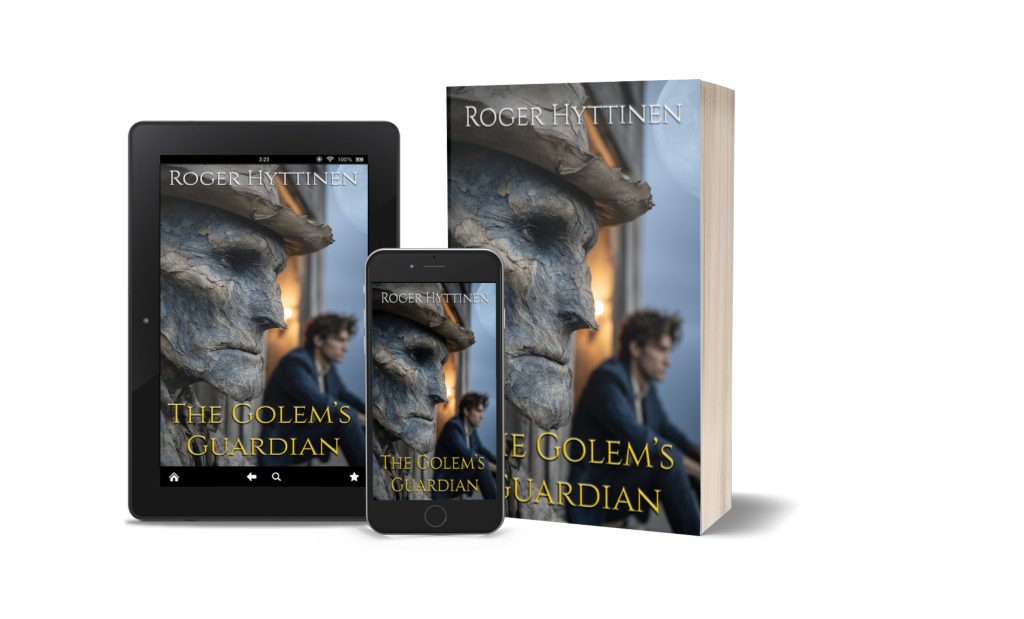
When Brooklyn librarian David Rosen accidentally brings a clay figure to life, he discovers an ancient family gift: the power to create golems. As he falls for charismatic social worker Jacob, a dark sorcerer threatens the city. With a rare celestial alignment approaching, David must master his abilities before the Shadow’s ritual unleashes chaos—even if using his power might kill him. The Golem’s Guardian

What I’ve Learned from Writing Queer Characters Across Different Decades Read Post »

City as Character: How Urban Settings Shape Supernatural Narratives

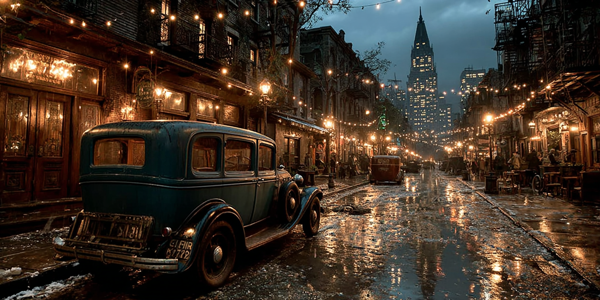
Photrealistic image of gritty 1930s chicago.

(Or why your vampire might prefer Chicago over Cleveland)

Let’s talk cities. Not the kind with brochures and trolley tours—though, yes, ghost tours are a must—but the gritty, rain-slicked, neon-lit, mystery-drenched kind that practically hum with supernatural possibility.

You know the type. The city that’s less “background noise” and more “this place will chew you up and spit out your bones, but like…in a magical way.” If you’re writing (or reading) urban fantasy, paranormal noir, supernatural thrillers, or anything that goes bump between skyscrapers, you need to think of the city not just as a setting—but as a character.

This post is mostly for my fellow writers, but if you’re a reader of Urban Fantasy or Supernatural Fiction, you’ll probably still find yourself nodding along like, “Yep. I knew New Orleans had ghosts in the sidewalks.”

The City Breathes, Bleeds, and Bites Back

Think about The Dresden Files. Could Harry Dresden function the same way if he lived in, say, Des Moines? No shade to Iowa, but Chicago is baked into his DNA. The biting wind, the history, the political corruption, the layered architecture (literal and metaphorical)—Chicago is the magic in that series. You can practically hear the El trains echoing in his spellwork.

Or Neverwhere by Neil Gaiman. London isn’t just the backdrop; it splinters into a whole underground mythos. It drips with old magic and forgotten alleys and subway gods. London Below is a twisted mirror of the actual city, and without London’s ancient bones, the story just wouldn’t have teeth.

Urban Settings = Instant Conflict

Cities naturally come with built-in tension—class divides, gentrification, unsolved crimes, too many people crammed into not enough space. Now throw in a secret werewolf pack in Brooklyn or a necromancer keeping rent-controlled ghosts in San Francisco, and suddenly the supernatural bits don’t feel so far-fetched, do they?

Take The City We Became by N.K. Jemisin. Each borough of New York literally comes alive—like, human-avatar level alive. The city’s personality is the plot. There’s graffiti-level magic and eldritch invasions, sure, but it’s also about culture, resistance, community, and identity. The city isn’t just where things happen. It’s why they happen.

Dark Alleys Make Great Portals

Urban landscapes naturally lend themselves to the spooky and strange. There’s something about flickering streetlights, steam rising from manholes, and alleys that look just a little too quiet. Cities are full of liminal spaces—transit systems, rooftops, abandoned factories—that practically beg for magical weirdness.

Rivers of London (by Ben Aaronovitch) leans into this by grounding magic in the infrastructure of the city—rivers are gods, traffic has power, and the architecture holds secrets. It’s brilliant. And it makes the city feel alive in a way that suburban sprawl just… doesn’t.

Want Vibes? Cities Deliver.

You can get really specific with tone just by picking the right city. Want ancient secrets and ghosts tangled in the Spanish moss? Drop your story into Savannah. Need rainy gloom and underground magic? Seattle’s got you. Desire glamour with a side of decay? Hello, Los Angeles.

One of my favorite examples: The Beautiful by Renée Ahdieh. Set in 1872 New Orleans, it wraps you in opulence, rot, and vampires. The city oozes charm and danger. You smell the blood in the bayou and the perfume in the parlor. It’s lush and decadent and you know—know—there’s something unholy under the floorboards.

Writing Tip: Use the City’s History Like Lore

I’m just gonna say it: if your supernatural city doesn’t have a shady past or some unsolved mystery, what are we even doing here?

The best urban fantasy weaves in real-life history like it was always magical. Murders that never got solved? Witch trials? Abandoned asylums turned condos? Use it. Cities are basically story graveyards, and you get to dig up the bones and whisper to them.

My own writing has dipped into this—I set a paranormal detective story in 1930s Chicago (because of course I did), and let me tell you, between the mobsters, the speakeasies, and the corruption, I didn’t need to invent much. I just added ghosts. The city did the rest.

Readers Notice When the City’s a Flat Prop

This might sound dramatic, but nothing kills a story faster for me than a city that feels like it was pasted on with digital wallpaper. I want to taste the coffee from the bodega, feel the subway grime under my character’s fingernails, hear the street preacher screaming about demons on a corner that absolutely exists somewhere.

Even if you’re inventing a fictional city, like Night Vale or Hollows (from Kim Harrison’s The Hollows series), you want to treat it with the same messy, flawed reverence you’d give a real place.

The City Deserves a Speaking Role

Give your city quirks. Give it moods. Let it be weird and unpredictable and inconvenient. Cities are more than just backdrops for your haunted antique shops and secret supernatural nightclubs. They are the mood. The muscle. The rhythm.

So go ahead—write the alleyway that leads to another world, the haunted subway line, the rooftop where witches cast spells using broken satellite dishes.

And let the city speak.

Alright, I’ve rambled enough. I need to go eavesdrop on the guy muttering to pigeons outside my window—he might be casting something.

City as Character: How Urban Settings Shape Supernatural Narratives Read Post »

My Favorite Writing Music for Urban Fantasy Fight Scenes

Cool young extremely handsome hispanic guy listening to mucic while typing

Or: Why Drum & Bass Makes My Demons Punch Harder

The first time I realized music could actually fuel a fight scene I was writing, I was sitting in my usual corner booth at a coffee shop—half-buzzed on espresso, procrastinating like a pro. My protagonist, a snarky necromancer with a grudge, was supposed to be battling an eldritch creature in an alleyway drenched in rain and neon light. But I couldn’t get it right. Everything felt flat, like a clunky stage play with swords made of cardboard.

Out of frustration, I yanked in my earbuds and hit shuffle on a playlist I’d made for cardio workouts. The opening notes of The Prodigy’s “Invaders Must Die” blasted into my skull—and suddenly, the fight came alive.

And I mean alive.

The Vibe Matters

Urban fantasy is a genre soaked in adrenaline and shadows. You’ve got werewolves scrapping behind nightclubs, witches slinging hexes in subway tunnels, vampires in pinstripe suits pulling knives in back alleys. It’s gritty, fast-paced, a little unhinged—and the music you use to write those scenes? It needs to match that energy.

For me, it’s all about rhythm. That pulse. That driving, relentless beat that makes you clench your jaw and type like your keyboard owes you money. It’s less about melody and more about momentum.

My Top Picks (That Totally Slap)

Let’s talk specifics. These are my go-tos when the fists (or fireballs) start flying:

1. Drum & Bass / Dark Electronica
Artists like NoisiaPendulumSub Focus, and Black Sun Empire. These tracks are tight, aggressive, and make me feel like someone’s about to crash through a window any second now. The rapid-fire percussion is perfect for tracking blows, dodges, and magical chaos.

Favorite tracks:

  • “Stigma” – Noisia
  • “Tarantula” – Pendulum
  • “Timewarp” – Sub Focus

2. Industrial Rock
When I need a grittier, more grounded fight—think brass knuckles in a dive bar or a werewolf-on-vampire showdown—I turn to Nine Inch NailsCelldweller, or Marilyn Manson’s earlier stuff. There’s something visceral about distorted guitars and electronic growls that just works.

Favorite tracks:

  • “The Way You Like It” – Adema
  • “Switchback” – Celldweller
  • “Wish” – Nine Inch Nails

3. Cinematic / Trailer Music
Sometimes I need the drama turned up to eleven. You know, when the world is literally cracking open and the hero is unleashing some forbidden spell. That’s when I dive into the overly dramatic, brass-heavy world of Two Steps From HellAudiomachine, or Epic Score.

Favorite tracks:

  • “Heart of Courage” – Two Steps From Hell (cliché? maybe. effective? absolutely.)
  • “Blood and Stone” – Audiomachine
  • “I Am the Storm” – Ramin Djawadi (Game of Thrones, but still counts)

The Mood Shifter

Here’s the wild part: the right track not only makes the scene flow better, it changes me. I sit differently. I breathe faster. My typing speeds up like I’m trying to win a race. I stop second-guessing myself and just go. It’s like music unlocks the primal part of my brain that knows how to write a brawl better than my thinking mind ever could.

Also, I’ve scared my cat more than once by shouting “DUCK!” at my screen mid-write. So, bonus points for immersion.

Honorable Mentions: Because Not Every Fight Is a Bloodbath

Sometimes you need something less in-your-face. Like if the fight’s more psychological—an underground chess match with telepaths—or stylish, like a sword duel on a rooftop. That’s when I pull out:

  • Woodkid – moody and majestic
  • Carpenter Brut – synthwave with a sharp edge
  • UNSECRET – cinematic with a modern twist

So Yeah…

Writing fight scenes used to stress me out. I’d overthink every blow, every reaction, trying to choreograph it like a Hollywood stunt coordinator. But once I let the music lead the rhythm, everything changed. Now, I build a playlist before I write the scene. I match the tempo to the tone, hit play, and let my fingers go feral.

So yeah. Music isn’t just background noise—it’s my fight choreographer, my pacing coach, and, on some days, the only thing that keeps me from giving up and switching to writing soft-baked vampire romance instead.

Which… might also need a playlist.

But that’s another blog post.

My Favorite Writing Music for Urban Fantasy Fight Scenes Read Post »

Spellbound & Fabulous — Queer Icons Who Deserve Supernatural Roles

creepy lookiing guy with face half alien

So, I’ve been thinking (always a dangerous start, right?): What if we could pick our favorite queer actors and bless them with supernatural roles? Like, how amazing would it be to see some of the most talented LGBTQ+ folks playing witches, warlocks, vampires, shapeshifters, or whatever other magical beings are lurking out there? I mean, supernatural stories thrive on drama, with all the brooding and epic battles, and who does high drama better than queer folks?? Answer: No one, honestly. The casting universe needs to get with the program and give us more of this.

Okay, let’s dive in.

First on my list—and this might be influenced by my low-key obsession with him—Billy Porter. We already know Billy brings flair, elegance, and power to pretty much everything he does (like, POSE anyone? Have you seen that wardrobe?). Now, imagine him as the most extra, fashion-forward warlock, living in some chic urban magical headquarters. He’d be the kind of warlock who’s ten steps ahead of everyone else, raises an eyebrow and—bam—summons a dragon. And don’t even get me started on the outfits. He’d slaughter in those sweeping ceremonial robes. Plus, his voice alone could literally enchant an entire council of elders into agreeing with whatever scheme he’s cooking up.

Now, let’s talk Indya Moore. If Indya wasn’t already a real-life goddess, I’d say it’s time for them to enter the supernatural world. Indya would make an incredible vampire queen—like, picture it. Regal, ancient, and incredibly fierce. The kind of vampire that doesn’t just sip tea (uh, blood) in a castle, but…stalks the night in designer heels. There’s something in their quiet intensity that screams “ancient power in a very modern world.” Plus, those eyes? Hypnotic. Probably doesn’t even need vamp powers to get you under their thrall (I mean, don’t pretend you’d resist).

I feel like Elliot Page would be such a phenomenal shapeshifter. Hear me out. Elliot has this really grounded, subtle approach to acting—you totally believe him in whatever he’s doing—with the ability to make you care about his character’s journey. A department store shapeshifter, living among ordinary humans while secretly bouncing between identities for fun? Honestly, his dry humor would make those interactions so relatable and hilarious. One second, he’s a sassy cat refusing to get off a random stranger’s car, the next, he’s casually rescuing people without anyone noticing. He’d definitely be chaotic neutral.

And uh, speaking of chaos—Laverne Cox as a kickass witch. So we already know Laverne has this incredible, commanding screen presence, right? Well, imagine her character as this stunning, highly powerful witch who walks into a magical council meeting and just takes over with perfect composure. Everyone else is fumbling around with their spell books, and Laverne’s already untangling interdimensional knots with a snap of her fingers and a perfectly arched eyebrow. I bet she’d have snarky, layered spells where the magic’s elegant, but deadly—and that’s exactly what we need in a world that doesn’t take magical queens seriously. Trust Laverne to shut that down.

Also, I’m going to sneak in Dan Levy for a role as some chaotic, ethereal fae king. Come on, you know it works. The man was born to be a snarky magical creature. I envision him leading a band of misfit fae, being salty about literally everything but also very on top of an ancient war over enchanted forests or whatever it is fae squabble about. There’s such an “I don’t have time for humanity’s shenanigans” look in his eye that he’d wear the crown without even trying. And don’t you just know David Rose believes in magic? No one who owns that many scarves doesn’t believe there’s a magical manatee somewhere out there.

Next up for hero vamp status: Tessa Thompson. Look, we’ve already seen some insane action from Tessa in Thor: Ragnarok as Valkyrie (she literally showed up on a spaceship, casually, while flipping off all kinds of danger). Imagine that energy as a rogue vampire, equal parts conviction, rebellion, and stunning. The blade work alone would be freaking epic. I just want her dressed in leather, owning the night with a cool smirk and her swanky vampiric underground headquarters. Honestly, she could take down a whole council of ancient vampires while sipping a cocktail and not look even mildly stressed. And I’d be lining up for that battle scene.

Last, but nowhere near least, Janelle Monáe needs to play a goddess—preferably one who shifts between realms like it’s just… brunch plans. I mean, have you seen her entire aesthetic? I’m imagining a goddess of chaos and cosmic justice, one who’s got one foot in the real world and the other in something totally otherworldly. She’d wear those super sleek, futuristic outfits from her music videos, but in a divine way, and her powers would just be unstoppable. Oh, and music would definitely bend to her will—so calling on different dimensions with a different style of music every time? Yeah, that.

Okay, I realize I could go on for hours—Sara Ramirez would make a gnarly werewolf leader who’s actually balancing classes at law school, and don’t get me started on Ezra Miller—but we don’t have all day. So, if you’re feeling any of these picks, let me know, and we can totally start drafting some petitions to send to Hollywood. They’re way overdue on queer magical representation. 😉

Spellbound & Fabulous — Queer Icons Who Deserve Supernatural Roles Read Post »

Whiskey, Wards, and Wisecracks—How Noir Paved the Way for Urban Fantasy Detectives

Noir detective at work

So here’s a thing I’ve been thinking about (probably too much): modern urban fantasy detectives are basically chain-smoking, spell-slinging love children of classic noir gumshoes. Like, if Raymond Chandler’s Philip Marlowe woke up in a world full of vampires, magical artifacts, and ghosts with unfinished business, you’d get about 80% of today’s gritty, snarky paranormal investigators.

Seriously—if you love stuff like The Dresden FilesRivers of London, or even Netflix’s weird little gem The Order(RIP), you owe a big, grimy hug to noir.

Let’s go back a sec. Classic noir detectives—think Sam Spade (The Maltese Falcon) or Mike Hammer—were loners. Cynical. Had questionable hygiene but, like, were somehow still magnetic. They lurked in alleys, drank too much, trusted no one, and almost always got emotionally wrecked by a femme fatale with legs for days and secrets for centuries.

Sound familiar?

Now imagine swapping out the fedora for a charm-laced trench coat, the revolver for a runed dagger, and the cigarette for… okay fine, they probably still smoke. Just maybe cloves or enchanted ones now. And boom: you’ve got Harry Dresden (The Dresden Files, Jim Butcher’s long-running series). He’s basically a noir detective wrapped in wizard drag—he works cases, gets beat up a lot, deals with shady clients, and has that whole “I’m tired but I care too much” thing going on. Also, his office literally has “Wizard” painted on the door. No subtlety, just vibes.

Another one? Peter Grant in Ben Aaronovitch’s Rivers of London series. He starts off as a regular beat cop who accidentally sees a ghost and gets roped into a hidden magical underworld. There’s bureaucracy, ancient gods squatting in public housing, and a talking river goddess who could probably punch your soul out of your body. Peter’s dry humor and methodical cop brain are pure noir, but now it’s layered with arcane rituals and angry fae creatures.

You know what I love about this noir-meets-magic cocktail? It’s messy. Noir has always thrived in moral gray areas, and urban fantasy just throws glitter on those grays. Like, your local necromancer might be shady, but if he’s the only one who can stop a soul bomb from going off in the subway, guess what? You’re working with him. Begrudgingly. Probably while insulting each other the whole time.

Let’s not ignore the visuals, either. Classic noir is all rain-slick streets and flickering neon signs. Urban fantasy kept that aesthetic but added gargoyle sentries, haunted jazz clubs, and the occasional demon-possession incident in a 24-hour diner. It’s like someone took Double Indemnity and decided it needed more tentacles. I am not mad about this.

Also! Fun fact: the word “noir” literally means black in French. So noir fiction? Black fiction. As in dark, shadowy, morally twisted. Not just about literal lighting (though I do love a good backlit silhouette and a dramatic cloud of cigarette smoke). Source: Merriam-Webster, because I’m nerdy like that.

Anyway, back to feelings. One of the reasons I love this noir-to-now lineage is because it gives us detectives who don’t always win—but they try anyway. They’re the kind of characters who’ll go toe-to-toe with a cursed mobster or a succubus assassin even when they’re bleeding out and down to their last sarcastic quip. They’re compelled to do the right thing, even when it’s probably the stupidest option on the table. I vibe with that.

So yeah. Next time you’re watching some brooding private eye cast a spell while bleeding into his trench coat and muttering about justice, just know—he’s channeling the ghosts of noir legends past. And probably getting ghost-mugged in a magically seedy alleyway for his trouble.

Now, if you’ll excuse me, I need to go reread Storm Front and pretend I don’t want to name my future cat “Mab.”

Stay strange and solve things.

Whiskey, Wards, and Wisecracks—How Noir Paved the Way for Urban Fantasy Detectives Read Post »

The Art of the Slow Burn – How to Make Your Detective Yearn (Without Making Readers Yawn)

Okay, so here’s the thing—there’s something borderline magical about slow burn romance when it’s done right. I’m not talking about the kind where the characters barely touch for 700 pages and you’re just sitting there like, “Are we doing this or not?” No. I’m talking about that good, simmering tension, the kind that hums under every shared glance and unfinished sentence. Especially when it’s tangled up in something gritty, like a detective noir world where everybody’s wearing too much wool and probably hiding a gun under their trench coat. Which, hi, is exactly the headspace I’ve been living in lately, since I’m elbow-deep writing about ghosts, crimes, and gay detectives with haunted pasts. (Don’t judge—it’s 1937 Chicago, everybody’s haunted.)

So let’s chat about what makes a slow burn between a detective and their love interest actually work. Because there’s a delicious art to it, like cooking risotto or perfectly ironing pleated pants. You’ve gotta have tension, you’ve gotta have friction, and most of all, you’ve gotta make me want them to get together so badly that I’m mentally screaming at the page, “Just kiss already!” But not actually ready for them to kiss. Yet.

I think we need to talk about Jake Gittes and Evelyn Mulwray from Chinatown (1974) first, because wow, talk about complicated. Jack Nicholson plays Gittes with this oily charisma—he’s a P.I. who thinks he’s seen it all until Evelyn (Faye Dunaway, cheekbones of legend) shows up with her secrets stacked three layers deep. You want them to connect. You see the chemistry. But the closer he gets to her, the more things fall apart. It’s less about the sexy payoff (though their one intimate moment has this weird, sad softness to it) and more about the suspense of peeling back emotional layers. That’s what good slow burn does: it gives you reasons for them not to get together. Yet.

One of my other personal favorites is more recent: True Detective Season 1. Now hear me out—yes, Rust (Matthew McConaughey, peak haunted-weirdo mode) and Maggie (Michelle Monaghan) aren’t your typical slow-burn pair, but there’s this whole murky undercurrent of tension between Rust and everyone. What makes it juicy is that we don’t want_them to get together—and yet, when it happens, you _get why. It’s messy and wrong and kind of inevitable. That edge-of-your-seat messiness is what makes noir slow burns special. Love is never neat in noir. It’s lipstick-stained and a little bloody around the edges.

And if we’re going full classic? Sam Spade and Brigid O’Shaughnessy in The Maltese Falcon. Humphrey Bogart plays Spade like a man perpetually two seconds from lighting a cigarette and two seconds from throwing someone out a window. Mary Astor’s Brigid is mysterious, manipulative, and maybe a little doomed. Their tension is all tangled up in lies and double-crosses and the slow, creeping realization that no one is really who they say they are. And still—still—you catch those tiny sparks. A brush of the hand. A locked gaze. A smirk. It’s the good stuff. The stuff noir was made for.

For a more queer-coded (okay, not even coded, just… there) example: I need to throw some love to Rope (1948). Yes, it’s Hitchcock. Yes, it’s technically a murder story in real time. But have you seen Brandon and Philip? John Dall and Farley Granger practically burn holes through each other. The tension is thick enough to carve your name into. Their dynamic is sharp, uncomfortable, and charged in a way that still makes people write academic papers about it.

Anyway, my point is: the slow burn works in detective stories because everybody’s too damaged, too cautious, or too busy dodging bullets to fall into each other’s arms. And honestly? That makes it better. If they have the emotional bandwidth to flirt in a healthy way while someone bleeds out in the next room, they are not my people. Give me the detective who grumbles a soft “be careful” instead of “I love you.” Give me the love interest who patches them up in a dingy bathroom while they both pretend it means nothing. Let it smolder. Let it ache.

One last thing—sometimes, not letting them get together at all is the biggest power move. Because then that tension lives in your bones forever. Like Rick and Ilsa in Casablanca (I know, I know—it’s not noir, but it feels noir if you squint). That final goodbye is so emotionally loaded you can practically taste the regret in the fog. Sometimes, walking away hurts more than staying. And that hurts so good.

So yeah. If your detective has a love interest? Make it messy. Make it slow. Make every look, every almost-touch, count. And if you ever get stuck, just ask yourself: what would Bogart do? Probably say something heart-wrenching and then vanish into the fog.


Read the book that began it all – the first novel in my Ghost Oracle series: Nick’s Awakening

Nick's Awakening

The Art of the Slow Burn – How to Make Your Detective Yearn (Without Making Readers Yawn) Read Post »

Scroll to Top