
Let’s talk about endings. The part of the book where readers are tired, emotionally exposed, and holding a mug of cold coffee they forgot about three chapters ago. This is where things either land softly… or bounce off the wall and leave a dent.
I’ve finished books feeling quietly stunned, staring at the wall like I just lived a whole other life. I’ve also finished books and thought, Wait. That’s it? The kind of ending that makes you flip back a page to see if something’s missing. Or worse, makes you consider a light toss of the book onto the couch with just enough force to feel judgmental.
I’ve written both kinds. So let me save you some grief.
The Ending Is a Promise You’ve Been Making the Whole Time
Here’s the thing I had to learn the hard way: endings don’t start at the last chapter. They start on page one.
If your book opens by asking a question—Who did this? Will they survive? Can love survive this mess?—your ending needs to answer that question. Not every side issue. Not every loose thread tied into a neat bow. Just the core thing you asked the reader to care about.
Readers are incredibly forgiving people. They’ll go along with ghosts, time jumps, unreliable narrators, and questionable life choices. What they don’t forgive is feeling tricked.
If your story promised emotional payoff and you dodge it at the end, they’ll notice. Oh, they’ll notice.
Don’t Confuse “Surprise” With “Random”
I love a twist. I love being surprised. I also love lamps that don’t fall from the ceiling for no reason.
A good ending can surprise the reader while still making sense once they sit with it. The kind where they think, Oh… yeah. That tracks. The clues were there. The emotional groundwork was laid. You didn’t yank the rug out, you gently turned it sideways.
If the ending could be swapped with something completely different and nothing else in the book would change, that’s a warning sign.
Surprise works best when it feels earned, not when it feels like the author panicked at chapter twenty-seven.
Emotional Closure Beats Plot Perfection
This one took me a while to accept.
Readers care more about how the ending feels than whether every detail lines up like a spreadsheet. They want to know where the characters land emotionally. Who changed. Who didn’t. Who paid a price. Who finally told the truth.
I’ve forgiven messy logistics in endings that left me emotionally satisfied. I’ve also side-eyed perfectly tidy endings that felt hollow.
Ask yourself this: when the last page ends, what emotion do I want lingering in the room? Relief. Sadness. Hope. Unease. A mix of things that sit quietly together.
If you can answer that, you’re already ahead.
Let the Ending Breathe
One of the most common mistakes I see—and yes, I’ve done it—is rushing the final moments.
You just dragged the reader through a storm. Give them a moment to stand still afterward.
That doesn’t mean a long epilogue explaining everyone’s future career choices. It means space. A quiet scene. A line that lands clean. A final image that sticks.
Some of my favorite endings are small. A character sitting alone. A door closing. A hand unclenching. A sound fading out.
Big endings don’t always need fireworks. Sometimes they need silence.
Avoid the Sudden Personality Rewrite
If your character has spent 300 pages being cautious, bitter, or guarded, they can change—but they can’t turn into a completely different person overnight.
Growth should feel like growth, not possession.
When an ending asks a character to act out of character, readers feel it immediately. It’s like hearing a familiar voice suddenly sound wrong. The spell breaks.
Change works best when it feels like the next logical step, even if it’s painful or incomplete.
And yes, incomplete is allowed.
Know When to Stop Typing
This is my personal struggle. I love a final sentence. I also love adding one more thought after that final sentence.
Resist.
When you find the line that feels like the door closing, stop touching it. Don’t add an echo. Don’t explain it. Trust the reader to sit with it.
The right ending line has weight. You can feel it in your chest. It doesn’t need backup singers.
A Quick Gut Check Before You Call It Done
Before you declare victory, try this:
- Read only the last chapter by itself. Does it still work?
- Ask what the story was truly about. Does the ending speak to that?
- Picture a reader closing the book. What expression do they have?
If the answer is “confused but not in a fun way,” keep going.
If the answer is “quiet, thoughtful, maybe a little wrecked,” you’re close.
Oh…And One Last Thing (And I Mean This With Love)
Do NOT end your book on a cliffhanger.
I’m not talking about leaving a few threads loose or hinting that life goes on. I mean don’t stop the story in the middle of a scene like the power went out. Don’t freeze-frame the action and slap a “To Be Continued” on it like that somehow counts as an ending.
People are paying for a whole story when they buy a book. Not a portion. Not a teaser. Not a narrative down payment.
If I finish a novel and realize the author just… stopped, my trust is gone. Full stop. I don’t feel curious—I feel played. And once that happens, I’m done. I won’t buy the sequel. I won’t give the author another chance. Life’s too short and my reading pile is already judging me from across the room.
Series can absolutely have ongoing arcs. They can leave room for more trouble, more questions, more mess. That’s fine. Great, even. But this story—the one I just spent hours with—needs to reach some kind of emotional and narrative landing.
Endings should feel like a door closing, not like the book slipped out of your hands.
If you want readers to come back for book two, give them satisfaction first. Let them trust you. Let them feel taken care of.
Cliffhangers don’t build loyalty. They burn it.
So yeah…
Endings are hard. They’re supposed to be. They ask you to commit. To choose meaning. To stop hedging and say, This is what it was all for.
And when it works? When a reader sits there a minute longer than they meant to?
That’s the good stuff.
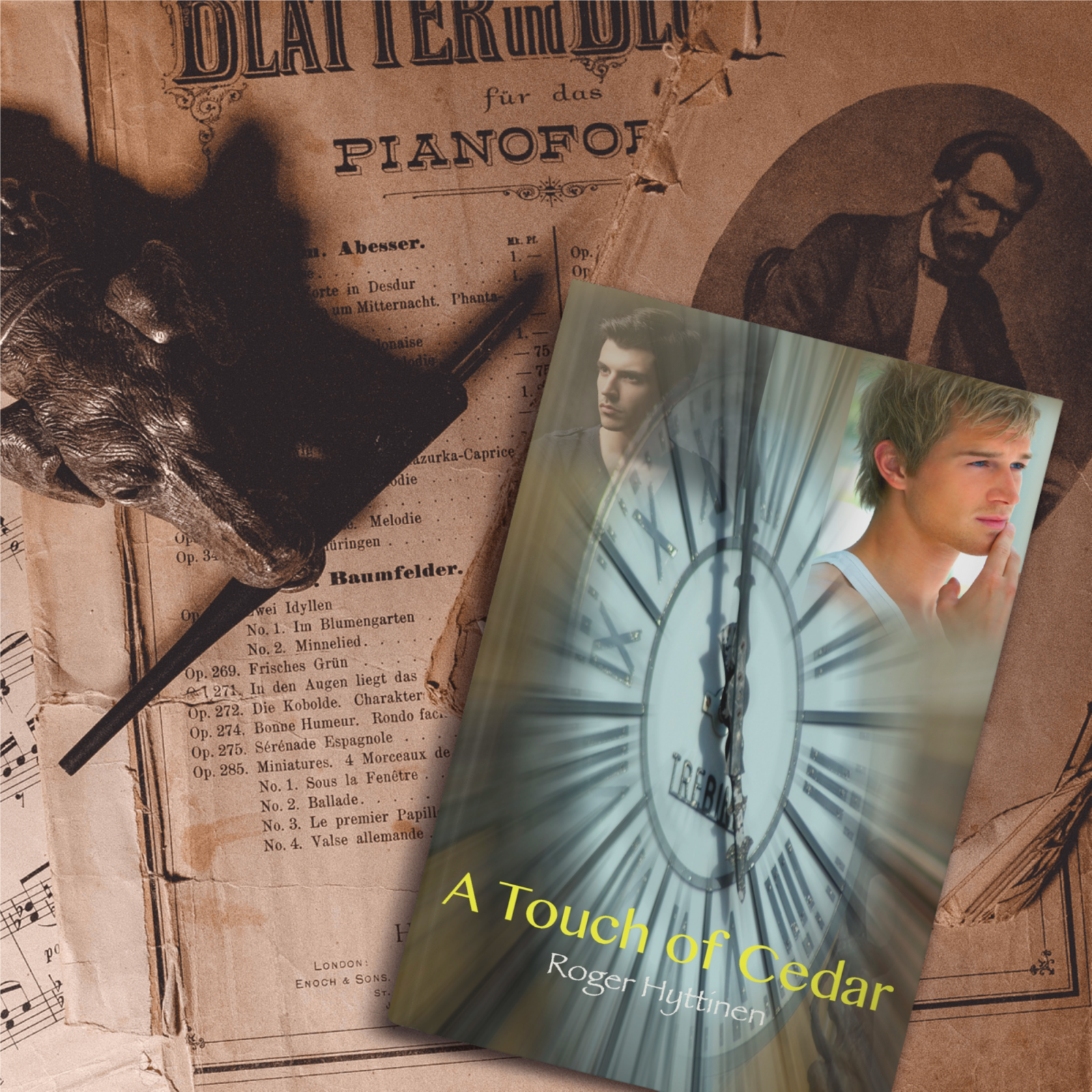
What do you do when your relationship is already in trouble… and then you move into a house haunted by a young man who died there? A Touch of Cedar – grab your copy HERE